

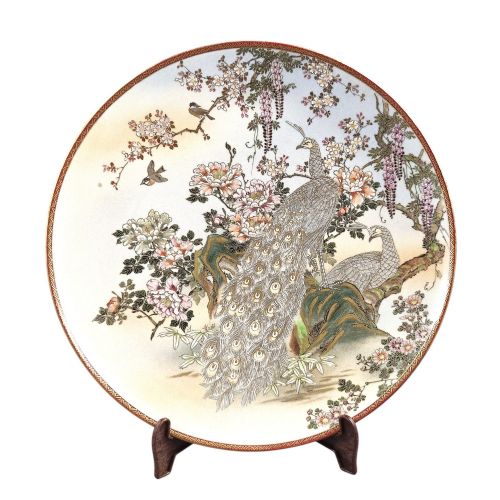


Oriental Polychrome Porcelain Plate
An oriental polychrome porcelain plate brings layered hand-painted colour to a room, offering centuries of decorative craft from Chinese and Japanese kilns.
Oriental Polychrome Porcelain Plate
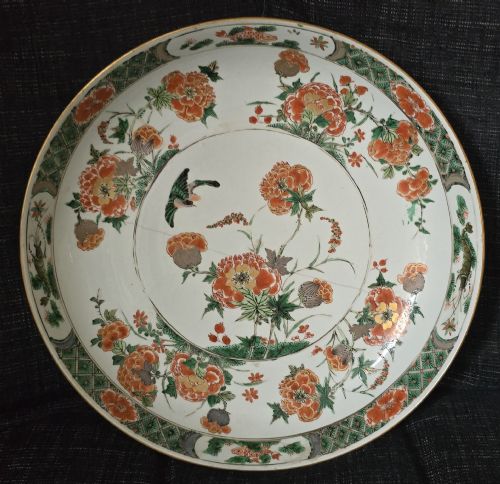
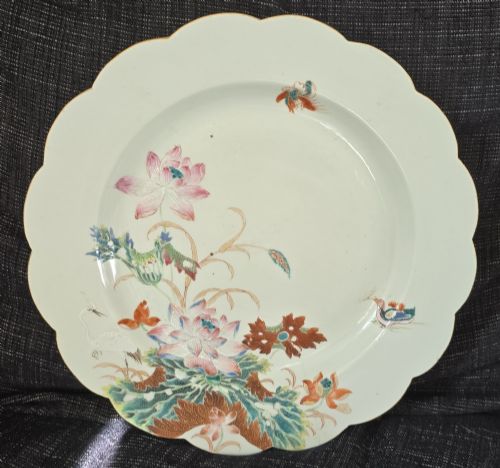
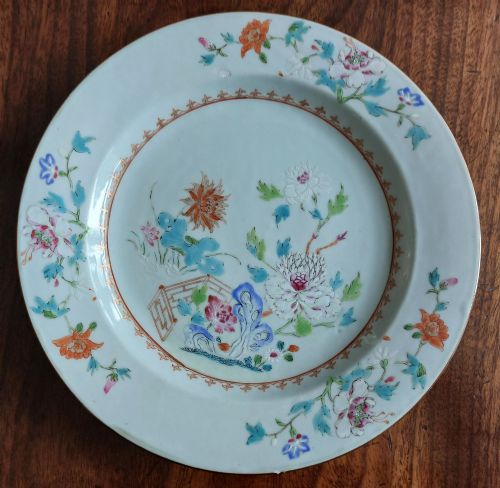
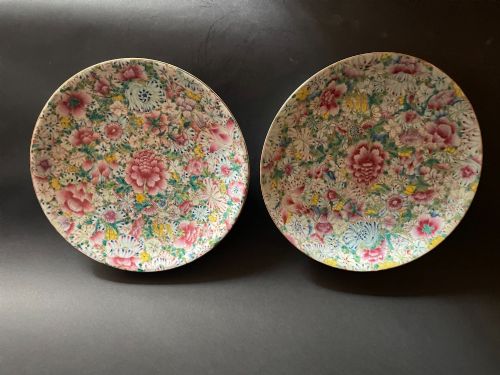
When you search for an oriental polychrome porcelain plate, you encounter a diverse array of hand-painted decorative wares originating from Chinese and Japanese traditions. The selection spans domestic dishes and large chargers produced across the eighteenth, nineteenth, and early twentieth centuries. These vessels include export pieces made for Western markets alongside items created within traditional Asian aesthetic periods.
The objects on this page appear primarily as decorative plates, chargers, saucers, and bowls displaying rich polychrome decoration. You will frequently find Japanese Imari wares alongside Chinese Famille Rose and Canton designs. Forms range from standard circular plates to octagonal plates, square plates, and expansive display chargers.
Dating ranges from the Qianlong period of the eighteenth century through Victorian times up to the early twentieth century, including the Meiji and Taisho eras. Chinese pieces include Qing Dynasty export porcelain and Canton Rose Medallion services. Japanese works feature Kutani, Satsuma, and Edo period styles executed on hard-paste porcelain and earthenware bodies.
Materials and Techniques
Potters built these pieces using fine porcelain, hard-paste porcelain, and earthenware bodies shaped into plates, bowls, and chargers. Artisans applied cobalt underglaze pigments beneath the clear glaze before firing, establishing durable blue outlines and details. Overglaze enamels provided the vibrant polychrome palette seen across the surface.
Makers enriched the polychrome designs using gold leaf and gilt work to highlight motifs such as figures, birds, flowers, and geometric borders. Hand painting executed with fine brushes defined complex scenes, from multi-figure gatherings to koi carp and floral arrangements. Raised relief work, known as moriage, added tangible texture to specific Satsuma earthenware surfaces.
The inventory spans Victorian, Meiji, and eighteenth-century Qianlong periods alongside specific Qing Dynasty and Edo styles.
Judging Quality
Quality rests upon the precision of the hand-painted brushwork and the complexity of the polychrome composition. Finer examples display crisp enamel application, controlled use of gold leaf, and harmonious placement of motifs across the plate surface. Earlier pieces from the Qianlong or Edo periods often show superior potting and depth in the cobalt underglaze.
The prestige of the workshop or specific decorative tradition influences the standing of a piece within the range. Satsuma plates bearing recognised signatures, such as the Meizan mark, represent specialised artistic output. Condition, scale, and the retention of crisp overglaze colours without excessive rubbing further separate standard export items from exceptional decorative chargers.
Meizan mark
The Oriental Polychrome Porcelain Plate Glossary
- Imari
- A style of Japanese porcelain featuring a distinct palette of underglaze blue, iron red, and gilt. These pieces were historically exported through the port of Imari.
- Famille Rose
- A major palette of Chinese ceramic glazes introduced in the eighteenth century, dominated by opaque pink or rose enamel colours. This grouping includes Canton and Qianlong export wares.
- Charger
- A large decorative plate intended primarily for display on a wall or sideboard rather than for practical dining use. They often measure significantly wider than standard dinner plates.
- Moriage
- A decorative ceramic technique involving piped clay applied in raised dots or lines to create textured relief. It appears frequently on Satsuma earthenware vessels.
- Canton
- A style of Chinese export porcelain decorated in vibrant famille rose enamels with panels of figures, birds, and flowers. Production centred on the port city of Guangzhou.
Oriental Polychrome Porcelain Plate: Frequently Asked Questions
How were these plates used historically?
Most large chargers and decorated plates served decorative display roles in domestic interiors rather than everyday dining functions. Sets of smaller dishes and saucers functioned in formal tea and dining services.
Export wares were packed and shipped in large quantities to European and Western markets to satisfy a strong demand for Asian aesthetics. Over time, collectors transitioned these items from functional utility to cabinet and wall display.
How do I tell Chinese from Japanese pieces?
Examine the palette, paste, and stylistic motifs to identify the likely country of origin. Chinese export items frequently employ Famille Rose enamels and Canton panel layouts on hard-paste porcelain.
Japanese pieces often show Imari palettes, Kutani aesthetics, or Satsuma earthenware bodies with distinct signature marks. The brushwork conventions and decorative borders also point toward specific regional traditions.
What is the difference between porcelain and earthenware?
Porcelain is fired at much higher temperatures, resulting in a vitrified, non-porous body that often rings when struck. Hard-paste porcelain used in Chinese export wares represents this dense, durable material.
Earthenware, such as Satsuma pottery, is fired at lower temperatures and possesses a more porous body. This softer ceramic body accommodates raised moriage decoration and intricate crackle glazes.