



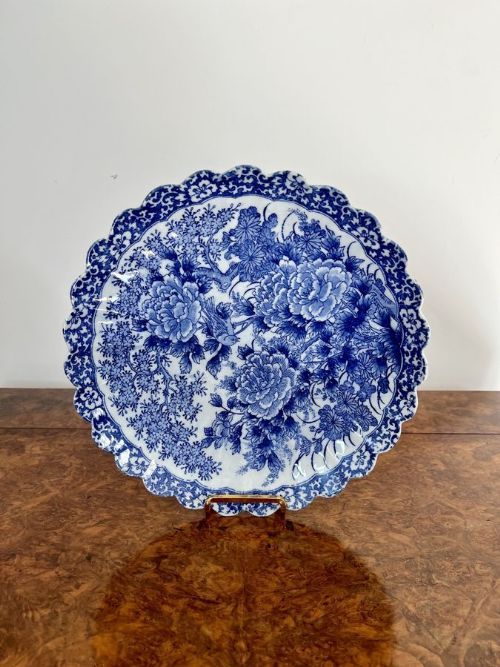
Japanese Floral Wall Plate
These Japanese floral wall plate selections bring vibrant Meiji and Victorian ceramic artistry straight to your interior walls.
Japanese Floral Wall Plate
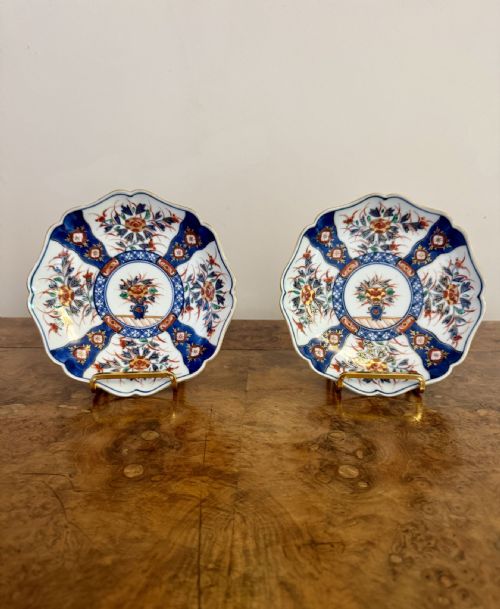
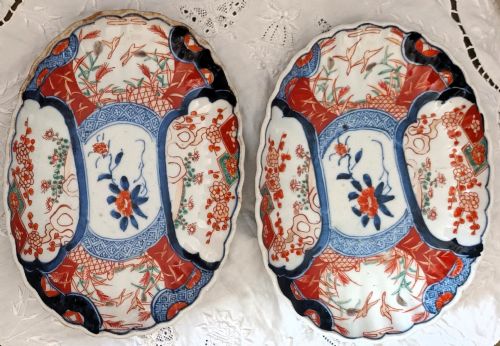
A Japanese floral wall plate is a decorative ceramic or metal dish designed for display, typically showcasing traditional botanical motifs across its surface. The examples gathered here span from the Edo and Meiji periods through to the late nineteenth and early twentieth centuries.
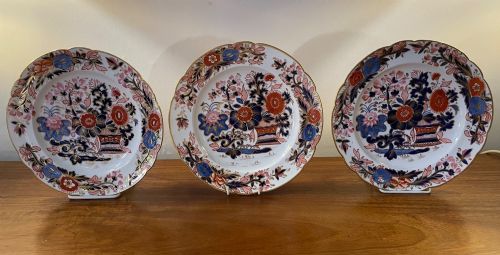
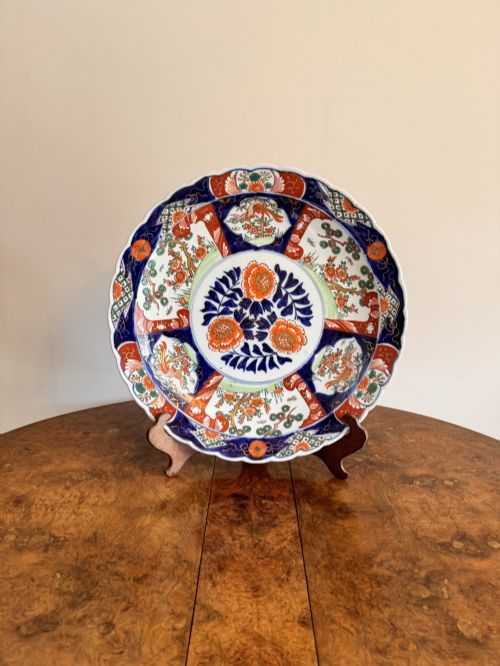
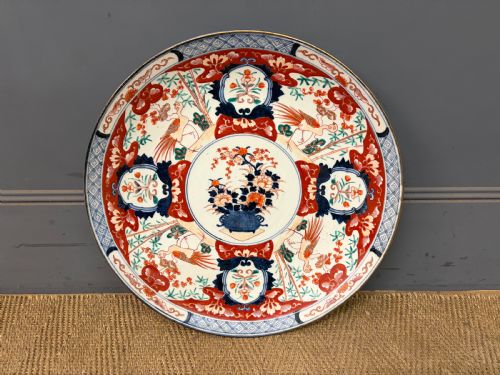
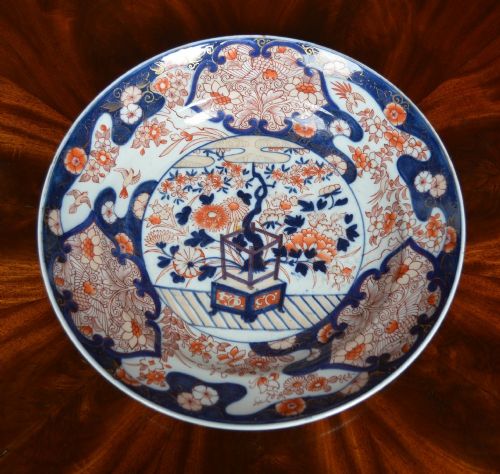
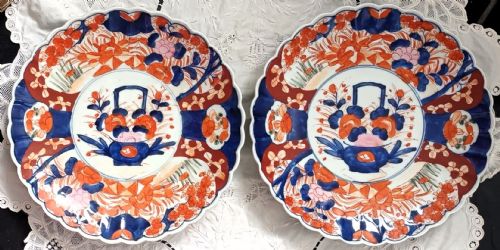
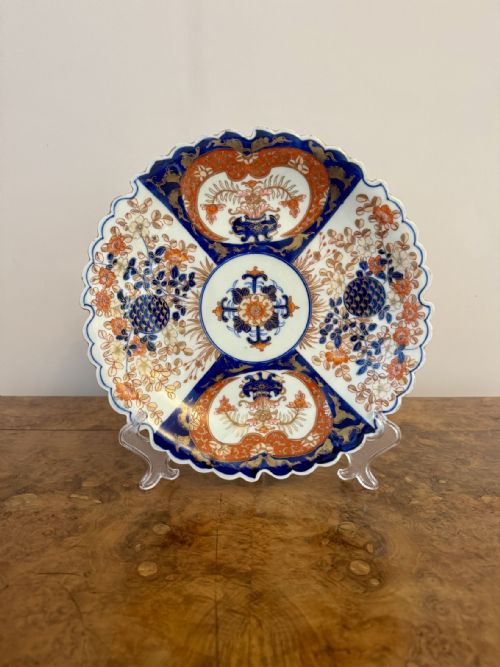
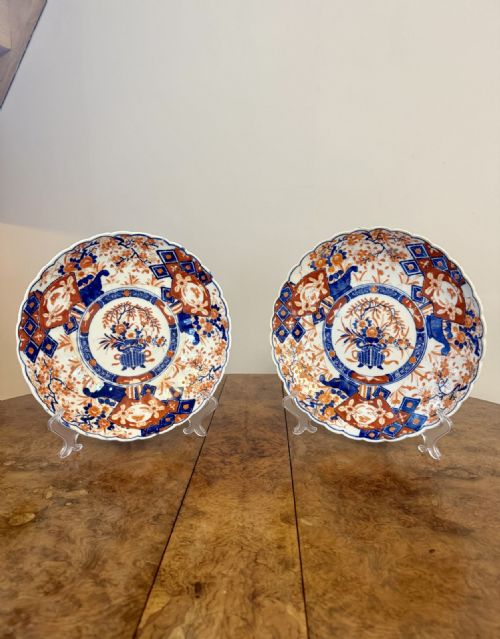
Most pieces you encounter on this page take the form of large Imari chargers or Satsuma vessels featuring scalloped edges and intricate cobalt underglaze work. Makers utilised various regional styles, including Arita porcelain and cloisonne enamel, to create striking centrepieces for domestic interiors.
How they were made
Potters shaped porcelain and copper bases by hand before applying rich glazes and detailed enamel work. Artisans incorporated gold leaf and cobalt underglaze pigments to build up layered botanical scenes featuring chrysanthemums, peonies, and wisteria.
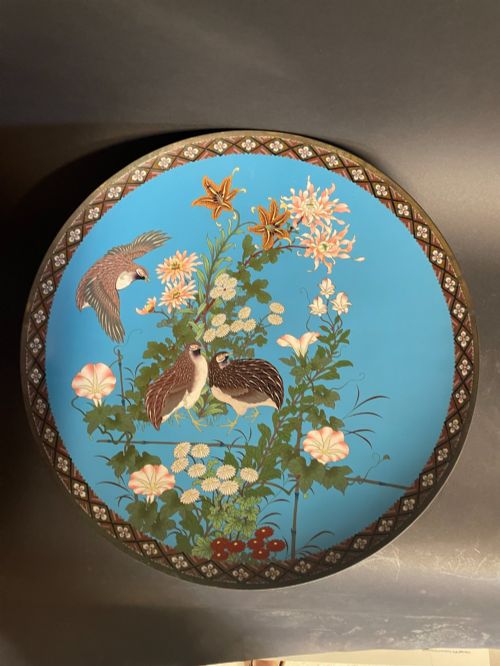
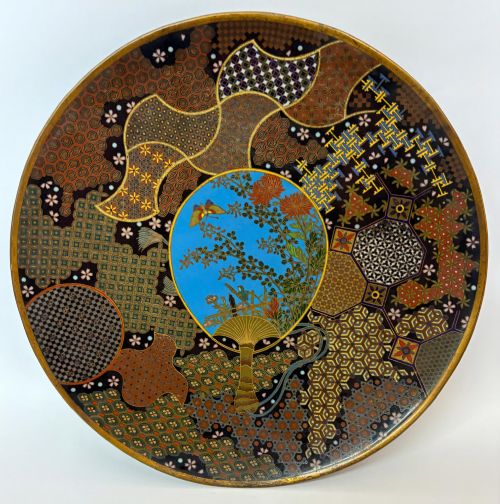
Cloisonne pieces required delicate copper or brass wire soldered to a metal ground to outline the floral motifs before filling each partitioned cell with coloured enamel pastes. Firing these works at high temperatures fused the vitreous materials to the metal body for a durable finish.
The listings on this page span the late nineteenth century through to the early twentieth century, encompassing both Arita porcelain and Nagoya cloisonne.
What varies in quality
The precision of the brushwork and the complexity of the enamel layering separate standard production items from masterworks. Superior examples display crisp definition in the botanical details and harmonious balance across the palette.
Weight and scale also signal the grade of a charger, with larger porcelain bodies requiring advanced kiln management to prevent warping during high-temperature firing.
The Japanese Floral Wall Plate Glossary
- Imari
- A traditional style of Japanese export porcelain characterised by a distinct palette of cobalt blue, iron red, and gold leaf. It originated in the town of Arita and became immensely popular in European interiors.
- Cloisonne
- An enamel technique where thin metal wires form raised barriers on a copper or brass body to contain coloured pastes. These compartments are fired and polished smooth to reveal intricate decorative patterns.
- Charger
- A large ornamental plate utilised primarily for display on a wall or sideboard rather than for serving food. These heavy vessels often anchor a room through sheer scale and bold colour.
- Satsuma
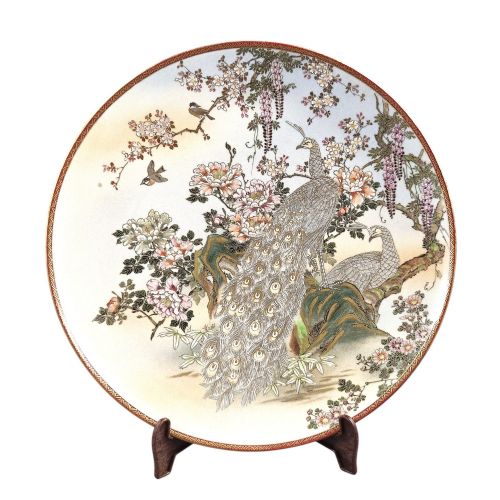
- A type of earthenware originating from the Satsuma Province, featuring an ivory crackle glaze decorated with fine enamel and moriage relief work. It frequently depicts natural subjects and figures.
- Moriage
- A decorative ceramic technique involving the application of slip in raised dots or lines to create a textured, three-dimensional effect. It adds tactile depth to floral and avian subjects.
Japanese Floral Wall Plate: Frequently Asked Questions
How were wall plates displayed historically?
Plates and chargers were mounted onto walls using specialised wire hangers or displayed upright on sideboards and buffets.
This allowed households to showcase intricate ceramic art and export porcelain to visiting guests.
What is the difference between Imari and Satsuma?
Imari pieces use hard porcelain decorated with blue, red, and gold pigments in striking geometric and floral patterns.
Satsuma items typically utilise a cream earthenware body with a crackled glaze and delicate raised enamel painting.
How do I identify a Meiji period piece?
Meiji period items often combine traditional Japanese motifs with advanced technical execution developed during the late nineteenth century.
Look for refined details in the enamel work and specific regional signatures where present on the base.