




Oriental Planter Stand
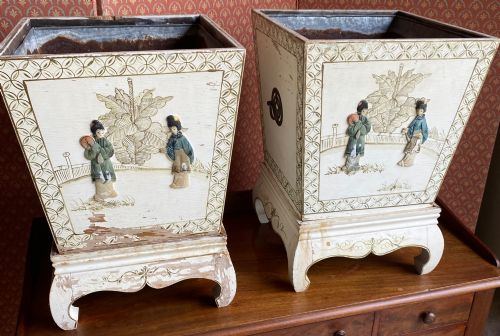
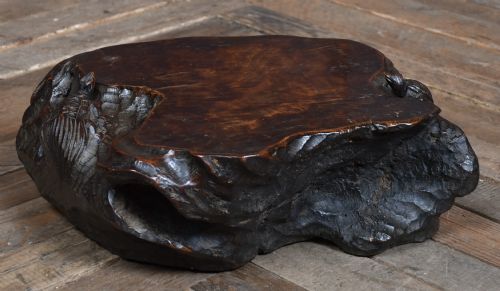
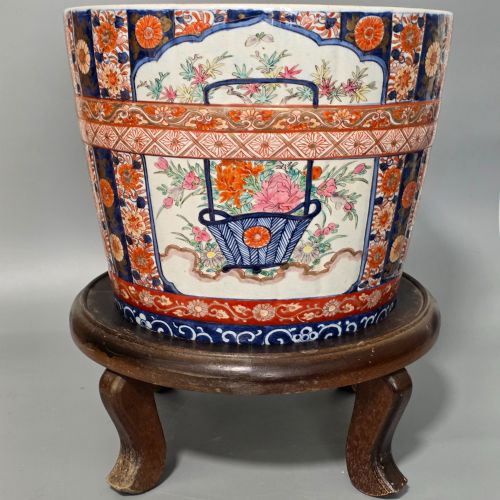
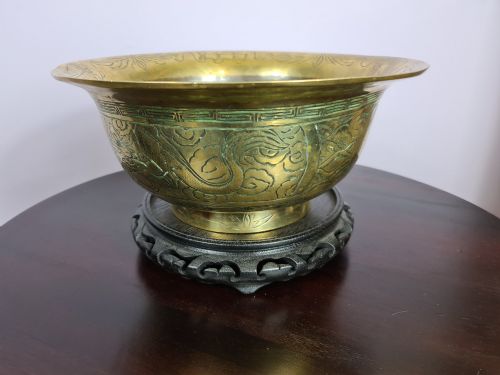
These oriental planter stand pieces raise green plants and heavy porcelain bowls with sturdy grace, bringing carved wood and bronze into a room.
Oriental Planter Stand
An oriental planter stand serves to elevate jardiniere bowls, vases, and bonsai displays above the floor or tabletop. The most common form met here is the carved hardwood pedestal table, often housing a marble inset or supporting a heavy bronze vessel.
These stands span the Victorian era, Edwardian period, and the nineteenth and early twentieth centuries. Originating from Chinese and Japanese traditions, they appear in styles such as Qing Dynasty, Chinese Export, and Victorian Anglo-Japanese.
Makers shaped these objects to hold specific botanical items, including large porcelain planters, bonsai trees, and ceramic bowls. They function primarily as display furniture that frames nature within interior spaces.
Materials and construction
Carpenters utilised dense timbers including hardwood, rosewood, and mahogany to build the frames. Skilled hands carved intricate floral and structural motifs directly into the wood, sometimes employing ebonised finishes.
Makers combined timber with other heavy elements, inserting smooth marble tops into circular frames or mounting porcelain and bronze vessels upon matching wooden bases. Brass fittings and cloisonne work also appear among the heavier forms.
Oriental Planter Stand Retail Price Guide 2026
Typical asking prices for oriental planter stand among the pieces listed under this phrase on Sellingantiques today, from the lower quarter to the upper quarter. They describe what is for sale here now, not the wider market.
The listings show items spanning the 1880s through to the 1930s, constructed from hardwood, marble, porcelain, bronze, and brass.
Judging the work
The depth and sharpness of the carving separate standard stands from superior examples. Finely articulated floral panels and balanced joints denote careful workshop practice.
The choice of material dictates the tier of the piece, with dense carved hardwoods and heavy cast bronze sitting above simpler turned wood versions. The presence of integrated marble inserts or associated stands also marks the distinction.
The Oriental Planter Stand Glossary
- Jardiniere
- A large ornamental pot or bowl used for holding plants or flowers. They sit directly upon the stands found in these listings.
- Bonsai Stand
- A low display platform designed specifically to elevate miniature trees. These items emphasise the grain of the wood and the shape of the pot.
- Cloisonne
- An enamelwork technique where thin metal wires form compartments on a bronze or brass base. The resulting cells are filled with coloured paste and fired.
- Portico Planter Table
- A domestic display table with architectural framing reminiscent of a portico. They provide a stable surface for heavy ceramic planters.
- Meiji Period
- The era in Japanese history spanning from 1868 to 1912. Pieces from this time often display refined metalwork and distinct decorative carvings.
Oriental Planter Stand: Frequently Asked Questions
What is an oriental planter stand used for?
These stands provide a stable raised platform for heavy ceramic bowls, bronze vases, and potted plants. They place botanical displays at a deliberate height for interior viewing.
Historically, they also served to protect wooden floors and carpets from moisture while elevating bonsai trees and floral arrangements as decorative focal points.
How do I date a wooden planter stand?
Dating relies upon examining the timber species, joinery methods, and the style of the carving. Victorian and Edwardian examples often combine Asian motifs with domestic furniture forms common to British interiors.
Reference to specific periods like the Qing Dynasty or Meiji era points towards traditional manufacturing contexts, while later pieces from the early twentieth century reflect modified production methods.
Are these stands strong enough for heavy pots?
Hardwood and bronze construction ensures these items support considerable weight. Many were engineered specifically to hold large water-filled planters and thick porcelain vessels.
Dense timbers like mahogany and rosewood provide the structural rigidity necessary for heavy garden ornaments brought indoors.
Can I use these stands outdoors?
These pieces are intended for indoor domestic environments. Exposure to moisture and changing weather damages the polished hardwood surfaces and decorative finishes.
Keeping them inside preserves the joinery, the marble inserts, and the delicate hand-carved details against dampness and temperature swings.