



Oriental Plant Pot
When you search for an oriental plant pot, you enter a world of finely potted ceramics and heavy cast metal vessels made to hold substantial greenery.
Oriental Plant Pot
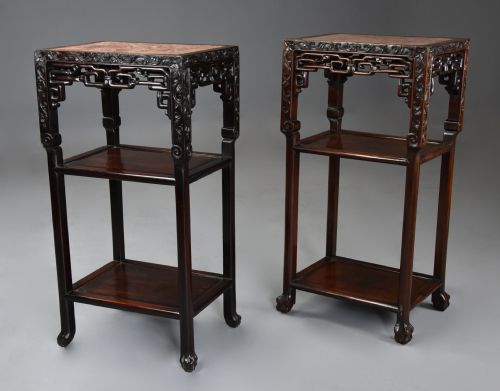
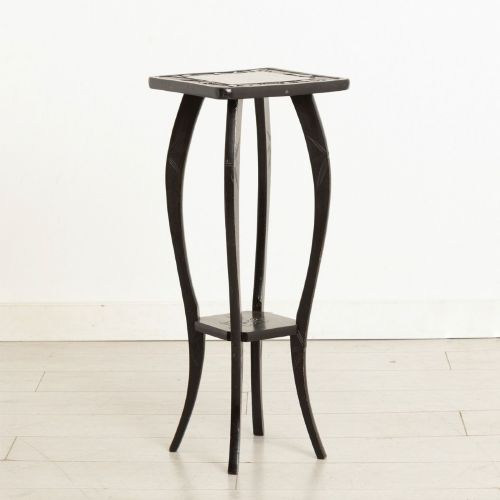
An oriental plant pot typically takes the form of a jardiniere, planter, or dedicated pot stand designed to elevate botanical displays within a room. You will frequently encounter heavy ceramic bowls, blue and white porcelain vessels, and cast bronze bowls alongside carved hardwood stands.
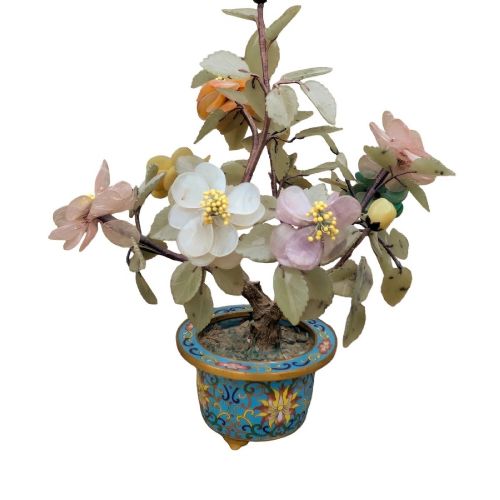
The objects span multiple periods, with many examples originating from the nineteenth century, the Victorian era, and the Meiji or Qing dynasties. These vessels served both decorative and practical functions in historic interiors, housing large house plants, bonsai arrangements, or flowering trees.
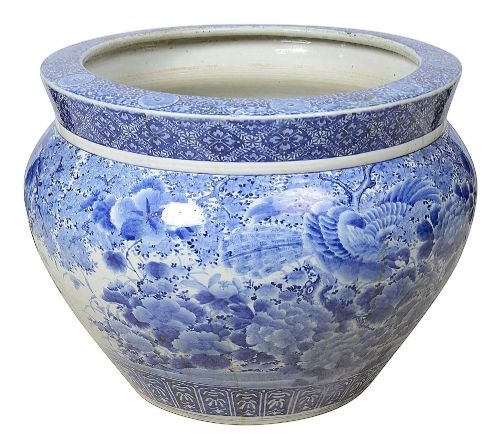
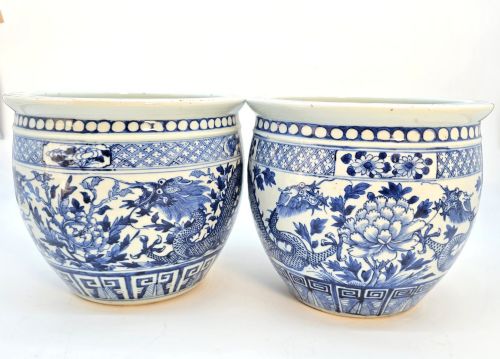
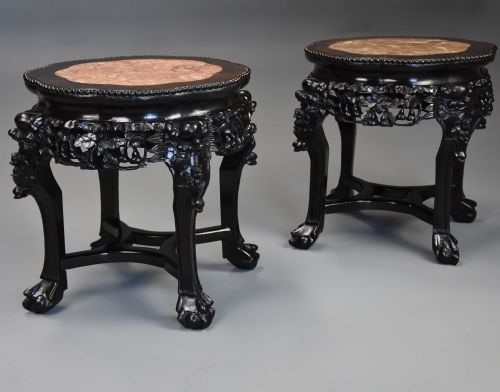
Vessels range from porcelain fish bowls and hexagonal planters with drip trays to freestanding wooden tables intended specifically for display. Buyers searching for an oriental plant pot will find both individual statement pieces and matched pairs suitable for formal placement.
How they were made
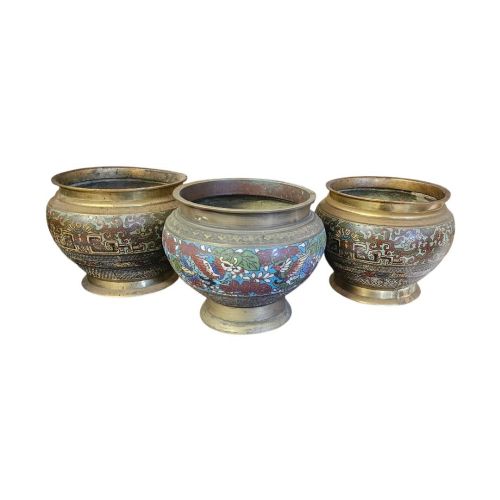
Potters and metalsmiths employed techniques such as hand-carving, casting, and intricate enamelling to produce these vessels. Bronze and brass examples often feature champlevé or cloisonné enamel work, where vitreous enamel fills recessed metal compartments.
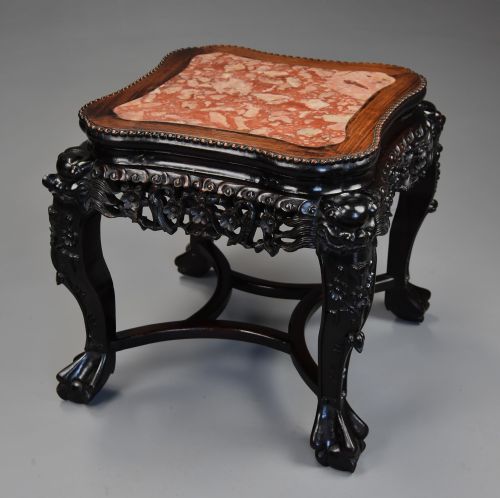
Ceramic pieces showcase underglaze blue and white painting or vibrant famille rose enamel decoration applied to porcelain bodies. Hardwood stands are constructed with traditional joinery, frequently featuring inset panels of shaped marble or ebonised finishes.
Listings feature a strong presence of nineteenth-century Chinese hardwood pot stands incorporating inset marble tops.
What varies in quality
Quality rests upon the crispness of the hand-carved detail in the wood and the precision of the enamel work on metal vessels. Finer ceramic pieces display sharply defined underglaze pigments and well-executed seal marks rather than hurried painting.
The weight of the bronze and the selection of dense, figured hardwood for the accompanying stands also distinguish superior examples. A well-balanced composition where the vessel and its stand complement each other indicates a higher tier of craftsmanship.
Liberty of London
The Oriental Plant Pot Glossary
- Jardiniere
- A large ornamental pot or bowl designed to hold a plant or flower arrangement. These pieces often stand directly on the floor or rest upon a dedicated table.
- Cloisonne
- A metalwork technique where thin wire is soldered to a metal body to create cells that are filled with enamel. This method produces intricate, colourful patterns across bronze surfaces.
- Imari
- A style of Japanese export porcelain decorated in underglaze blue, iron red, and gold. The palette creates a striking contrast that remained popular across the nineteenth century.
- Famille Rose
- A palette of Chinese porcelain enamels dominated by opaque pink or rose colours. This style emerged during the Qing dynasty and appears on detailed planters and trays.
- Meiji Period
- A Japanese historical era lasting from 1868 to 1912 noted for exceptional metalwork and decorative arts produced for export. Pieces from this time often feature finely cast bronze or detailed blue and white porcelain.
Oriental Plant Pot: Frequently Asked Questions
What is the difference between a jardiniere and a plant stand?
A jardiniere is the vessel itself, usually a heavy ceramic or bronze bowl designed to contain the soil and plant.
A plant stand is the supporting table or pedestal, often made of carved hardwood or ebonised wood, used to elevate the vessel.
How were antique bronze planters decorated?
Makers applied intricate decorative techniques such as champlevé and cloisonné enamel directly onto the bronze surface. These methods created colourful patterns of flowers and geometric motifs.
Other vessels relied purely on the rich texture of cast bronze, sometimes featuring hand-carved details or applied relief elements.
Are these pots meant for indoor use?
Historical oriental planters were primarily designed for interior display in reception rooms, halls, and parlours. They housed substantial indoor plants, decorative bonsai, or cut flowers.
Due to their age and delicate glazes or enamel work, modern owners generally continue to use them indoors with protective liners.
How do I identify a Qing dynasty piece?
Qing dynasty pieces often feature characteristic materials such as heavy bronze with cloisonne work or traditional blue and white porcelain. Stylistic markers include specific floral motifs, imperial forms, and occasionally four-character seal marks.
Comparing the manufacturing technique and weight against known period examples helps confirm the era of origin.