


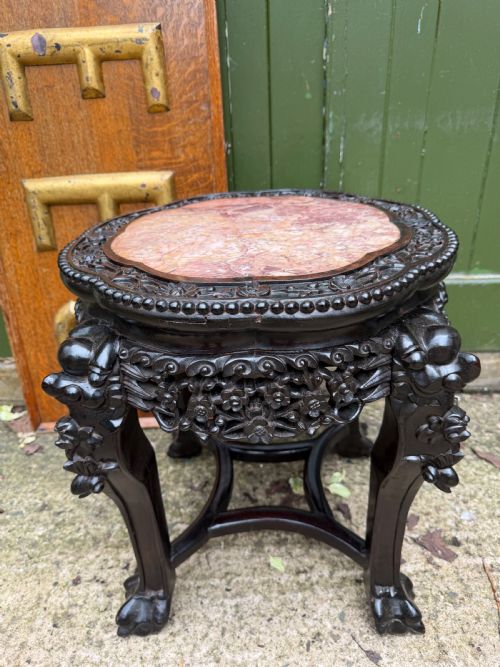


Antique Qing Jardiniere
These antique Qing jardiniere vessels and stands bring formal botanical display into a room through carved hardwood, bronze, and porcelain.
Antique Qing Jardiniere
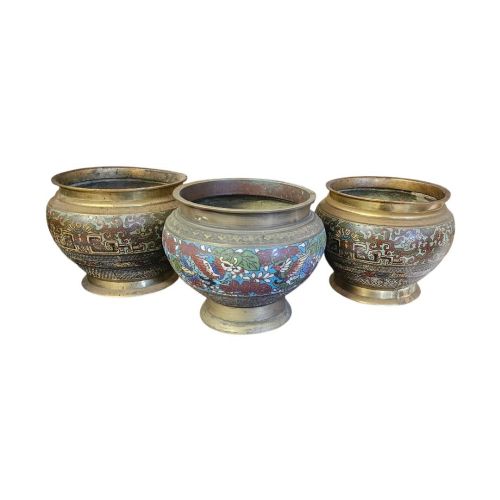
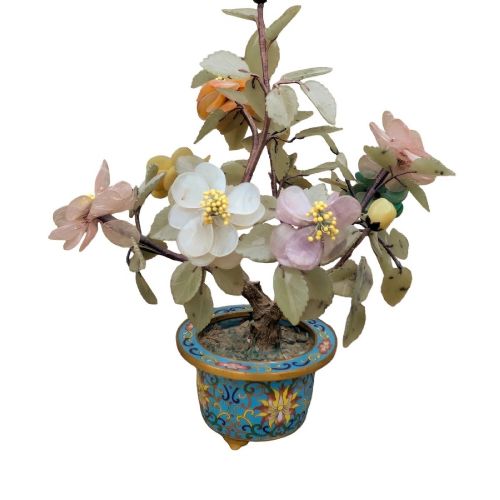
An antique Qing jardiniere encompasses both the plant vessels themselves and the dedicated stands designed to elevate them. Buyers find glazed porcelain bowls, cloisonne and champleve bronze vessels, alongside matching hardwood plant stands.
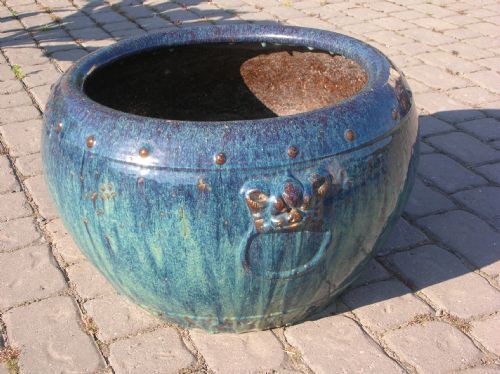
The vessels range from Canton Famille Rose and blue and white fish bowls to heavy brass troughs and decorative bronze planters. These pieces originate from the Qing Dynasty and related late periods, frequently appearing alongside marble-inset tables.
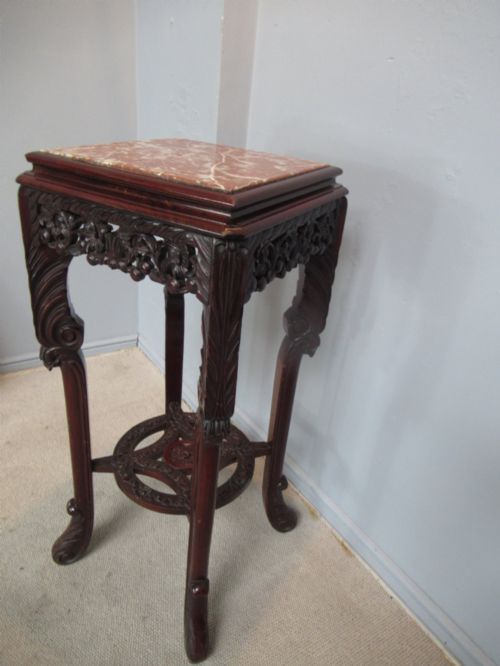
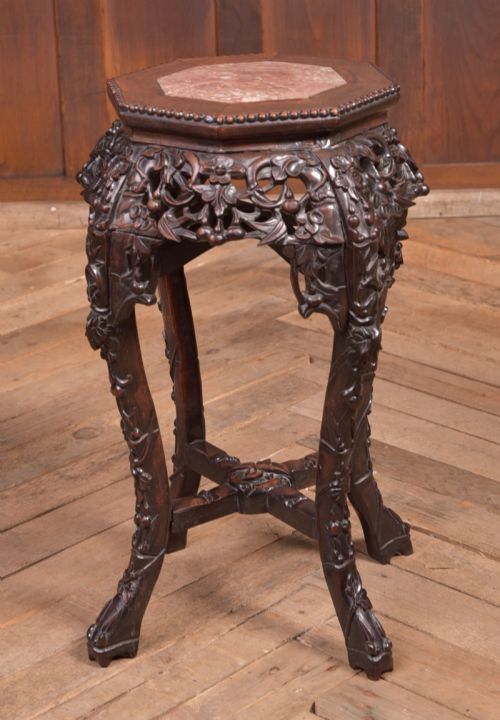
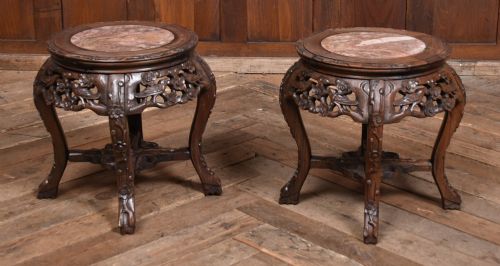
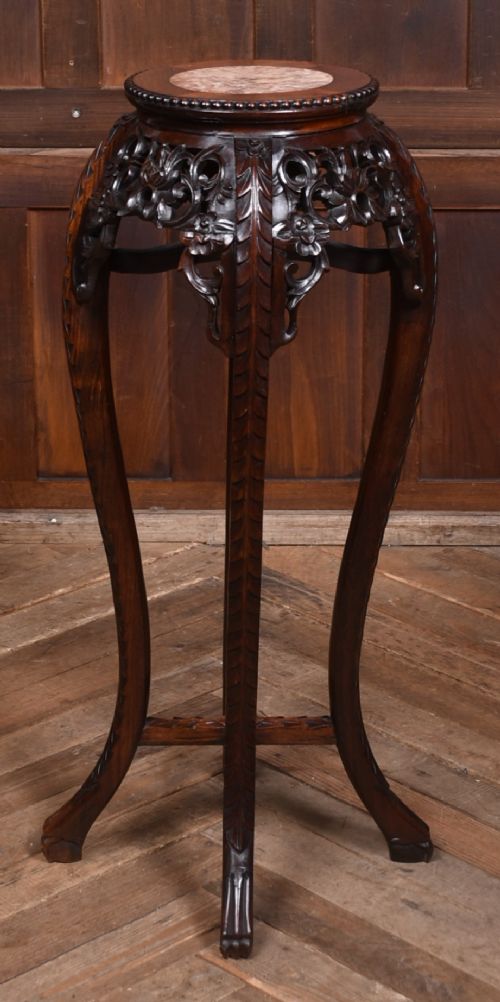
Hardwood supports in rosewood, padouk, and hongmu form an essential part of this category, serving as stands for vases, lamps, and plants. Many examples date from the nineteenth century through the Edwardian era.
How They Were Made
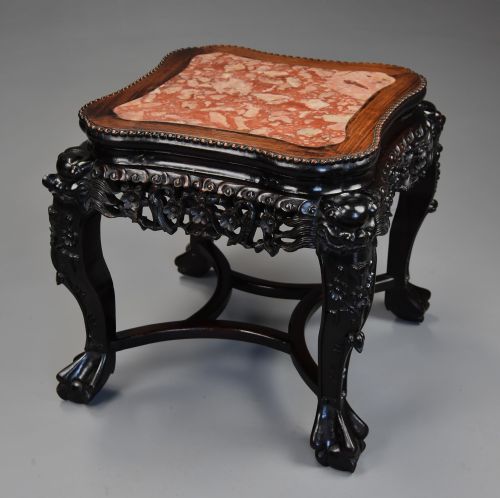
Carved hardwoods such as padouk, rosewood, and hongmu provide the structure for stands and low tables, often shaped to receive inset variegated rouge or white marble tops. Artisans joined these timbers using traditional joinery methods to support heavy stone and ceramic weights.
Bronze vessels incorporate champleve and cloisonne enamel techniques, fusing vitreous glass pastes within wire or cast metal compartments. Porcelain planters utilise hand-painted glazes, including blue and white and Famille Rose palettes, fired at high temperatures.
Materials span hard timber, bronze, brass, enamel, and porcelain across eighteenth-century to Edwardian periods.
What Varies in Quality
The refinement of the carving on hardwood stands dictates much of the distinction at this level, separating deeply undercut floral motifs from stiff, mechanical execution. The choice of timber grain, particularly dense padouk or figured rosewood, alters the visual weight of a stand.
On bronze and enamel pieces, the crispness of the cloisonne wirework and the depth of the enamel layer govern overall refinement. Similarly, porcelain vessels depend on the clarity of the cobalt blue or the complexity of the polychrome enamels.
The Antique Qing Jardiniere Glossary
- Jardiniere
- An ornamental pot or bowl designed to hold a plant or flowers. These vessels sit directly on surfaces or upon dedicated stands.
- Cloisonne
- An enamel technique where metal wire forms compartments on a bronze or copper base, which are then filled with paste and fired. The resulting surface shows distinct metallic outlines between coloured areas.
- Hongmu
- A dense, dark traditional Chinese hardwood prized for furniture and plant stands. Artisans value its capability to hold sharp, deep carvings.
- Famille Rose
- A palette of opaque rose-pink enamel introduced in Chinese porcelain decoration during the Qing Dynasty. This colour scheme defines many export porcelain pieces.
- Champleve
- An enamelling method where troughs are scooped into a metal surface to hold coloured glass paste. It differs from cloisonne by carving into the base metal rather than soldering wire.
Antique Qing Jardiniere: Frequently Asked Questions
What is an antique Qing jardiniere?
An antique Qing jardiniere is a decorative vessel or matching stand created during or in the style of the Qing Dynasty, intended to display plants and floral arrangements.
These pieces include bronze bowls, porcelain pots, and carved wooden stands inset with marble tops.
How were these stands used?
These low tables and plant stands elevated heavy ceramic bowls and decorative vases off the floor to showcase them within a room.
They also functioned as occasional tables, lamp stands, or desk supports in period interiors.
What materials are common?
Common materials include exotic hardwoods like padouk, rosewood, and hongmu, often paired with rouge marble inserts.
Metal and ceramic versions utilise bronze, brass, cloisonne enamel, and glazed porcelain.
How do I care for marble tops?
Marble inserts on hardwood stands require gentle dusting and immediate cleaning of liquid spills to prevent staining the polished stone.
Avoid harsh chemical cleaners that can dull the historical surface finish.