
Brass Qing Vessel
These pieces known as a brass qing vessel are solid metal containers shaped for ritual or display, prized for their heavy cast presence.
Brass Qing Vessel
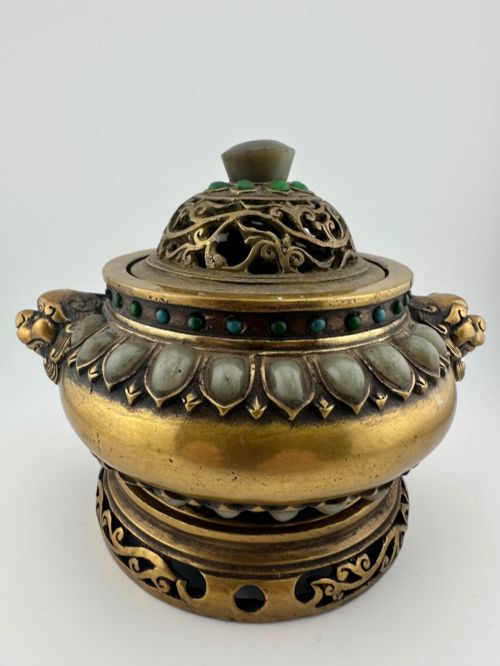
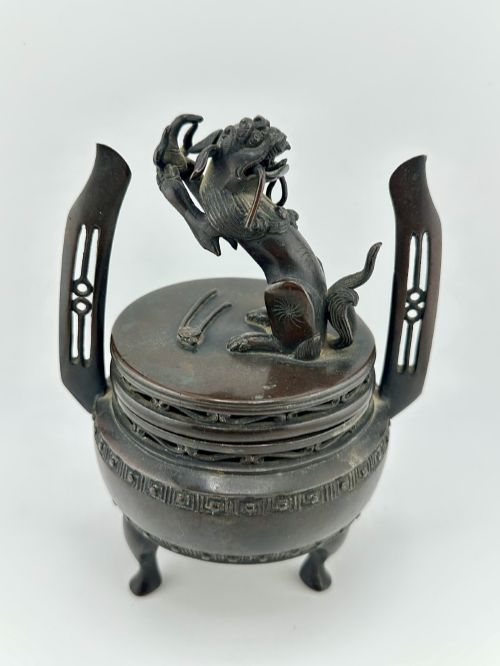
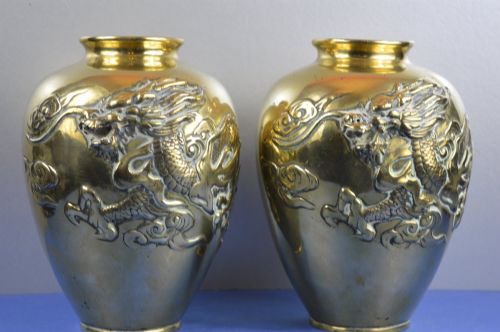
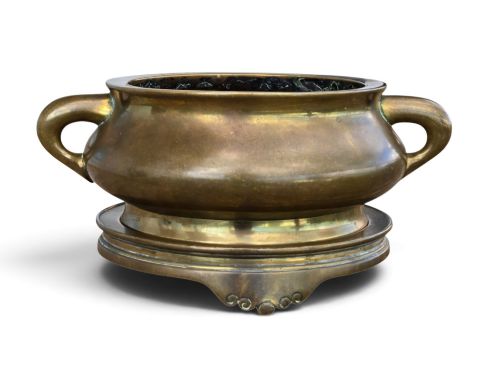
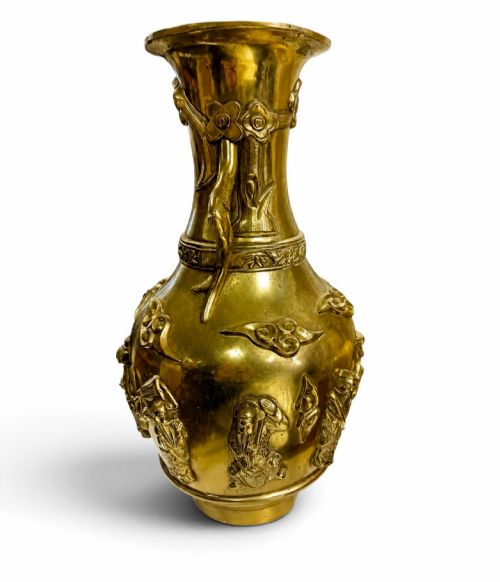
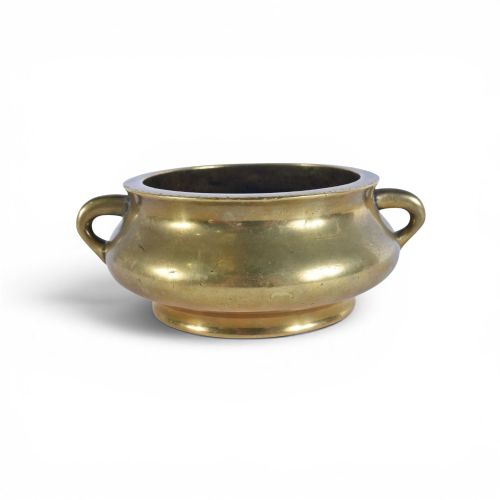
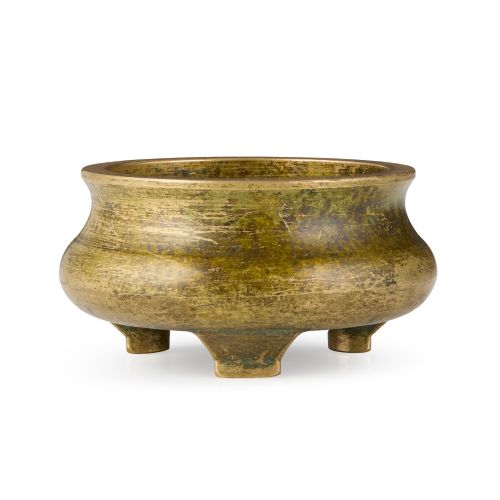
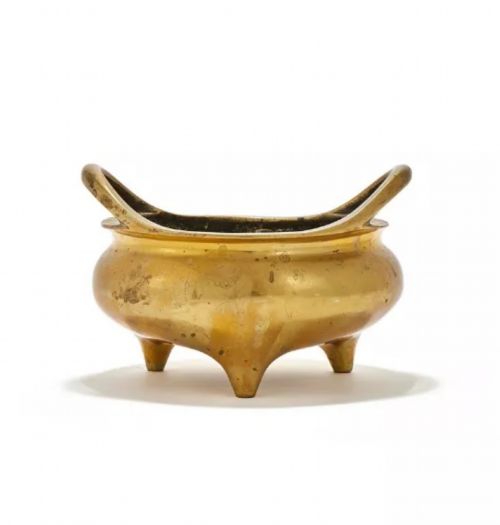
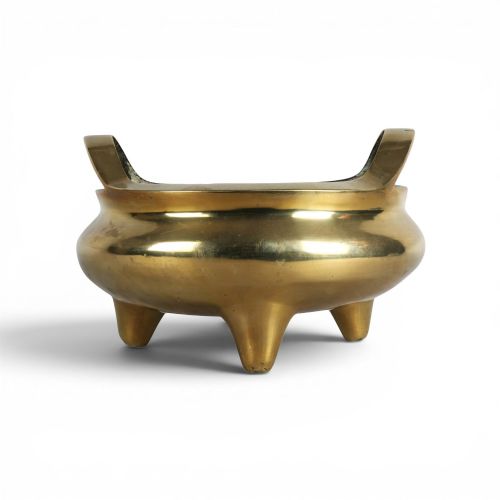
A brass qing vessel encompasses items created during the Qing dynasty and subsequent late periods, spanning tripod censers, heavy decorative bowls, jardinieres, and baluster vases. These objects frequently emerge from scholar's studio traditions or export decorative art, reflecting centuries of metalworking practice.
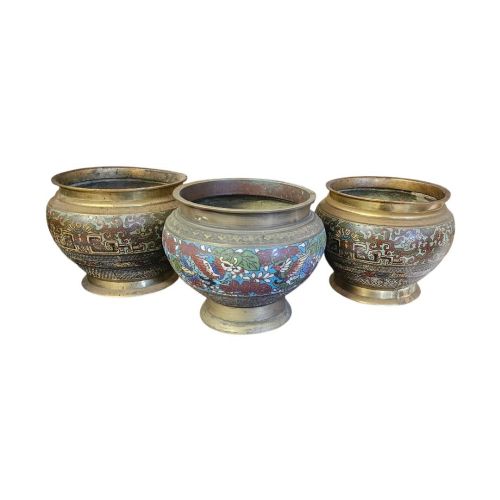
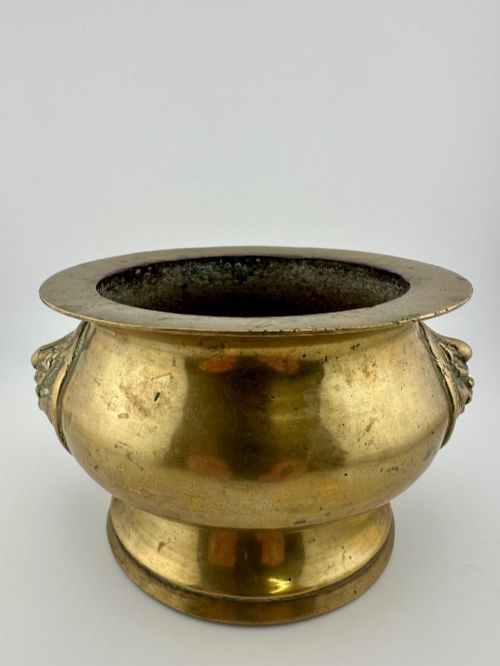
The versions most commonly met in this selection are cast bronze and brass incense burners alongside large copper-alloy vessels. Many retain ritual markers or handles shaped as lion masks, dragons, or qilin finials.
Origins trace directly to Chinese workshops influenced by archaistic styles and export demands of the nineteenth and early twentieth centuries. Buyers encounter both utilitarian desk pots and substantial ritual pieces designed for display.
Materials and technique
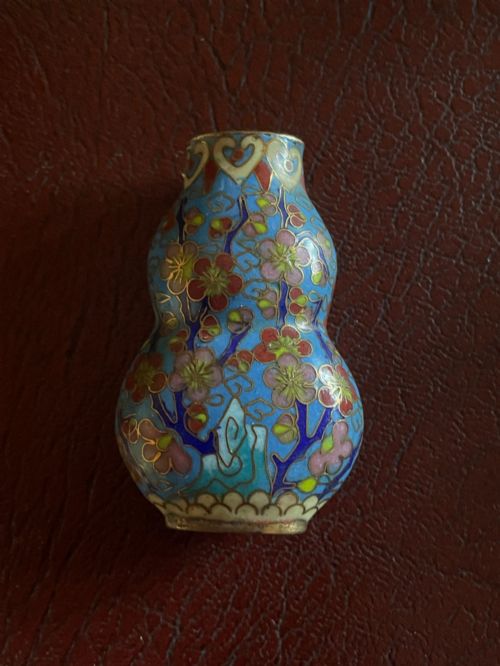
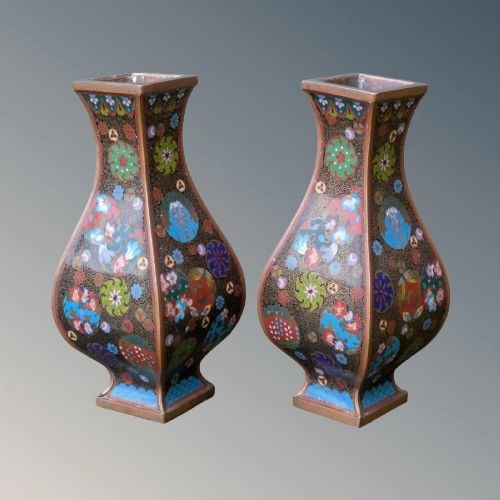
Makers utilised heavy bronze and brass alloys, frequently casting vessels with substantial wall thickness and considerable weight. Surface enrichment often includes champlevé and cloisonné enamel work, incorporating wire cells or recessed troughs filled with coloured vitreous pastes.
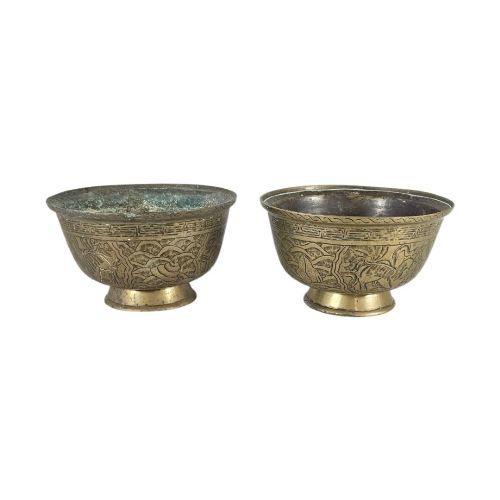
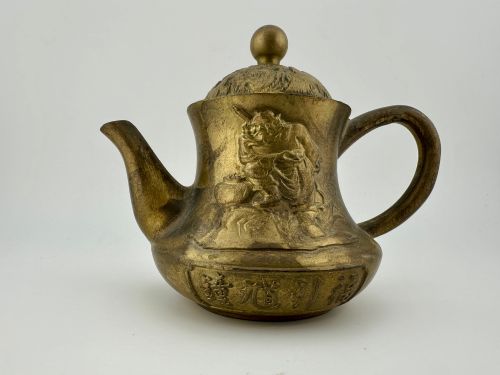
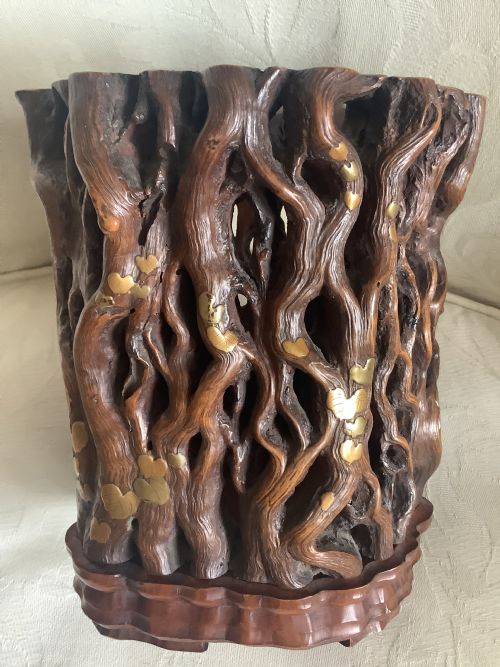
Gilt bronze and copper-alloy finishes appear alongside inlaid hardstone, jade, and carved hardwood stands. Details such as high-relief Daoist immortals, dragons, and phoenixes were hand-chased or cast directly into the metal body.
Materials documented across the listings include hardwood, jade, enamel, and copper alongside traditional bronze and brass.
Assessing the grade
Quality rests primarily on the crispness of the casting and the density of the metal alloy, visible in the weight and definition of handles or relief work. Finer examples display meticulous control during the chasing of details like dragon scales and feathered wings.
The presence of crisp reign marks, such as Xuande or Wu Bangzuo signatures, elevates certain pieces by indicating closer adherence to imperial standards. Enamel work also dictates value, where tightly packed cloisonné wires and smooth vitrification separate superior output from simpler commercial items.
The Brass Qing Vessel Glossary
- Censer
- A vessel designed for burning incense during ritual or domestic observance. These typically feature tripod feet and pierced covers.
- Cloisonné
- An enamel technique where metal wire is soldered to a metal base to create compartments filled with paste and fired. The surface is then polished flat.
- Champlevé
- A method where troughs are gouged directly into the metal body to hold enamel before firing. It yields bolder outlines than wire-based cloisonné.
- Archaistic
- A stylistic approach copying the forms, motifs, and patination of ancient bronzes from earlier dynasties. Makers used these designs to signal scholarly seriousness.
- Jardiniere
- A large decorative pot or planter intended to hold growing plants or floral arrangements. They frequently rest on matched wooden stands.
Brass Qing Vessel: Frequently Asked Questions
What is a qing vessel used for?
These items served various functions ranging from burning incense in scholar's studios to housing plants and displaying decorative art within homes.
Many heavier examples originated as ritual implements before transitioning into ornamental objects for export and domestic display.
How do I identify a Xuande mark?
Xuande marks appear as cast or engraved characters referencing the Ming dynasty emperor, though they were frequently applied as honorific marks on later Qing pieces.
These four or six-character seals indicate a reverence for earlier craftsmanship rather than dating the item to the actual fifteenth century.
Are these pieces made of solid brass?
The metal content varies across the selection, encompassing heavy brass, copper alloys, and traditional bronze compositions.
Many vessels are cast with substantial weight, occasionally reaching several kilograms, and some incorporate gilt finishes or enamel inlays.
How should I display a heavy bronze bowl?
Due to their substantial weight and cast metal construction, these vessels require sturdy surfaces capable of supporting several kilograms.
Many retain their original hardwood stands, which distribute the weight and protect delicate furniture surfaces from abrasion.