
Asian Pot
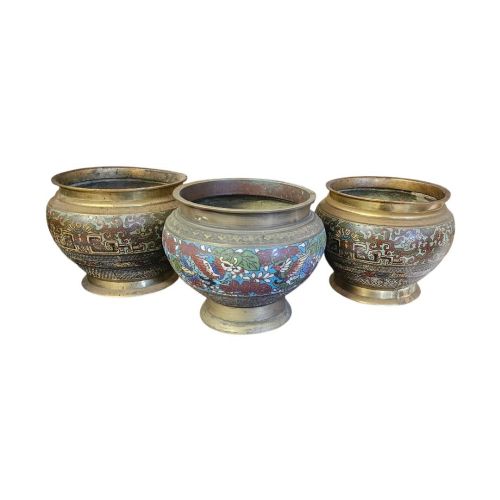
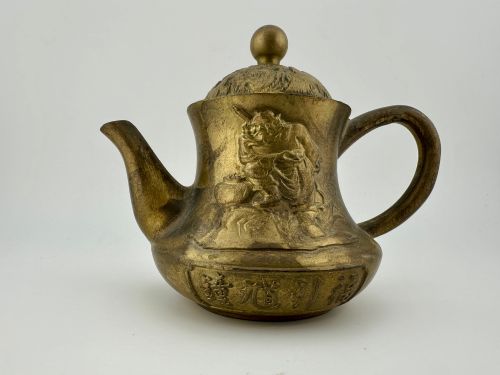
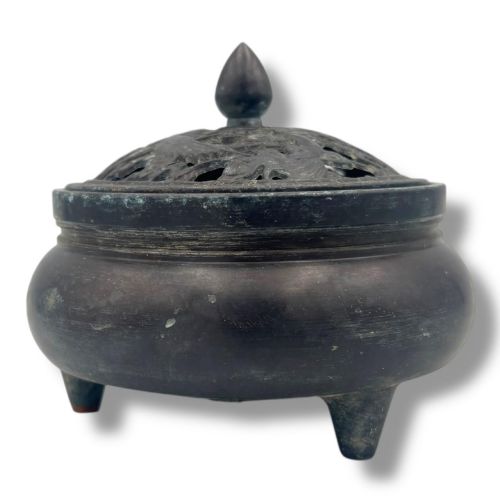
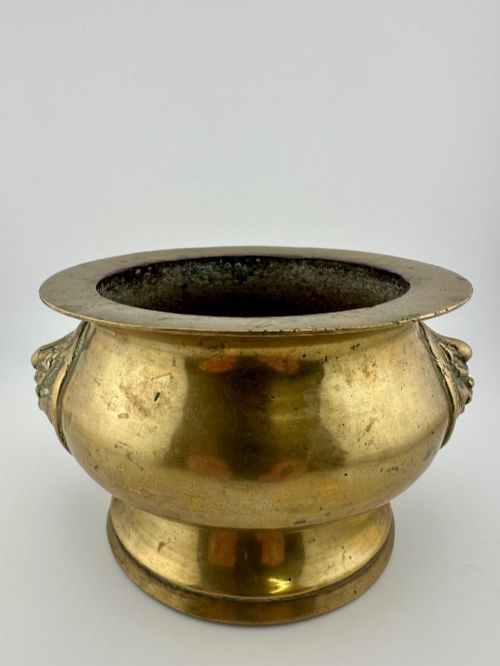
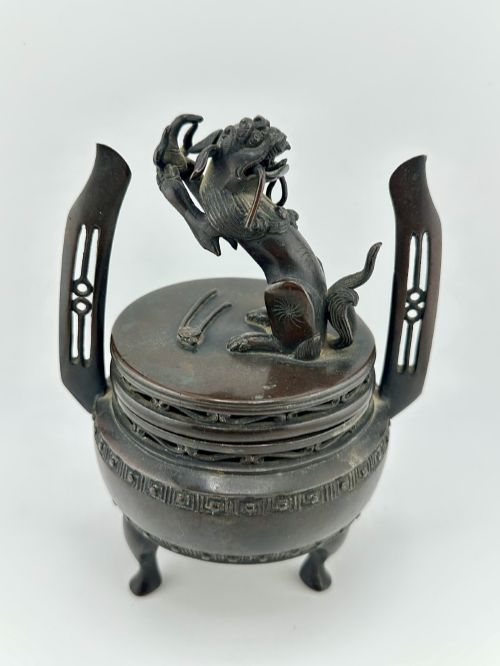
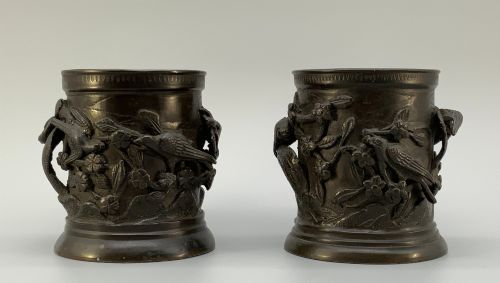
These pieces of asian antique pot heritage encompass bronze censers, carved hardwood brush pots, and porcelain vessels shaped across the nineteenth and twentieth centuries.
Asian Pot
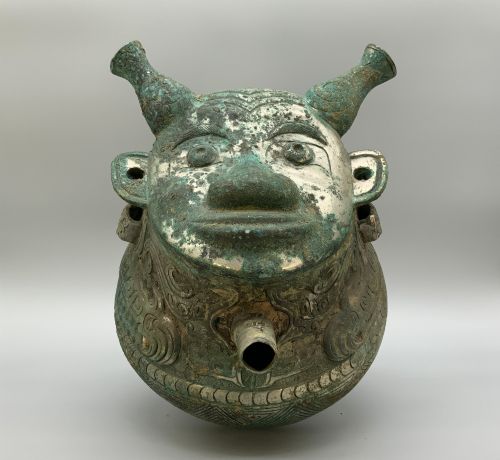
An asian antique pot covers a diverse array of utilitarian and ritual vessels originating from China, Japan, and Tibet, spanning centuries of craftsmanship. Collectors encounter everything from heavy bronze tripod censers and cloisonné ginger jars to intricately carved hardwood brush pots and ceramic water vessels.
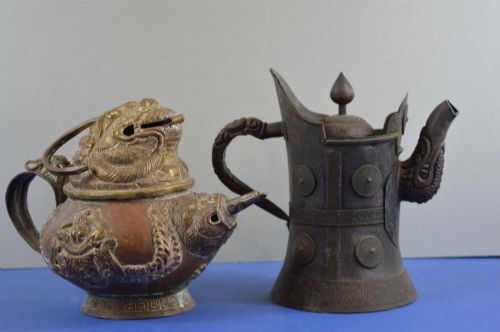
The objects appearing in these listings frequently include Japanese Meiji period bronzes, Chinese Qing dynasty porcelain, and Tibetan ceremonial ewers alongside decorative jardinieres. Each form carries distinct cultural functions, ranging from scholar's desk accessories and temple incense burners to domestic planters and tea vessels.
Materials and construction
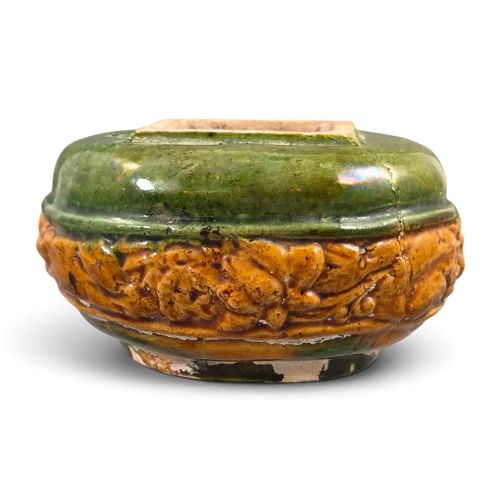
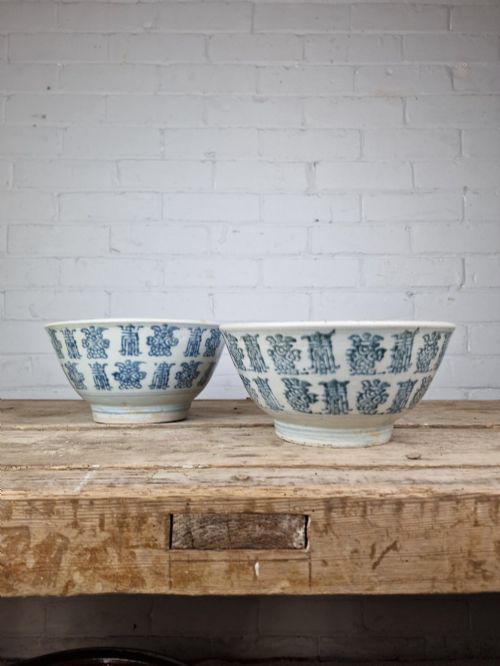
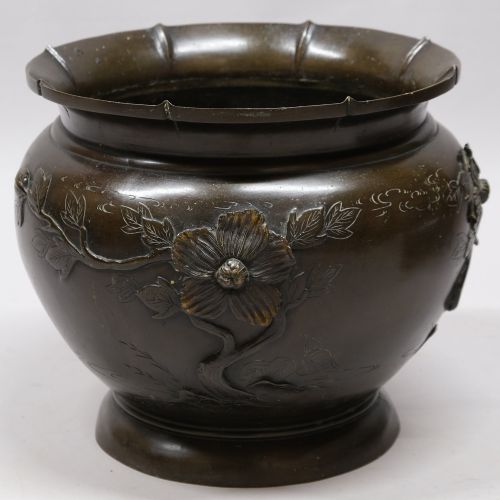
Metal vessels rely heavily on cast bronze and polished brass, often detailed with champlevé enamel or cast relief elements like dragon and lion mask handles. Potters shaped ceramics from porcelain, earthenware, and stoneware, utilising cobalt glaze, blue and white underglaze painting, or elaborate cloisonne wirework.
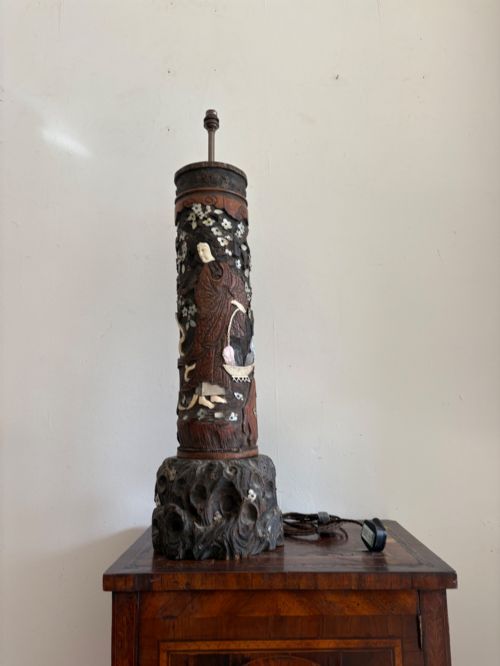
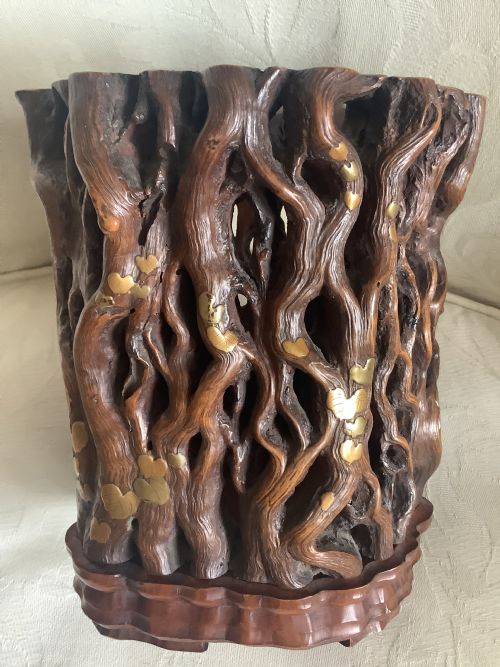
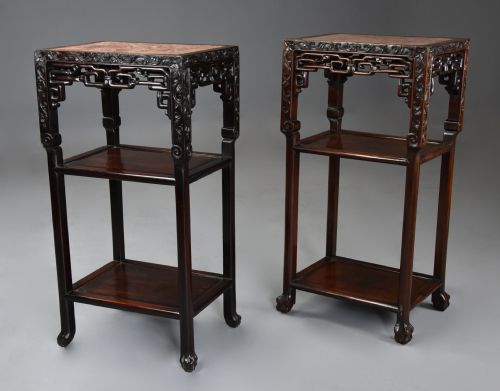
Woodworkers carved dense hardwoods such as those utilised for scholarly brush pots and freestanding pot stands, while metalsmiths hammered and chased solid silver and copper components. Artisans combined these raw elements with meticulous surface finishes, from flambé glazes to carved mother-of-pearl inlays.
Listings feature metalwork, ceramics, and hardwoods spanning the eighteenth century through the twentieth century.
Distinctions in quality
The standard of an asian antique pot rests upon the crispness of its casting, the depth of its carved detail, and the balance of its proportions. Superior examples demonstrate precise control over materials, whether through sharply defined bronze fur on lion finials or the delicate symmetry of cloisonne cells.
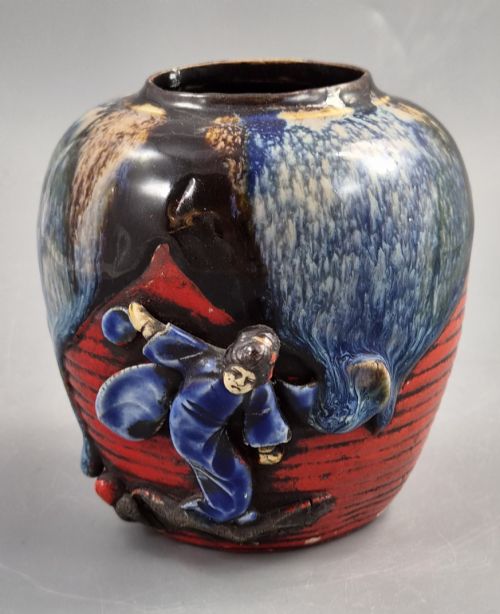
Makuzu Kozan II·Shizan·Shozan
The Asian Pot Glossary
- Censer
- A vessel designed for burning incense during ritual or domestic ceremonies. These pieces often feature tripod legs and pierced lids.
- Jardiniere
- A large decorative pot or container used for holding growing plants or floral arrangements. They appear frequently in ceramic, brass, and bronze.
- Cloisonne
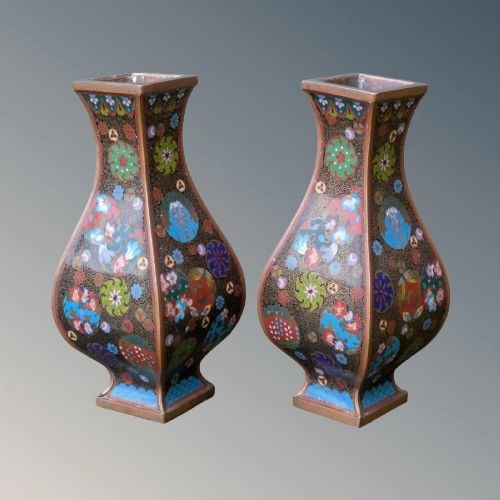
- An enamel technique where metal wire is soldered to a metal base to create compartments filled with paste and fired. This method produces intricate colourful patterns.
- Brush pot
- A cylindrical vessel traditionally kept on a scholar's desk to hold writing brushes. They are commonly carved from dense hardwood, porcelain, or bamboo.
Asian Pot: Frequently Asked Questions
How are bronze censers dated?
Experts look at the casting quality, the weight of the metal, and stylistic markers such as dragon finials or lion mask handles to determine the era. Reign marks provide a baseline, though later pieces frequently replicated earlier dynastic styles.
Patina also offers clues, as natural wear and handling over generations create distinct surface textures that modern reproductions struggle to replicate.
What was a brush pot used for?
Scholar's brush pots held calligraphy brushes upright on traditional desks in China and Japan, keeping the delicate animal hair tips safe and organised. They formed an essential part of the scholar's studio equipment alongside water vessels and inkstones.
Craftsmen carved them from materials like hardwood, porcelain, and bamboo, reflecting the refined tastes of their owners.
How do I care for cloisonne?
Keep cloisonne items out of direct sunlight to prevent the enamel colours from fading over long periods. Dust them gently with a soft, dry cloth and avoid using chemical cleaning agents or water baths.
Because the metal wires and glass paste can be sensitive to thermal shock, display them away from sudden temperature changes.
What is Satsuma ware?
Satsuma ware is a type of Japanese earthenware featuring a distinctive ivory-colored, crackle-glazed surface decorated with intricate enamels and gilding. Originating in Satsuma Province, production later expanded to urban centres like Kyoto.
Pieces often include miniature incense burners, tea bowls, and decorative jars signed by prominent studios and individual artists.