


Bronze Decorative Planter
These bronze decorative planter examples bring classical weight and rich patination to a room, offering enduring craftsmanship from past centuries.
Bronze Decorative Planter
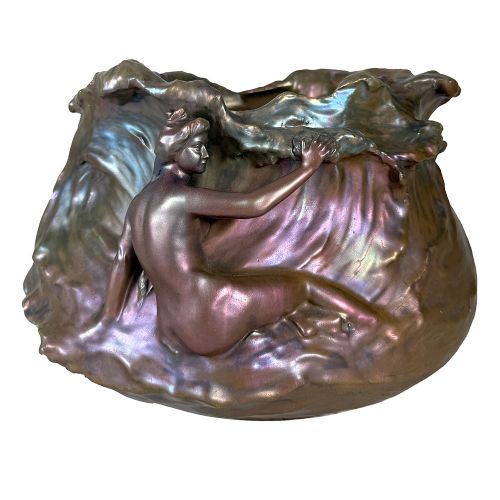
A bronze decorative planter represents a solid tradition of horticultural display and interior ornament, stretching from Georgian and Regency forms through to later Victorian and Edwardian periods. When exploring these items, buyers encounter heavy metal vessels designed to hold plants or simply stand as sculptural objects.
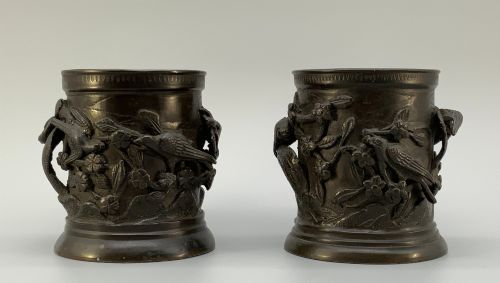
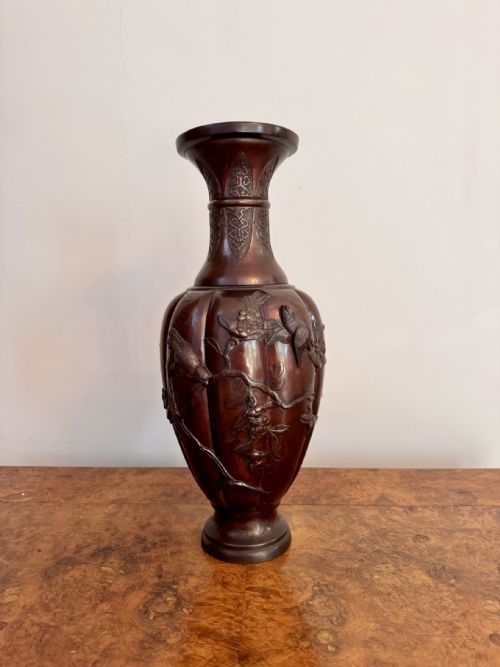
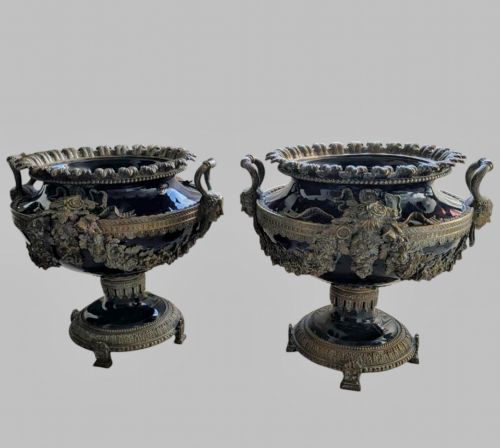
The selections span distinct cultural origins and aesthetic movements, including Japanese Meiji period pieces, Chinese bronzes, and European Grand Tour souvenirs inspired by classical antiquity. Forms range from campana urns and traditional jardinieres to specific vessel types like the Warwick vase.
European iterations frequently adopt French Rococo Revival or Louis XV styles, sometimes pairing bronze and brass with burr walnut or glazed ceramic bodies. Oriental pieces introduce intricate patination, cloisonné enamel work, and depictions of birds and blossom.
How They Were Made
Construction relies heavily on cast bronze, patinated bronze, and gilt bronze, often complemented by ormolu mounts and brass detailing. Metalworkers shaped these heavy vessels through casting and chasing, achieving varied surface textures from dark patinas to bright gilt finishes.
Certain objects integrate contrasting materials such as burr walnut timber and glazed ceramic bodies to create decorative tension. Cloisonné enamel techniques add coloured patterns directly onto metal surfaces, while Grand Tour pieces frequently emulate ancient Roman marble sculptures in cast metal.
One hefty specimen weighs over a kilogram, proving that Victorian desk pots took their metalwork seriously.
What Varies in Quality
Quality rests upon the crispness of the casting and the depth of the metalwork, distinguishing sharply rendered relief details from softer, commercially produced variants. Heavier vessels with substantial metal thickness demonstrate superior material substance.
The complexity and subtlety of the patination elevate certain examples above flat, uniform surfaces. Superior pieces display thoughtful integration of mounts, handles, and applied decoration that remain tight and properly aligned with the main body.
Barbedienne Paris
The Bronze Decorative Planter Glossary
- Bronze
- An alloy consisting primarily of copper, traditionally combined with tin, valued for its strength and suitability for detailed casting. It develops a natural surface patina over time.
- Jardiniere
- An ornamental pot or stand designed to hold plants or flowers inside a room. These vessels appear in ceramic, wood, and cast metal.
- Grand Tour
- A cultural journey undertaken by wealthy young Europeans in the eighteenth and nineteenth centuries to study classical art. Souvenirs included small-scale bronze vases and architectural models.
- Ormolu
- Gilded bronze applied as surface ornamentation on furniture and decorative objects. The technique involves treating metal with a mercury and gold amalgam.
- Cloisonne
- An ancient technique for decorating metal object surfaces using strips of metal to form compartments filled with enamel paste. Firing hardens the paste into vibrant coloured patterns.
Bronze Decorative Planter: Frequently Asked Questions
What is a bronze decorative planter used for?
These vessels serve primarily as indoor display pieces, traditionally holding potted plants or floral arrangements within principal reception rooms.
Many examples function purely as sculptural ornaments, displayed on desks, pedestals, or side tables for their form and surface finish alone.
How do I care for a antique bronze planter?
Maintenance requires gentle dusting with a soft, dry cloth to protect the historic surface patination and any delicate gilt or ormolu work.
Harsh chemical cleaners and abrasive cloths must be avoided entirely, as they strip away centuries of accumulated metal finish.
What periods do these planters come from?
The available selection spans the Georgian, Regency, and Victorian eras, alongside contemporary late nineteenth-century Japanese Meiji and Edo periods.
European pieces frequently reflect classical revival tastes, while Asian works showcase traditional craft methods from the same decades.
How can I tell a Grand Tour piece apart?
Grand Tour items directly replicate famous classical antiquities seen by travellers visiting Italy during the nineteenth century, often cast in heavy bronze.
These pieces typically take the form of miniature campana urns or known ancient vases intended as domestic mementos.