



Oriental Decorative Planter
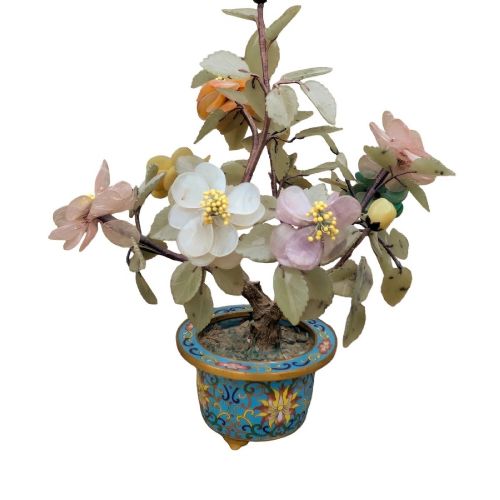
An oriental decorative planter brings botanical display into a room through cast bronze, cloisonne enamel and hardstone blossom.
Oriental Decorative Planter
When you search for an oriental decorative planter, you encounter vessels designed to hold plants, flowers or miniature trees within domestic interiors. These pieces appear in forms such as jardinieres, cachepots, planter bowls and bronze vases adapted for botanical use, spanning the Georgian, Victorian, Edo and Qing periods.
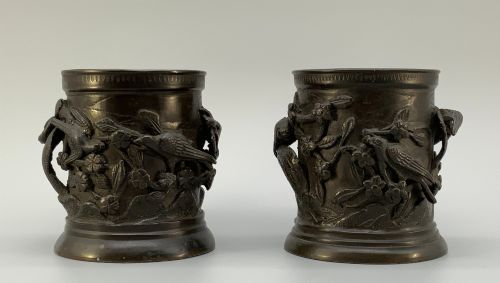
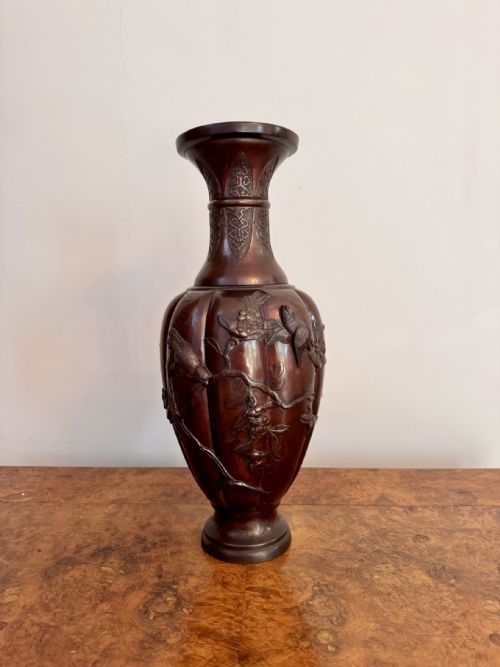
The selections on this page draw predominantly from Japanese Meiji and Chinese Qing traditions, alongside Victorian interpretations of these aesthetics. You meet heavy bronze bowls cast with birds and blossom, cloisonne enamel vessels, and porcelain cachepots alongside hardstone bonsai arrangements.
Makers such as Makuzu Kozan II emerge in Japanese stoneware, while workshops across China and Japan produced the cast bronze and cloisonne pieces that populate these listings. Forms range from small desk pots and cachepots to large jardinieres and planter tables.
How they were made
Artisans constructed these planters using metals such as bronze, brass and patinated bronze, often shaped through casting and surface hand-finishing. Cloisonne enamel pieces incorporate thin metal wires soldered to a base to form cells, which craftsmen filled with coloured glass paste before firing and polishing.
Pottery and stoneware vessels utilise traditional ceramic techniques, incorporating blue and white glazes or famille rose enamel decoration. Hardstone elements including jade and quartz are carved and set into compositions depicting trees and flowers within the planter bowls.
Listings feature bronze, brass, cloisonne enamel, porcelain, jade and quartz across Victorian, Georgian, Meiji and Qing periods.
What varies in quality
The calibre of a planter rests upon the crispness of the casting in bronze examples and the precision of the wirework in cloisonne pieces. Superior vessels display deeply chiselled surface detail on birds and foliage, whereas simpler items rely on basic cast motifs without secondary hand-tooling.
Material selection divides the range, distinguishing vessels mounted with genuine hardstone jade and quartz from standard ceramic or brass alternatives. The presence of a recorded maker, such as Makuzu Kozan II, elevates the standing of a stoneware jardiniere above uncredited production.
Makuzu Kozan II
The Oriental Decorative Planter Glossary
- Jardiniere
- A large ornamental pot or bowl designed to hold growing plants or flowers. These vessels sit directly on furniture surfaces or dedicated planter tables.
- Cachepot
- An ornamental flowerpot cover intended to conceal a plain plant pot underneath. The term translates from French as hide pot.
- Cloisonne
- An ancient technique for decorating metal vessel surfaces using wire compartments. Artisans fill these spaces with enamel paste and fire the piece.
- Famille Rose
- A palette of opaque rose-pink enamel colours introduced to Chinese ceramics during the Qing Dynasty. This style characterises specific Canton export wares.
- Meiji Period
- A historical era in Japan lasting from 1868 to 1912, marked by significant artistic output in bronze and stoneware. Pieces from this time frequently feature naturalistic bird and blossom motifs.
Oriental Decorative Planter: Frequently Asked Questions
What is an oriental decorative planter used for?
These vessels serve primarily to display botanical elements such as flowers, potted plants and hardstone bonsai trees inside domestic rooms. They function as centrepieces on tables, desks and specialised plant stands.
Historically, they allowed homeowners to bring natural forms indoors within decorative ceramic, bronze and cloisonne containers. Today, they continue to serve as decorative containers or stand alone as sculptural objects.
How do I tell Japanese and Chinese pieces apart?
Japanese pieces frequently date from the Edo or Meiji periods and often showcase cast bronze or stoneware with naturalistic bird and blossom motifs. Chinese items often display Qing Dynasty characteristics, including Canton famille rose enamels or intricate cloisonne work.
Examining the specific materials, such as Satsuma pottery or hardstone jade configurations, helps clarify the regional origin of each planter.
What materials were used to make them?
Craftsmen utilised a range of materials including bronze, patinated bronze, brass, cloisonne enamel and iron. Ceramic versions incorporate stoneware, porcelain and satsuma pottery.
Detailing is often enhanced with hardstone elements such as jade and quartz, alongside wooden stands and ebonised furniture supports.
How do I care for an antique planter?
Dust bronze and metal surfaces gently with a dry cloth, avoiding harsh chemical polishes that can remove patination. Protect enamel and ceramic finishes from moisture damage by using a plastic liner inside the vessel if holding live plants.
Place the planter away from direct sunlight to preserve the colours of enamels and hardstone decorations.