

Oriental Painted Pottery
Oriental painted pottery brings ancient tradition and intricate hand-painted detail into a room through surviving vessels and figures from diverse Asian periods.
Oriental Painted Pottery
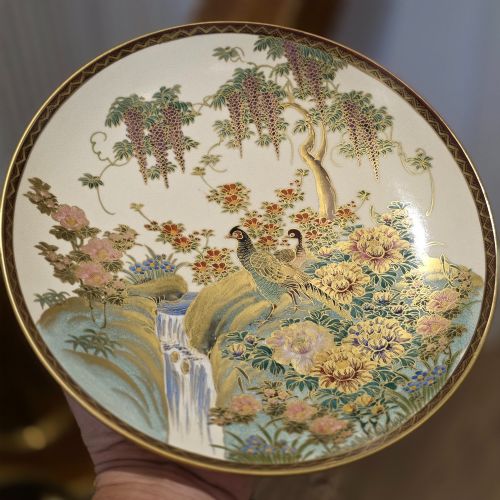
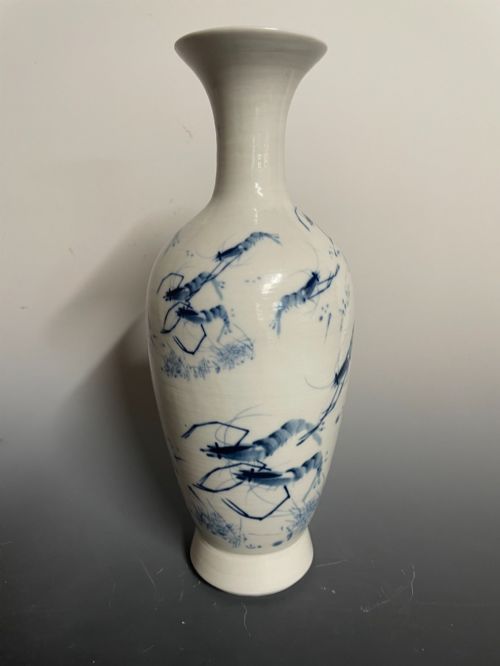
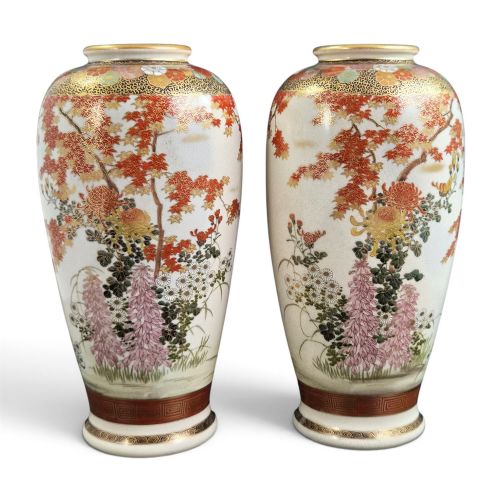
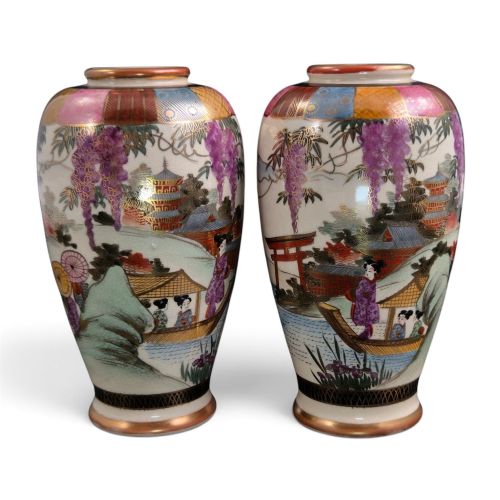
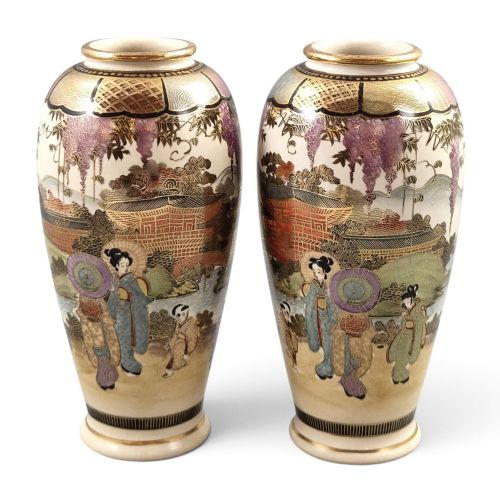
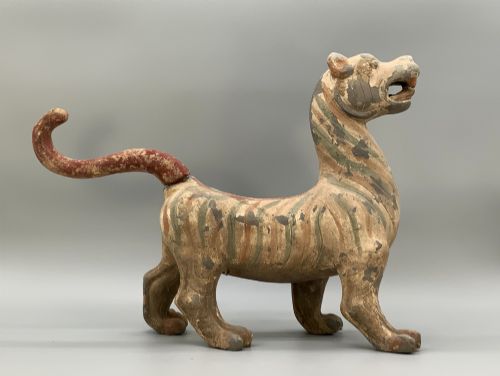
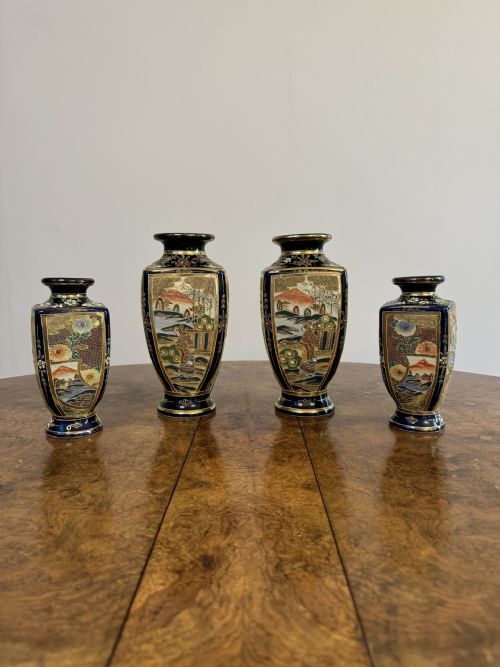
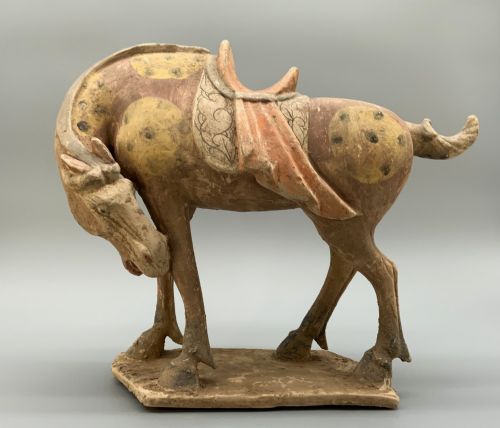
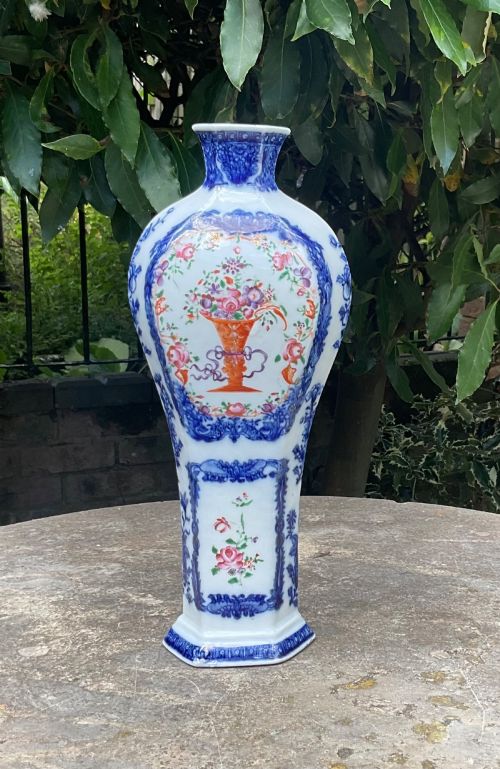
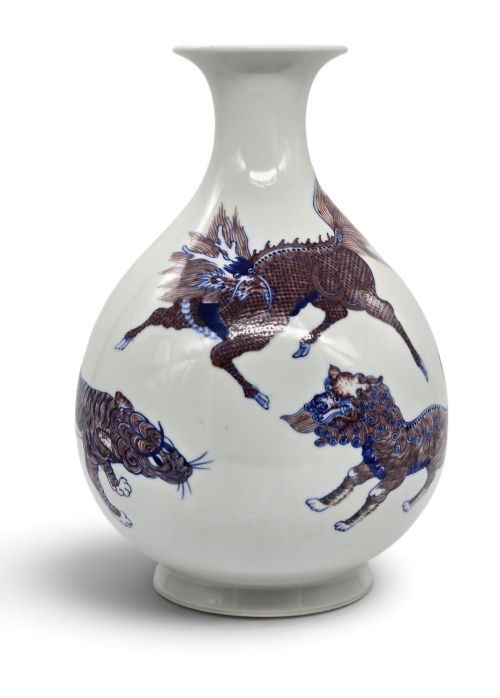
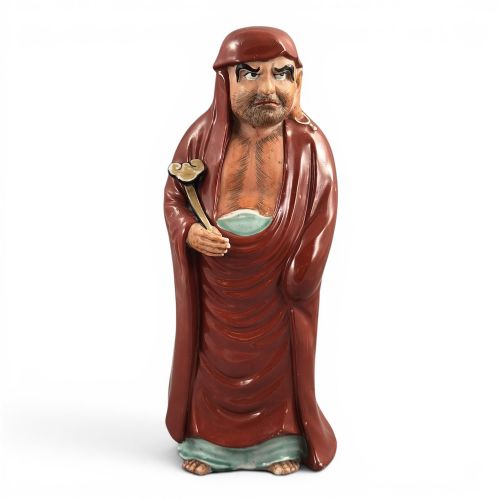
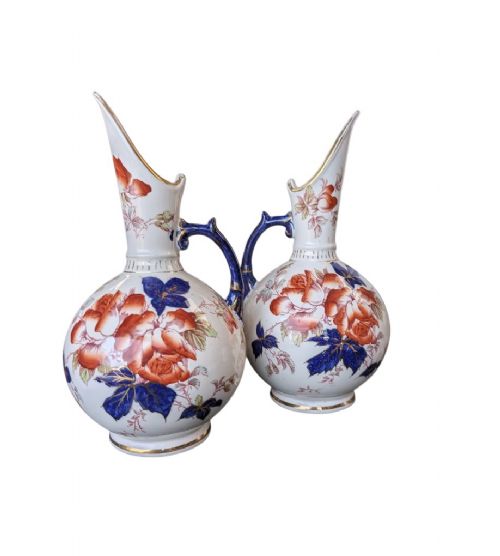
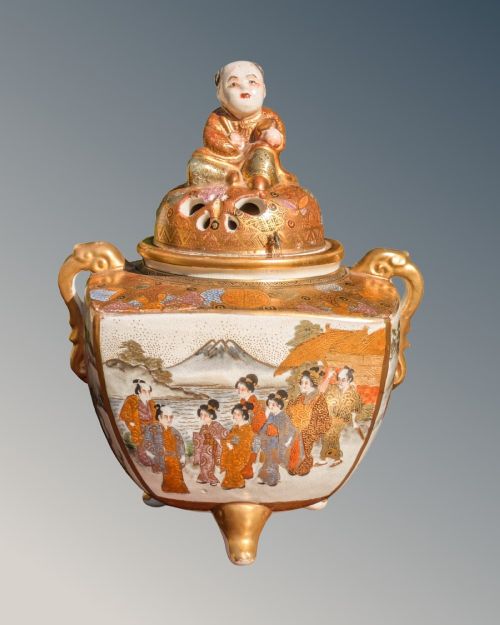
Oriental painted pottery encompasses ceramic objects decorated with hand-applied pigments, ranging from ancient archaeological tomb figures to decorative vessels from later imperial and Meiji periods. The selection on this page leans heavily towards Japanese Satsuma earthenware, Kutani and Imari porcelain, alongside Chinese ceramics spanning the Han Dynasty to the Qing period.
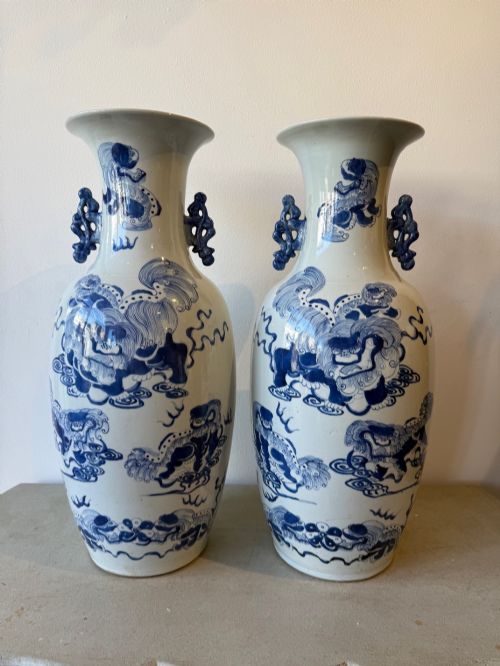
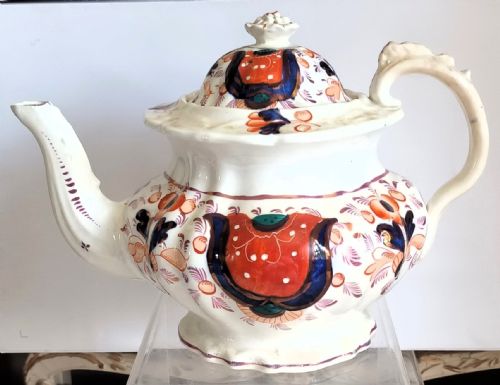
Buyers encounter various forms including vases, bowls, plates, jars, and figurative sculptures such as mythical beasts and guardians. Many of these pieces originate from specific Japanese workshops or Chinese kilns operating during the nineteenth and early twentieth centuries.
Materials and construction
Potters shaped these objects from earthenware, terracotta, or porcelain, applying mineral pigments, enamel, and glaze before firing. Artisans frequently added surface embellishments such as gold leaf and gilt details over cobalt or coloured glazes.
Many items required multiple kiln firings to set the underglaze painting and the overglaze enamels securely. Hand-painting techniques varied from delicate floral brushwork to detailed figurative narratives depicting landscapes and mythical creatures.
Materials range from simple earthenware and terracotta to refined porcelain decorated with cobalt glaze, gold leaf, and enamel.
Assessing quality and execution
The refinement of the hand-painted brushwork dictates the visual distinction of a piece, separating mass-produced items from finely detailed studio outputs. Precision in facial expressions, symmetry in vessel forms, and control over enamel application reveal the skill of the original maker.
The integration of decorative elements such as gold leaf and raised enamels affects the overall presence of the object. Pieces carrying identifiable workshop signatures or artist marks generally reflect greater care in execution and material selection.
Koshida·Maruni Kobe·Shozan·Toshozan·Manpei·Kozan
The Oriental Painted Pottery Glossary
- Satsuma
- A type of Japanese earthenware featuring a crackled ivory glaze decorated with polychrome enamels and gilt. It gained significant popularity during the Meiji period for export markets.
- Imari
- Japanese porcelain decorated in underglaze blue, iron red, and gold, named after the port from which these goods were shipped. This palette became widely imitated across the globe.
- Famille rose
- A principal palette of Chinese porcelain ceramics introduced in the Qing dynasty, characterised by opaque pink enamel derived from colloidal gold. It allowed for subtle tonal gradations in floral and figurative scenes.
- Kutani
- Japanese porcelain and pottery known for bold painted designs, often utilising strong greens, blues, yellows, and purples alongside red and gold. These wares range from tableware to large decorative figures.
- Mingqi
- Chinese spirit or tomb figurines placed in burials to accompany the deceased, dating back to early dynasties such as the Han. They provide archaeological insight into ancient dress, animals, and architecture.
Oriental Painted Pottery: Frequently Asked Questions
How do I date oriental painted pottery?
Dating relies on stylistic markers, kiln marks, and the specific material composition associated with known historical eras such as the Meiji period or Qing dynasty. Examining the base, glaze characteristics, and signature styles helps narrow the period of manufacture.
Changes in export regulations and workshop practices across the nineteenth and early twentieth centuries provide further clues for chronological placement.
Are these pieces suitable for daily use?
Most antique ceramic pieces listed function primarily as decorative items rather than practical tableware. Fragile overglaze enamels and delicate gold leaf details can wear down with frequent handling or washing.
Displaying them securely away from high-traffic areas ensures the preserved pigments and glazes remain intact for years to come.
What is the difference between earthenware and porcelain?
Earthenware is a porous, lower-fired ceramic body that requires a glaze to become impermeable to liquids, as seen in traditional Satsuma wares. Porcelain uses refined clay fired at much higher temperatures, producing a vitreous, non-porous material that rings when struck.
Porcelain items like Imari plates and blue and white vases offer a harder surface compared to the softer, opaque bodies of earthenware.
Why do some pieces feature artist signatures?
Master ceramists and prominent workshops signed their finished works using painted or impressed marks to denote quality and origin. These signatures often name the studio, the individual artist, or reference historical Chinese dynasties as an homage.
Identifying these marks helps collectors connect specific vases and bowls to renowned production centres in Kyoto, Kobe, or Jingdezhen.