

Gilt Painted Ceramic Urns
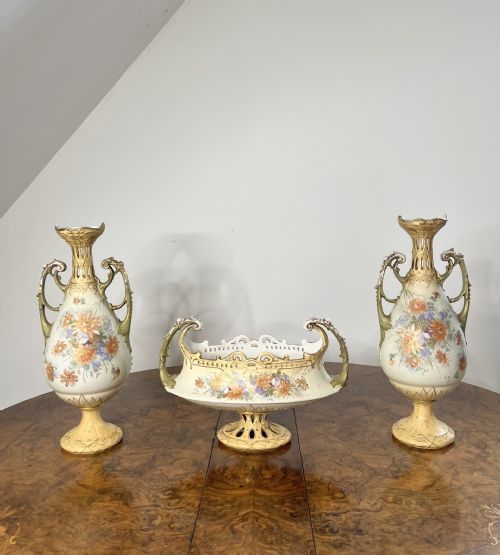
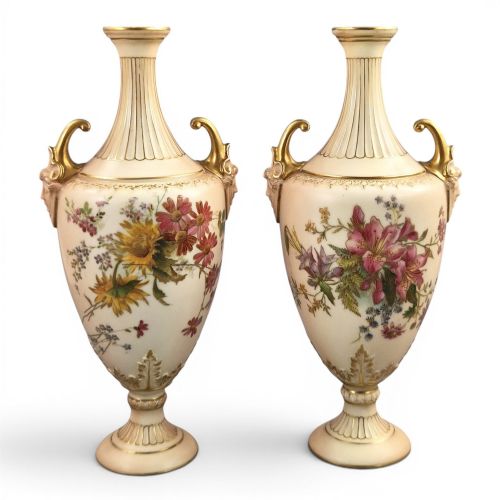
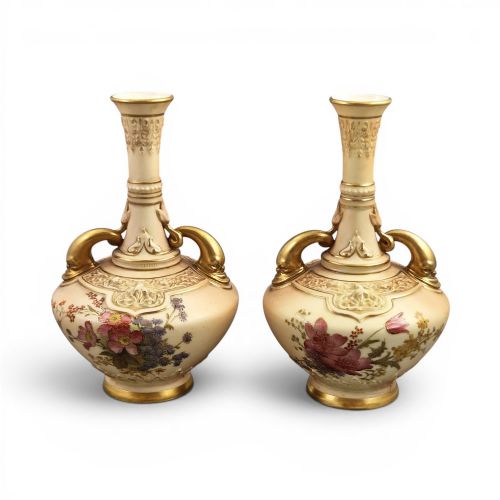
These gilt painted ceramic urns combine classical vessel forms with rich metallic decoration across various European and Japanese traditions.
Gilt Painted Ceramic Urns
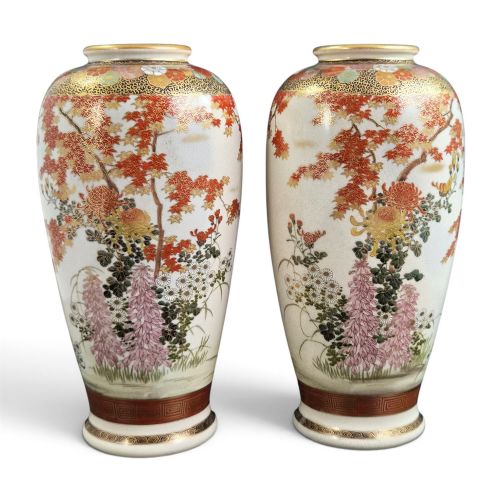
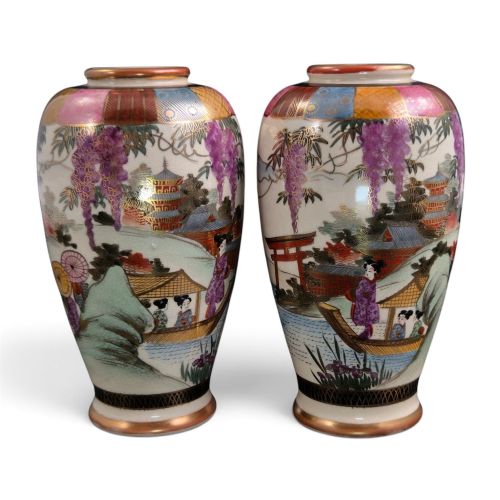
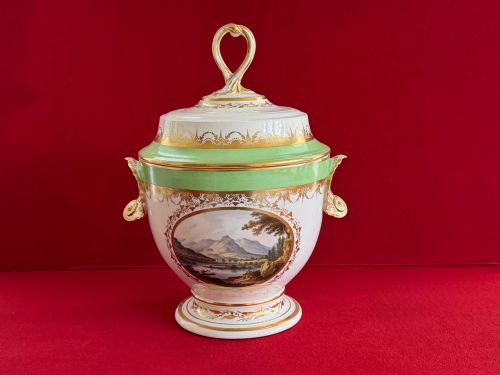
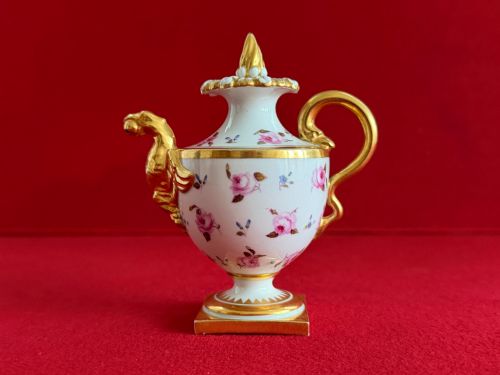
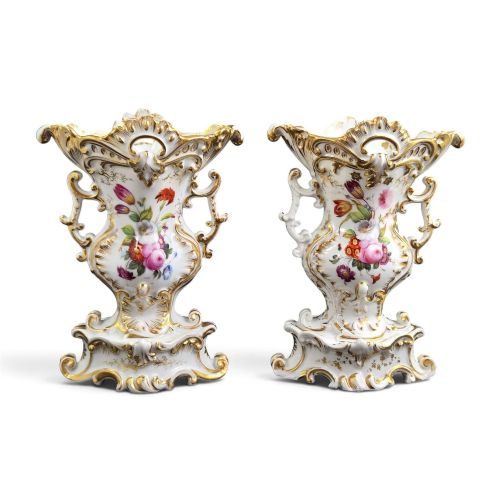
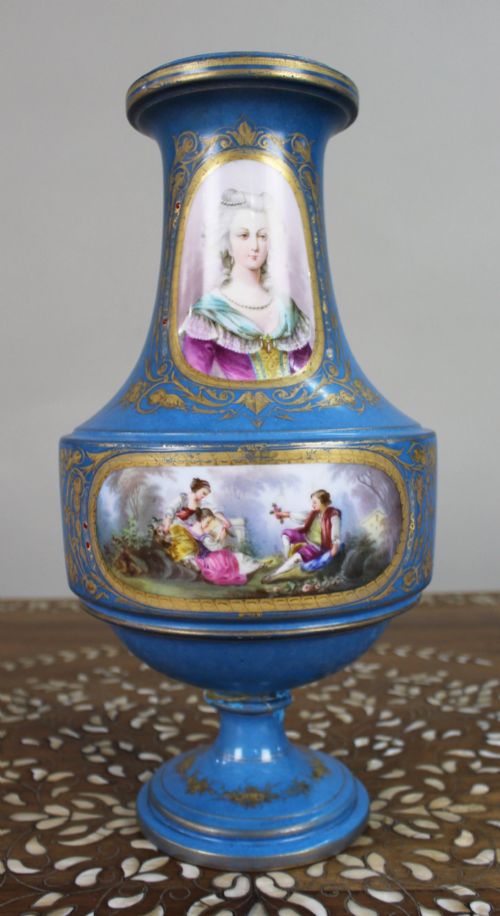
When you search for gilt painted ceramic urns, you encounter a diverse group of ornamental vessels spanning several centuries and geographic origins. These pieces range from substantial English campagna urns and French rococo porcelain to Japanese Satsuma and Kutani vases adapted into urn forms.
English works from Worcester, Derby, and Coalport sit alongside continental productions from Sèvres, Paris, and Dresden. Japanese makers provide an alternative tradition of intricate earthenware and porcelain painted with gold leaf.
Materials and Construction
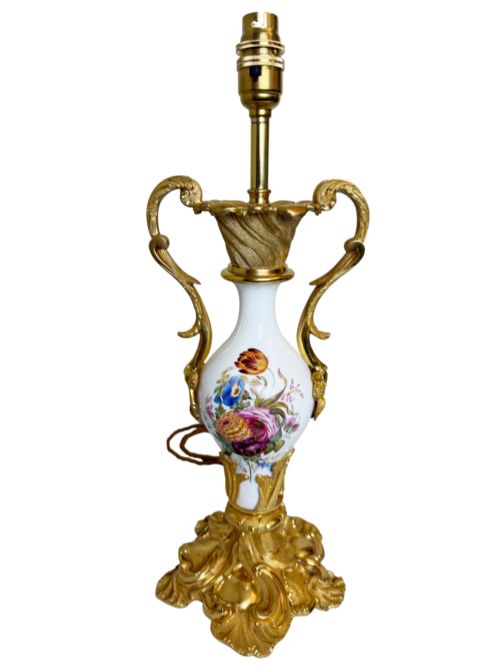
The physical foundation relies on hard-paste or soft-paste porcelain, earthenware, and occasionally gilt bronze mounts. Potters shaped these materials on wheels or cast them in moulds before applying initial ceramic pigments and glazes.
Decoration involves hand-painted enamel scenes, floral motifs, and landscapes executed over or under the glaze. Artisans then applied gold leaf, liquid gold, or gilding to highlights, handles, rims, and borders, subsequently firing the pieces to fix the metallic sheen.
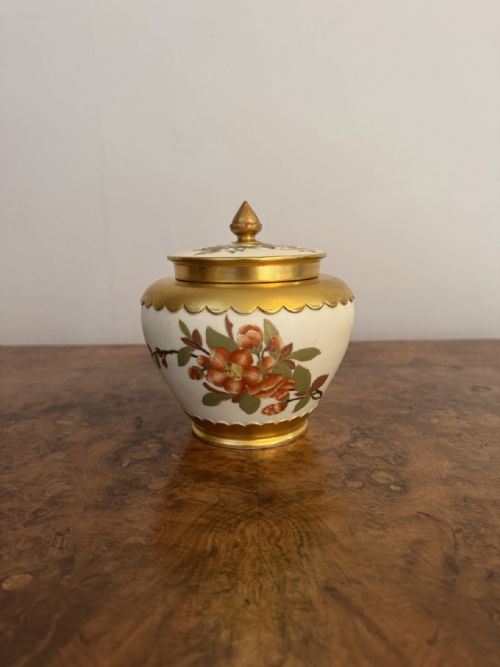
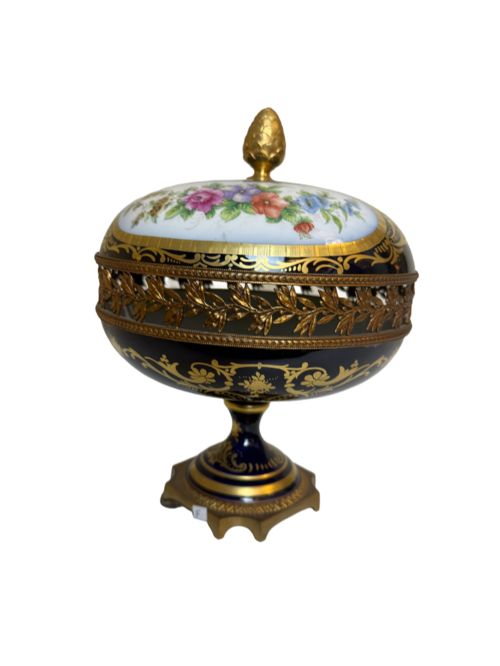
Several Victorian lidded urns were originally designed just to hold dried rose petals and spices.
Evaluating Quality and Execution
Superior examples display precise hand-painted artistry by named artists or recognised studios rather than transfer-printed patterns. The delicacy of the brushwork in figural scenes or botanical studies distinguishes high-tier productions.
The application and burnishing of the gold leaf or gilt paint dictate visual depth. Thick, richly burnished gold that retains its lustre indicates careful workshop execution from major porcelain houses and Meiji period masters.
Royal Worcester·Flight Barr And Barr·Samson Paris·Helena Wolfsohn
The Gilt Painted Ceramic Urns Glossary
- Campagna Urn
- A classical bell-shaped vessel with a footed base and flared rim, popular in Regency and Victorian decorative schemes.
- Bleu Céleste
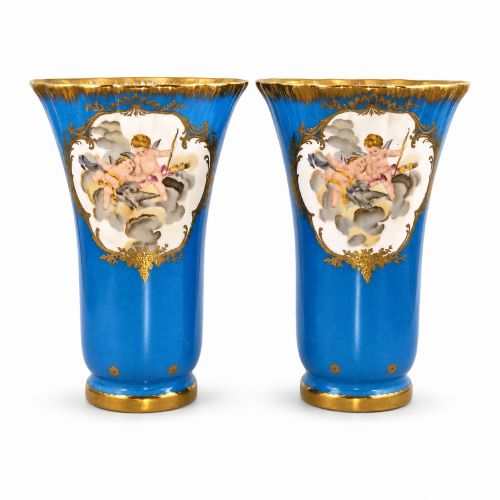
- A vibrant turquoise blue ground colour developed at the Sèvres porcelain factory and widely imitated across Europe.
- Satsuma
- Japanese earthenware featuring a crackled creamy glaze decorated with polychrome enamels and extensive gilt highlights.
- Potpourri
- A lidded vessel perforated to diffuse scent from dried organic materials placed within the body.
- Gilding
- The application of gold leaf or powdered gold mixture to ceramic surfaces for decorative emphasis.
Gilt Painted Ceramic Urns: Frequently Asked Questions
How do I identify a reproduction?
Examine the weight, glaze consistency, and application of the gilding under magnification. Hand-painted details show minute brush variations absent in modern printed copies.
Check the base for factory marks, artist signatures, or studio stamps that correspond to known historical periods.
Were these urns used outdoors?
These ceramic vessels were strictly intended for interior display on mantelpieces, pedestals, or tables. Their delicate porcelain and earthenware bodies, combined with surface gilding, make them unsuitable for garden use.
They served as decorative centrepieces or functional containers for potpourri and flowers within wealthy households.
How should I clean gilded porcelain?
Dust the surface gently with a soft, dry ostrich feather brush or microfibre cloth. Avoid all water, liquid cleaners, or abrasive cloths, which can permanently strip the delicate gold leaf and enamel paint.
Professional restoration is recommended if structural repairs or deep cleaning become necessary.
What is the difference between Satsuma and porcelain?
Satsuma pieces are constructed from earthenware with a distinctive absorbent, crackled ivory glaze that takes gold paint exceptionally well. Porcelain is a vitrified, non-porous ceramic fired at much higher temperatures.
Japanese Satsuma originates from regional studios, while European porcelain comes from established royal and private factories.