


Oriental Metalwork Statue
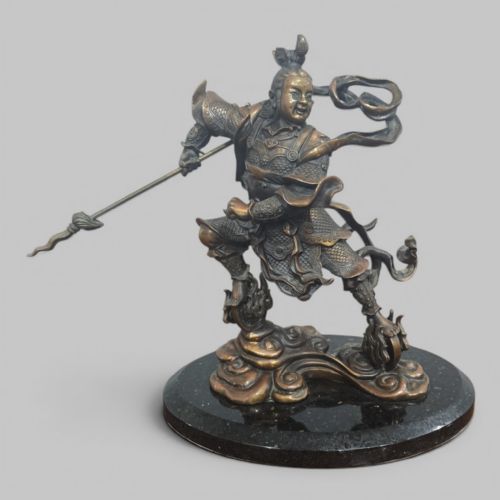
An oriental metalwork statue brings centuries of distant craftsmanship into a room, offering tactile presence through cast bronze and detailed patination.
Oriental Metalwork Statue
An oriental metalwork statue encompasses cast and chased figures originating from diverse traditions across Asia, spanning religious iconography to secular animal studies. Buyers searching for an oriental metalwork statue encounter devotional deities alongside finely observed depictions of fauna and scholars.
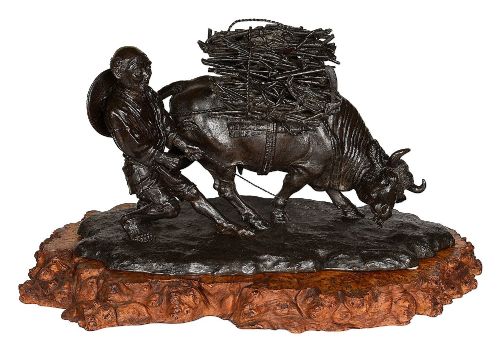
The selection on this page draws heavily from Japanese Meiji period okimono, Tibetan Buddhist shrines, and Chinese imperial metalwork. These pieces range from intimate desktop animal figures to substantial temple guardians cast in heavy bronze or brass.
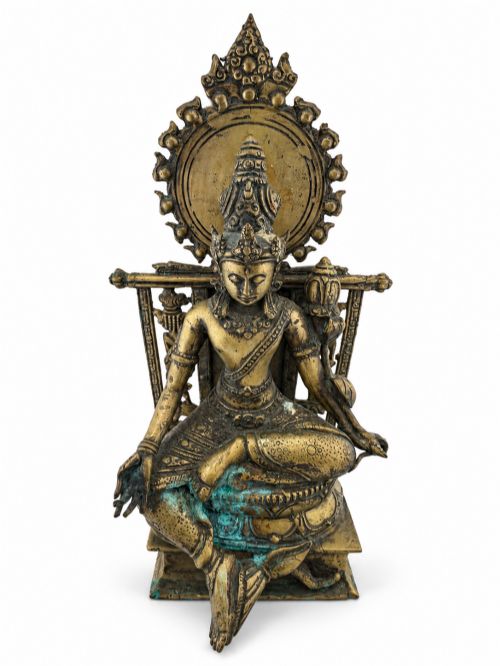
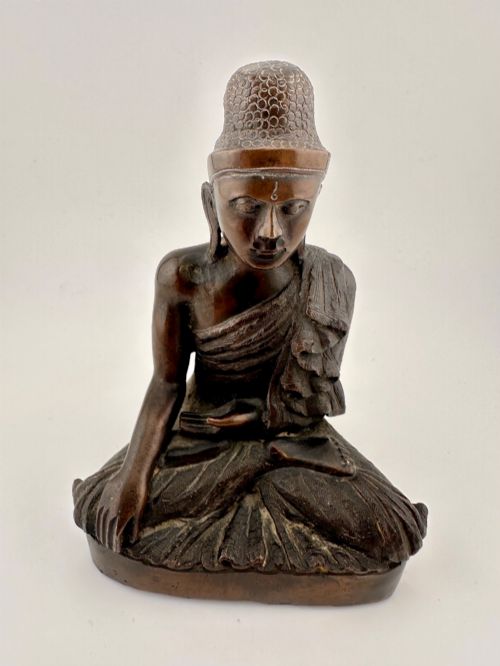
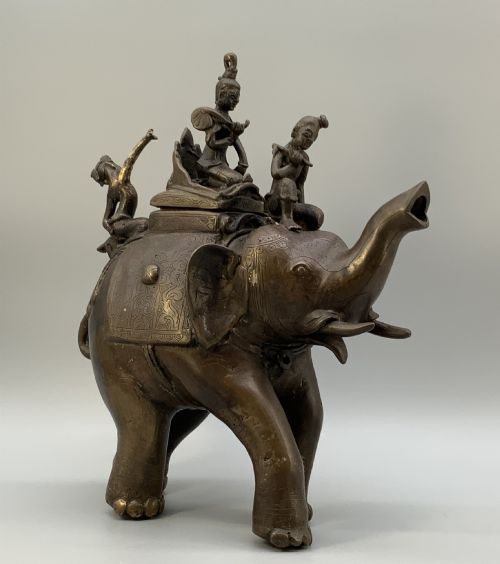
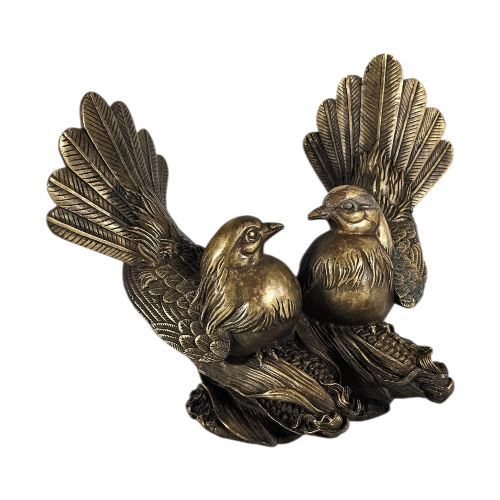
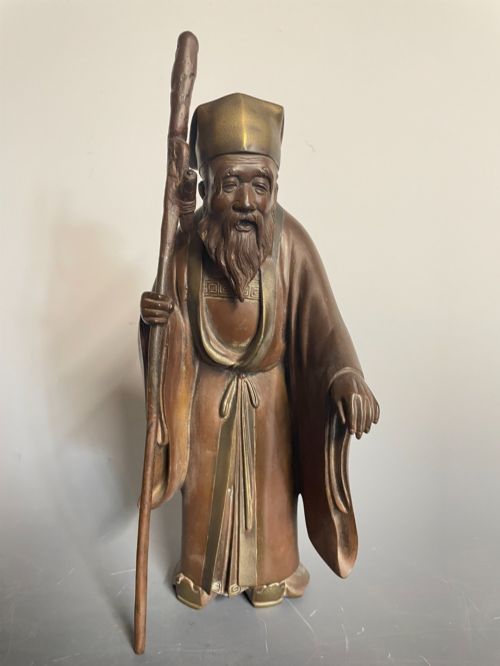
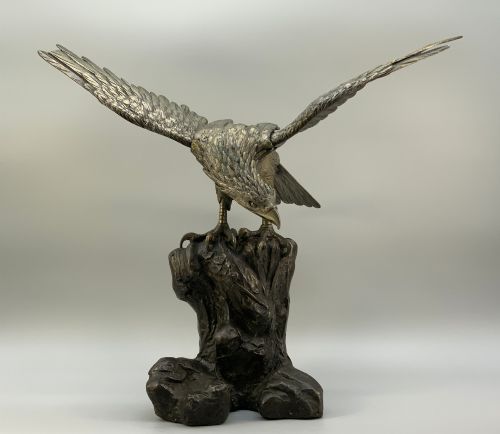
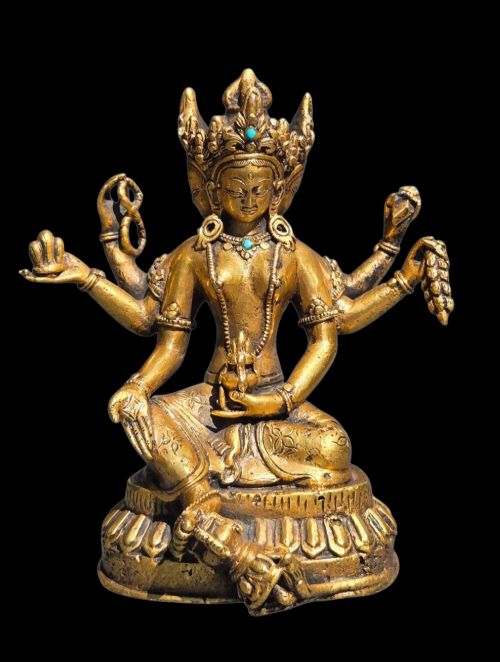
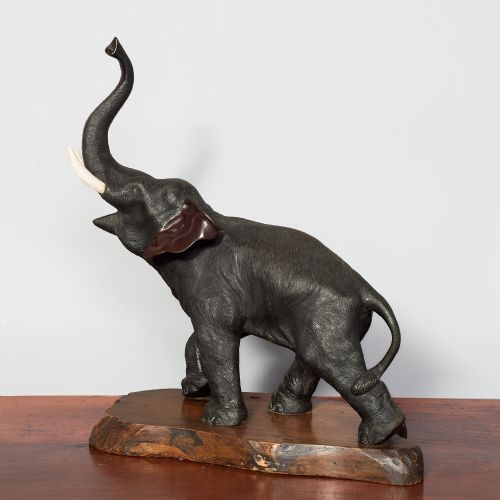
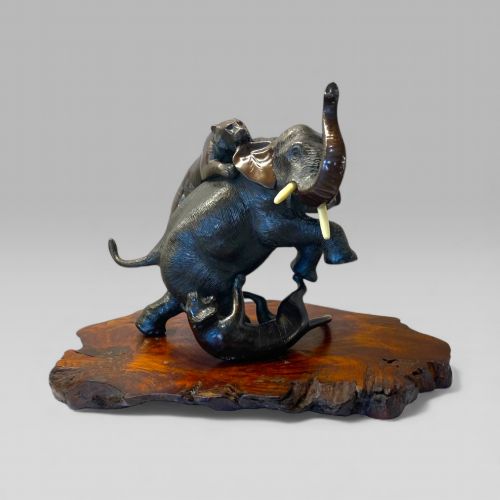
Religious subjects include seated Buddhas, multi-armed deities, and figures of Guanyin alongside fierce temple lions and demon forms. Secular works celebrate the natural world through lifelike studies of birds, elephants, and monkeys created during the late nineteenth and early twentieth centuries.
How they were made
Foundries utilised lost-wax casting methods to achieve complex geometries, allowing artisans to capture intricate details like feathers, fur, and ornate drapery. Molten bronze, brass, or copper flowed into moulds before undergoing extensive hand-chasing and finishing.
Surface treatment defines many of these works, employing patinated finishes, chemical colouring, and selective gilding or silvering. Some pieces incorporate mixed metals, bone, or stone inlays such as turquoise to accent eyes, garments, and decorative attributes.
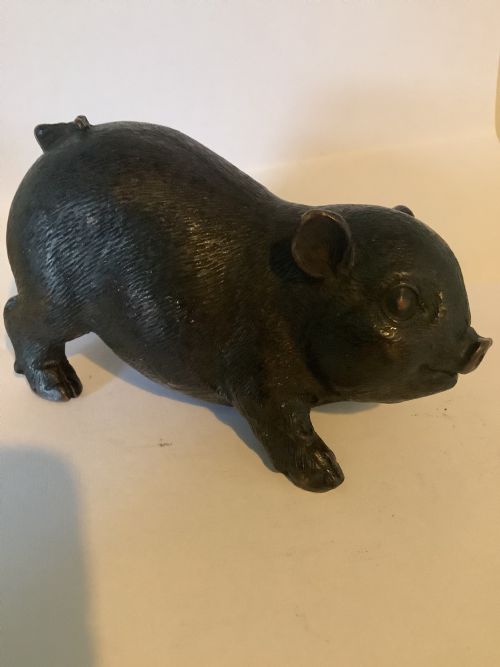
Listings feature numerous nineteenth-century Japanese bronze okimono depicting animals such as elephants, tigers, and monkeys alongside religious figures from Tibet and China.
What varies in quality
Subtlety of hand-finishing and anatomical precision separate standard foundry output from masterworks produced by renowned makers and workshops. Superior casting retains crispness in surface textures without relying on heavy post-casting filing or obscuring detail.
Artistic ambition dictates value, distinguishing mass-produced decorative items from animated compositions featuring complex multi-figure interactions. The depth of patination and the integrity of applied mixed-metal elements further determine the stature of a piece.
Jomi Eisuke·Kunio Itô·Sakai Kōzan·Tsunemitsu
The Oriental Metalwork Statue Glossary
- Okimono
- A Japanese term for a decorative object or sculpture meant for display on a shelf or in a tokonoma alcove. These pieces often depict animals, figures, or genre scenes.
- Patinated bronze
- Bronze that has been treated with chemical solutions to produce a specific surface colour or aged finish. This process enhances the visual depth and highlights relief details.
- Cloisonne enamel
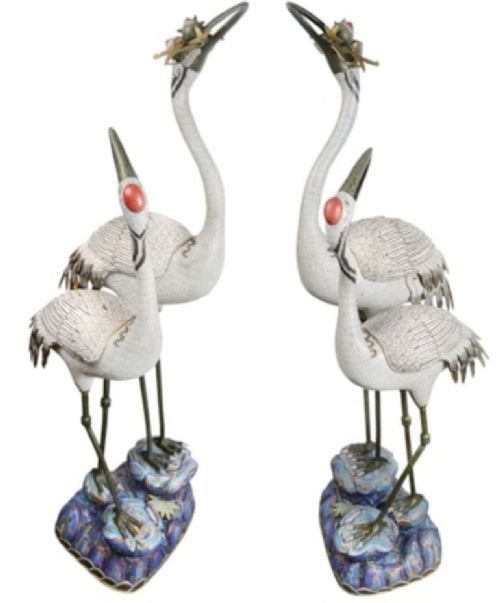
- A technique where metal wires are soldered to a metal base to create cells, which are then filled with vitreous enamel paste and fired. This method produces vibrant decorative patterns on vessels and sculptural forms.
- Shakudo
- A Japanese billon alloy of copper with a small amount of gold, treated to develop a rich dark blue-black or purple patina. It appears frequently in traditional metalwork details.
- Lost-wax casting
- A metalworking process where a molten metal is poured into a mould that has been created by means of a wax model. This ancient technique permits the execution of undercuts and fine details.
Oriental Metalwork Statue: Frequently Asked Questions
How were these statues used?
Many religious statues served as focal points for meditation, prayer, or offerings within household shrines and temples. They were placed on altars to honour deities such as the Buddha, Guanyin, or Tara.
Secular figures functioned as refined interior ornaments intended for display in studies, parlours, or traditional alcoves. Collectors prized them for their lifelike representation of animals and human figures.
How do I care for bronze?
Bronze statues require minimal intervention, needing only gentle dusting with a soft, dry brush or cloth. Avoid using liquid cleaners, polishes, or abrasive cloths that can strip the historic patina.
Keep the metal away from damp environments and direct heat sources to prevent chemical reactions on the surface. Stable indoor humidity preserves the original finish.
How do I identify a Meiji period piece?
Meiji period metalwork often displays exceptional naturalism, particularly in depictions of animals, birds, and scholars. These pieces frequently feature signature plaques or foundry marks cast into the base.
The use of complex patination, mixed-metal inlay, and dynamic movement points toward late nineteenth and early twentieth-century Japanese production.