
Oriental Lacquered Cabinet
An oriental lacquered cabinet brings deep pigment and historic narrative into a room, offering both decorative presence and practical storage.
Oriental Lacquered Cabinet
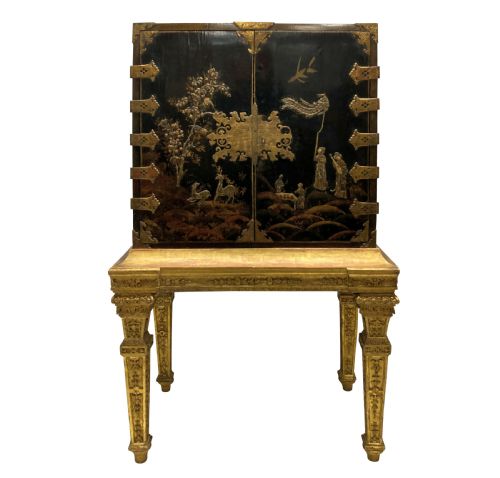
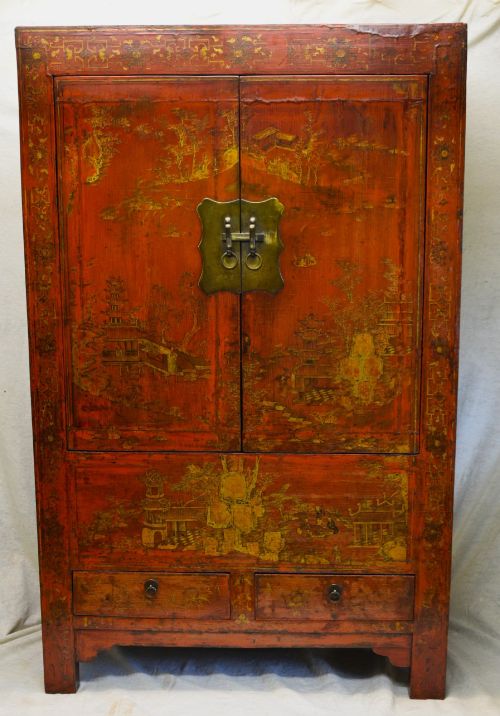
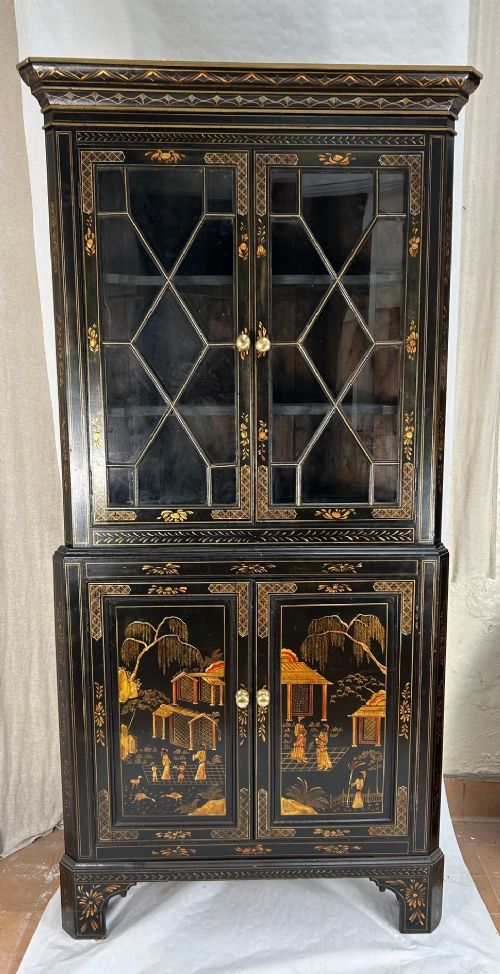
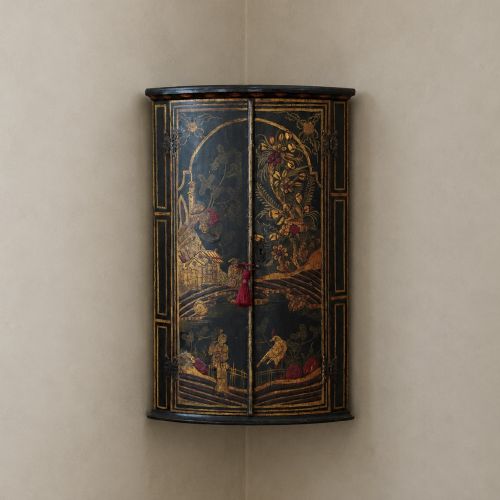
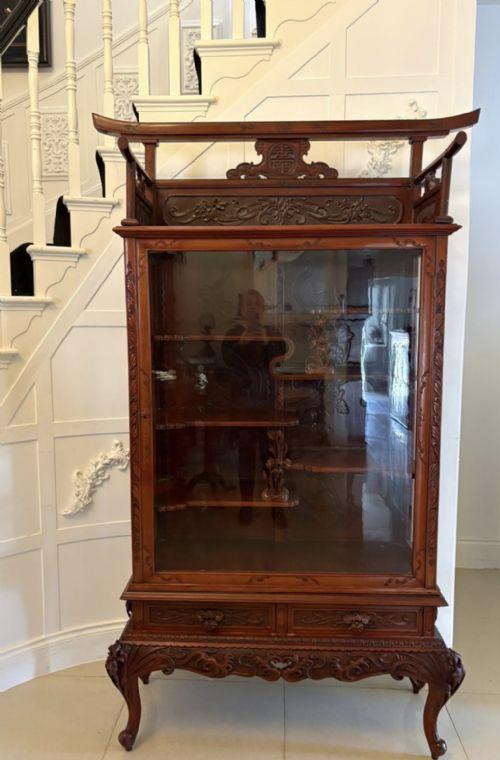
When you search for an oriental lacquered cabinet, you encounter a diverse group of storage pieces that span centuries of craftsmanship from China, Japan, and European interpretations. These items include tall wedding armoires, tabletop jewellery boxes, corner cupboards, and elaborate storage chests on stands.
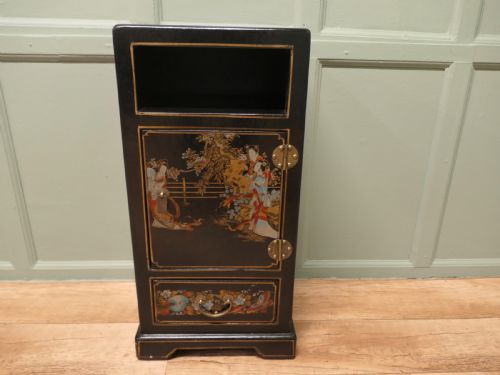
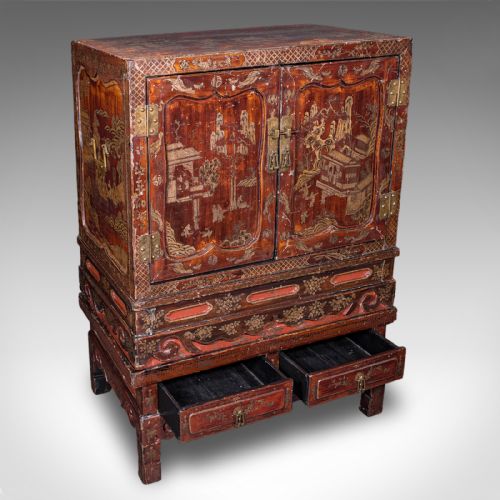
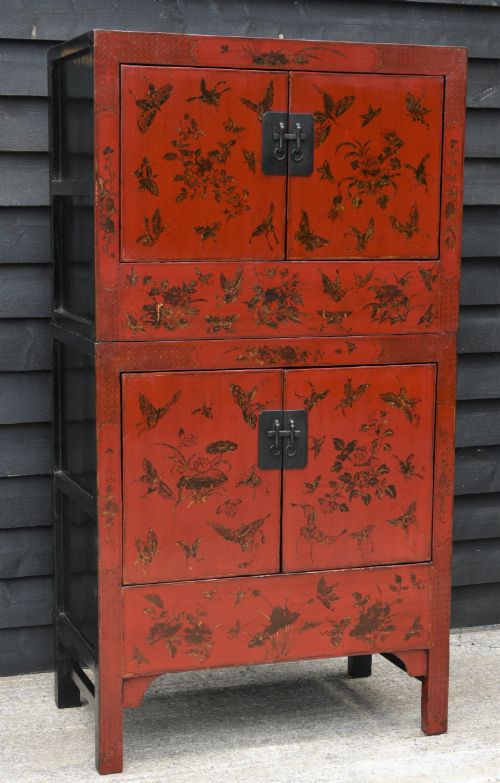
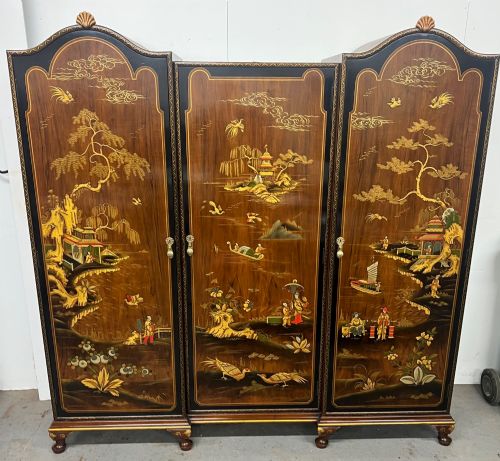
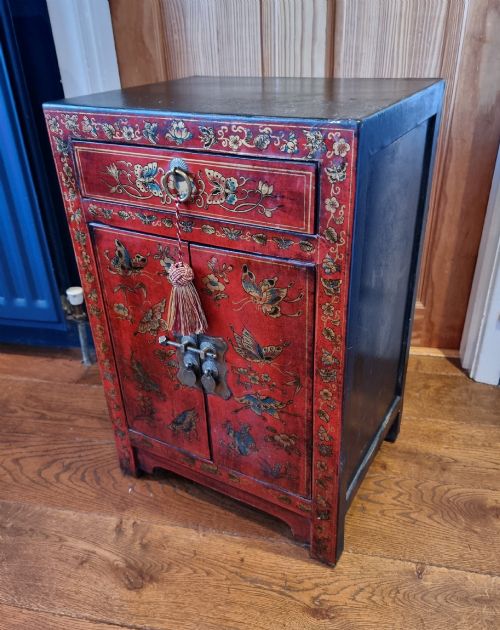
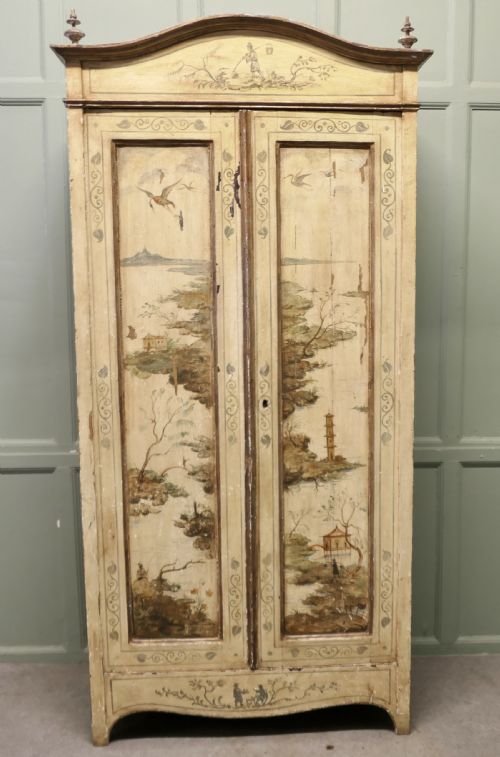
The version you are most likely to meet on this page is the nineteenth century Chinese marriage cabinet or the British Chinoiserie cupboard produced during the Edwardian era or the interwar decades. These pieces demonstrate how makers combined functional storage with narrative painted surfaces.
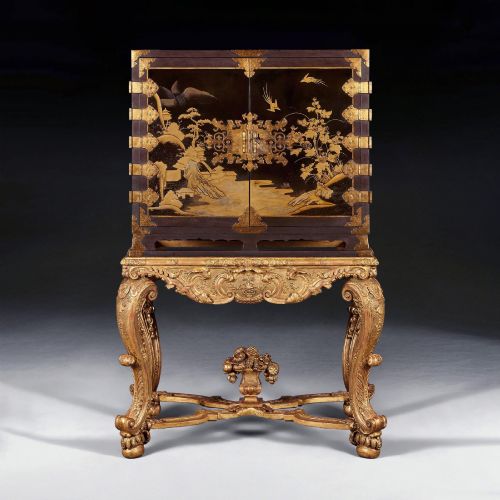
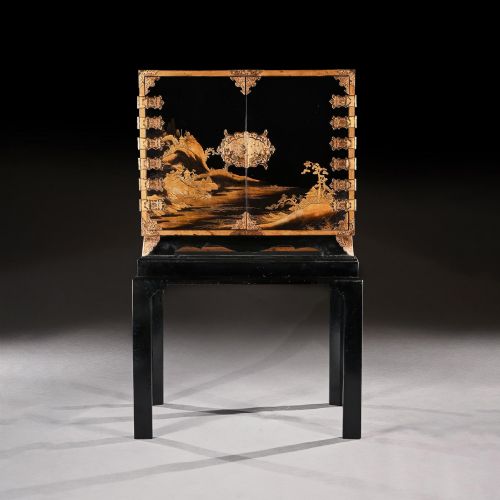
Earlier examples, dating to the seventeenth and eighteenth centuries, often feature European stands supporting imported Japanese panels or domestic Japanned surfaces. They range from diminutive campaign items to large display furniture designed to showcase status.
Materials and Technique
Makers built these pieces using native hardwoods, pine, or elm as a stable foundation for the complex layers of resin and pigment. Applied lacquer required meticulous drying and polishing between coats to achieve a hard, lustrous finish.
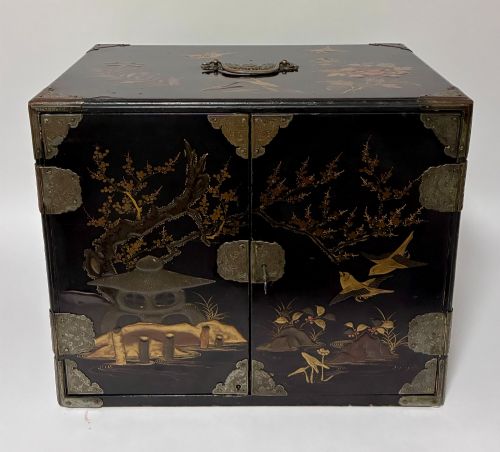
Surface decoration frequently relied on gold leaf and fine gilt work to depict outdoor scenes, figures, and botanical motifs against black, red, or cream backgrounds. Brass and iron hardware, including decorative hinges and lock plates, provided structural reinforcement and visual contrast.
Listings feature items spanning the seventeenth to the mid-twentieth century, employing lacquer, brass, hardwood, and gold leaf across diverse forms.
Evaluating the Range
The distinction between standard domestic storage and exceptional pieces rests on the depth of the lacquer layers and the finesse of the hand-painted details. Superior examples display intricate pictorial narratives with precise gold leaf application that remains crisp across panels and doors.
The integrity of the underlying timber and the originality of the hardware also determine the standing of a piece. Cabinets that retain their original stands, mounts, and surface pigment command greater attention than those with extensive later restorations or replaced components.
Maples and Co.
The Oriental Lacquered Cabinet Glossary
- Japanned
- European imitation of East Asian lacquerwork produced by applying layers of varnish and metallic dust. Artisans in Britain and Europe utilised this technique to decorate corner cupboards and side cabinets.
- Kodansu
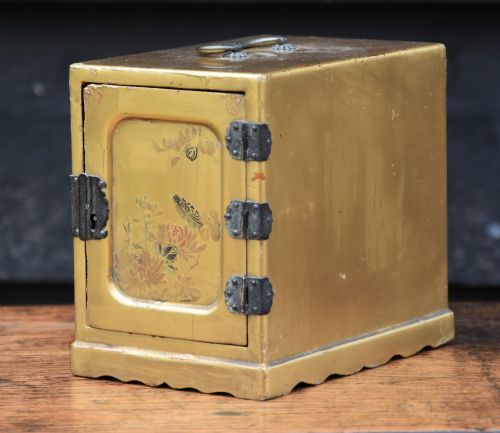
- Traditional Japanese small cabinet or chest with multiple drawers and internal compartments. These portable pieces frequently incorporate intricate gilt lacquer and fine metal fittings.
- Marriage Cabinet
- Large traditional Chinese storage piece presented to brides as part of dowries. They typically feature bold red or black lacquer and prominent brass hardware.
Oriental Lacquered Cabinet: Frequently Asked Questions
How were these cabinets used historically?
These pieces served practical storage functions, from holding household linens and wedding garments to housing medicines in multi-drawer apothecary chests. Table cabinets and smaller boxes protected precious documents and jewellery.
Larger standing versions acted as statement furniture in formal rooms, displaying status and a taste for exotic global trade goods.
What is the difference between Chinese and Japanese pieces?
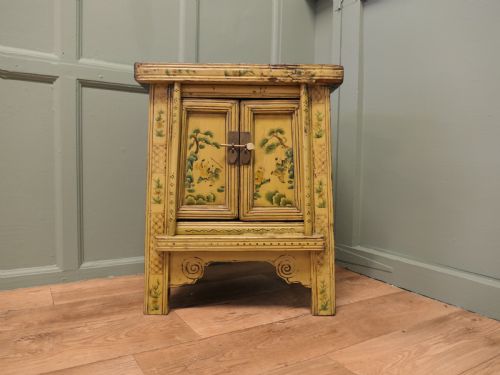
Chinese examples on this page often emphasise bold red or black pigments with pictorial marriage motifs, elm structures, and prominent brass hardware. They tend toward architectural symmetry and robust utility.
Japanese items frequently showcase intricate gold lacquer work, such as Meiji period shodona display shelving or compact kodansu boxes, focusing on refined decorative arts and asymmetrical compartmentalisation.
How do I care for a lacquered surface?
Keep these items away from direct sunlight and steady heat sources, which can cause the underlying wood to shift and the lacquer finish to craze or crack. Maintain a stable indoor environment with moderate humidity.
Dust gently with a dry, soft cloth, avoiding commercial polishes, water, or abrasive cleaners that can damage the historic surface layer and gold leaf.
How do I distinguish age in Chinoiserie furniture?
Examine the construction methods of the timber carcass, noting hand-cut joints, backboards, and the wear patterns on internal surfaces. Seventeenth and eighteenth-century items often display different framing techniques compared to Edwardian or 1930s revivals.
The ageing of the lacquer itself - such as natural fine network cracking known as craquelure - helps indicate older surfaces, though restorations can alter this appearance.