
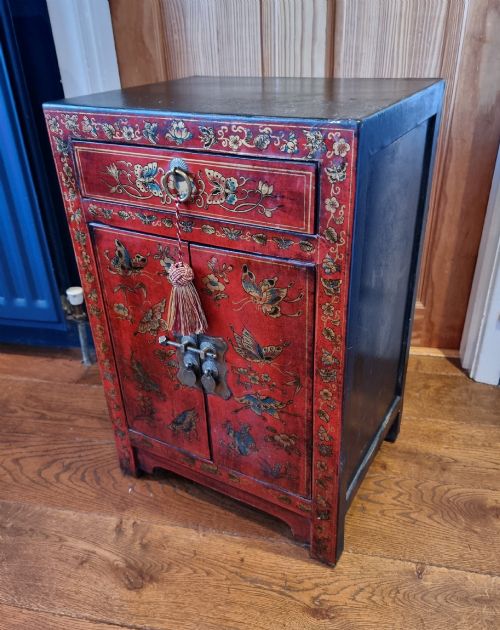
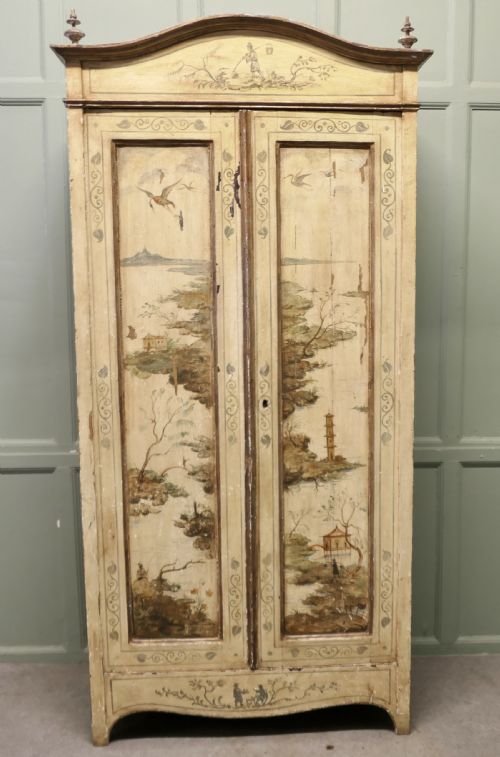
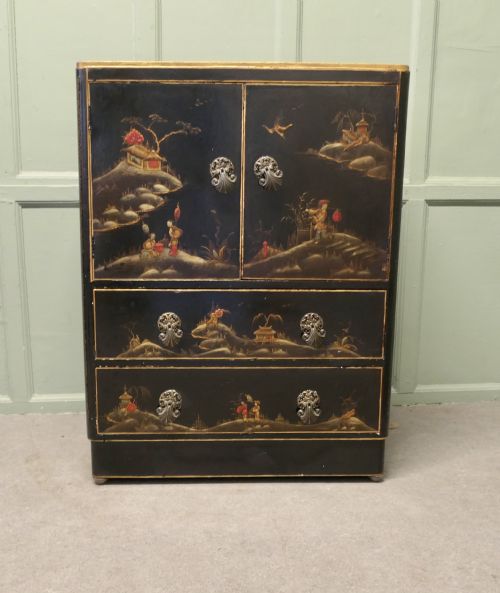
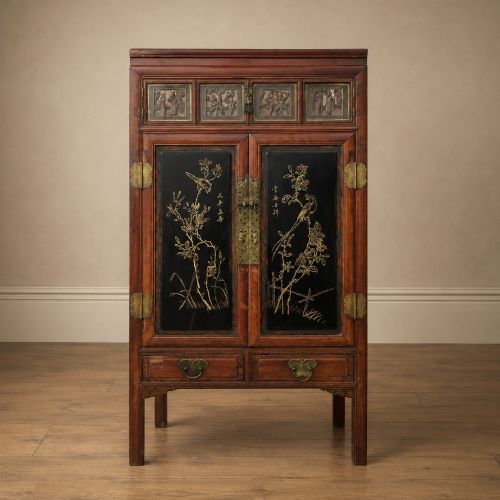
Oriental Lacquer Cabinet
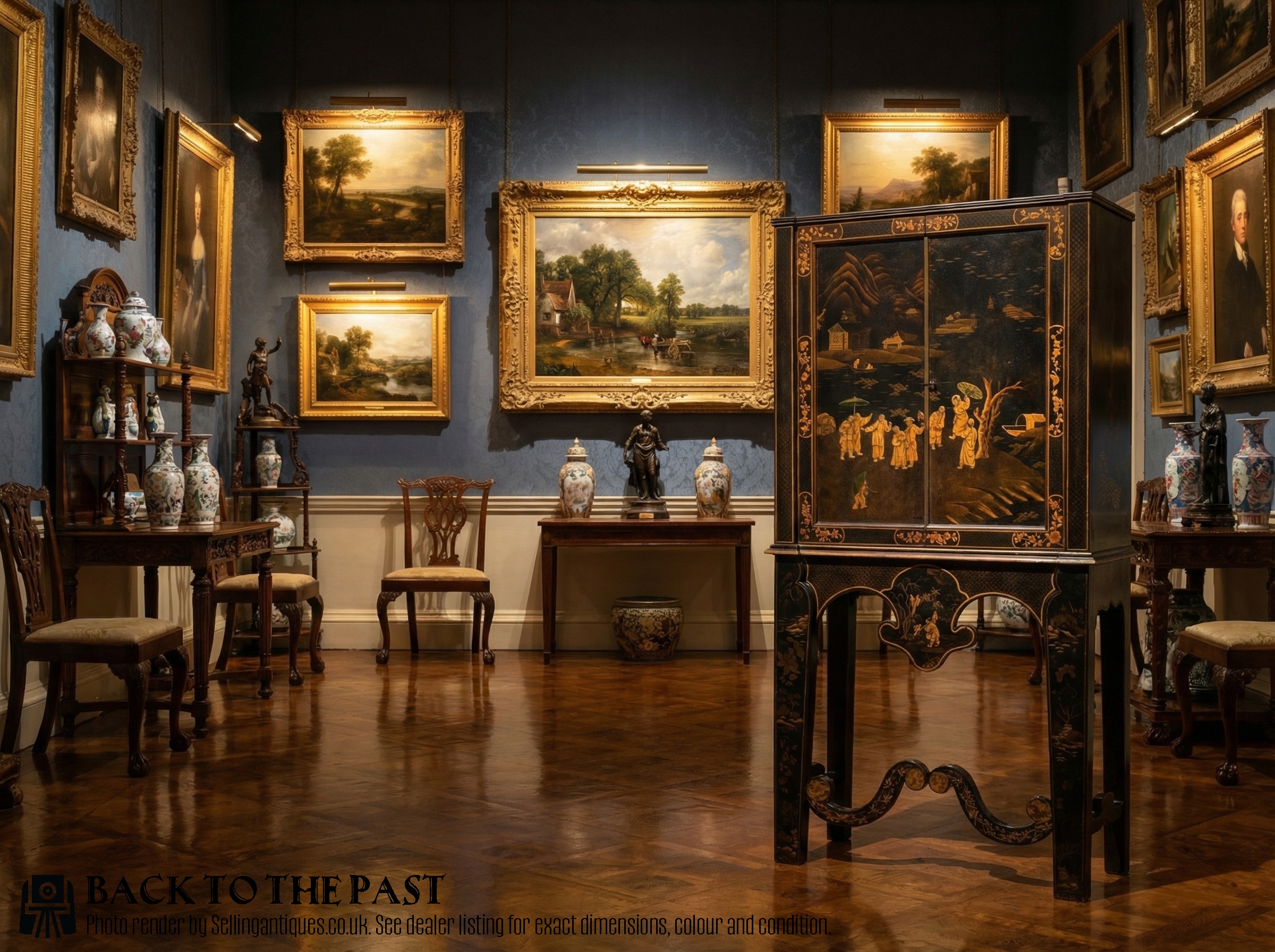
These oriental lacquer cabinet examples offer striking decoration and rich surface depth that bring historic East Asian and European taste into a room.

What They Are
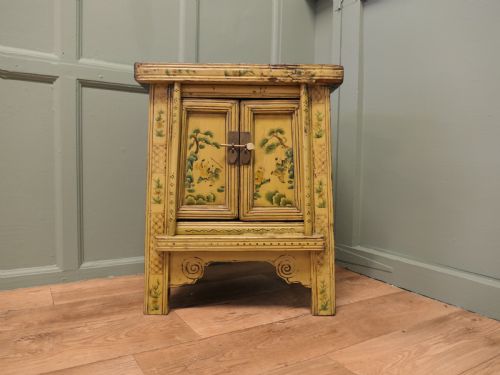
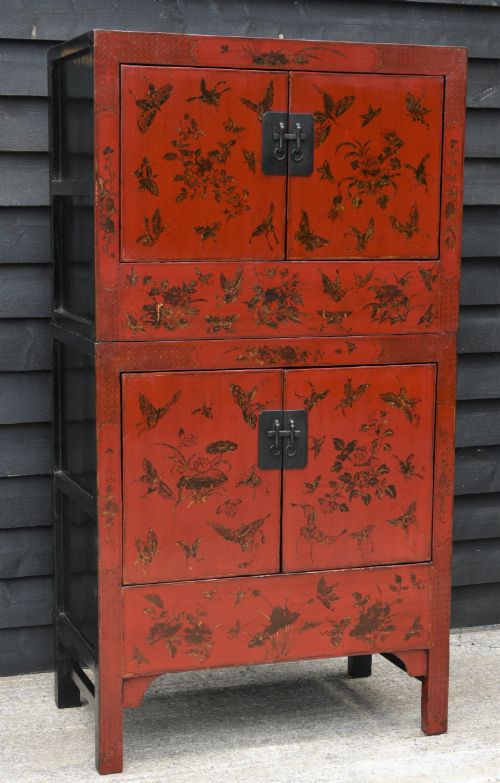
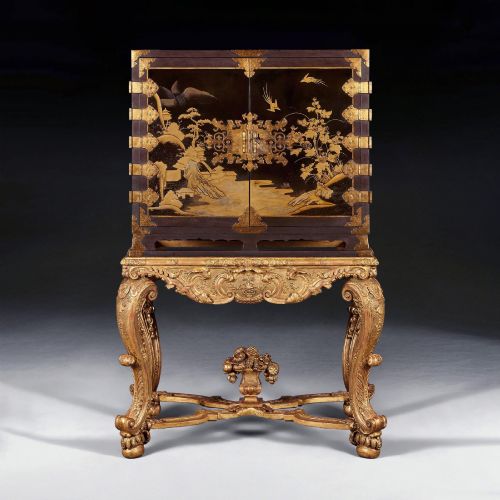
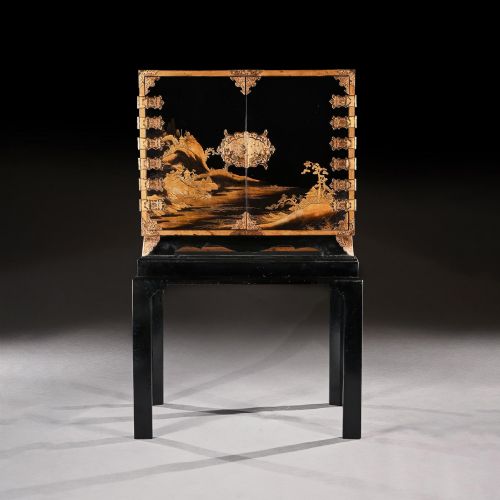
An oriental lacquer cabinet brings together intricate hand-finished surfaces and functional storage across various historic forms. Collectors searching for an oriental lacquer cabinet will encounter pieces ranging from compact table cabinets to substantial cabinets on stands.
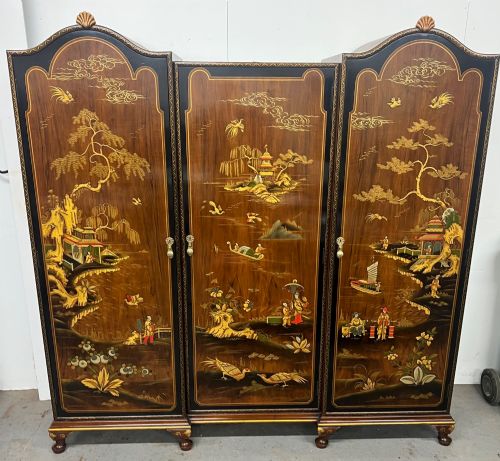
The selection includes examples from the seventeenth century through to the early twentieth century, spanning Japanese export work, Edo and Meiji periods, alongside British interpretations like Queen Anne, Regency, and Victorian Chinoiserie.
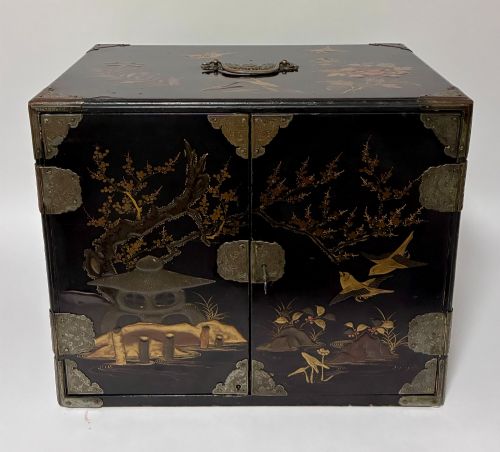
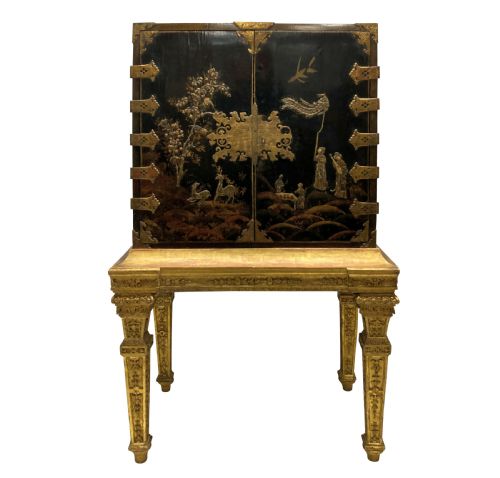
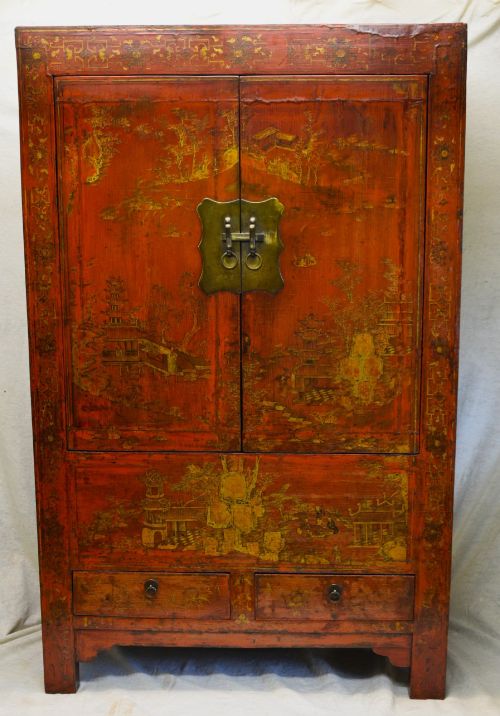
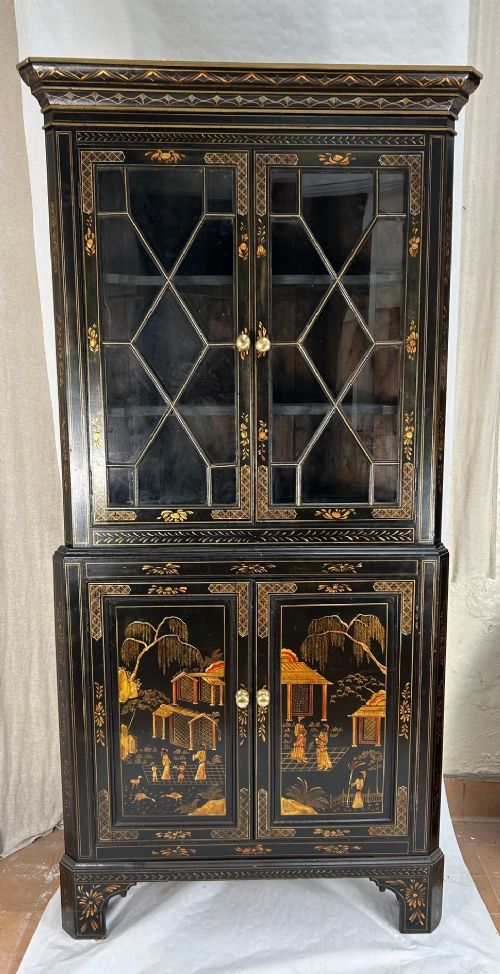
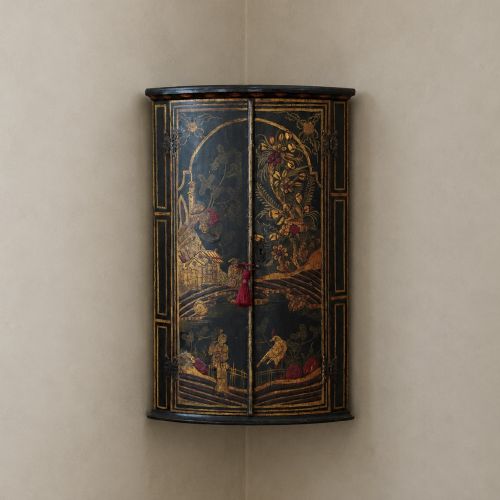
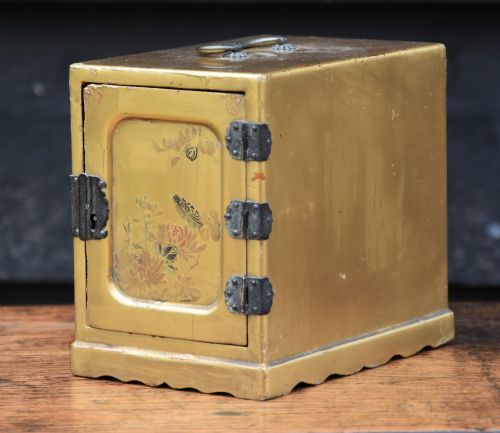
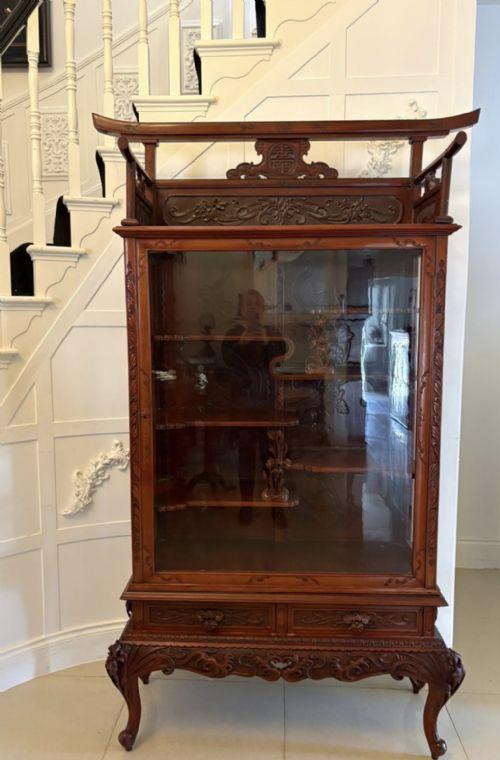
Most pieces on show take the form of cabinets on stands, corner cupboards, or small table cabinets like the Kodansu. These diverse forms reflect both direct Asian import traditions and European lacquer workshops inspired by Eastern aesthetics.
How They Were Made
The construction of these pieces relies on wooden carcases finished with specialist coatings such as urushi lacquer or traditional black lacquer. Artisans built up multiple layers of varnish to create a deep, lustrous surface.
Decoration was frequently enhanced through the application of gold leaf and gilt detailing, often depicting elaborate pictorial scenes in the Chinoiserie taste. Metal and brass mounts were then added to secure corners, doors, and drawers, providing structural reinforcement as well as visual contrast.
Retail Price Guide 2026
Typical UK retail prices for oriental lacquer cabinet, calculated from the Sellingantiques database of over a million retail prices indexed since 2003. This retail price guide relies exclusively on Sellingantiques data; no external sources or auction records are used, so the figures do not describe the wider market.
Several pieces include hidden compartments behind tiny doors, perfect for guarding secret love letters or very small biscuits.
What Varies in Quality
The division between ordinary and exceptional pieces rests upon the depth and finesse of the surface decoration. Superior examples display meticulous hand-drawn detail in the gold leaf and precise execution of pictorial motifs.
The integration of the cabinet with its stand also dictates overall merit, particularly where French Giltwood Regence or custom stands are paired with seventeenth-century bodies. Original mounts, intact lacquer layers, and harmonious proportions separate standard utility pieces from masterworks.
The Oriental Lacquer Cabinet Glossary
- Lacquer
- A durable, glossy finish applied to wooden furniture, derived from natural tree sap or specialised varnishes. It creates a hard, protective surface that accepts intricate painting and gilding.
- Chinoiserie
- The European interpretation and imitation of Chinese and East Asian artistic traditions. This decorative style flourished during the seventeenth and eighteenth centuries, frequently appearing on black lacquer furniture.
- Kodansu
- A traditional Japanese small table cabinet featuring multiple internal drawers and compartments. These portable pieces were often finished with fine lacquer and metal hardware.
- Regence
- A French transitional style bridging the seventeenth-century Baroque and eighteenth-century Rococo. Stands from this period often feature rich gilding and sculptural woodwork.
- Meiji Period
- A major era in Japanese history spanning from eighteen sixty-eight to nineteen twelve. Cabinets from this time reflect sophisticated craftsmanship aimed at both domestic use and Western export markets.
Frequently Asked Questions
What is an oriental lacquer cabinet?
An oriental lacquer cabinet is a storage piece finished with traditional East Asian varnishes or European interpretations thereof. They range from small table chests to large cabinets raised on decorative stands.
These pieces often feature elaborate painted or gilded scenes depicting landscapes, figures, and floral motifs in styles such as Chinoiserie or Japanese export art.
How do I style one at home?
These cabinets serve as strong focal points in living rooms, hallways, or dining spaces due to their dark finishes and reflective metallic details. Placing them against a neutral wall allows the intricate gold leaf and lacquer work to stand out.
They pair well with both traditional antique interiors and cleaner modern rooms where their rich texture can provide visual contrast.
How can I tell periods apart?
Dating relies on examining the construction methods, hardware, and stylistic indicators such as stands and decorative motifs. Seventeenth and eighteenth-century examples often feature heavy stands and distinct European adaptations like Queen Anne or Regence framing.
Later pieces from the Meiji, Taisho, or early twentieth-century eras display different export markings, refined miniature joinery, or brighter twentieth-century Chinoiserie palettes.