






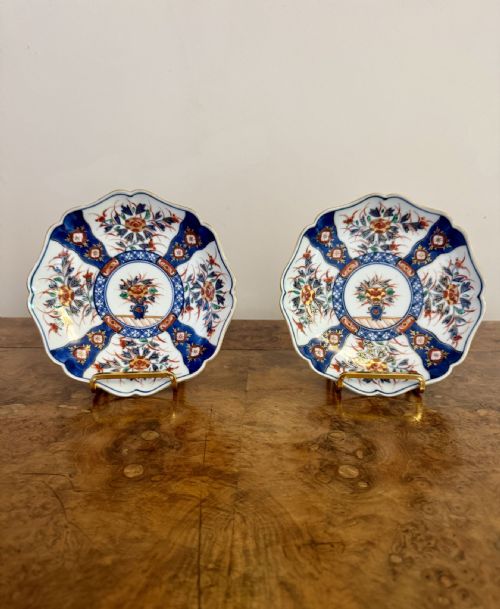
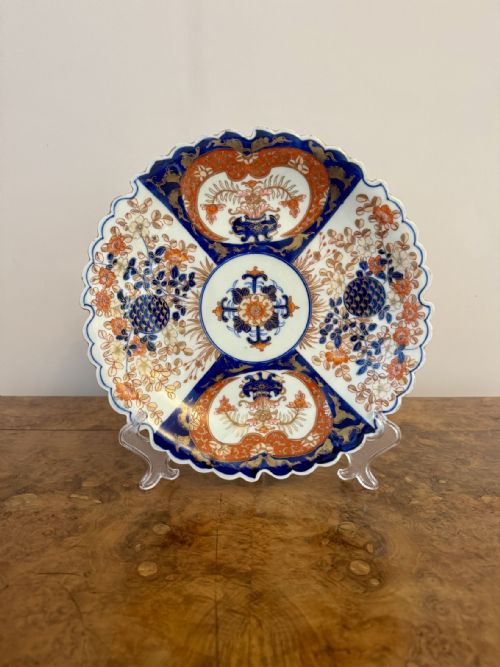
Oriental Floral Ceramic Charger
An oriental floral ceramic charger brings bold hand-painted botanical motifs and rich cobalt or gilt palettes directly to a wall or table.
Oriental Floral Ceramic Charger
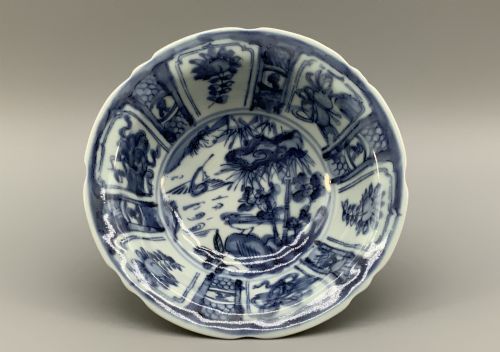
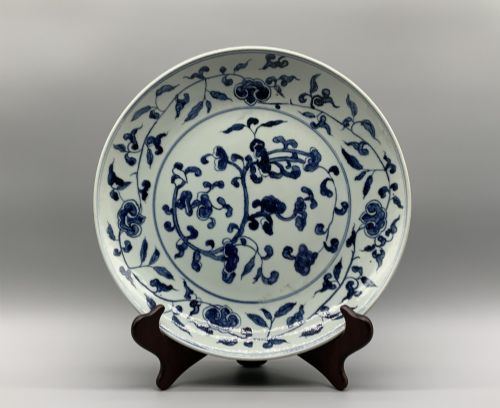
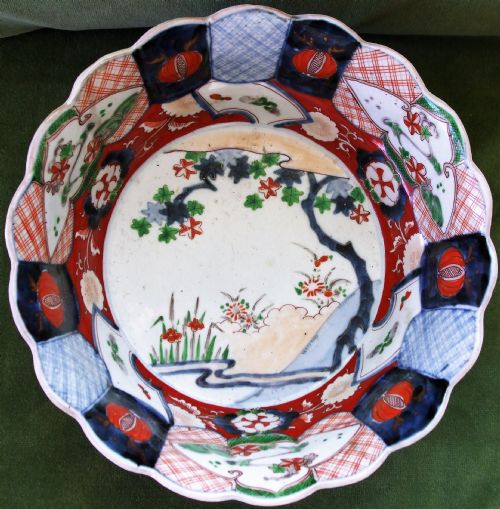
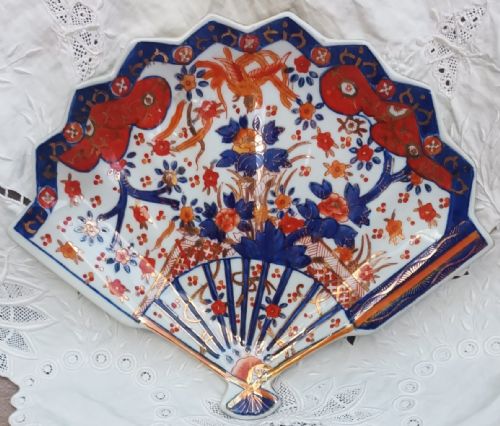
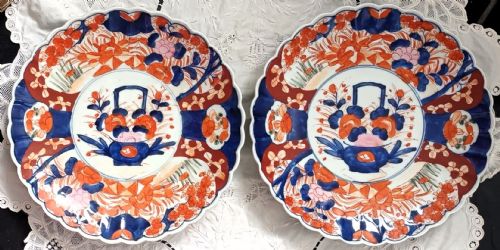
When you search for an oriental floral ceramic charger, you encounter large decorative plates and platters originating from historic East Asian kilns and European factories. The selection on this page leans heavily toward Japanese Imari and Chinese blue and white wares spanning the eighteenth, nineteenth and early twentieth centuries.
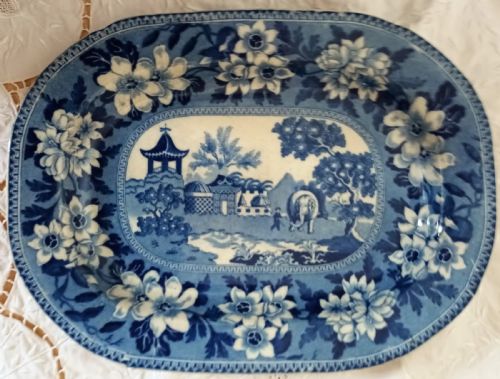
These substantial dishes take various forms, including lobed bowls, scalloped edge plates and broad display chargers. Motifs frequently incorporate traditional floral elements such as peonies, chrysanthemums and wisteria, often paired with birds and intricate geometric borders.
Originating as both utilitarian serving vessels and grand display items, these ceramics showcase the distinct aesthetic traditions of periods such as the Kangxi era, the Edo and Meiji periods and the Qing dynasty.
Materials and construction
Potters shaped these chargers from dense porcelain or fine pottery, applying cobalt underglaze before the initial firing to achieve deep blue tones. Artisans then layered enamel colours and gold leaf over the glaze for subsequent low-temperature firings, building up textured decorative surfaces.
Techniques such as moriage relief work added raised enamel details that give flowers and foliage a tactile dimension. Hand-painted brushwork defines the character of each piece, ensuring no two chargers share identical line work.
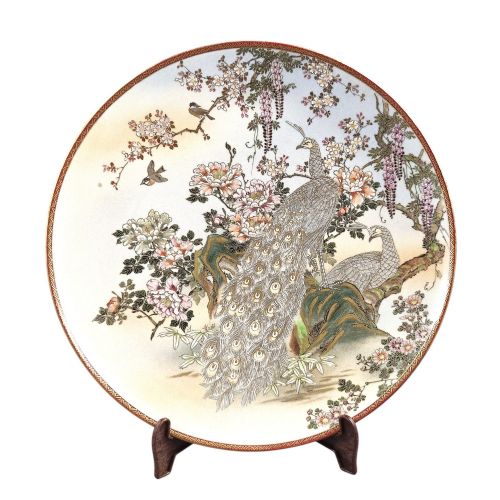
Peacocks occasionally share the painted foliage with wisteria and peonies, bringing a touch of avian drama to the traditional floral arrangements.
Evaluating quality and execution
The precision of the hand-painted botanical detailing distinguishes superior examples from simpler production pieces. Crisp cobalt underglaze lines and carefully applied gilding indicate skilled workshop execution.
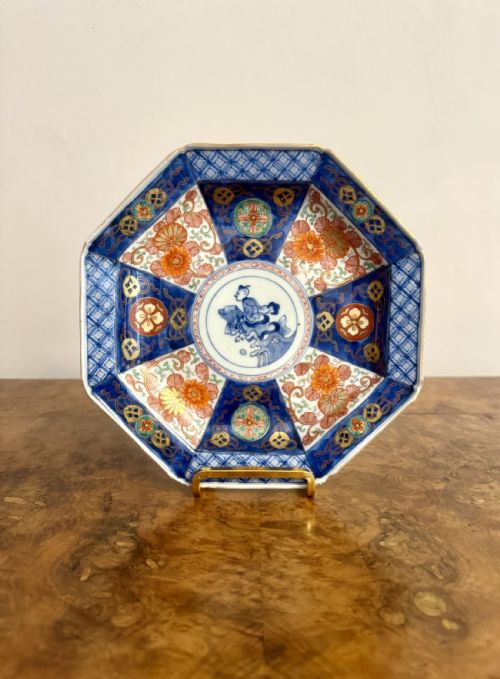
Structural complexity also plays a role, with scalloped edges, lobed rims and hexagonal moulding requiring advanced forming techniques by the potter.
John Rogers and Son
The Oriental Floral Ceramic Charger Glossary
- Imari
- A style of Japanese porcelain featuring a characteristic palette of underglaze blue, iron red and gold. These wares were produced in Arita and exported widely to Europe from the seventeenth century onward.
- Moriage
- A decorative ceramic technique using raised clay slip to create tactile, three-dimensional patterns. This method appears frequently on Satsuma wares to accentuate floral and avian motifs.
- Underglaze
- Pigment applied to a ceramic body before the glaze is added and fired. Cobalt is the most common underglaze colour found on blue and white porcelain.
- Charger
- A large decorative plate or platter historically used for ceremonial dining or wall display. These pieces usually measure significantly more than standard dinner plates.
Oriental Floral Ceramic Charger: Frequently Asked Questions
How were oriental floral ceramic chargers used historically?
These large dishes served both functional roles at formal dining tables and decorative functions as mounted wall plates or cabinet display pieces. Their generous surface area made them ideal for presenting meats or grand courses during feasts.
Over time, many of the finer examples transitioned primarily into decorative display items, treasured by collectors for their intricate painted botanical scenes.
How do I hang a heavy antique charger safely?
Hanging large ceramic chargers requires specialised spring-loaded brass wall hangers that distribute the weight evenly across the rim. Ensure the hardware is securely anchored into wall studs rather than relying solely on plaster.
Avoid wire attachments that grip only a small portion of the edge, and check the tension of the springs periodically to maintain a secure hold.
How can I tell an Edo period charger from a Meiji piece?
Edo period ceramics generally exhibit restrained, classical compositions with deep cobalt blues and iron reds under traditional glazes. Meiji pieces often display denser, more exuberant decoration influenced by international trade and changing export markets.
Examining the foot ring, glaze consistency and painting style helps determine the approximate era of production.
What is the difference between Arita and Imari?
Arita refers to the Japanese town and surrounding valley where the clay was mined and the porcelain was actually fired. Imari was simply the port town from which these finished wares were shipped to the rest of the world.
Because the pottery was exported through Imari, European collectors applied that name to the distinctive blue, red and gold style originating in the Arita kilns.