

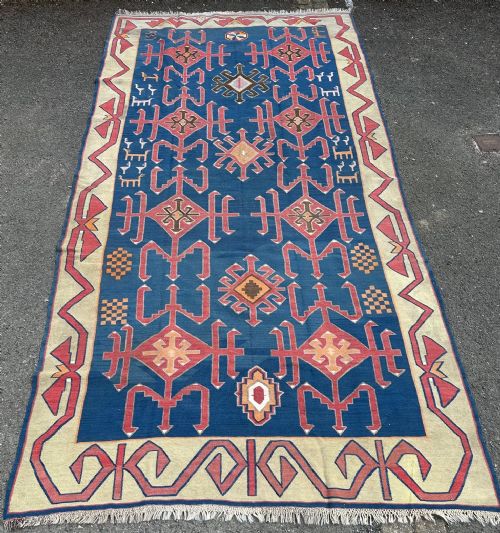


Oriental Flatweave Rug
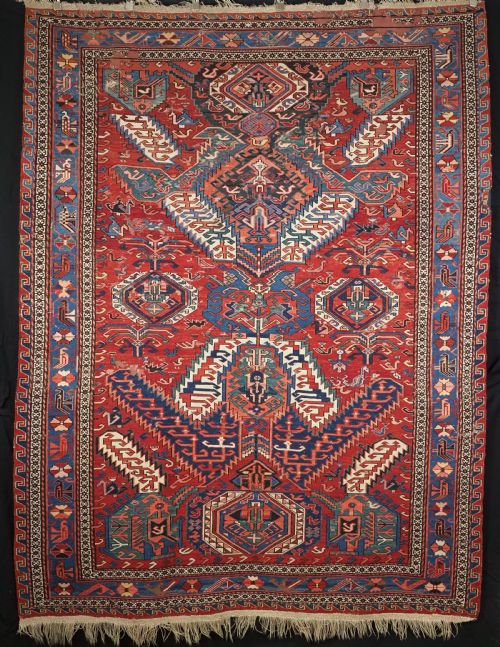
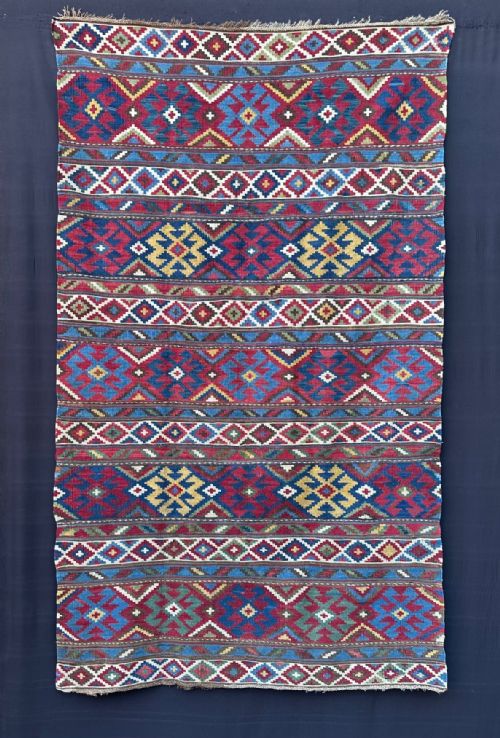
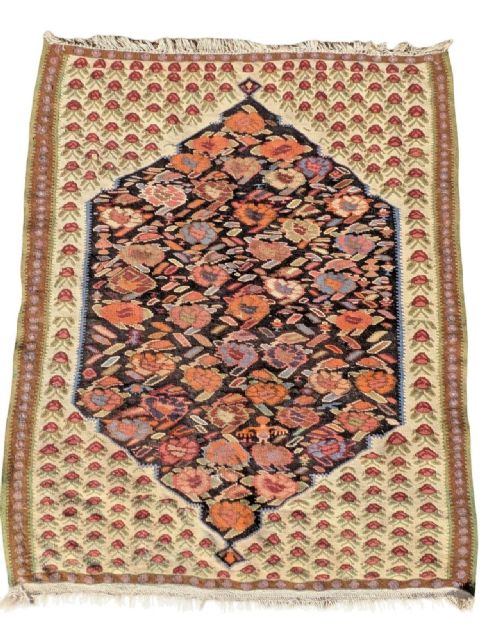
When you search for an oriental flatweave rug, you find woven textiles originating from tribal and regional traditions across the Caucasus, Persia, Anatolia and Central Asia.
Oriental Flatweave Rug
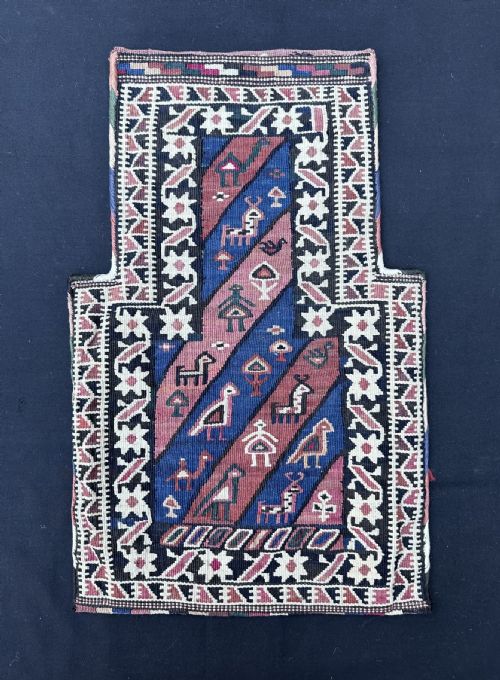
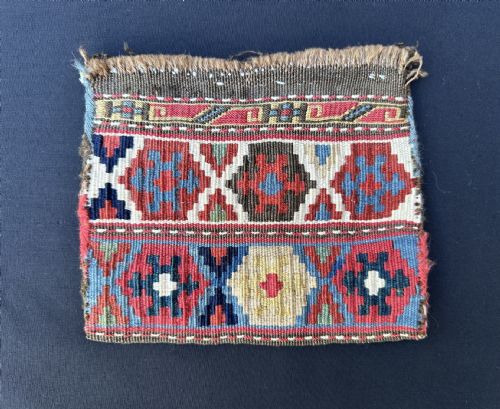
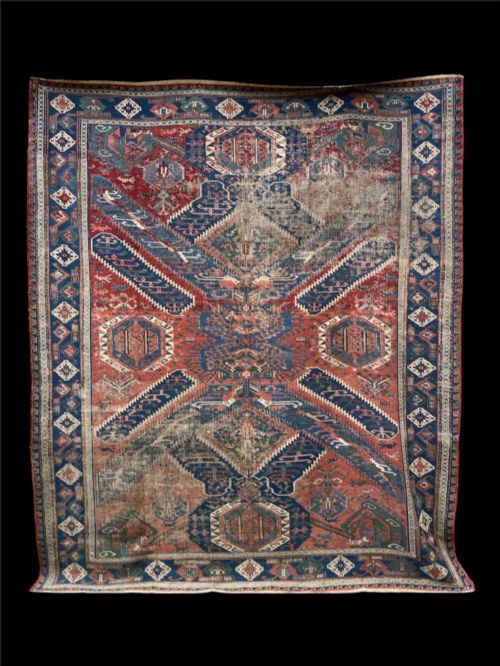
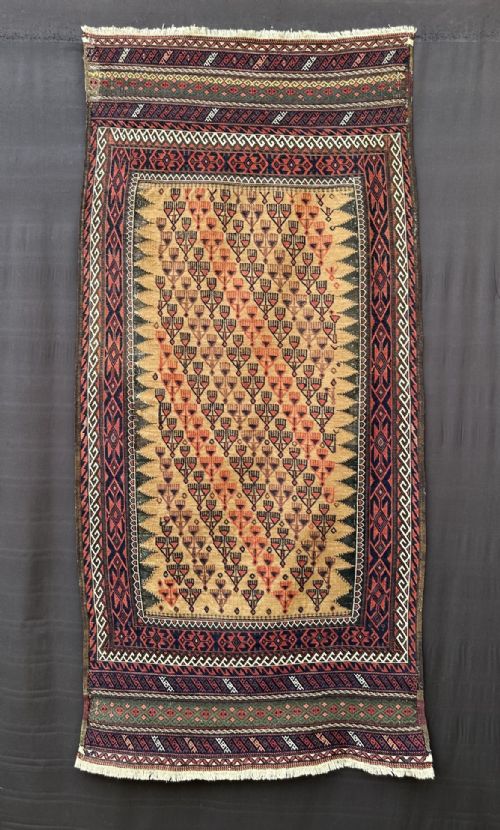
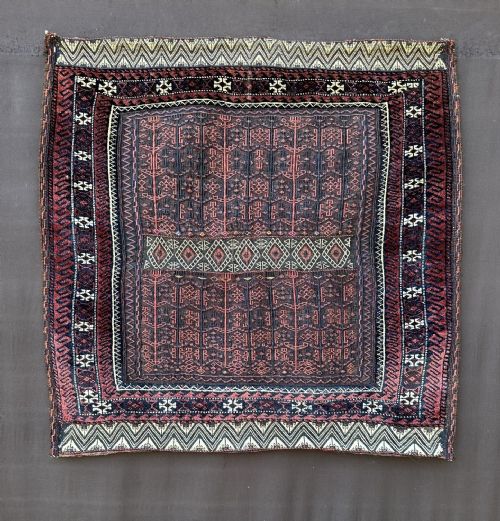
The most common examples encountered in this category include traditional kilims, runner rugs and utility bags fashioned by groups such as the Shahsevan, Baluch, Timuri and Yomut tribes. Collectors and decorators select these textiles for their graphic geometric structures, flat-faced surfaces and historical regional patterns.
How they were made
The construction relies fundamentally on wool and cotton foundations, incorporating hand-spun wool, camel wool and occasionally silk. Weavers utilised natural dyes to achieve soft, faded tones and rich polychrome palettes across warp-faced and weft-faced flatweaving techniques.
Specific regional methods define the structural variety, such as the brocaded wrapping found in Soumak work, the slit-tapestry interlocking of traditional kilims, and the multi-strip construction seen in Uzbek textiles. Individual items integrate mixed techniques, incorporating original flatweave backs, embroidered details or panels salvaged from storage containers like mafrashes.
Oriental Flatweave Rug Retail Price Guide 2026
Typical asking prices for oriental flatweave rug among the pieces listed under this phrase on Sellingantiques today, from the lower quarter to the upper quarter. They describe what is for sale here now, not the wider market.
The listings demonstrate production from the mid-nineteenth century through the 1940s, featuring wool, cotton, camel wool, silk and natural dyes across Caucasian, Persian, Anatolian and Afghan tribal traditions.
What varies in quality
Quality variation depends heavily on the fineness of the weave, the crispness of the tribal geometry and the depth or harmony of the natural dye palette. Tighter structural density and precise execution of complex motifs distinguish finer workshop or regional tribal weaving from simpler utilitarian pieces.
The integrity of the original edges, the survival of complete formats such as unsevered sofrehs or storage bags, and the subtlety of colour ageing dictate the standing of an individual textile within its specific tribal group.
The Oriental Flatweave Rug Glossary
- Kilim
- A flat-piled textile woven using slit-tapestry techniques where the weft threads are pulled tightly back and forth over the warps. This method creates characteristic vertical slits along colour boundaries.
- Soumak
- A brocade-weave technique where coloured weft threads are wrapped over and under the warp threads in specific patterns. This produces a textured face resembling fine braiding and a characteristic dense reverse.
- Sofreh
- A flatwoven spread or cloth traditionally utilised for dining, meal preparation or bread storage within tribal households. These pieces often feature specific field designs associated with specific regional groups.
- Mafrash
- A large rectangular storage bag or hamper fashioned by nomadic tribes for bedding and household possessions, typically constructed from four side panels and a base.
- Jajim
- A tightly woven flat textile traditionally produced in narrow strips and stitched together to form blankets, coverlets or decorative furnishings.
- Warp
- The stationary vertical foundation threads stretched lengthwise on the loom onto which the horizontal weft is woven.
Oriental Flatweave Rug: Frequently Asked Questions
What is an oriental flatweave rug?
An oriental flatweave rug is a woven textile produced without a pile by nomadic or village weavers in regions such as the Caucasus, Persia, Anatolia and Central Asia. These items include kilims, soumaks, sofrehs and various tribal bags.
Unlike knotted carpets, flatweaves rely on interlocking weft threads or wrapped brocade techniques to create geometric patterns and lightweight, flexible structures designed for utility or decoration.
How were flatweave rugs used?
Tribal weavers utilised these textiles for practical daily requirements such as floor coverings, blankets, horse covers and wall hangings. Specialised pieces like sofrehs served as dining or bread-making spreads.
Nomadic households also employed bags and panels like mafrashes and salt-bags to transport and store household possessions, grain and bedding during seasonal migrations.
How do you clean an antique flatweave?
Antique flatweaves require gentle care due to their age, wool composition and historic natural dyes. Professional specialist cleaning remains the safest method to remove accumulated dust without damaging fragile historic fibres.
Routine maintenance involves careful, low-suction vacuuming without a rotating brush, taking care not to catch the edges or loose ends of the weave.
How do you distinguish regional styles?
Regional styles are identified through specific structural characteristics, colour palettes and recurring tribal motifs. Caucasian pieces frequently display sharp geometric medallions and cooler primary tones, while Persian and Afghan tribal pieces often incorporate earthy reds, blues and intricate field patterns.
Examining the weave density, material preparation and edge finishes helps attribute a textile to specific groups such as the Shahsevan, Baluch or Timuri.