




Oriental End Tables
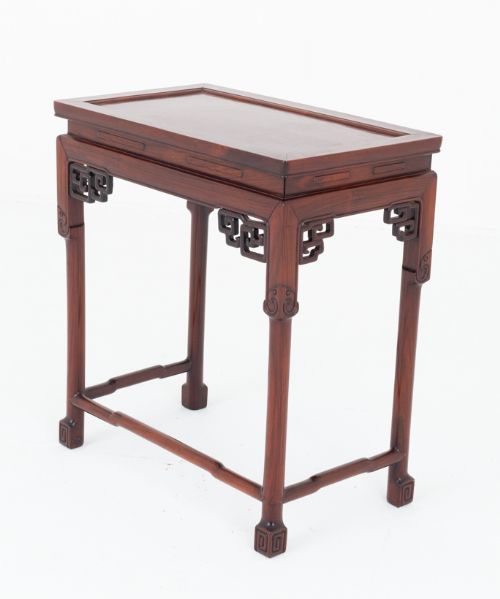
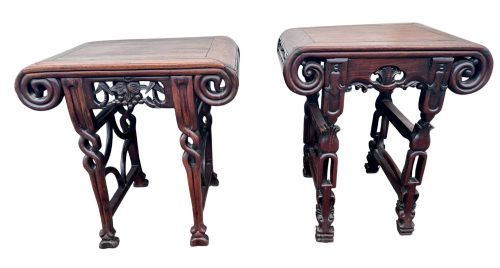
When you handle oriental end tables, you find dense hardwoods, intricate carvings and forms designed to sit quietly beside a chair or sofa.
Oriental End Tables
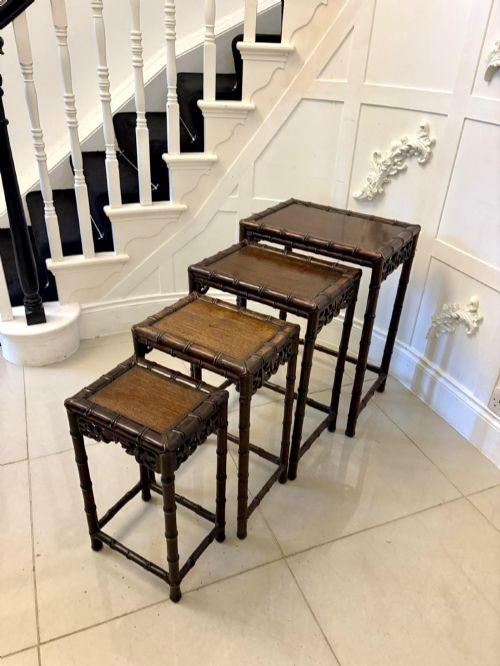
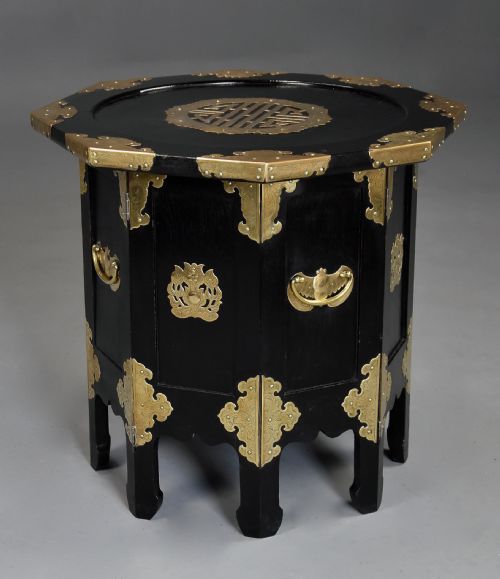
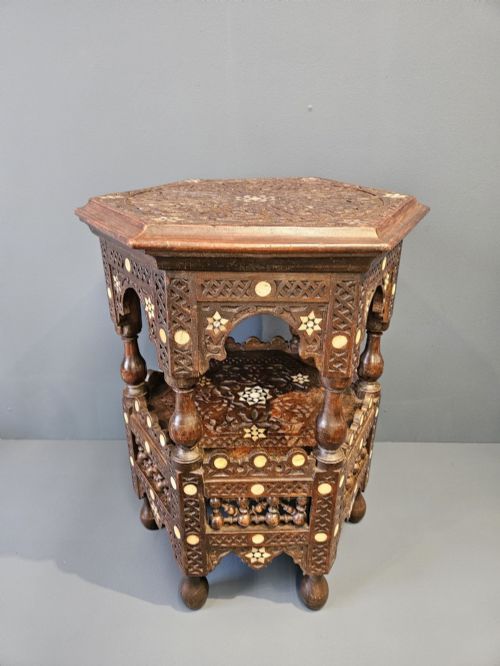
Oriental end tables encompass a varied group of low tables, occasional pieces and nests designed to hold lamps, books or cups within a room. You encounter forms ranging from low kang tables and altar tables to multi-tiered nests and octagonal lamp tables.
The materials span traditional Asian timbers like huali, huanghuali and rosewood alongside bamboo, elm and lacquer. Many pieces reflect specific periods such as the Qing Dynasty or borrow from Chinoiserie, Moorish Revival and Anglo-Indian traditions.
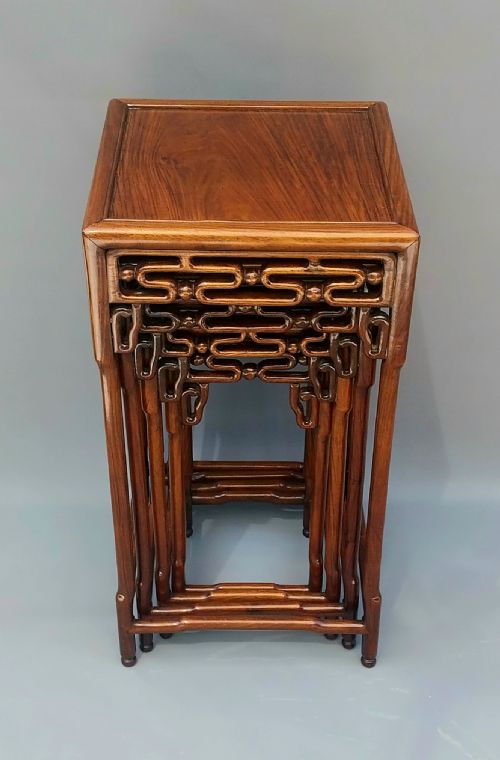
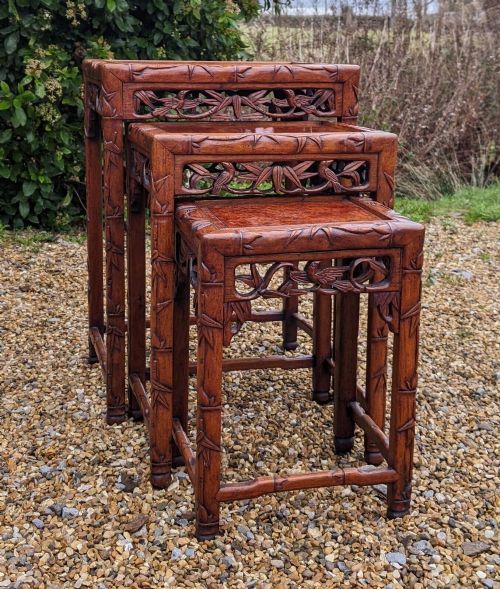
Buyers seeking oriental end tables often gravitate towards nests of four graduated tables or solid hardwood stands with inset marble or porcelain panels. These functional forms suit modern sitting rooms while retaining distinct regional character.

Construction and Materials
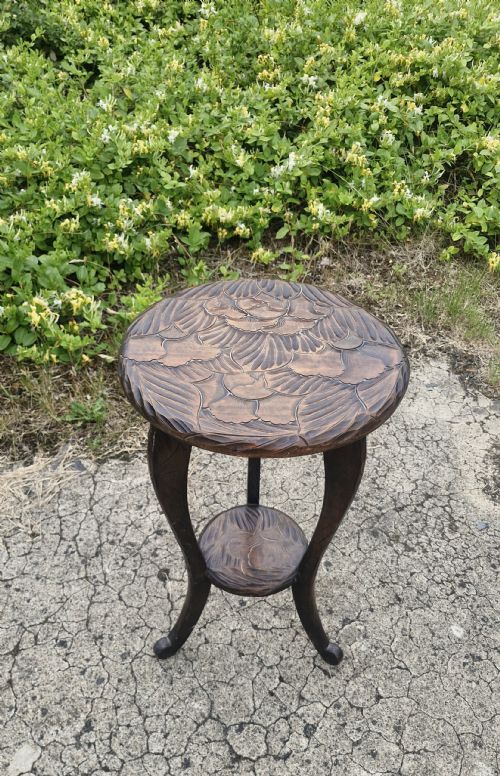
Makers utilised dense timbers such as rosewood, huali and teak, which allowed for deep, crisp carving along aprons and legs without splitting. Joinery relied on traditional framing techniques that kept solid wood stable across seasonal changes in humidity.
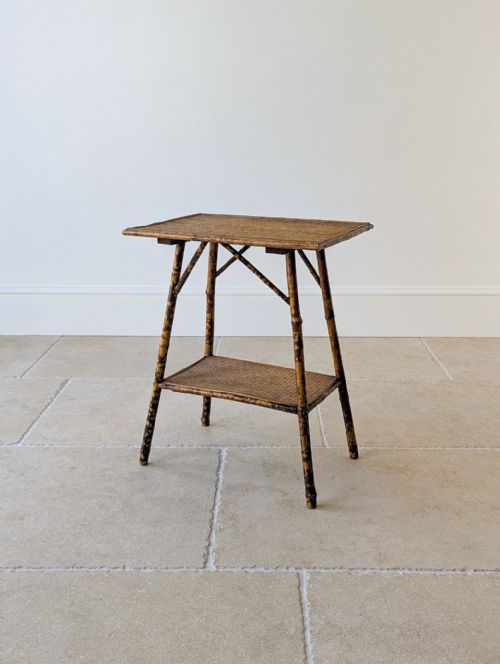
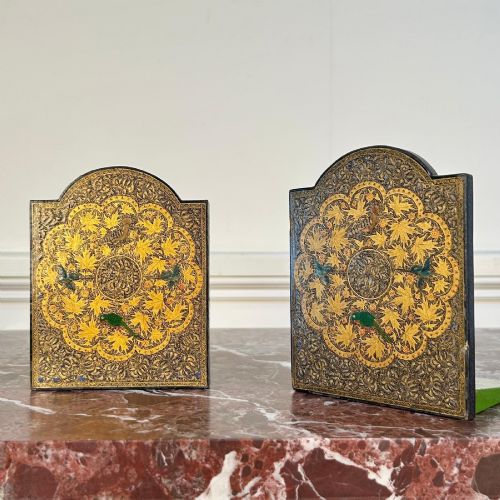
Surface decoration involved multiple layers of lacquer, inlaid mother-of-pearl, brass accents or inset marble and porcelain panels. Bamboo stems were often steamed and bent into faux bamboo frameworks or supported lacquered panels.
Elephant side tables with carved trunks ready to lift drinks bring unexpected charm to any corner.
Quality and Craftsmanship
The distinction between ordinary and superior pieces rests on the weight of the timber and the depth of the carving. Dense rosewoods and huali display natural grain and colour that require no heavy stain to look complete.
Execution of detail separates fine tables from simpler production pieces, particularly in the crispness of carved scroll ends and the precise fitting of inset marble or porcelain tops. Superior examples maintain structural rigidity without relying on modern metal fasteners.
Liberty's
The Oriental End Tables Glossary
- Kang table
- A low, long table traditionally used on a heated brick bed in northern China for dining or writing. These pieces now function well as low coffee tables.
- Quartetto
- A matched set of four graduated tables designed to slide neatly beneath one another. This form became popular during the nineteenth century.
- Hongmu
- A category of dense, dark Chinese hardwoods that includes rosewood varieties. The term translates literally to red wood.
- Chinoiserie
- European decorative style reflecting Chinese artistic motifs and motifs adapted by local craftsmen. It appears frequently on eighteenth and nineteenth-century lacquered furniture.
- Cloisonne
- Enamelwork technique where thin metal wires form compartments on a metal base before being filled with paste and fired. You see these panels inset into side tables.
Oriental End Tables: Frequently Asked Questions
What is a nest of tables?
A nest of tables consists of a set of graduated pieces designed to stack beneath the largest table when not in use. They provide flexible surface space in compact rooms.
Most sets in this selection contain four pieces that slide smoothly together, though three-piece variants also appear.
How were low kang tables used?
Kang tables originated in northern China to serve domestic activities performed while sitting on low platforms or beds. People used them for writing, serving tea or holding personal items.
Today, their low proportions make them suitable as compact coffee tables in contemporary sitting rooms.
What woods were used for these tables?
Cabinetmakers utilised heavy Asian hardwoods such as huali, huanghuali, rosewood, elm and teak. These dense timbers supported intricate relief carving and held their shape well over decades.
Some lighter pieces combined bamboo stems with wooden frames or lacquered panels for decorative contrast.
How do I care for antique lacquered furniture?
Lacquered surfaces require gentle treatment to avoid scratching or dulling the polished finish. Dust them regularly with a dry, soft cloth and keep them away from direct sunlight and heat sources.
Avoid using modern chemical sprays or abrasive cleaners, which can permanently damage the delicate layers of lacquer.