
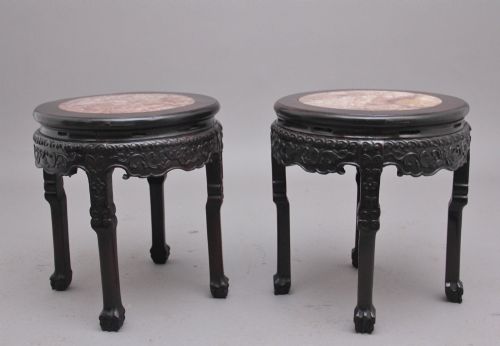
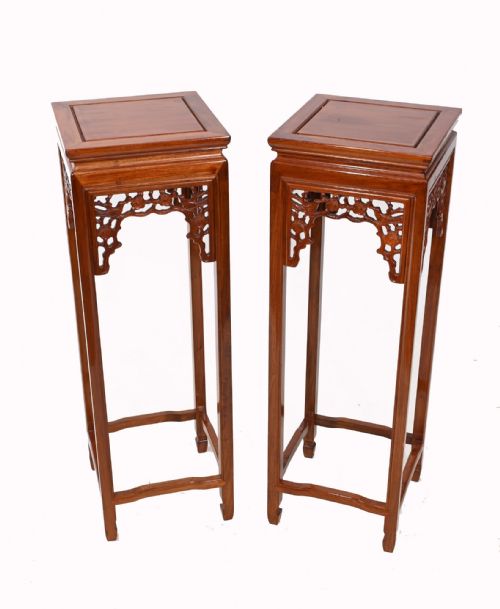
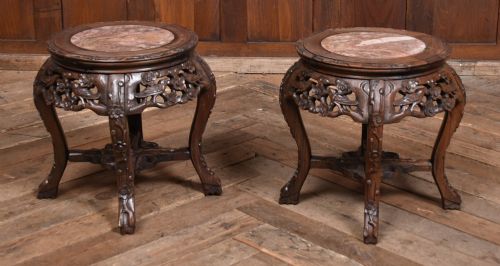

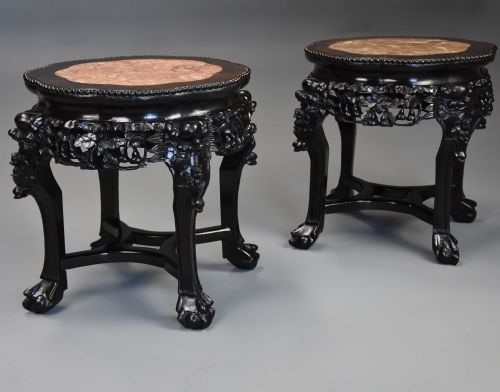


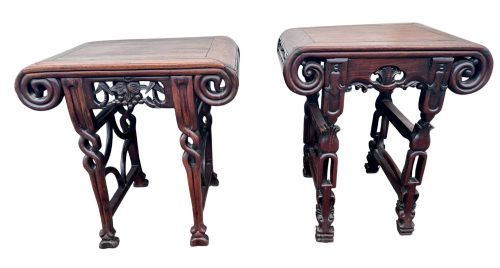


Pair Chinese Stands
When sourcing pair chinese stands, collectors find decorative supports and pedestals designed to elevate urns, plants and lamps in traditional interiors.

Pair Chinese Stands
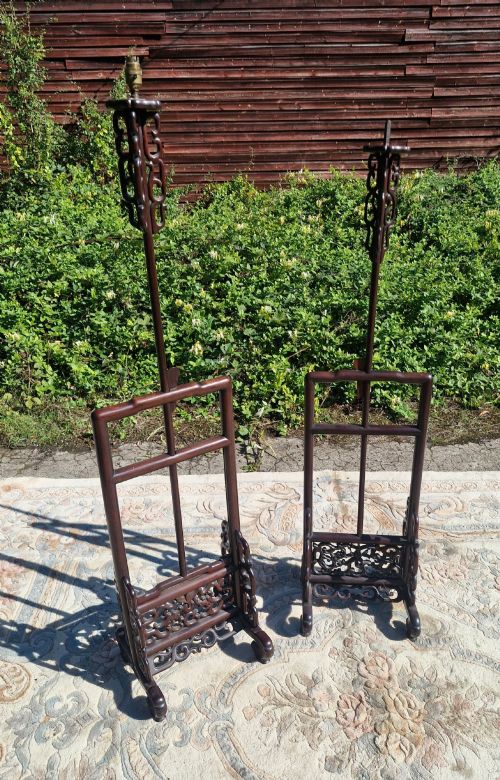
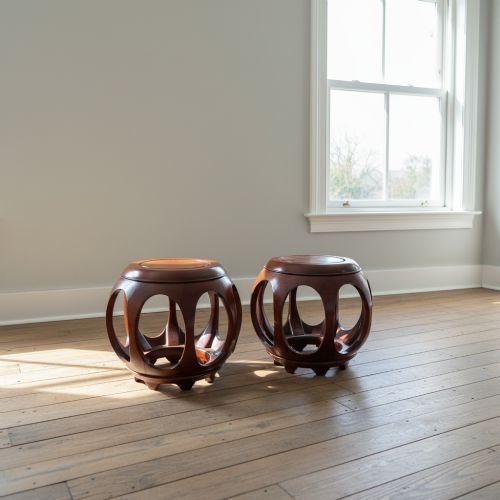
Pair chinese stands encompass a diverse group of furnishings including plant stands, urn supports, low tables and barrel stools originating from the nineteenth and early twentieth centuries. These furnishings take many forms such as freestanding pedestals, side tables and jardiniere supports designed to hold heavy decorative objects.
The objects frequently appear in styles associated with the Qing Dynasty, featuring traditional Chinese joinery alongside export variations adapted for Western drawing rooms. Examples range from compact dish-top stools to tall columnar pedestals intended for prominent display spaces.
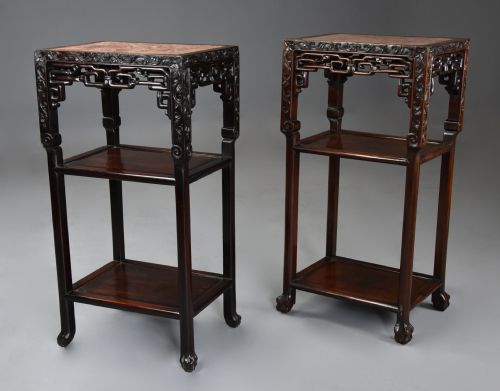
Makers utilised dense Asian timbers and inset panels of marble or porcelain to create matched and balanced sets. Buyers encounter these pieces functioning as lamp tables, display bases and occasional tables within period and eclectic interiors.
What Varies in Quality
Differentiation in these pieces rests upon the density and selection of the timber, alongside the depth and crispness of the hand-carved ornamentation. Superior examples display intricate, undercut foliage and figures carved directly from the solid wood rather than applied separately.
The integration of inset materials dictates overall grade, with accurately fitted marble slabs or smooth porcelain panels marking higher standards of production. Matched sets exhibiting consistent grain patterns and uniform patination command greater regard than assembled or altered pairs.
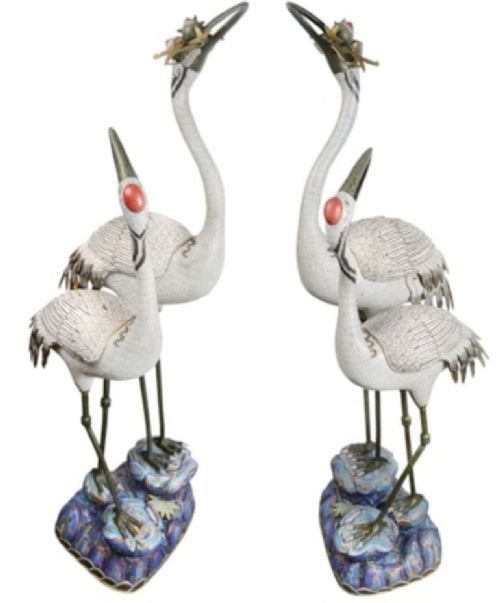
The inventory records nineteenth and early twentieth-century pieces decorated with cloisonne enamel, mother-of-pearl inlay and carved huali timber.
The Pair Chinese Stands Glossary
- Hongmu
- A traditional Chinese term denoting dense, heavy hardwoods with deep reddish-brown tones. This timber provides the structural integrity required for heavily carved furniture.
- Huali
- A fragrant and highly figured Chinese hardwood utilised for fine nineteenth-century tables and stands. The material accepts intricate carving without splintering.
- Cloisonne
- A decorative metalwork technique where enamel paste is applied within compartments formed by soldered wire boundaries. Pieces featuring this finish often highlight imperial or export commissions.
- Paktong
- A copper-nickel-zinc alloy resembling silver, used for eighteenth-century candlesticks and metal fittings. This alloy provides a bright, durable metallic surface.
- Padouk
- A sturdy tropical hardwood displaying vibrant red to brown hues. Artisans favoured this timber for durable stands holding heavy porcelain vessels.
Pair Chinese Stands: Frequently Asked Questions
What were pair chinese stands used for?
These furnishings served primarily as elevated platforms for heavy porcelain urns, bronze vessels, large jardinieres and prized house plants within traditional households. They protected valuable floor surfaces while positioning decorative items at optimal viewing heights.
In both Asian interiors and Western export settings, matched pairs offered symmetrical balance when placed flanking doorways, fireplaces or large pieces of furniture.
How do I identify Qing Dynasty stands?
Authentication relies on observing the dense tropical hardwoods, traditional joinery methods and deep relief carvings characteristic of late nineteenth-century workshops. The presence of original inset marble tops or hand-applied lacquer further supports period attribution.
Inspect the undersides and interior frames for tool marks, patination and age-related timber shrinkage that confirm traditional manufacturing techniques.
Are marble top stands durable?
The inset marble or porcelain panels provide a stable, heat-resistant surface ideal for holding damp plant pots or heavy ceramic urns without damaging the underlying wood. These stone inserts are heavy and sit securely within rebated wooden frames designed to support their weight.
Maintenance simply requires regular dusting and avoiding harsh chemical cleaners that could dull the polished stone or lacquered timber surrounds.
What is the difference between a plant stand and a garden seat?
Plant stands and pedestals are constructed with tall, slender legs or columnar bases designed strictly for display purposes rather than seating. Garden seats feature robust, barrel-shaped ceramic or wooden construction originally intended for outdoor or veranda use.
While garden seats occasionally migrate indoors to function as low side tables, dedicated stands maintain a lighter structural profile suited to interior display.