





Oriental Enamel Charger
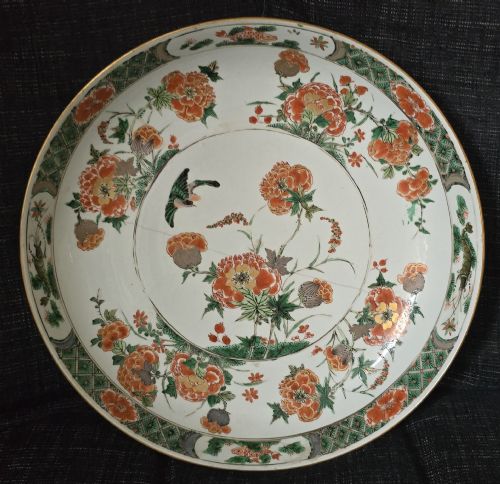
An oriental enamel charger brings intricate narrative scenes and detailed motifs in vibrant colour directly to a tabletop or wall.
Oriental Enamel Charger
When searching for an oriental enamel charger, a buyer encounters large decorative plates and plaques originating from Japan and China across the seventeenth, eighteenth, nineteenth, and early twentieth centuries. These substantial dishes served primarily for display rather than dining, showcasing elaborate craftsmanship from the Edo and Meiji periods alongside Qing Dynasty works.
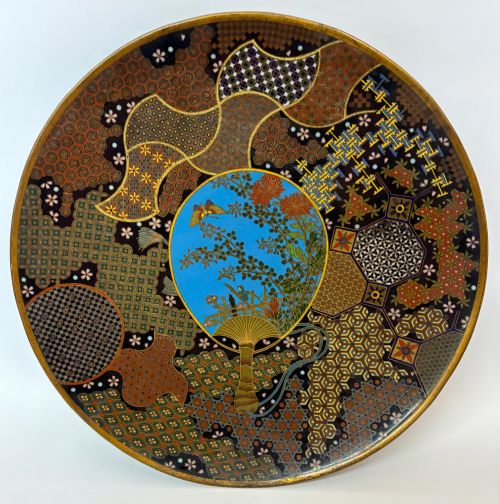
The most common examples on this page are Japanese cloisonne enamel chargers dating from the mid to late nineteenth century. These pieces frequently measure upwards of thirty centimetres and depict natural subjects such as birds, koi, dragons, and chrysanthemums against dark or patterned grounds.
Materials and Technique
Many of these chargers rely on a metal base of copper or brass, onto which thin metal wires form raised cells known as cloisons. Artisans filled these individual compartments with coloured enamel pastes before firing the piece at high temperatures to fuse the glass-like surface.
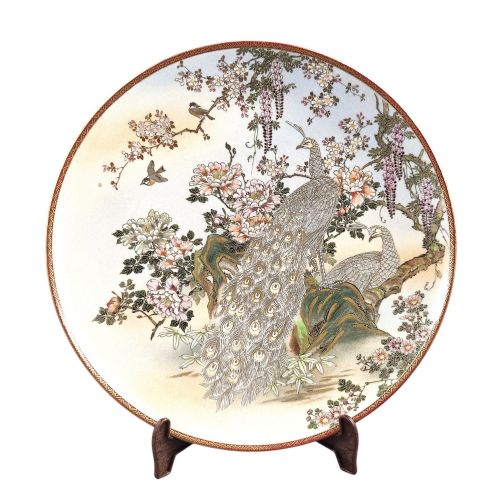
Porcelain and earthenware alternatives appear alongside metalwork, decorated with painted glazes or raised moriage techniques. Gold leaf occasionally highlights specific details within the intricate cloisonne or painted designs.
Oriental Enamel Charger Retail Price Guide 2026
Typical asking prices for oriental enamel charger among the pieces listed under this phrase on Sellingantiques today, from the lower quarter to the upper quarter. They describe what is for sale here now, not the wider market.
Look closely for hidden creatures; several nineteenth-century chargers manage to squeeze leaping koi, watchful owls, and startled frogs into a single floral scene.
Judging Quality
Quality rests heavily on the precision of the metalwork and the complexity of the design. Finer pieces display exceptionally thin, even wirework that forms microscopic cells without gaps or bubbling in the fired enamel surface.
Artistic execution and pictorial depth distinguish superior chargers from standard production. Well-defined shading, anatomical accuracy in rendered animals and figures, and the presence of artist signatures elevate certain works above ordinary decorative items.
Meizan·Kinkozan
The Oriental Enamel Charger Glossary
- Cloisonne Enamel
- A metalwork technique where thin wires are soldered to a base to create cells filled with enamel paste and fired. This method allows for intricate multi-coloured patterns and pictorial scenes.
- Charger
- A large ornamental plate traditionally used for display on a sideboard or wall rather than for serving food. These substantial dishes measure significantly larger than standard dining plates.
- Meiji Period
- A Japanese historical era spanning from 1868 to 1912 noted for a surge in exceptionally detailed decorative arts produced for export. Works from this time often feature highly refined cloisonne and intricate porcelain painting.
- Famille Rose
- A palette of opaque enamel colours dominated by pink or rose hues introduced to Chinese ceramics during the Qing Dynasty. This style appears on porcelain dishes and large scalloped plates.
- Moriage
- A decorative ceramic technique using applied slip to build up raised patterns and textures on the surface of the vessel. It frequently decorates Satsuma earthenware bowls and plates.
Oriental Enamel Charger: Frequently Asked Questions
How do I hang a heavy charger?
Large metal and porcelain dishes require sturdy wall brackets designed to distribute weight evenly across the base and rim. Adjustable spring-loaded plate hangers with protective rubber tips secure the piece firmly without scratching the enamel or glaze.
Position the bracket into wall studs rather than plaster alone to support the considerable weight of nineteenth-century copper and ceramic chargers safely.
How do I clean cloisonne enamel?
Dust these surfaces gently using a soft, dry cloth or a feather duster to prevent accumulation in the recessed wire cells. Avoid water, abrasive cleaners, or chemical solvents which can damage the aged metal base or dislodge brittle enamel.
Professional restoration is recommended if the piece sustains structural damage or if the enamel shows signs of cracking.
What is the difference between Edo and Meiji pieces?
Edo period items date from before 1868 and often exhibit bolder, heavier construction with simpler yet striking motifs. Meiji period works reflect the opening of Japan to Western trade, displaying unprecedented technical precision and microscopic detail.
Later nineteenth-century pieces frequently bear artist signatures and utilise advanced chemical enamel colours unavailable in earlier decades.