




Asian Art Decorative Dish
An asian art decorative dish brings centuries of intricate craftsmanship and vibrant cultural heritage straight into your home.
Asian Art Decorative Dish
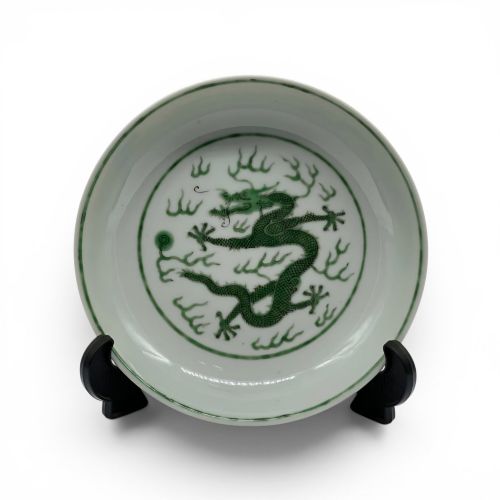
When searching for an asian art decorative dish, you encounter a diverse array of chargers, bowls, and plates originating from various periods including the Meiji and Qing dynasties. These pieces serve as striking focal points, showcasing meticulous hand-painted details and traditional motifs.
The most common examples on this page are Japanese Imari porcelain chargers and detailed cloisonne enamel vessels. Such items reflect the rich artistic traditions of East Asia, spanning the nineteenth century up to the Edwardian era.
Materials and construction techniques
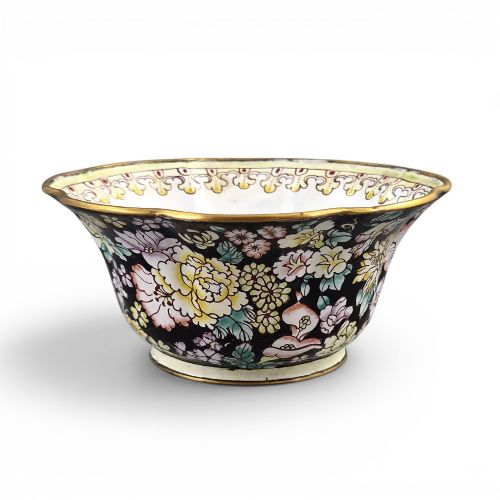
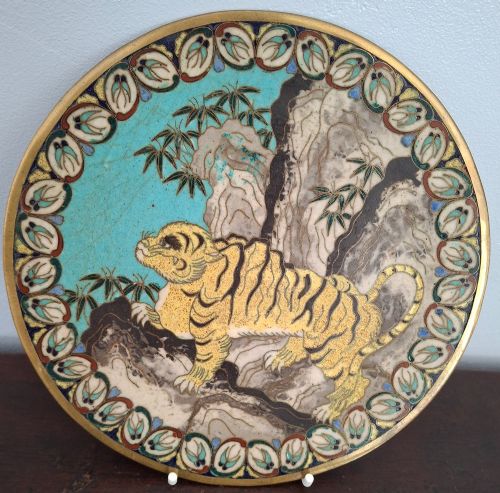
The creation of these objects relies heavily on traditional porcelain and copper bodies combined with intricate enamel work. Artisans applied coloured enamels within delicate metal wire cells for cloisonne pieces, or painted directly onto copper and porcelain surfaces.
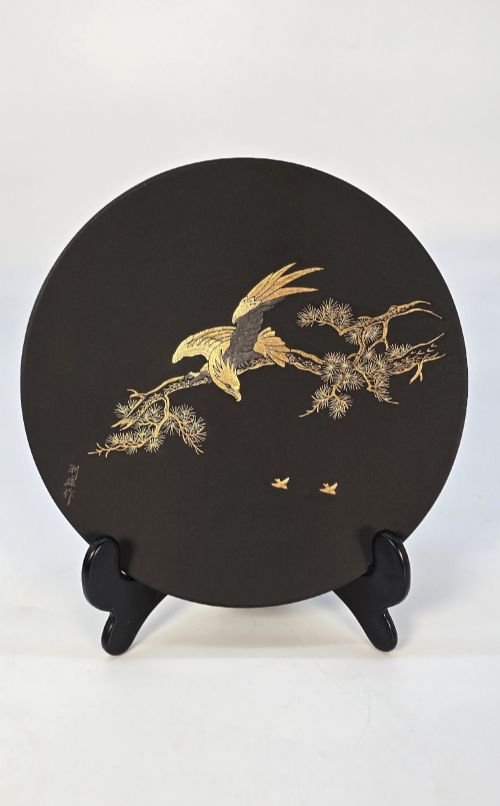
Gilt and gold leaf highlights frequently enhance the visual depth, while specialised techniques produce patinated iron plaques inlaid with precious metals. Each method demands high levels of specialised skill passed down through generations.
Asian Art Decorative Dish Retail Price Guide 2026
Typical asking prices for asian art decorative dish among the pieces listed under this phrase on Sellingantiques today, from the lower quarter to the upper quarter. They describe what is for sale here now, not the wider market.
Several antique dishes prominently feature legendary seven lucky gods and leaping koi fish, bringing centuries of traditional folklore directly onto the ceramic surface.
Distinctions in quality and execution
Quality separates standard decorative items from masterworks through the precision of the enamel work and the complexity of the painted motifs. Superior examples display crisp lines, balanced compositions, and rich, consistent colour palettes.
The presence of artist signatures, intricate gold or silver inlay, and exceptional scale further elevate certain chargers and bowls. Lesser pieces often feature simpler designs with less refined surface finishes and standard ceramic bodies.
Kinkozan Kyoto Satsuma·Hododa Yokohama
The Asian Art Decorative Dish Glossary
- Cloisonne
- A decorative metalwork technique where thin wire creates raised barriers to hold enamel paste. These compartments are then fired and polished to a smooth finish.
- Imari
- A traditional style of Japanese porcelain featuring distinctive cobalt blue, iron red, and gilt decoration. These ceramics were widely produced for both domestic use and export.
- Satsuma
- A type of Japanese earthenware characterised by a pale, ivory-coloured crackle glaze. Artisans typically decorate these pieces with elaborate polychrome enamels and gold.
- Charger
- A large ornamental plate intended for display rather than dining. These substantial pieces highlight the peak artistic achievements of the potter or enamelist.
Asian Art Decorative Dish: Frequently Asked Questions
How do I display an asian art decorative dish safely?
Large chargers and plates require sturdy plate stands designed to support significant weight. Position them away from direct sunlight and high-traffic areas to protect the delicate enamel and gilt surfaces.
Securing heavier plaques with professional wall-mounting hardware prevents accidental tipping. Ensure the wall brackets distribute the weight evenly across the structure of the piece.
Can I use these decorative dishes for serving food?
Antique ceramic and enamel dishes serve primarily as decorative objects rather than functional tableware. The older glazes and metal inlays may react poorly to acidic foods and frequent washing.
Preserve the integrity of the surface decoration by keeping these items strictly for display. Gentle dusting with a dry, soft cloth remains the best maintenance method.
How do I identify the period of an enamel dish?
Dating relies on examining the wiring style, enamel colours, and base characteristics of the piece. Nineteenth-century examples often feature heavier copper foundations and distinct colour tones compared to later items.
Signatures, painted marks, and associated stylistic motifs help narrow down the production era. Comparing the construction details with documented pieces provides further chronological clarity.
What is the difference between Imari and Satsuma ware?
Imari ware consists of hard porcelain decorated with deep cobalt blue and rust red pigments, often highlighted with gold. The aesthetic is bright, durable, and vitreous.
Satsuma ware utilises a softer, cream-coloured earthenware body covered in a fine crackle glaze. Artisans paint these surfaces densely with detailed figural and floral scenes.