







Oriental Enamel Ceramic Urn
These oriental enamel ceramic urn pieces unite centuries of decorative pottery tradition, bringing finely painted panels and rich gilding into domestic interiors.
Oriental Enamel Ceramic Urn
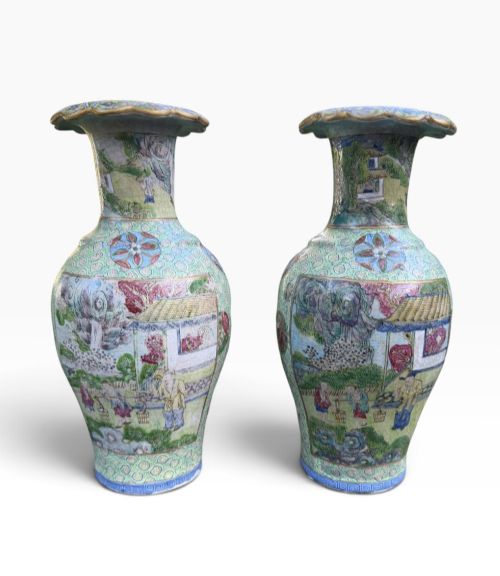
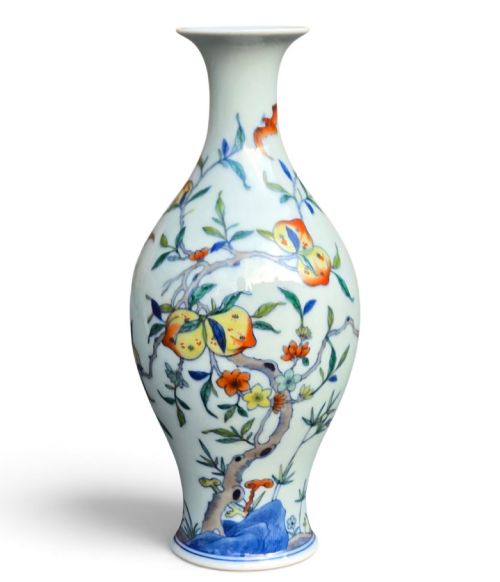
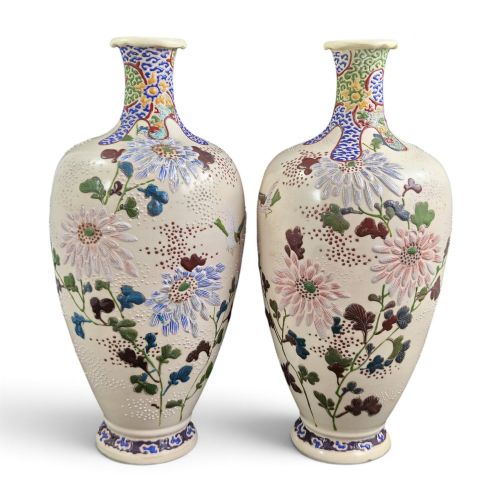
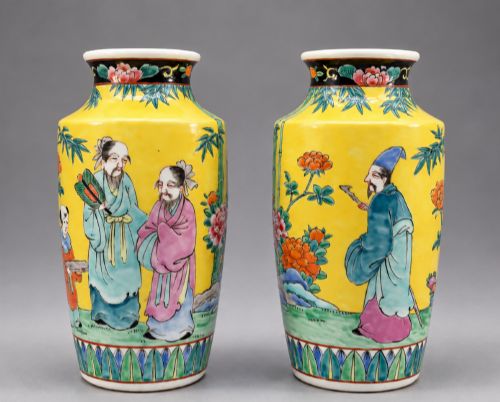
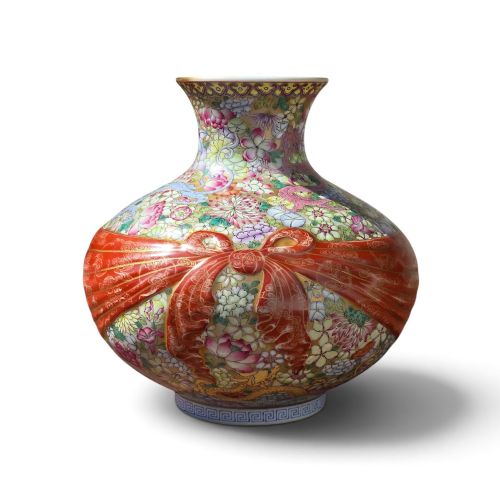
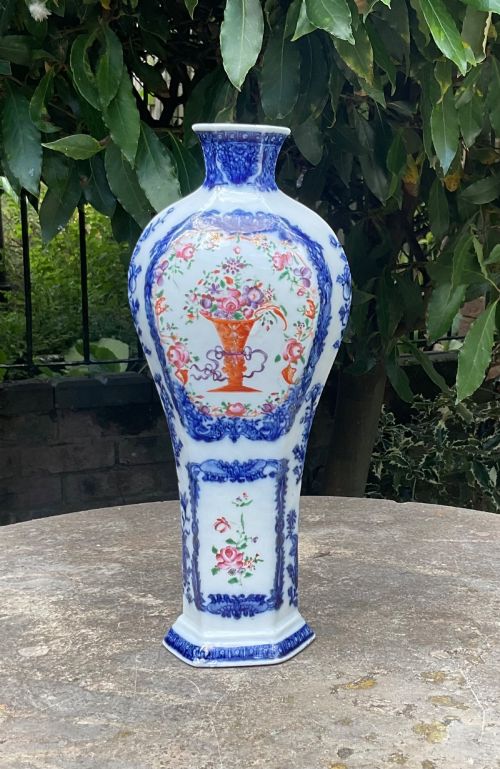
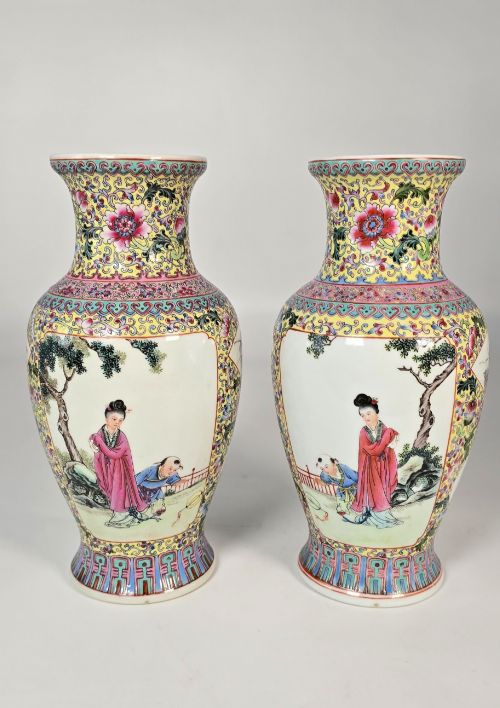
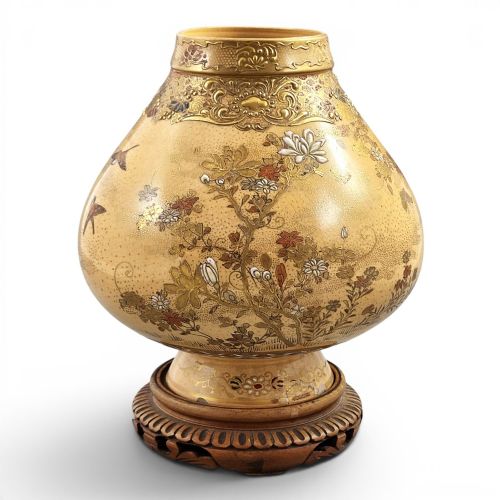
When searching for an oriental enamel ceramic urn, collectors encounter substantial vases, ginger jars, and jardinieres originating from Chinese and Japanese kilns. The selection spans the nineteenth century through the early twentieth century, encompassing Qing Dynasty porcelain and Meiji period earthenware.
Vessels from this grouping frequently display narrative scenes, floral motifs, or court figures rendered in polychrome enamel. Many examples combine porcelain or earthenware bodies with detailed gilt highlights and raised moriage work.
How they were made
Makers utilised ceramic bodies formed from porcelain, earthenware, or stoneware, subsequently finished with applied glazes and fired in kilns. Artisans then hand-painted intricate designs using coloured enamel paints alongside gold leaf and gold gilt accents.
Techniques such as moriage involved building up layers of slip to create raised surface textures before adding final enamel details and metallic gilding.
Oriental Enamel Ceramic Urn Retail Price Guide 2026
Typical asking prices for oriental enamel ceramic urn among the pieces listed under this phrase on Sellingantiques today, from the lower quarter to the upper quarter. They describe what is for sale here now, not the wider market.
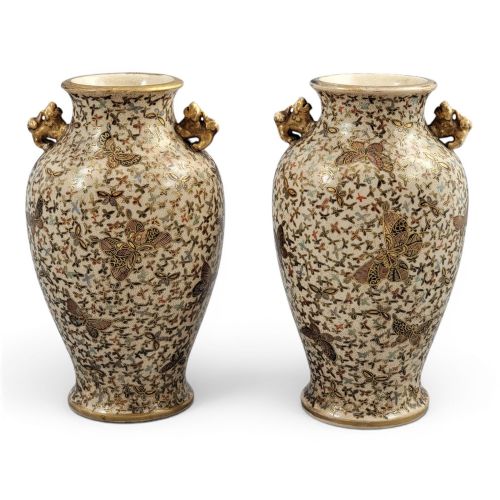
Certain Satsuma vases depict thousands of minuscule butterflies fluttering across the ceramic surface in meticulous detail.
What varies in quality
Quality rests upon the precision of the hand-painted brushwork and the complexity of the enamel palette applied across the vessel surface. Pieces demonstrating finer detail in facial expressions, intricate floral panels, and heavier applications of gold leaf stand apart from standard production items.
The sophistication of the ceramic body and the depth of the glaze also dictate the standing of an individual piece within the wider field.
Maruni Kobe·Manpei Kobe·Kinkōzan Workshop·Makuzu Kozan II·Seiko-en Chokei
The Oriental Enamel Ceramic Urn Glossary
- Famille rose
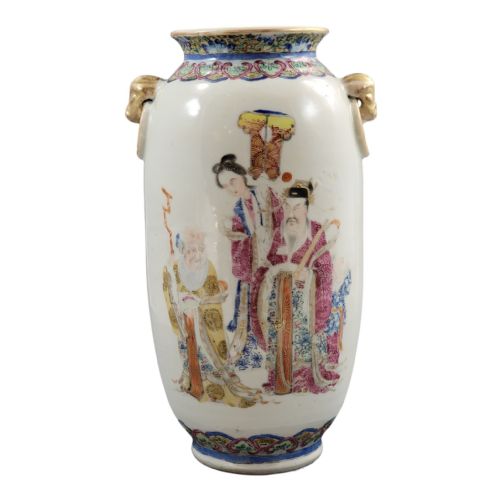
- A major palette of Chinese ceramic glazes introduced during the Qing dynasty, distinguished by opaque pink or rose enamel colours.
- Satsuma
- A type of Japanese earthenware originating from Satsuma Province, characterised by a pale, ivory-coloured crackle glaze and detailed polychrome enamel decoration.
- Moriage
- A decorative ceramic technique featuring raised clay ornamentation applied before glazing and firing to produce textured relief effects.
- Gilt
- A thin layer of gold or gold-like material applied to the surface of ceramics or metalwork to provide metallic highlights.
Oriental Enamel Ceramic Urn: Frequently Asked Questions
How were these urns used originally?
These vessels served primarily as decorative ornaments within elite interiors, often displayed on pedestals, tables, or within reception rooms to showcase wealth and taste.
Larger forms functioned as floor vases or jardinieres for indoor plants, while covered jars held precious commodities or stood purely as ornamental centrepieces.
How do I distinguish Chinese from Japanese pieces?
Chinese examples from periods like the Qing Dynasty frequently employ fine white porcelain bodies decorated with famille rose or famille verte enamel palettes.
Japanese Satsuma pieces typically utilise a distinctly softer earthenware body covered in a fine crackle glaze and heavily embellished with gilt figures and flora.
How should I clean my ceramic urn?
Dust the surface gently using a soft, dry artist's brush or a clean microfiber cloth to remove particles without disturbing delicate enamel or gilt details.
Avoid liquid cleaners, chemical solvents, or immersion in water, as these substances can damage fragile historic enamels and gold leaf applications.