



Chinese Pottery Urn
These Chinese pottery urn options bring centuries of ceramic history into a room, offering striking forms and painted decoration.
Chinese Pottery Urn
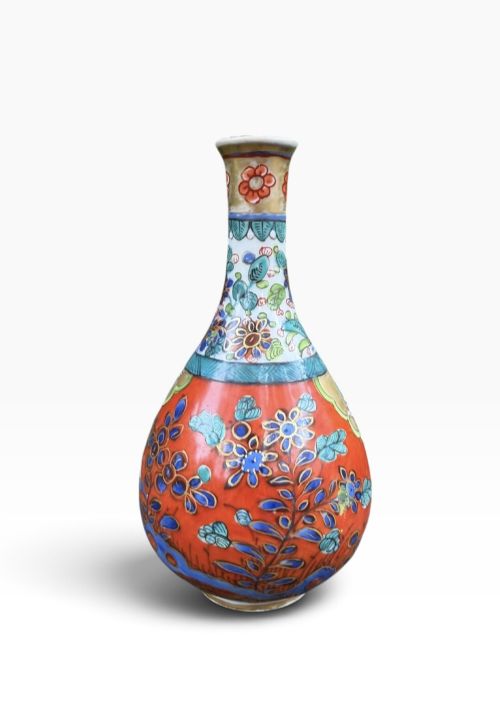
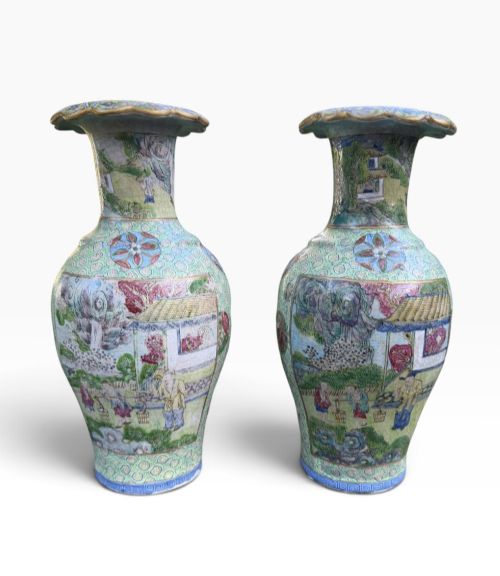
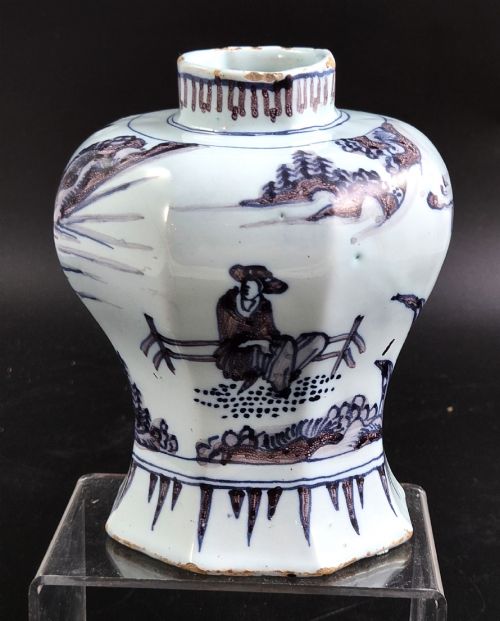
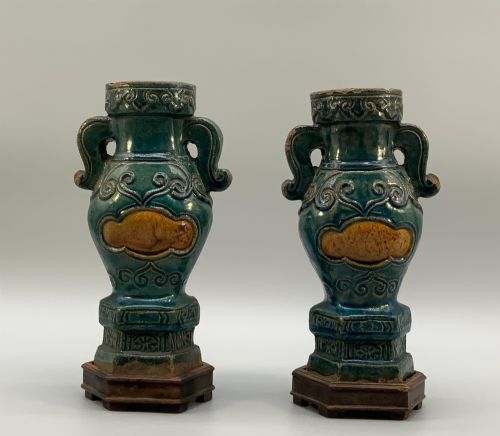
When a buyer searches for a chinese pottery urn, they encounter a diverse range of vessels, jars, and vases spanning multiple dynasties and centuries. The selection includes everything from ancient Neolithic vessels to Ming dynasty pots and later Qing dynasty famille rose creations.
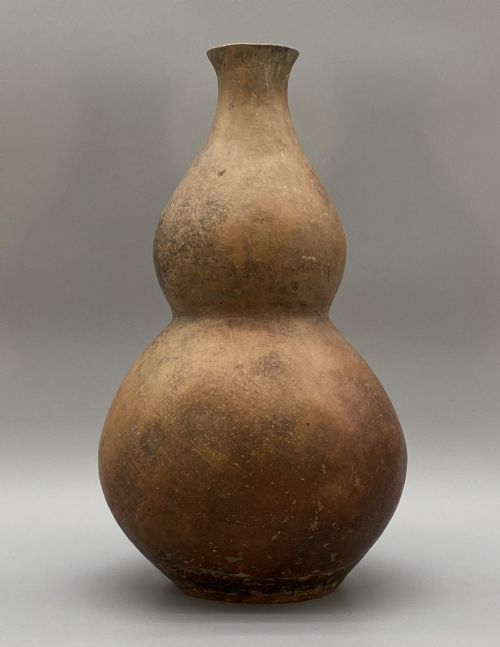
The objects take many forms, including double-gourd vases, ovid jars with covers, square famille verte pieces, and large baluster shapes. Vases and decorative jars dominate the selections, alongside occasional table lamps and vessels with integrated stands.
Origins span deep historical periods, notably the Yangshao culture, Tang and Song dynasties, through to the 19th and early 20th centuries. Buyers regularly meet pieces associated with specific imperial reigns, Jingdezhen production, and traditional export styles.
Materials and Construction Methods
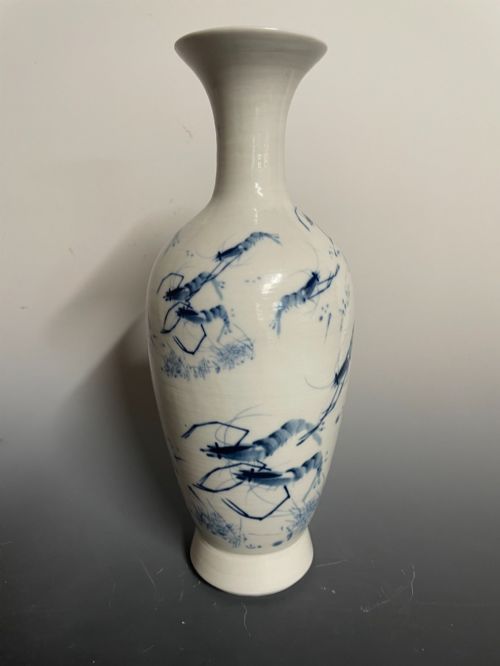
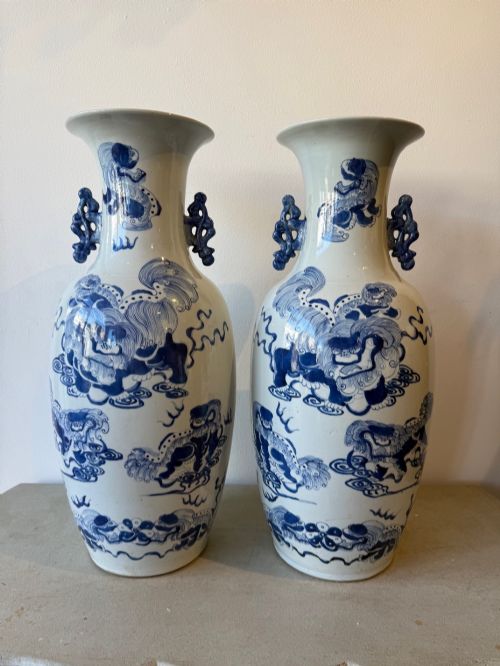
Potters utilised foundational materials such as earthenware, porcelain, and ceramic, shaping them into robust jars and vases. Artisans applied surfaces of cobalt glaze, enamel, celadon, and blue and white pigments to achieve distinct coloration.
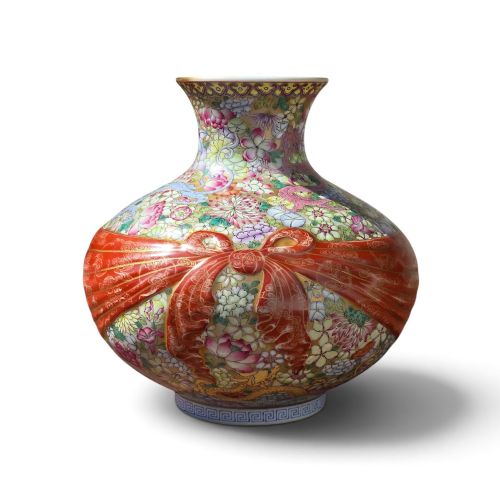
Decoration often involved intricate hand-painted details, iron-red ribbons, and gold leaf accents. Certain pieces incorporated brass elements or red cinnabar lacquer to enhance the visual texture of the finished vessel.
Chinese Pottery Urn Retail Price Guide 2026
Typical asking prices for chinese pottery urn among the pieces listed under this phrase on Sellingantiques today, from the lower quarter to the upper quarter. They describe what is for sale here now, not the wider market.
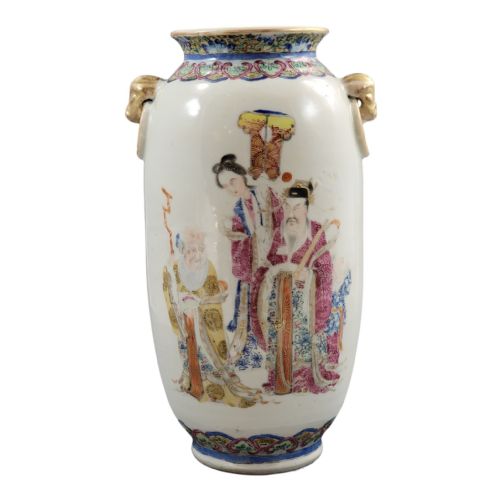
Several vases depict immortals and deities alongside ducks sharing space with lotus flowers on ancient pond waters.
Evaluating the Pieces
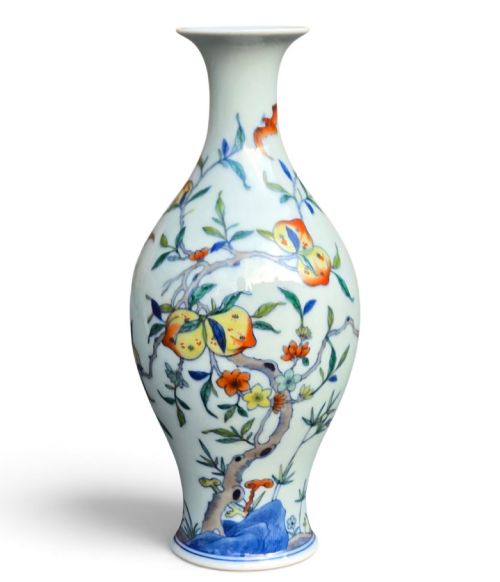
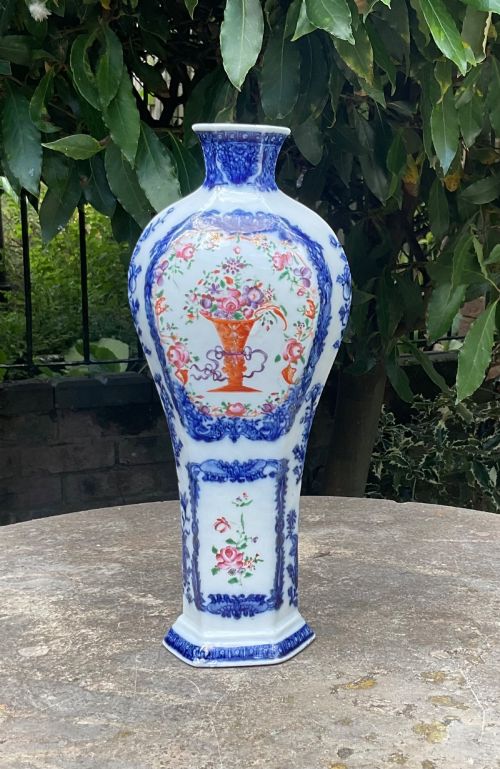
Quality rests in the precision of the hand-painted brushwork and the depth of the glaze, whether cobalt blue, doucai, or famille rose enamel. Superior examples display balanced proportions, crisp detail in figures or motifs like dragons and lotus flowers, and clear base marks.
The execution of the form, integrity of the ceramic body, and survival of delicate surface details distinguish standard production from exceptional historical items. Age and period attribution also heavily influence the character of each piece.
Gao Hengsheng·Jingdezhen
The Chinese Pottery Urn Glossary
- Famille Rose
- A prominent palette of opaque enamel colours introduced in the Qing dynasty, characterised by pink hues. It allowed for nuanced shading and detailed pictorial scenes.
- Celadon
- A term for pottery featuring a pale green jade-like glaze originating in ancient kilns. This glaze typically covers a stoneware or porcelain body.
- Doucai
- A decorative technique combining underglaze blue outlines with overglaze enamel infill. Artisans fired the piece twice to achieve the contrasting effect.
- Double-Gourd
- A vessel shape formed by two joined bulbous sections resembling a traditional water gourd. This silhouette holds symbolic significance in Chinese culture.
Chinese Pottery Urn: Frequently Asked Questions
How old are these Chinese pottery urn pieces?
The items range from Neolithic Yangshao culture pieces dating back thousands of years to Tang, Song, and Ming dynasty works. Many examples originate from the 19th century and the Late Qing to Early Republic periods.
Specific dates depend on the individual vessel, with some marked by imperial reigns or associated with historical eras recorded in the titles.
What materials make up these Chinese vessels?
Potters utilised earthenware, ceramic, and porcelain as the primary body materials for these jars and vases. Surfaces were frequently finished with cobalt glaze, enamel, celadon, or gold leaf.
Additional decorative elements include brass fixtures, red cinnabar lacquer, and iron-red pigments applied during specific historical dynasties.
How were these Chinese urns used originally?
Many of these vessels served as decorative jars, storage containers, or ritual items within Chinese households and palaces. Their elaborate designs and painted scenes also made them important display pieces.
Over time, some urns and vases were adapted into table lamps while retaining their historic ceramic bodies.
How do I identify a Qing dynasty vase?
Qing dynasty pieces often feature famille rose or famille verte enamels, intricate hand-painted figures like immortals, and specific reign marks on the base. Stylistic traits include balanced baluster forms, ovid jars with covers, and detailed floral motifs.
Comparing the glaze type, such as doucai or blue and white, helps connect the piece to periods like the Kangxi or Qianlong eras.