




Oriental Enamel Bowl
When you search for an oriental enamel bowl, you enter a world of vibrant porcelain and metallic craftsmanship from China and Japan.
Oriental Enamel Bowl
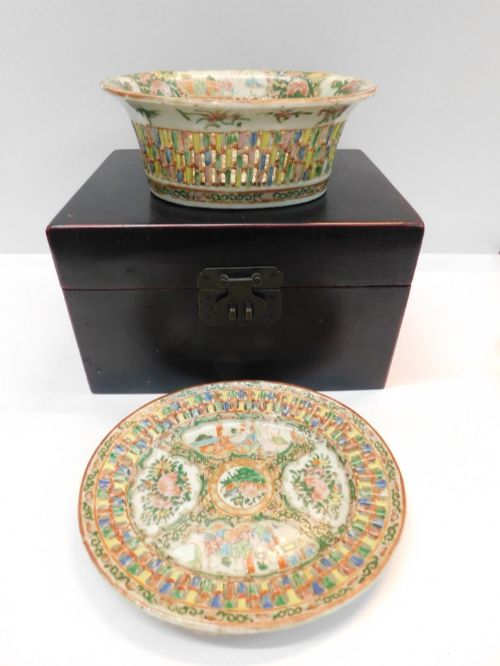
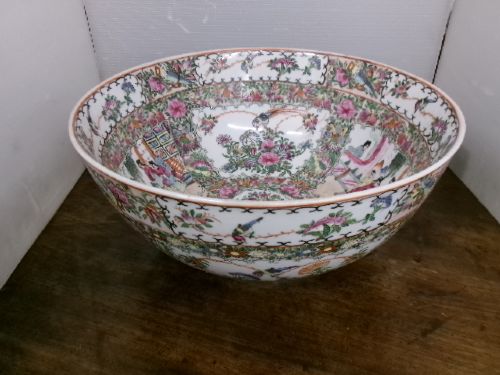
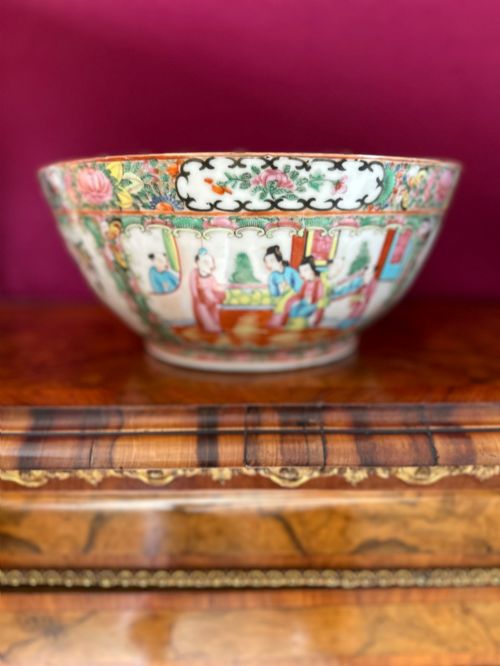
An oriental enamel bowl encompasses various forms ranging from large punch bowls and jardinieres to delicate porcelain dishes and cloisonne chargers. You will encounter pieces spanning the Qing Dynasty and the Meiji period, reflecting rich traditions of Eastern decorative arts.
How they were made
Craftsmen utilised porcelain and metals such as copper, bronze, and brass as the foundational bodies for these vessels. Artisans applied coloured enamels by hand, often incorporating detailed hand-painted motifs or cloisonne wirework to delineate patterns.
Firing techniques in Chinese and Japanese kilns allowed for rich glazes and over-enamelling, sometimes supplemented by gold leaf or gilt accents to highlight floral and animal scenes.
Watch for tiny cloisonne birds frozen mid-peck among enameled peonies on 19th-century Japanese chargers.
What varies in quality
Quality rests upon the precision of the enamel work and the complexity of the hand-painted or wire-laid decoration. Superior examples demonstrate meticulous control over the firing process, resulting in crisp imagery and harmonious colour palettes.
The weight of the bronze or porcelain body and the presence of artist signatures or reign marks further distinguish exceptional pieces from standard decorative wares.
Kozan
The Oriental Enamel Bowl Glossary
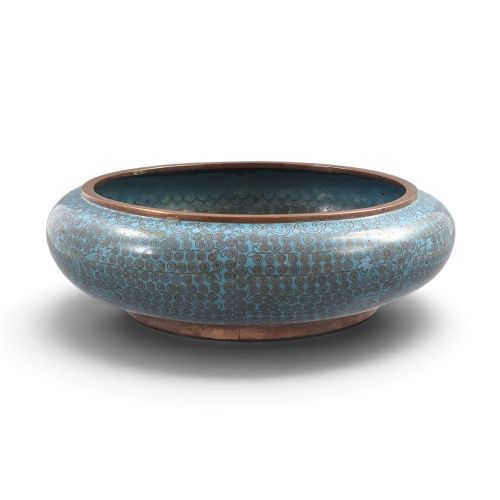
- Cloisonne Enamel
- A technique where metal wires form raised cells on a metallic body to contain vitreous enamel pastes before firing. This method creates distinct compartmentalised patterns.
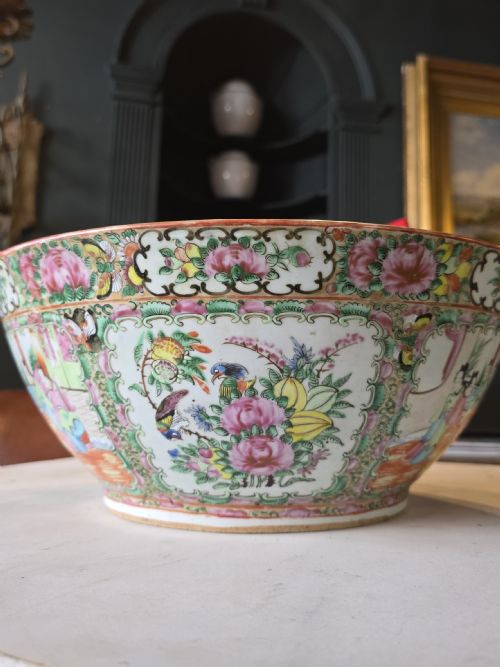
- Famille Rose
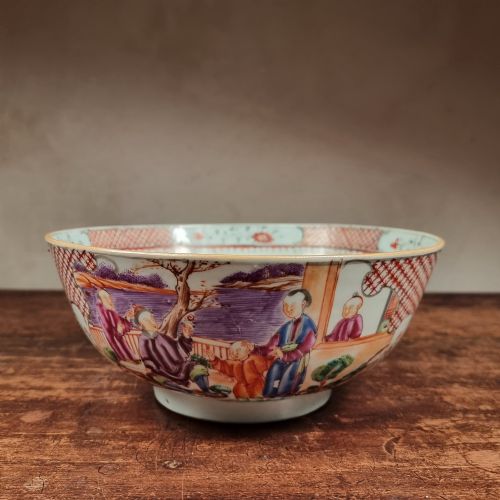
- A palette of opaque rose-pink and other soft enamel colours introduced to Chinese porcelain during the Qing Dynasty. It permitted nuanced shading of floral and figurative motifs.
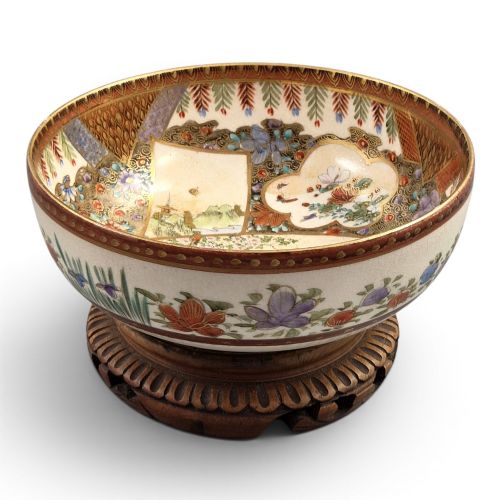
- Satsuma Ware
- Japanese earthenware featuring a crackle glaze decorated with polychrome enamels and extensive gilding. Originating in Kagoshima, it became prominent during the Meiji period.
- Jardiniere
- An ornamental pot or bowl designed to hold plants or flowers. These vessels appear in both porcelain and cloisonne metal forms.
- Qianlong Period
- The era of the Qing Dynasty spanning from 1736 to 1795, known for high technical refinement in porcelain production.
Oriental Enamel Bowl: Frequently Asked Questions
How were these bowls used historically?
Many large vessels served as punch bowls for entertaining or as jardinieres for displaying plants within wealthy households.
Smaller items functioned as scholar's desk accessories, such as brush washers, or simply as decorative showpieces in period interiors.
How do I identify a Meiji period bowl?
Meiji period Japanese pieces often display characteristic dense decorative styles such as Satsuma ware or fine cloisonne work with bird and floral subjects.
They frequently date between 1868 and 1912, occasionally bearing artist signatures on the base.
What is the difference between porcelain and cloisonne bowls?
Porcelain bowls utilise a ceramic body painted with coloured enamels and glazed in a kiln, as seen in Famille Rose wares.
Cloisonne bowls use a metal base of copper or bronze where wires create compartments filled with enamel paste before firing.
How should I care for antique enamel bowls?
Keep them away from direct sunlight and extreme humidity changes to protect both the metal substrates and the delicate surface enamels.
Dust gently with a soft, dry cloth and avoid using chemical cleaning agents or submerging metallic vessels in water.