





Oriental Cloisonne Decorative Urn
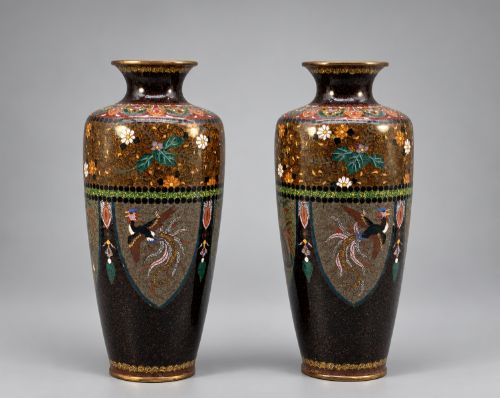
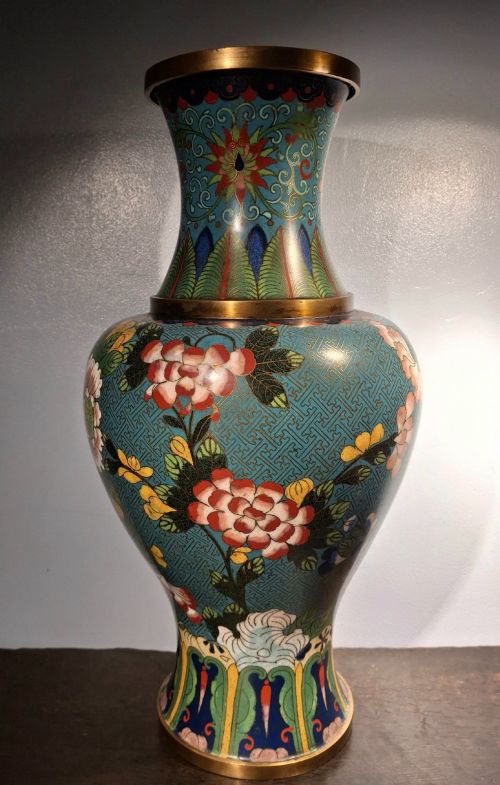
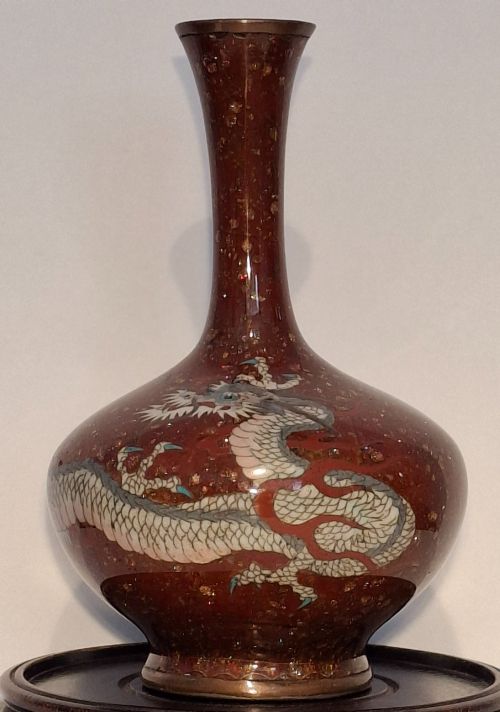
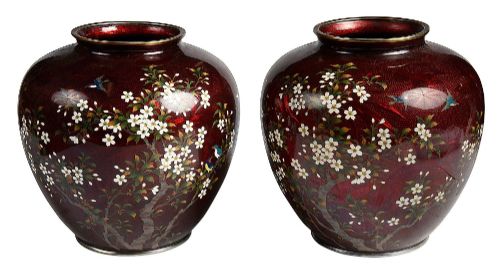
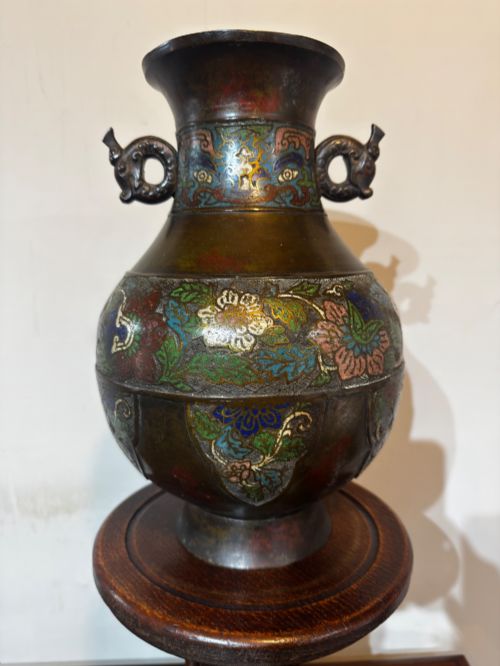
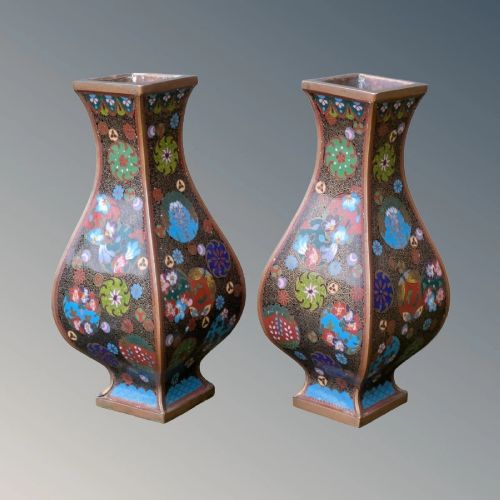
An oriental cloisonne decorative urn brings heavy metalwork and vivid vitreous cells into a room with striking presence.
Oriental Cloisonne Decorative Urn
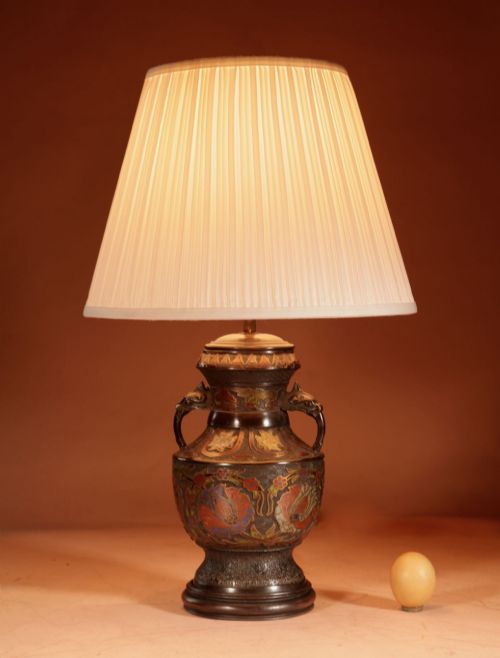
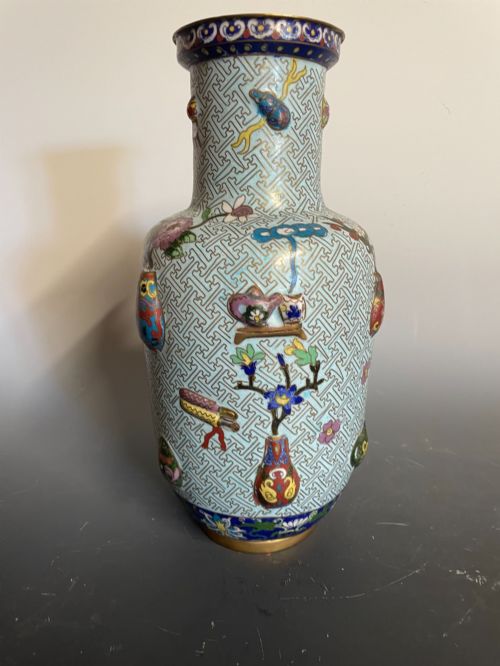
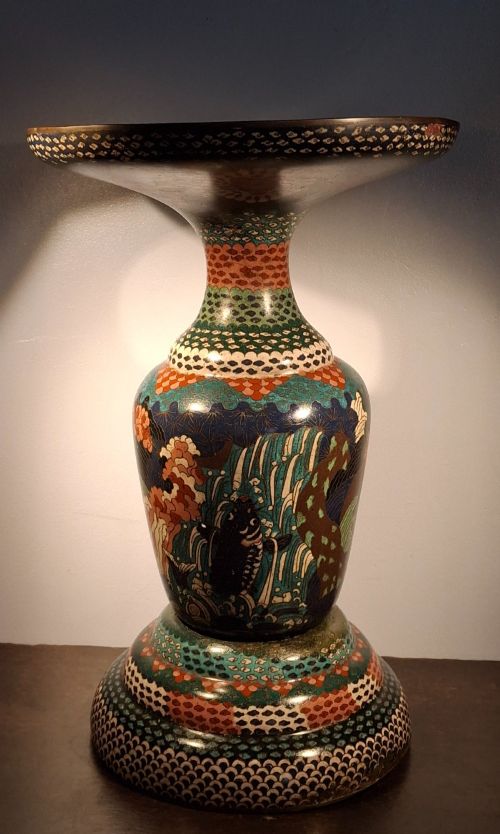
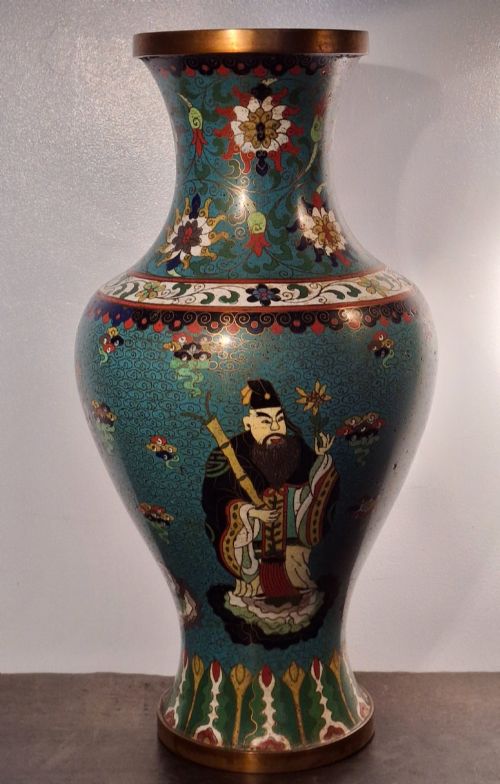
An oriental cloisonne decorative urn covers vessels fashioned in both Chinese and Japanese workshops during the nineteenth and early twentieth centuries. These objects appear mostly as vases, palace jars, jardinieres, and occasionally converted table lamps.
The nineteenth century provides the bulk of the pieces, stretching from Victorian examples down to Edwardian items and pieces dated around 1930. Japanese Meiji and Edo periods sit alongside Chinese Qing dynasty styles across the selection.
Vessels range from miniature pairs to huge palace vases standing over ninety centimetres tall. Buyers encounter single items, matched pairs, and sets of three.
How they were made
Workmen form the foundation of each oriental cloisonne decorative urn using copper, brass, or bronze. Onto this metal base they solder thin wire filaments to map out intricate decorative cells.
Coloured enamel paste fills these tiny compartments before the vessel undergoes firing and polishing. Gilt bronze and wood elements sometimes supplement the main metal body, while fabric appears in related mountings.
Oriental Cloisonne Decorative Urn Retail Price Guide 2026
Typical asking prices for oriental cloisonne decorative urn among the pieces listed under this phrase on Sellingantiques today, from the lower quarter to the upper quarter. They describe what is for sale here now, not the wider market.
Materials documented across the listings include copper, brass, bronze, gilt bronze, wood, and fabric alongside standard enamel.
What varies in quality
Quality rests upon the precision of the wirework and the depth of the enamel filling. Finer pieces display crisp cell boundaries and rich, uniform colour surfaces without pitting.
Scale and ambition also divide the standard work from exceptional output. Massive palace vases with complex depictions of phoenixes or koi demand greater technical mastery than smaller, simpler jars.
The Oriental Cloisonne Decorative Urn Glossary
- Cloisonne enamel
- A technique where wire soldered to a metal body creates cells filled with enamel paste. This method produces patterned surfaces with distinct metallic outlines.
- Champleve
- A process where troughs are dug directly into a metal base to hold enamel rather than using soldered wires. It appears on several bronze lamps and vases in the inventory.
- Jardiniere
- A large ornamental pot designed to hold growing plants or flowers. These items often match the build and enamel work of decorative urns.
- Palace vase
- An exceptionally tall vessel intended for grand interior spaces. Examples in the records reach heights up to ninety-one centimetres.
Oriental Cloisonne Decorative Urn: Frequently Asked Questions
Where should I place an urn?
These vessels suit prominent positions on heavy furniture or tables where their bright enamels draw the eye.
Large palace pieces stand effectively on the floor in hallways or corners, while smaller vases fit cabinets and sideboards.
How do I clean cloisonne?
Dust the surface gently with a soft, dry cloth to prevent dirt from accumulating in the wire grooves.
Avoid liquid cleaners and harsh chemicals, which can damage the polished metal and enamel finish.
How do I date an urn?
Look to the overall style, metal weight, and recorded period markers such as the Meiji or Qing eras.
Differences in the brightness of the enamel colours and the thickness of the base metal often signal whether an item originates in the nineteenth or early twentieth century.
Were these urns made for export?
Many items created during the late nineteenth and early twentieth centuries catered directly to Western decorative tastes.
Japanese and Chinese makers produced these striking vases to satisfy international demand for oriental metalwork.