



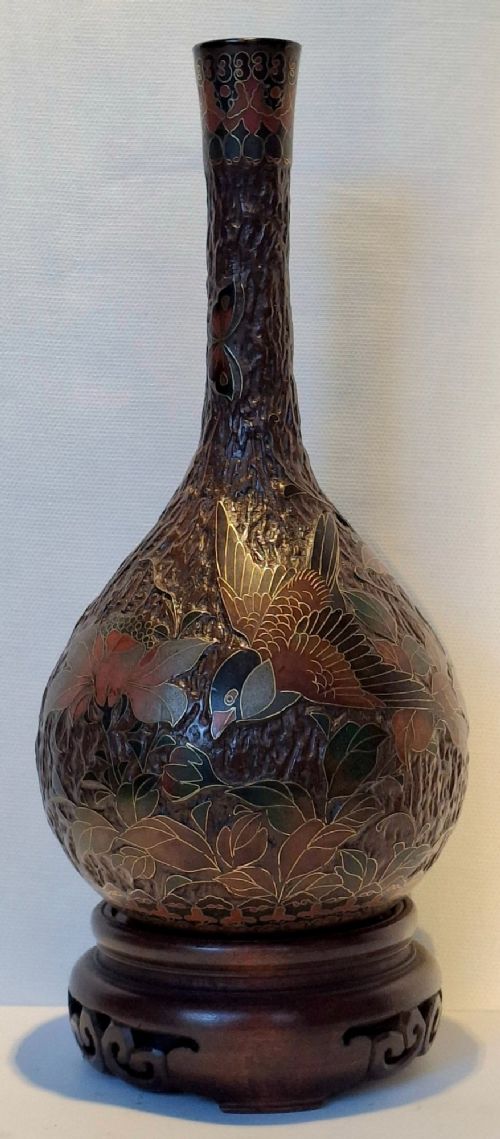
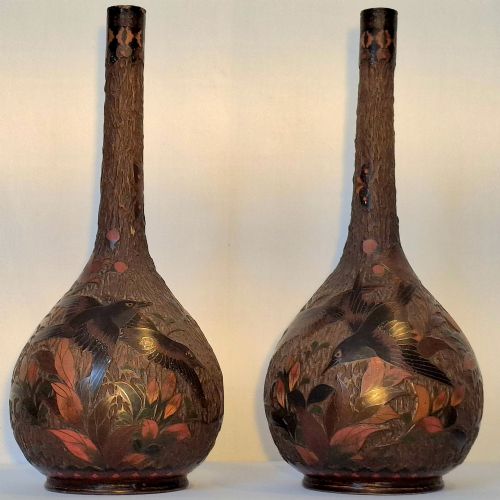
Antique Cloisonne Flower Vase
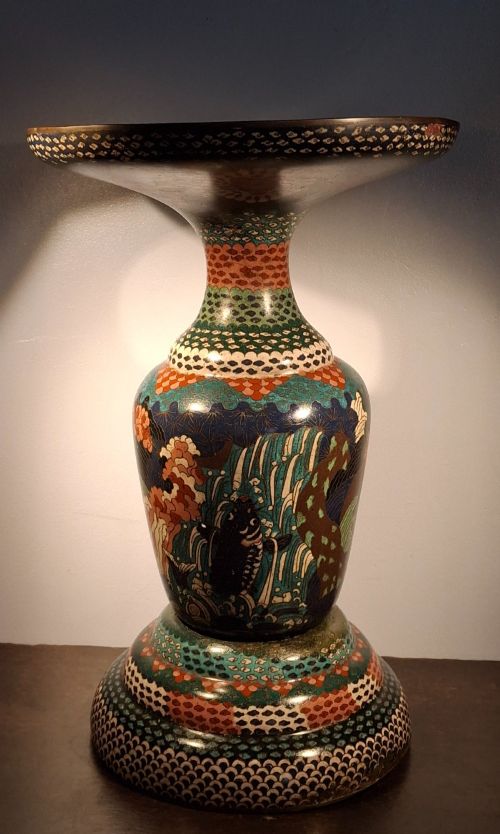
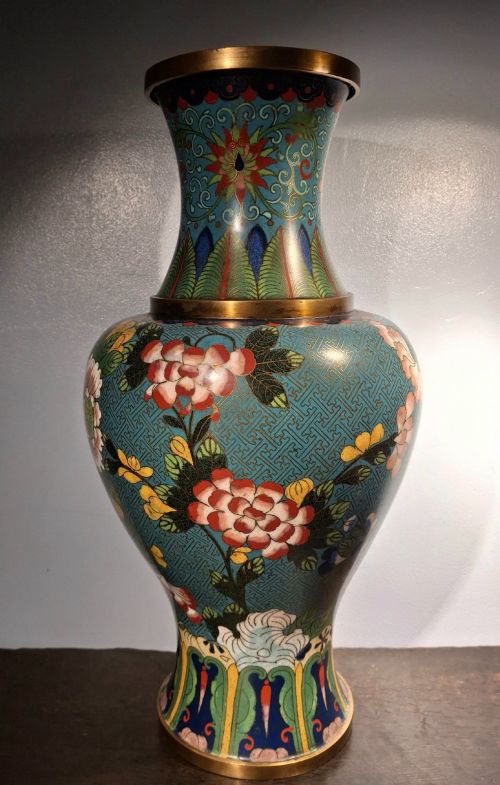
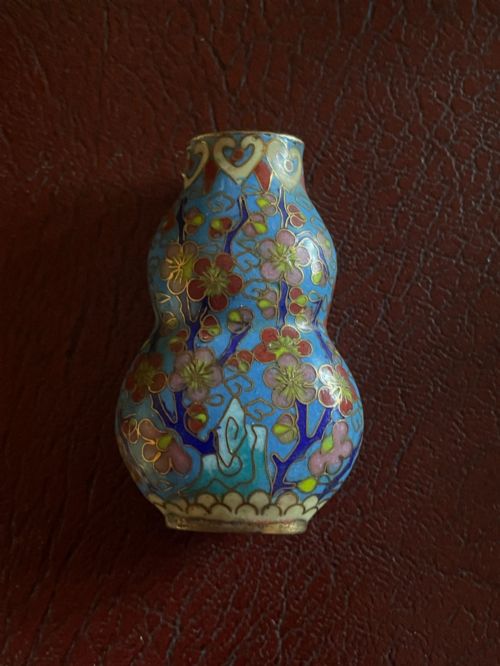
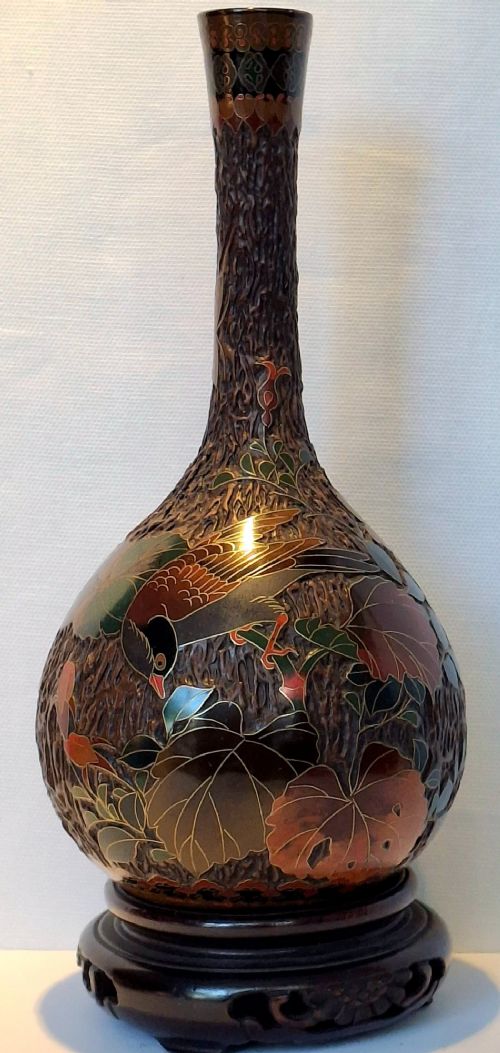
These antique cloisonne flower vase examples bring vibrant enamelled decoration and metalwork into any room.
Antique Cloisonne Flower Vase
An antique cloisonne flower vase represents a traditional decorative vessel formed from metal and coloured enamels. Buyers search this phrase to find ornamental containers featuring intricate cellwork and floral or avian motifs.
The pieces on this page span several distinct origins and eras, including Japanese Meiji and Showa periods, Chinese Qing dynasty and export wares, and nineteenth century French production. Most items take the form of standard vases or miniature vessels, alongside paired candelabra.
Makers and workshops from Japan and China feature prominently among the selections. Collectors encounter diverse designs ranging from silver wire ginbari groundwork to simpler gilt metal compositions.
How they were made
Artisans built these vessels using copper, brass, gilt bronze, or silver as a foundational metal body. Thin wire partitions were soldered onto the exterior to create compartmentalised designs known as cloisons.
Workers filled these tiny metal cells with coloured enamel paste before firing the piece in a kiln to vitrify the surface. Final grinding and polishing revealed the metallic lines holding the colourful enamel fields together.
Antique Cloisonne Flower Vase Retail Price Guide 2026
Typical asking prices for cloisonne flower vase among the pieces listed under this phrase on Sellingantiques today, from the lower quarter to the upper quarter. They describe what is for sale here now, not the wider market.
Listings feature items from the Victorian, Edwardian, Meiji, and Showa periods, utilising copper, brass, silver, and wood.
What varies in quality
The refinement of the wirework dictates much of the visual success of the piece. Finer, thinner silver or bronze wires require greater skill to shape into complex floral and bird patterns than thick, uniform divisions.
Enamel application also separates standard production from exceptional examples. Smooth, even colour fields without pitting or cloudiness indicate superior firing and finishing techniques by the workshop.
Ando Jubei·Tamura Yukio
The Antique Cloisonne Flower Vase Glossary
- Cloisonne
- Enamelwork created by soldering thin metal wires onto a metal base to form compartments that are filled with paste and fired. This technique allows for intricate multi-coloured patterns across the surface of the vessel.
- Ginbari
- A Japanese enamelling technique where a textured or patterned metal foil is applied beneath translucent enamel. This method produces a shimmering depth of field often seen in red or blue ground designs.
- Basse-Taille
- A transparent enamelling method where the metal background is carved or engraved so that light reflects differently through the translucent coloured layers. It adds subtle dimension to the decorated subject.
- Ormolu
- Gilt bronze ornamentation applied to nineteenth-century European decorative pieces. The technique involves treating bronze with a gold amalgam to achieve a bright, durable metallic finish.
- Meiji Period
- A Japanese historical era spanning from eighteen sixty-eight to nineteen twelve marked by significant export of high-grade metalwork and enamels. Pieces from this time frequently display meticulous wire execution.
Antique Cloisonne Flower Vase: Frequently Asked Questions
What is cloisonne enamel?
Cloisonne is an ancient metalworking and enamelling technique where thin wires are soldered to a metal body to create partitioned designs.
These enclosed cells are filled with coloured glass paste and fired at high temperatures to produce a durable, glossy decorative surface.
How do I date a vase?
Dating relies on stylistic clues, materials, and workshop marks associated with specific historical periods like the Meiji era or Qing dynasty.
Japanese pieces often reflect Meiji or Showa manufacturing traits, while European items utilise nineteenth-century French or Victorian design idioms.
Where were these vases made?
The pieces originate primarily from Japanese and Chinese workshops, alongside nineteenth-century European decorative production.
Japanese makers exported substantial quantities of wire enamels during the late nineteenth and early twentieth centuries.
How should I clean them?
Dust enamel surfaces gently with a soft dry cloth to avoid scratching the polished glass and metal composition.
Harsh chemical cleaners and abrasive polishes must be avoided entirely to preserve the delicate wire partitions.