

Oriental Carved Accent Table
An oriental carved accent table brings dense hand-carved detail and rich hardwood grain into a room, offering a functional surface steeped in international trade history.
Oriental Carved Accent Table
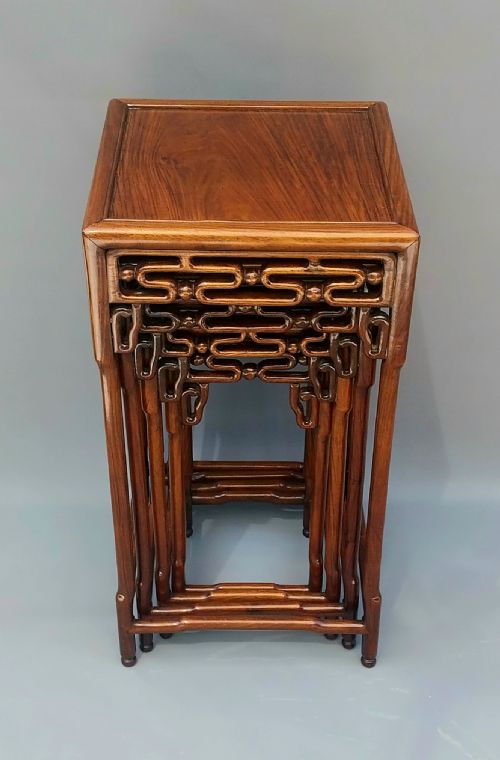
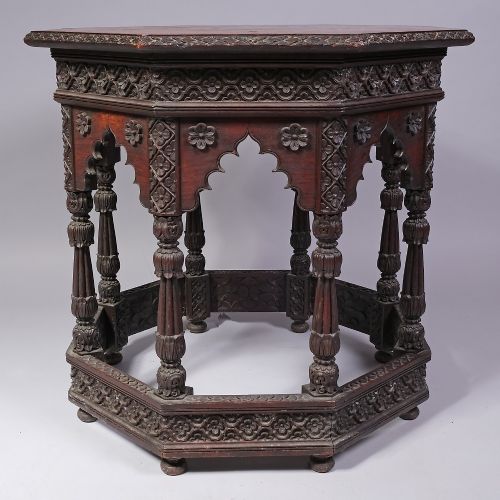
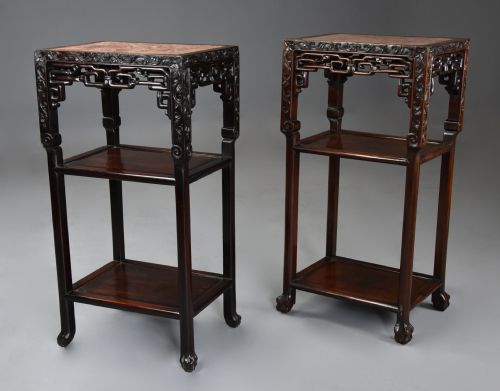
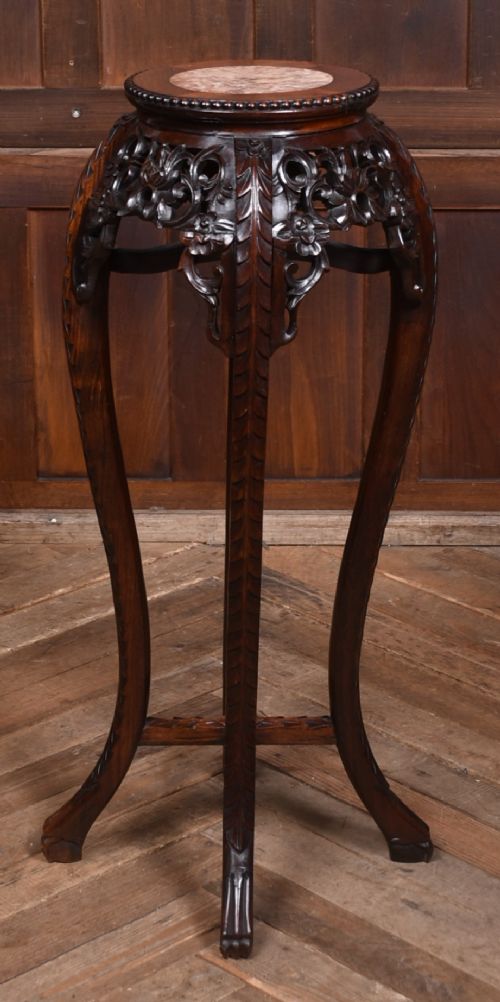
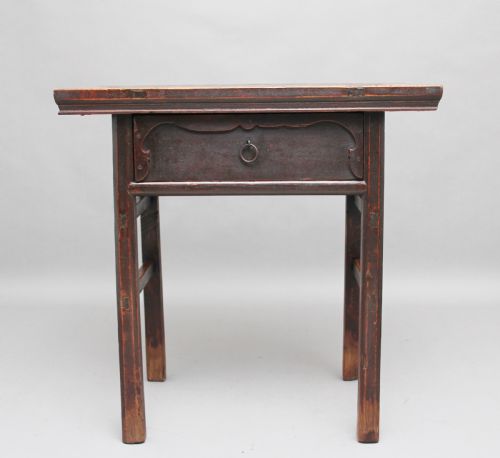
When searching for an oriental carved accent table, buyers encounter a diverse selection of occasional, coffee, and plant stand forms originating from nineteenth and early twentieth-century workshops. These low and medium height surfaces range from compact octagonal lamp tables to nested sets and larger centre tables.
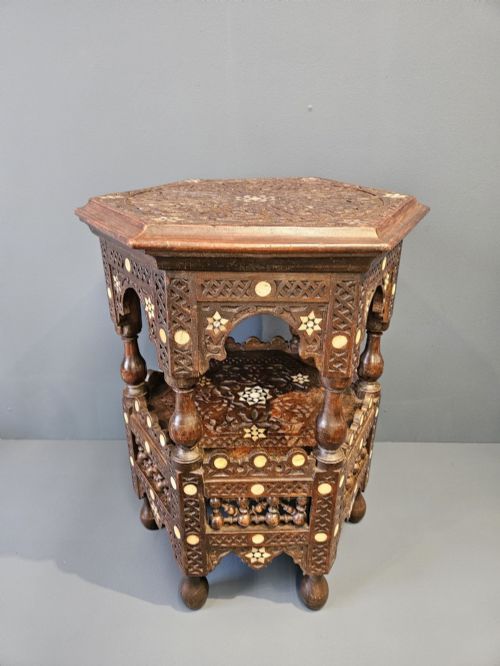
The aesthetic bridges several distinct regional traditions, most notably Anglo-Indian colonial production, Chinese export manufacturing, and Moorish revival design. Makers utilised indigenous timbers to supply British and international interiors with richly decorated furniture intended for display.
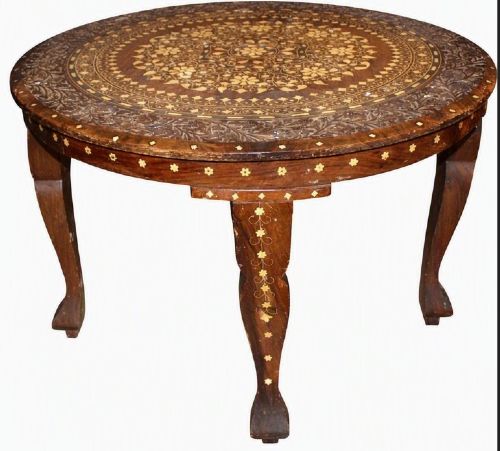
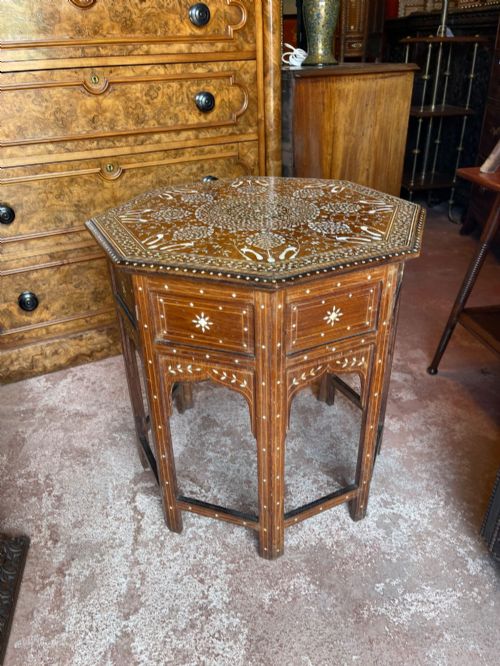
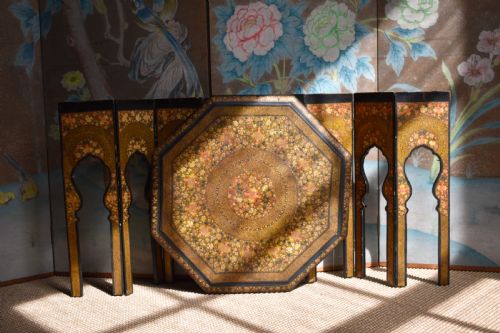
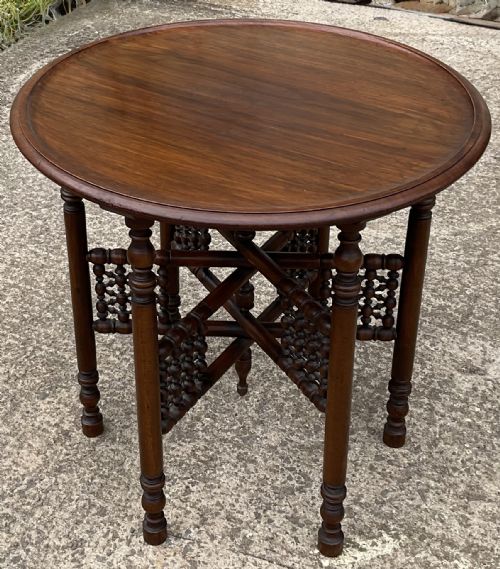
Octagonal and circular tops predominate, often supported by folding or intricately pierced folding stands, elephant head motifs, or column legs. These versatile pieces function effectively as standalone display surfaces or functional side tables in contemporary rooms.
Materials and construction methods
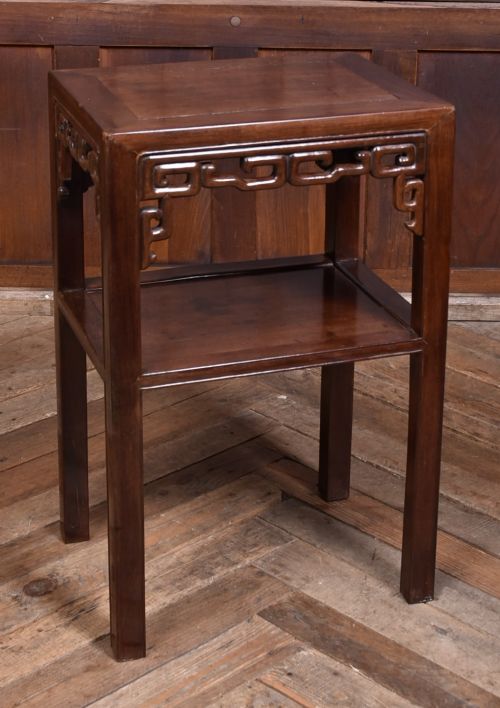
Construction relies heavily on dense exotic hardwoods such as rosewood, hongmu, teak, and elm, selected for their stability and capacity to hold extremely fine chisel work. Cabinet makers employed traditional joinery alongside intricate pierced carving to achieve deep relief foliage, figures, and dragons.
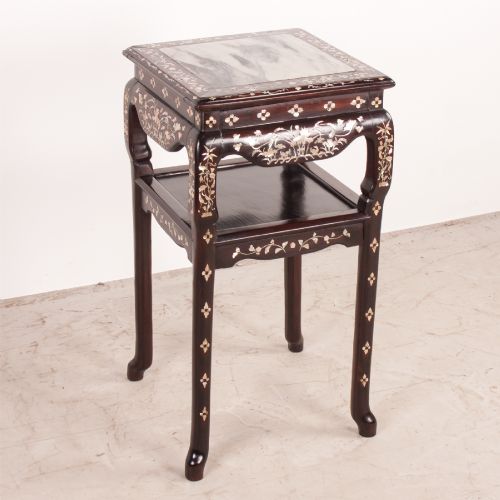
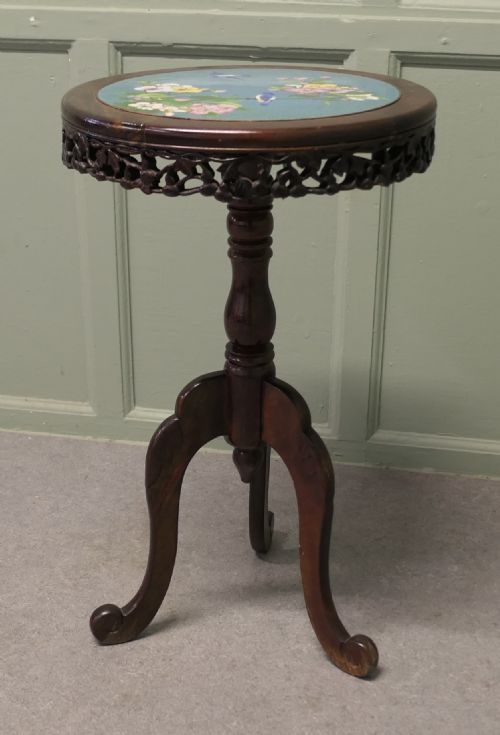
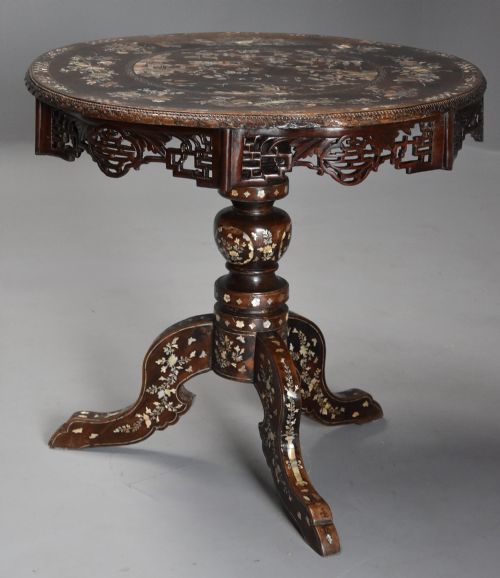
Many examples incorporate contrasting decorative elements, utilising inlaid bone, mother-of-pearl, or sheet brass to highlight geometric panels and floral borders. Surface finishes range from natural polished timber grains to dark black lacquer and painted Kashmiri details.
Listings feature hard timbers like rosewood alongside inlaid bone, marble, and brass across the nineteenth and twentieth centuries.
Judging the standard of execution
Quality rests primarily on the depth and sharpness of the hand carving, where crisp undercut foliage distinguishes superior workshop production from simpler commercial output. The complexity of the design, such as fully articulated animal figures or integrated multi-tier structures, elevates the piece.
The selection and stability of the primary timber also determine standard, with dense rosewoods and figured hardwoods holding detail far better over time than softer utility woods. Additionally, the precision of inlaid bone or mother-of-pearl work indicates the level of craftsmanship invested in the original commission.
Liberty And Co·Gabriel Viardot
The Oriental Carved Accent Table Glossary
- Hongmu
- A dense, dark tropical hardwood traditionally utilised in fine Chinese furniture production. It translates literally to red wood and develops a deep patina over time.
- Hoshiarpur
- A town in Punjab renowned for intricate woodwork, giving its name to tables densely decorated with carved foliage and inlaid bone.
- Chinoiserie
- European interpretation and imitation of Chinese artistic traditions and motifs, frequently applied to lacquered and decorated occasional tables.
- Jardiniere stand
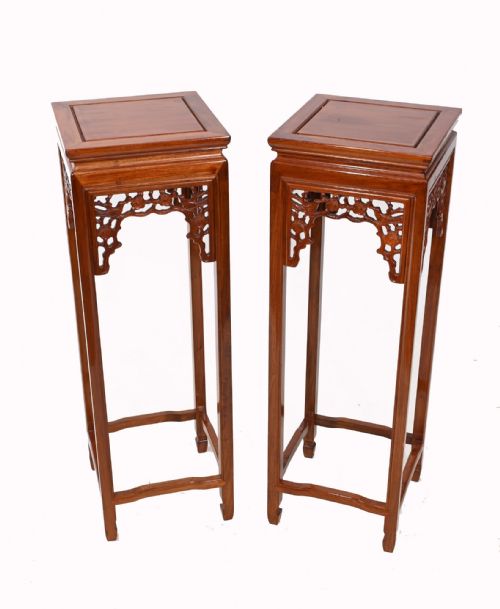
- A tall pedestal or small table specifically designed to support heavy ceramic plant pots or floral arrangements.
- Cloisonné
- An enamelwork technique where metal wire forms small compartments on a surface, which are then filled with coloured paste and fired.
Oriental Carved Accent Table: Frequently Asked Questions
How do I clean a carved wooden table?
Dust regularly with a soft, dry brush to prevent debris accumulating within the deep recesses of the carving.
Avoid liquid polishes or silicone sprays, applying a microcrystalline wax sparingly only when the timber appears dry.
Are these tables sturdy enough for daily use?
Most occasional tables function well for holding lamps, books, or drinks, provided they are placed on level flooring.
Folding octagonal stands require careful handling when moved to maintain the alignment of the interlocking wooden panels.
What is the difference between Anglo-Indian and Chinese tables?
Anglo-Indian pieces typically feature dense overall foliate carving, animal motifs, and bone inlay reflecting British colonial taste.
Chinese tables more commonly display mortise and tenon joinery, geometric borders, marble inserts, or mother-of-pearl inlay reflecting traditional domestic forms.
How do I identify the age of an accent table?
Examine the timber underside, hand-cut joinery, and tool marks left by the maker during the nineteenth or early twentieth century.
Check for natural shrinkage in the wood panels and wear patterns around the edges that indicate genuine age rather than recent production.