


Oriental Blue White Jar
An oriental blue white jar brings cobalt pigment and porcelain together into a domestic vessel that anchors a room with historical depth.
Oriental Blue White Jar
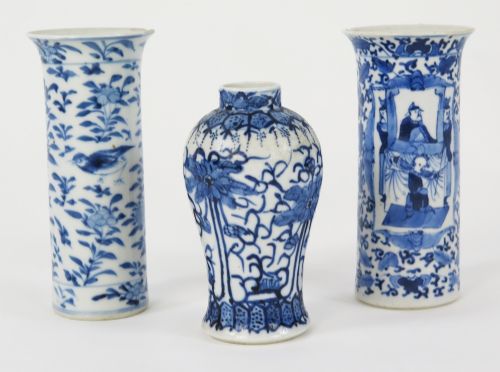
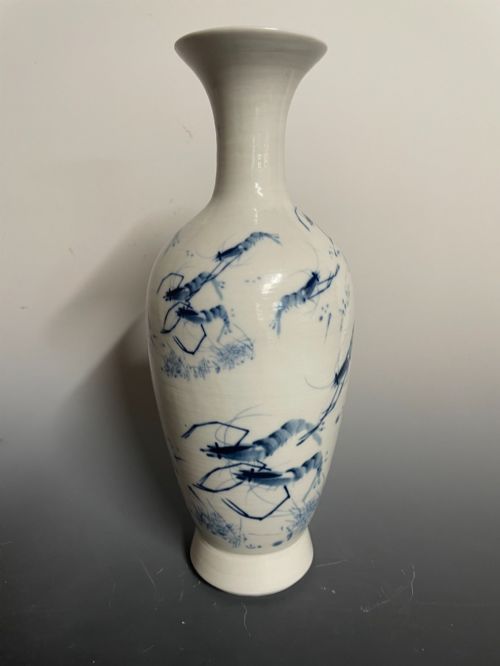
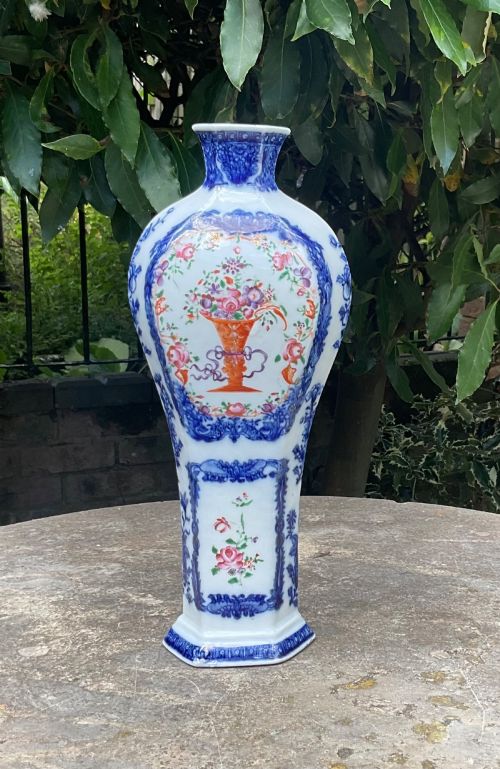
When you search for an oriental blue white jar, you encounter vessels created across centuries in China and Japan, spanning the Qing Dynasty and Japanese Meiji period. The selection on this page centres on ginger jars, lidded vessels, and tall vases, alongside pieces adapted as table lamps.
The objects originate from workshops working in Chinese Export, Japanese Edo, and traditional styles, utilising porcelain and ceramic bodies. You meet both utilitarian storage vessels and monumental display pieces designed for interiors.
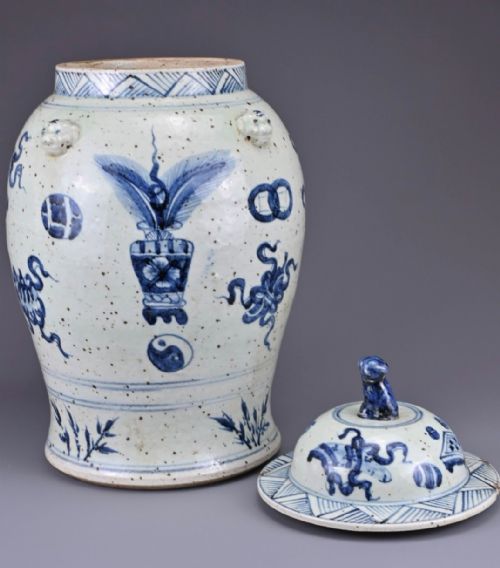
Lidded ginger jars and double-gourd vases dominate the inventory, often accompanied by crackleware canisters and kamcheng jars. These pieces bridge decorative arts and functional storage from earlier centuries.
Materials and construction
Potters shaped high-fire porcelain and ceramic bodies before applying cobalt glaze beneath a clear protective coat. This mineral pigment produces the characteristic deep blue decoration upon firing.
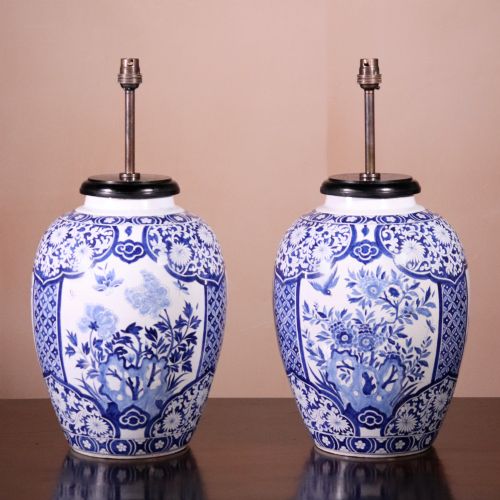
Some vessels incorporate brass fixtures or wooden bases added during later adaptations into lamps, combining ceramic bodies with auxiliary materials. Glazes range from smooth surfaces to intentional crackleware finishes.
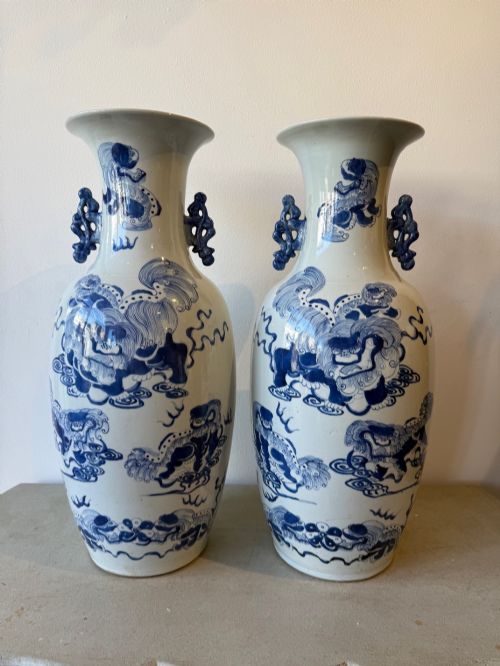
Buddhistic lions peer from seventeenth-century surfaces, guarding porcelain bodies against mischievous spirits with painted ferocity.
Evaluating craftsmanship
Quality rests in the clarity of the cobalt painting and the precision of the underglaze brushwork. Finer examples display crisp botanical or figurative motifs without blurring or running.
The purity of the porcelain body and the evenness of the glaze separate standard production wares from exceptional output. Well-executed marks to the base also distinguish significant pieces.
Makuzu Kozan
The Oriental Blue White Jar Glossary
- Cobalt Glaze
- A metallic blue pigment applied to ceramic bodies before firing under a transparent glaze. This mineral withstands high kiln temperatures without losing its colour.
- Ginger Jar
- A high-shouldered ceramic vessel originally used to transport spices and preserves. Later periods prized these jars for domestic display.
- Crackleware
- A ceramic finish featuring a network of fine decorative cracks within the glaze. Potters produce this effect through controlled cooling rates.
- Double-Gourd Vase
- A vessel shaped in two joined bulbous sections resembling a traditional gourd fruit. This form holds symbolic meaning in East Asian art.
- Underglaze Blue
- Decoration painted directly onto the raw ceramic body before applying the glaze and firing. The technique protects the pigment beneath a glassy seal.
Oriental Blue White Jar: Frequently Asked Questions
What were oriental blue white jars used for?
These vessels originally served practical roles in households and trade, functioning as storage containers for spices, ginger, and dry goods. Lidded jars kept contents secure during transport and daily use.
Over time, interiors incorporated them purely for decoration or converted them into lighting fixtures. Their sturdy porcelain bodies made them enduring household objects.
How do I date an antique jar?
Dating relies on examining the characteristics of the porcelain body, the depth of the cobalt blue, and any marks found on the base. Stylistic details such as prunus blossom motifs or crackle glazes point toward specific historical periods.
Comparing the potting technique and form with documented examples helps narrow down the century of manufacture. Reign marks provide further clues, though potters sometimes copied earlier marks.
Are these jars waterproof?
Most antique porcelain and ceramic jars hold water securely due to their vitrified bodies and glazed interiors. However, older vessels with hairline cracks or porous unglazed sections require caution.
Using a discreet internal liner protects delicate historical surfaces if you display fresh flowers inside them. Lidded storage jars generally suit dry placement rather than constant liquid containment.
How do I style a jar lamp?
Jar lamps function well on side tables, sideboards, or desks where they introduce height and pattern. Pairing them with simple fabric shades lets the painted cobalt decoration remain the visual focus.
Ensure the cord placement respects the antique body and position the lamp away from high-traffic edges. Their balanced proportions complement both traditional and contemporary interiors.