





Old Sheffield Plate Pot
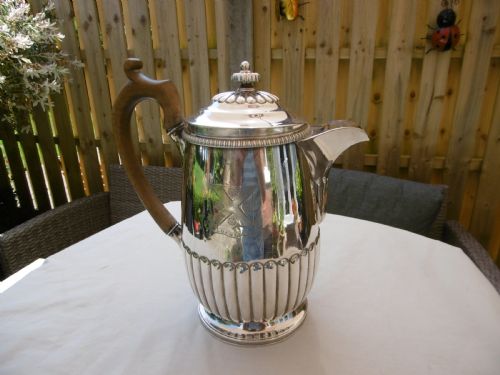
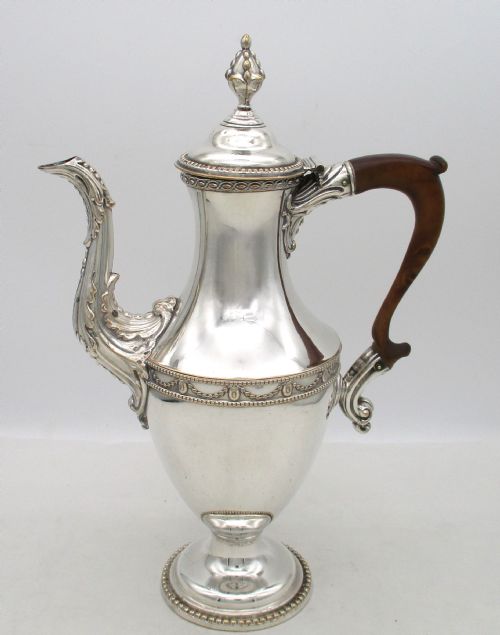
An old sheffield plate pot brings genuine Georgian and Regency silver appearance to the table through fused copper and silver construction.
Old Sheffield Plate Pot
When you search for an old sheffield plate pot, you are looking at hollowware produced during the eighteenth and nineteenth centuries, including the Georgian, Regency, and early Victorian periods. These vessels primarily take the form of tall coffee pots, tea pots, large coffee jugs, and specialised pieces like gravy warmers or argyles.
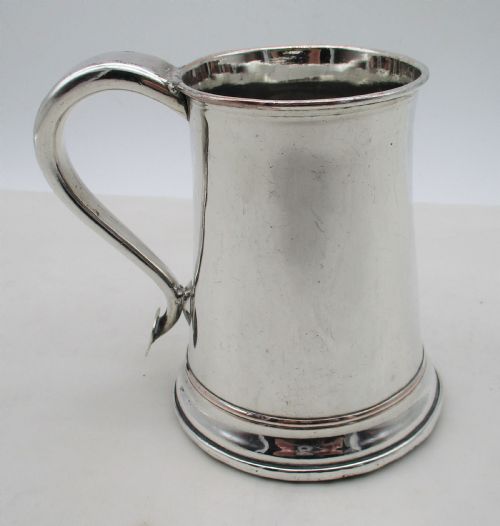
You are most likely to meet coffee pots and teapots bearing dates around eighteen hundred to eighteen twenty on this page, often reflecting Georgian or Regency styles. The selection also spans tankards, dish rings, and mustard pots alongside the main serving vessels.
How they were made
Makers fused a thin sheet of silver to a thicker copper ingot through heat and pressure before rolling the composite metal into sheets. This clever technique allowed craftsmen to shape substantial vessels while keeping costs lower than solid silver.
Workers added wooden handles made of fruitwood or hardwood, along with bone details or flower finials, to insulate the heat and provide a tactile grip. Interiors sometimes featured early marks stamped into the metal to record the maker and workshop standards.
Listings feature eighteenth and nineteenth century periods, incorporating Georgian, Regency, and early Victorian styles alongside hardwood and silver plate materials.
What varies in quality
The degree of copper showing through the silver layer dictates much of the visual character, resulting from decades of polishing and natural wear. Finer examples retain heavier silver fusing and crisp hand-chased crests or decorative borders.
Maker attribution and early marks separate standard production from exceptional workshop output. Pieces by recognised makers or bearing early maker stamps carry distinct historic weight compared to unmarked domestic ware.
Matthew Boulton·John Hoyland·Henry Tudor·Roberts Smith·Richard Morton·Blagden And Hodgson·Henry Wilkinson·Thomas Parkins·James Dixon And Son
The Old Sheffield Plate Pot Glossary
- Old Sheffield Plate
- A composite material made by fusing a sheet of silver to a copper core, invented in the eighteenth century.
- Argyle
- A vessel used for keeping gravy warm at the table, often featuring an internal compartment for hot water.
- Biggin
- A tall pot fitted with a wire-basket or container for holding coffee grounds during brewing.
- Finial
- A small decorative knob attached to the lid of a teapot or coffee pot for lifting.
Old Sheffield Plate Pot: Frequently Asked Questions
How do I clean an old sheffield plate pot?
Clean the surface gently using a soft cloth and mild silver cream designed for plated items. Avoid harsh abrasive dips that can strip the thin silver layer.
Take care around areas where the copper base metal shows through underneath the plating. Regular gentle dusting preserves the soft historic shine without causing further wear.
Can I use these pots for serving hot coffee or tea?
These historical vessels are generally collected for display or decorative serving rather than daily heavy use. Thermal shock from boiling water can stress old soldered joints and fragile handles.
If you choose to use the pot, warm it gradually with lukewarm water first. Ensure you handle wooden or bone insulators carefully to protect the original materials.
How can I tell an eighteenth century pot from a nineteenth century one?
Eighteenth century pots often display pear-shaped or baluster bodies with early maker marks stamped directly into the metal. They frequently feature plain surfaces or subtle gadroon borders.
Nineteenth century examples from the Regency period tend toward taller profiles, melon shapes, or ornate floral finials. Stylistic cues like grand Regency curves help point toward the later nineteenth century timeline.
What is an argyle and how does it work?
An argyle is a specialised serving pot designed to keep gravy warm throughout a long meal. It contains a central cylindrical core or jacket that held boiling water.
This internal heating chamber prevented the animal fats in the gravy from solidifying on the table. The form appears in both eighteenth century styles and nineteenth century production.