
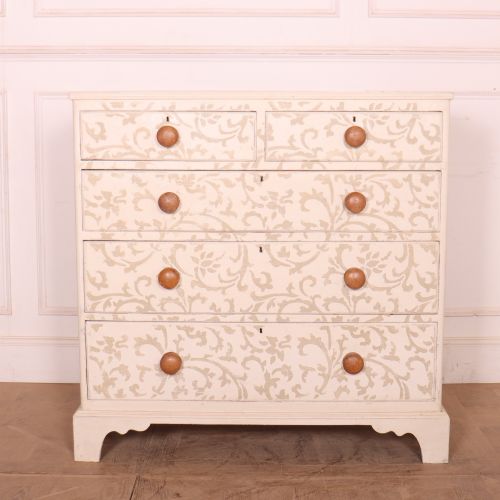


Off White Painted Commode
An off white painted commode brings quiet elegance and practical storage to a room, offering the charm of period craftsmanship.
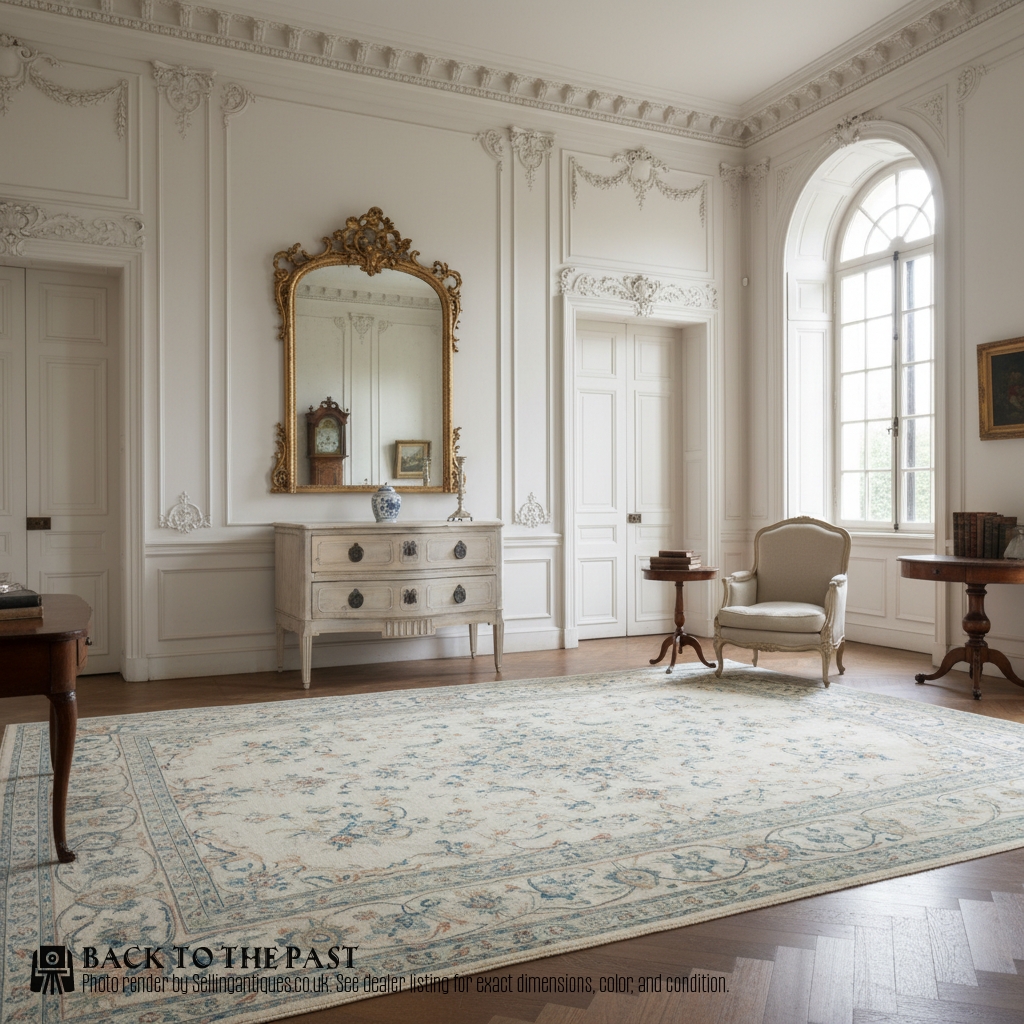
Off White Painted Commode
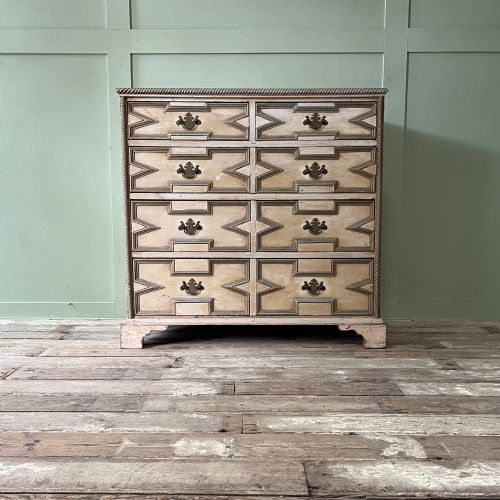
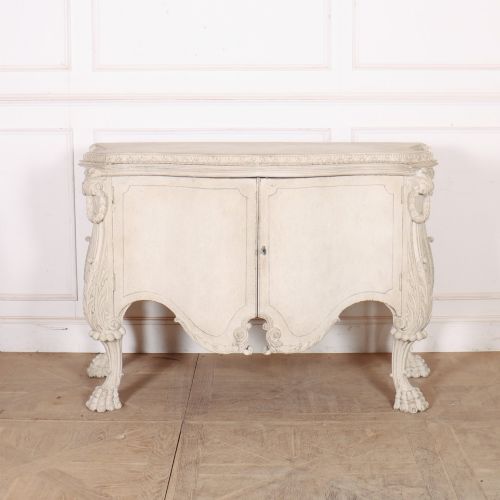
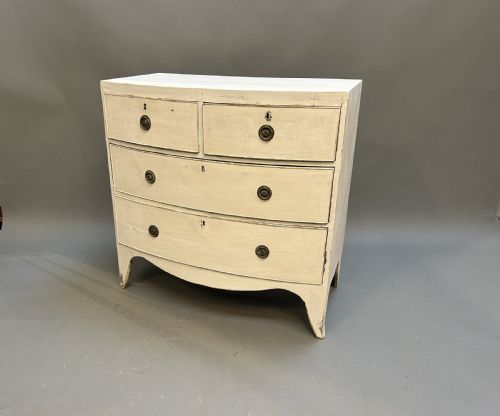
When you search for an off white painted commode, you encounter a selection of chest of drawers, side cabinets and commodes spanning several centuries. These pieces originate from diverse European traditions, including French Chateau, Gustavian, Scandinavian Country, and Italian Rococo styles.
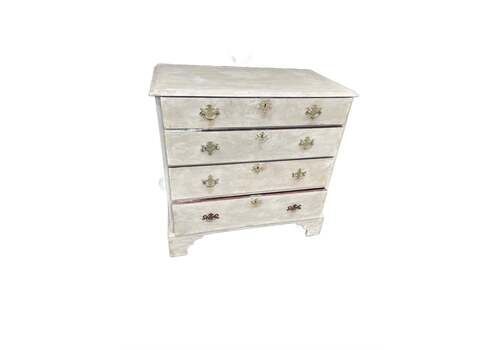
The inventory on this page ranges from eighteenth-century serpentine front designs to nineteenth-century pine versions and early twentieth-century examples. You will frequently find pieces finished in muted painted wood, often highlighting regional decorative characteristics.
Makers and origins vary widely, encompassing English cabinet makers alongside French, Swedish, Danish and Italian workshops. Each piece functions primarily as a storage chest while serving as a distinct decorative focal point.
How they were made
These items rely on traditional timber construction, utilising pine and general wood substrates shaped by period joinery techniques. Carved details frequently accent the structure, particularly on eighteenth-century serpentine front models.
Surfaces are finished with paint, often layered over wood and timber to achieve the characteristic off white appearance. Metal fittings such as brass handles and hardware complement the painted wooden bodies.
Listings feature periods ranging from the eighteenth century through to the 1930s, using paint, pine, brass, and glass.
What varies in quality
Quality in these pieces is dictated by the finesse of the timber construction and the execution of the painted finish. Eighteenth-century serpentine front examples demonstrate sophisticated joinery and complex shaping compared to simpler utilitarian chests.
The pedigree of the maker also influences standing, with documented firms or named architects commanding greater attention. Furthermore, the integrity of the original paint surface and decorative carving elevates certain items above standard regional carpentry.
Sir Clough Williams-Ellis·Edwards and Roberts
The Off White Painted Commode Glossary
- Commode
- A low chest of drawers or cabinet, typically dating from the eighteenth or nineteenth century. They often feature decorative painted finishes and serpentine fronts.
- Serpentine front
- A furniture front characterised by a wavy outline with a convex centre flanked by concave sides. This shape requires advanced woodworking skill.
- Gustavian
- A Swedish neoclassical style popularised in the late eighteenth and early nineteenth centuries. It is known for lighter painted finishes and restrained classical motifs.
- Pine
- A softwood commonly utilised for period case furniture and country pieces. It provides a stable base for decorative paint layers.
Off White Painted Commode: Frequently Asked Questions
What is an off white painted commode?
An off white painted commode is a period storage chest or side cabinet finished in a pale, muted paint scheme. These pieces originate from various European traditions and span the eighteenth to the twentieth centuries.
They combine practical drawer storage with distinct regional styles such as Gustavian, French Provincial, and Italian Rococo. Each item reflects the aesthetic preferences of its specific era and origin.
How do I date a painted commode?
Dating relies on examining the construction methods, timber types, and stylistic details of the piece. Eighteenth-century examples often feature complex serpentine fronts and hand-carved elements, while nineteenth-century versions frequently utilise pine.
Hardware styles, joint construction, and the characteristics of the painted surface also provide clues to the period of manufacture. Documented makers or specific regional traits help narrow down the timeline.
Where were these commodes made?
The pieces originate from workshops across Europe, with strong representations from France, Sweden, Italy, Denmark, and Britain. Each region imparted its own stylistic flair to the furniture.
For instance, Swedish pieces often exhibit Gustavian or Scandinavian Country characteristics, while Italian pieces showcase Rococo influences. French examples frequently draw from Chateau or provincial design traditions.
How do I care for a painted antique?
Caring for an antique painted finish requires keeping the piece away from direct sunlight and maintaining stable humidity levels. Gentle dusting with a soft, dry cloth preserves the painted wood surface.
Avoid harsh chemical cleaners or excessive moisture, which can damage the historic paint layers and underlying timber. Regular, careful maintenance ensures the longevity of the decorative finish.