




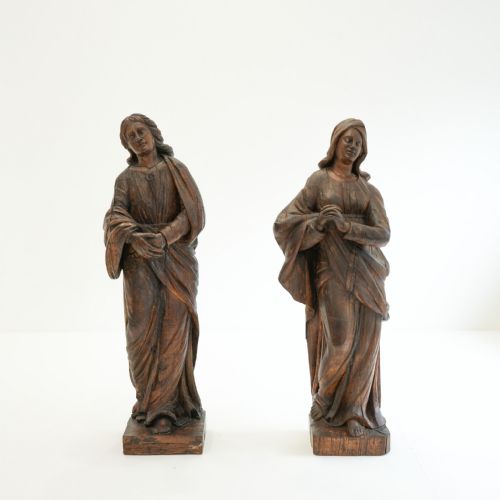


Oak Wooden Statue
An oak wooden statue brings centuries of craftsmanship into a room, capturing historical figures and religious subjects carved with enduring skill.
Oak Wooden Statue
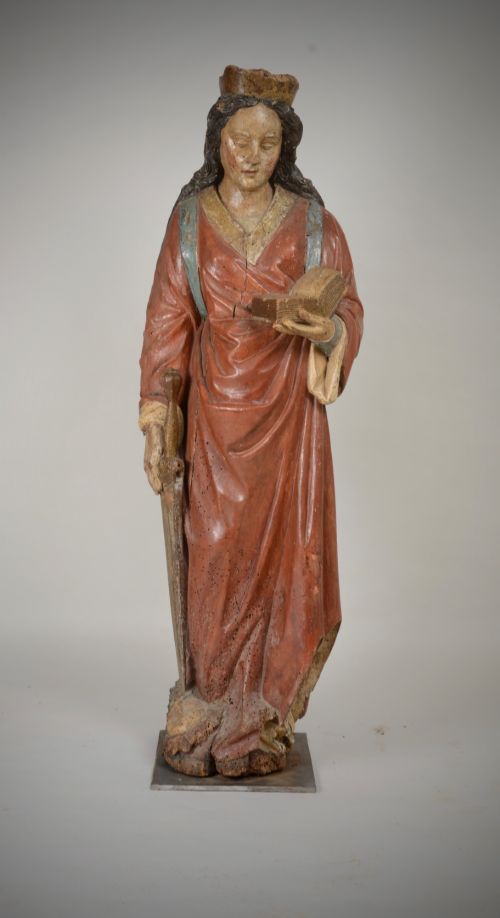
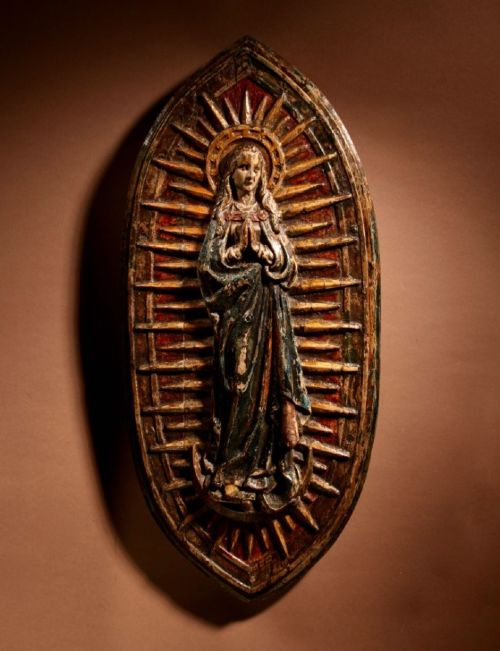
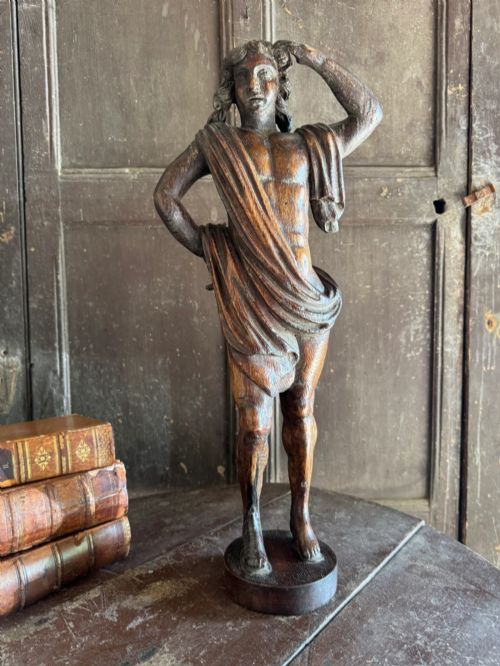
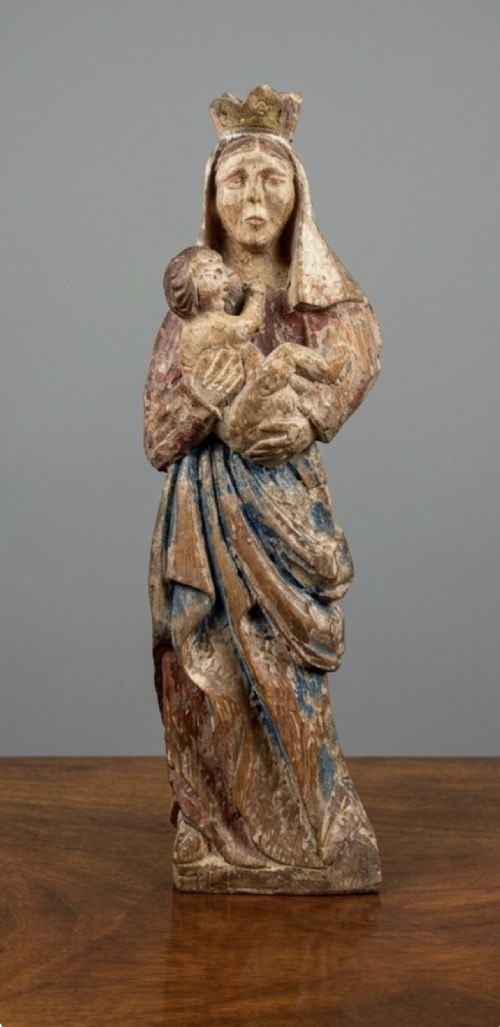
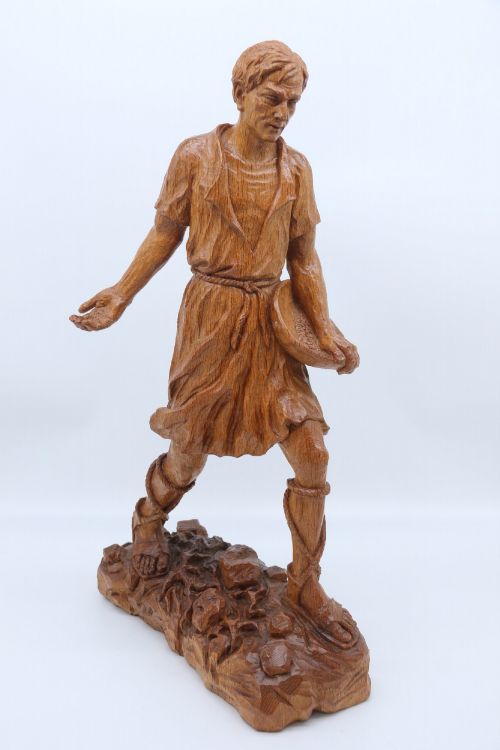
When you examine an oak wooden statue on this page, you encounter pieces spanning from the medieval era through the nineteenth century and into the early twentieth century. These objects range from life-size continental figures and altarpiece fragments to smaller devotional carvings and folk art representations.
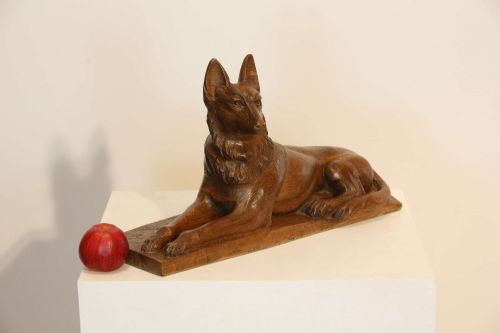
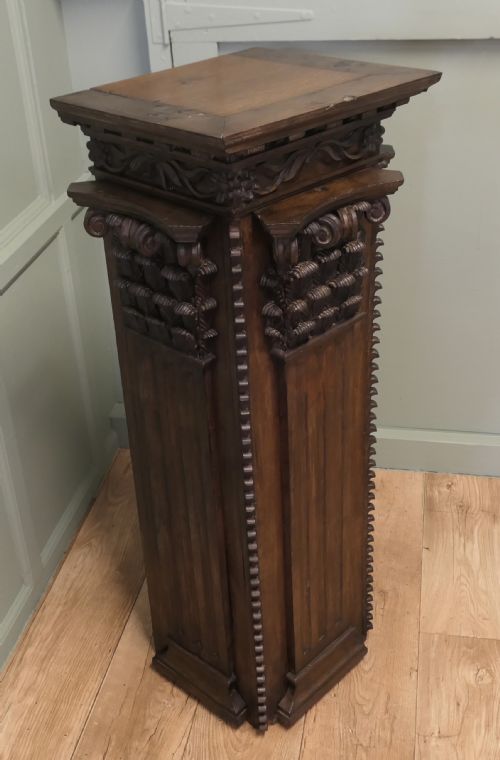
The selection frequently includes religious subjects such as saints, the Virgin and Child, and classical figures, alongside animals, architectural pedestals, and secular characters. European workshops dominate the origins, particularly French, German, and Flemish carvers working in traditional idioms.
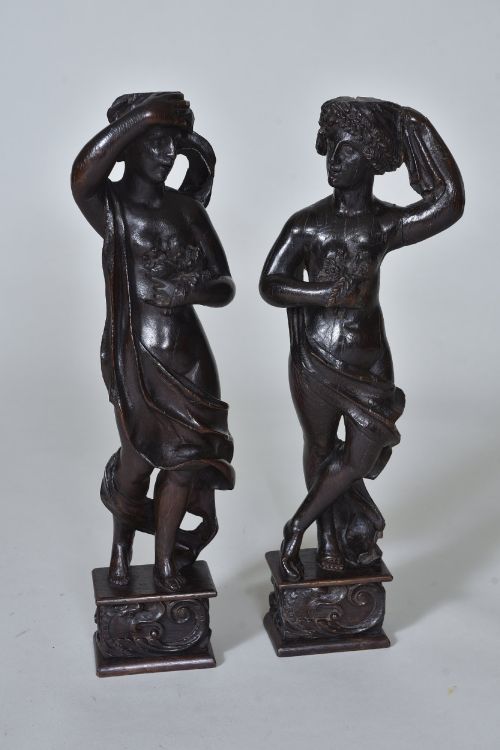
Buyers will find both single freestanding statues and paired figures, with many items reflecting ecclesiastical origins or domestic decorative traditions. Each piece demonstrates how carvers utilised the dense grain of timber to create enduring sculptural forms.
Judging the work
The distinction between standard commercial output and superior craftsmanship in an oak wooden statue lies in the anatomical precision of the carving and the fluidity of the drapery. Master carvers managed the recalcitrant grain of hardwood to impart natural movement and expressive intensity to hands, faces, and clothing.
Preservation of original surface texture and early polychrome paint also elevates a piece, as excessive sanding or later stripping diminishes historical character. Pieces retaining their original tool marks and uncompromised structural joins demonstrate the true hand of the period artisan.
Oak Wooden Statue Retail Price Guide 2026
Typical asking prices for oak wooden statue among the pieces listed under this phrase on Sellingantiques today, from the lower quarter to the upper quarter. They describe what is for sale here now, not the wider market.
Among the ecclesiastical saints and classical figures, a cheerful pair of poachers carrying game brings a distinctly earthy charm to the wood.
Franz Keller
The Oak Wooden Statue Glossary
- Polychrome paint
- Decoration applied in multiple colours to the surface of wood sculpture. This finish was common on medieval and Renaissance religious figures to add lifelike realism.
- Gesso
- A plaster-like mixture applied to timber as a smooth base for gilding or painting. It helps bind colour layers to the carved wood beneath.
- Altarpiece
- A structured artwork designed to stand behind an altar, often featuring carved wooden panels and statues depicting saints and biblical scenes.
- Folk art
- Utilitarian or decorative objects created by self-taught or provincial artisans outside academic traditions. These pieces often display charming local interpretations of human and animal forms.
Oak Wooden Statue: Frequently Asked Questions
How were these statues originally used?
Many early pieces served as devotional objects within churches, mounted on altars or positioned in niches to inspire prayer and contemplation. Others functioned as secular ornaments in private homes or architectural elements within grand interiors.
Over time, religious carvings transitioned from active ecclesiastical settings into private collections and antique displays, shifting their primary role from sacred focus points to historical art objects.
How do I care for an oak wooden statue?
Keep wooden sculptures away from direct heat sources and strong sunlight to prevent the timber from drying out, cracking, or fading any historic surface finishes. Maintain a stable indoor humidity level.
Dust the surface gently with a dry, soft brush rather than using wet cloths or chemical polishes, which can damage exposed timber and fragile traces of old paint or gesso.
How can I tell the period of a carved figure?
Examine the tool marks left by the carver, as hand-gouging patterns differ significantly between medieval, Renaissance, and later revival periods. Stylistic cues in clothing, hair, and facial proportions also offer reliable dating evidence.
Inspect the base and back of the sculpture for shrinkage cracks, wood species characteristics, and the natural oxidation of the timber over centuries, which helps distinguish authentic age from later reproductions.
What is the difference between Gothic and Renaissance styles?
Gothic carvings often feature elongated proportions, rigid vertical lines, and heavily folded drapery designed to emphasise spiritual transcendence rather than realistic anatomy. Faces tend to be serene and stylized.
Renaissance figures introduce classical balance, naturalistic human proportions, and dynamic poses that reflect a renewed interest in ancient art and anatomical precision.