





Historical Wood Carving
Historical wood carving brings centuries of portraiture and sculpture into your home, offering tangible connections to past figures in carved oak and hardwood.
Historical Wood Carving
Historical wood carving encompasses sculptural portraits and figurative groups rendered in solid timber. When you search for historical wood carving, you encounter subjects ranging from political revolutionaries to literary icons.
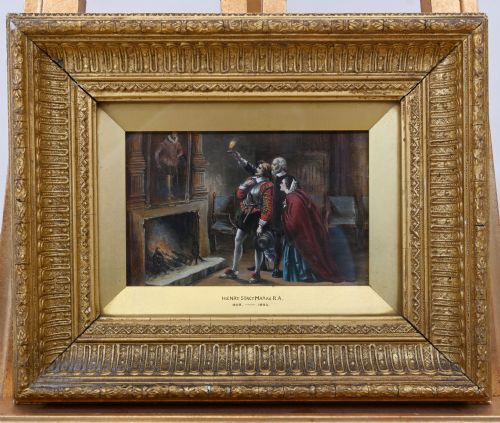
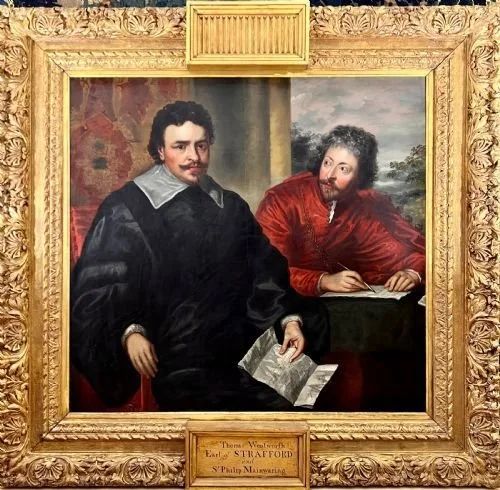
The pieces represented on this page span several centuries, with examples stretching from the seventeenth century through to the Victorian era. Alongside carved hardwood and oak sculptures, the listings incorporate related oil paintings and snuff boxes.
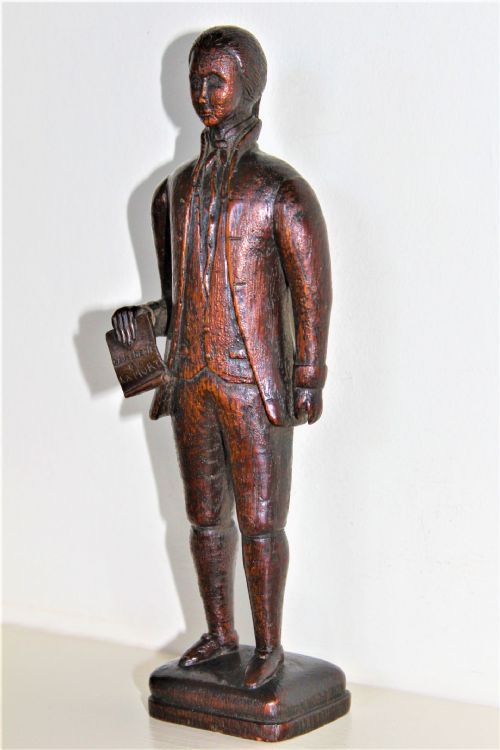
Makers focused their attention on notable historical personalities, producing likenesses of figures such as Patrick Henry, John Milton, and Oliver Cromwell. These objects function as both decorative focal points and historical documents.
How they were made
Carvers utilised dense timbers like oak and various hardwoods to shape three-dimensional busts and figurative groups with hand chisels and gouges. The choice of wood provided the structural stability required for intricate facial details and flowing drapery.
Surface finishes applied to these wooden objects frequently involved gilding, oil paint, or polished patination to accentuate the carved contours. Artisans combined traditional carpentry with sculptural finesse to achieve durable historical representations.
Historical Wood Carving Retail Price Guide 2026
Typical asking prices for historical wood carving among the pieces listed under this phrase on Sellingantiques today, from the lower quarter to the upper quarter. They describe what is for sale here now, not the wider market.
Listings span from the seventeenth century to the Victorian era, utilising materials such as carved oak, giltwood, and oil paint.
What varies in quality
Age and original material integrity also dictate the standing of a piece within its category. Well-preserved surfaces retain their crisp tool marks and original finishes without excessive later intervention.
The Historical Wood Carving Glossary
- Carved oak
- Timber shaped using cutting tools to form structural panels, figures, or decorative motifs. This material was favoured by British craftsmen for its durability.
- Giltwood
- Wood that has been coated with a thin layer of gold leaf or gesso and gold paint. It appears frequently on frames and decorative furnishings.
- Figurate group
- A sculpted composition comprising two or more human or animal figures interacting within a single piece. These groups tell a visual story.
- Bust
- A sculpted or painted representation of a person from the chest up. This format focuses attention entirely on the facial expression and character.
Historical Wood Carving: Frequently Asked Questions
What is historical wood carving?
Historical wood carving refers to sculptural works created from timber that depict recognised individuals or historical events from past centuries. These pieces serve as physical records of notable figures.
Craftsmen shaped these items using traditional hand tools to capture likenesses that endure long after the subjects have passed.
How were these wooden carvings used?
These carvings functioned primarily as commemorative displays within domestic and public interiors, honouring statesmen, writers, and revolutionaries. They acted as visual statements of allegiance or intellectual pursuits.
Owners placed them in libraries, studies, and drawing rooms to signal their historical awareness and cultural interests.
How do I care for antique wood carvings?
Antique wood carvings require stable environmental conditions away from direct sunlight and dramatic humidity fluctuations to prevent timber cracking. Dusting should be performed gently with a dry, soft brush.
Avoid applying modern liquid polishes or household cleaners directly onto historic wooden surfaces to preserve the original patina.
How can I tell the period of a carving?
Dating a carving involves examining the tool marks left by the artisan, the oxidation of the wood, and the specific historical costume of the subject. Stylistic clues often point towards distinct eras such as the Stuart period or the Victorian age.
Comparing construction techniques with known dated examples helps establish an accurate timeline for the piece.