





Historical Portrait Sculpture
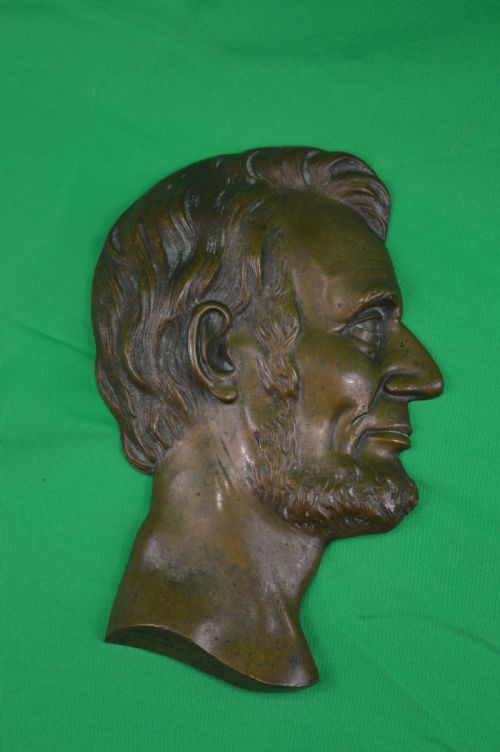
Historical portrait sculpture brings home the faces of statesmen, rebels, and literary giants in bronze, plaster, and stone.
Historical Portrait Sculpture
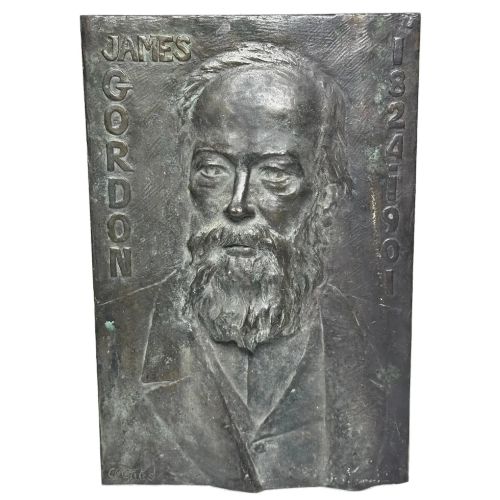
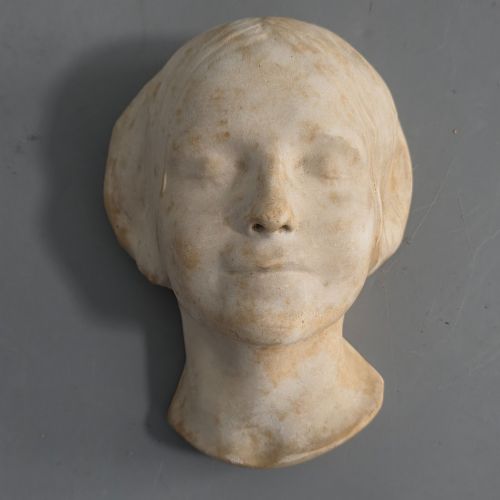
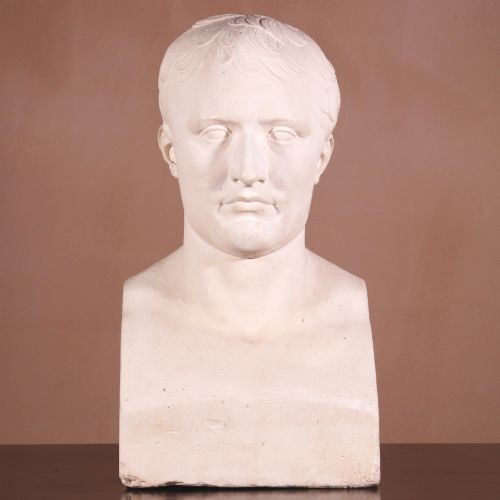
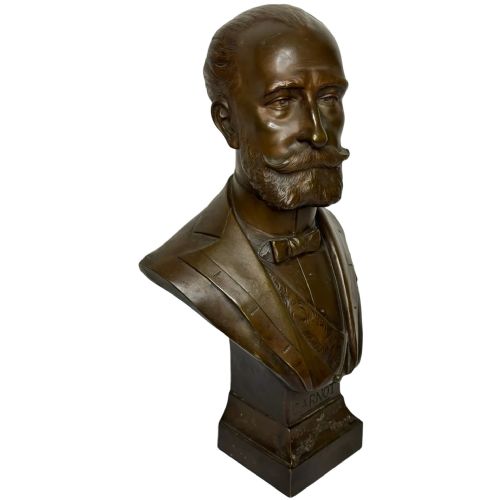
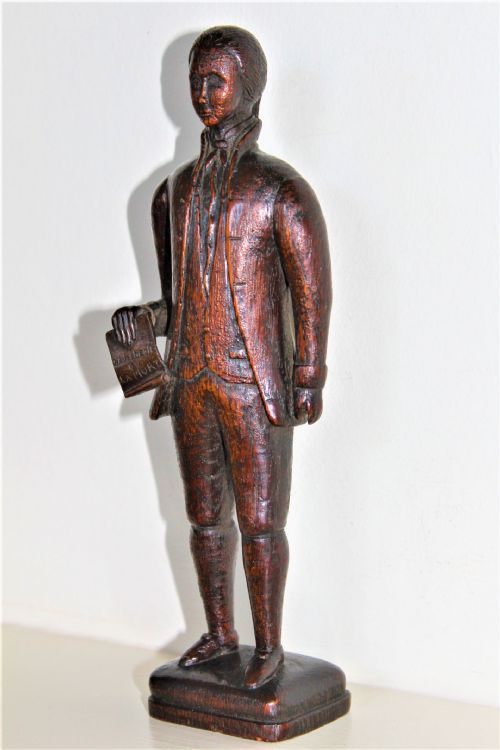
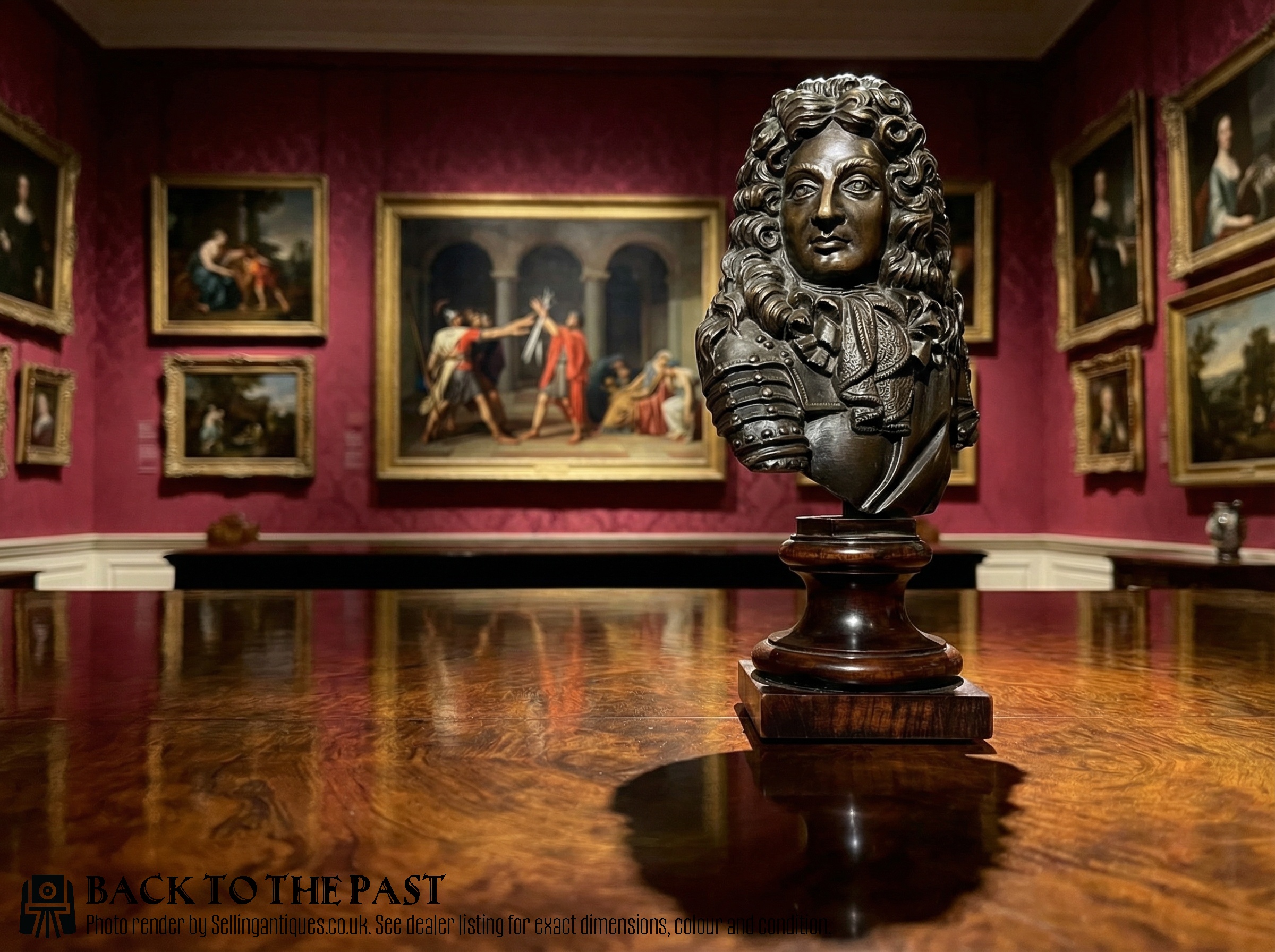
When you search for historical portrait sculpture, you encounter likenesses rendered across the eighteenth, nineteenth, and twentieth centuries. These works take the form of busts, relief plaques, death masks, and prints capturing figures ranging from Napoleon and Oliver Cromwell to literary icons and naval gentlemen.
The pieces appearing here span diverse origins, including English, French, Austrian, and African workshops. You find subjects executed in styles varying from Neoclassical and Renaissance Revival to folk art and Victorian academic realism.
Materials and Methods
Foundry-cast bronze remains a primary medium, alongside hand-carved wood, moulded plaster, alabaster, stone, and terracotta. Each material demands distinct handling, from lost-wax metal casting to direct chisel work on timber and alabaster.
Surface treatments complete the objects, utilising patination on metals, gilt wood frames for reliefs, and paper for engraved portraits. These traditional techniques determine the tactile presence of every bust and plaque.
Oliver Cromwell joins French presidents and Roman emperors on the mantelpiece, proving history is remarkably crowded.
Evaluating Quality
The distinction between ordinary and superior pieces rests upon the precision of the likeness and the sensitivity of the modelling. Master modellers capture psychological depth and individual expression rather than mere anatomical proportion.
Material execution further separates the tier of a piece, distinguishing crisp, detailed chasing in bronze and deep, confident undercuts in wood carving from softer, less articulate secondary casts.
Alice Gates·Jean Jules Salmson·Antonio Rossellino·Adolphe Jean Lavergne·W. Roffe
The Historical Portrait Sculpture Glossary
- Bust
- A sculpted representation of a person from the chest or shoulders up. This format dominates historical portrait sculpture across bronze, plaster, and stone.
- Relief
- Sculpture where the figures project from a flat background rather than standing in the round. Plaquettes and profile portraits frequently utilise this technique.
- Patina
- The surface coloration and sheen developed naturally over time or applied chemically to bronze and metalwork. It protects the metal and defines the visual texture.
- Death mask
- A cast taken from the face of a deceased person, usually in plaster or wax. These objects serve as direct source material for historical portrait sculptors.
Historical Portrait Sculpture: Frequently Asked Questions
What periods do these sculptures cover?
The pieces span from the eighteenth century through the nineteenth century and into the Edwardian era and early twentieth century. Sculptures reflect the prevailing aesthetic movements of their respective decades.
You encounter Georgian, Regency, Victorian, and Neoclassical interpretations alongside later revivalist and folk art approaches.
How were these portrait busts displayed?
Historically, portrait busts stood upon libraries, writing desks, mantelpieces, and dedicated pedestals within domestic and institutional interiors. They served to honour political figures, literary heroes, and ancestors.
Relief plaques and engravings were hung on walls or framed in wood to decorate studies and drawing rooms.
Are these sculptures signed by artists?
Some pieces bear signatures, foundry marks, or attributions to specific sculptors and engravers. Other works remain anonymous products of European or English schools.
Signatures help connect specific busts to known nineteenth-century practitioners and foundries.
What materials are most common?
Bronze and plaster appear most frequently among the three-dimensional portrait busts. Alabaster, stone, terracotta, and chunky carved wood also form significant parts of the selection.
Two-dimensional works introduce paper engravings and printed portraiture alongside relief plaques.
How do I distinguish bronze from plaster?
Bronze offers metallic weight, coldness to the touch, and often a patinated surface finish. Plaster is lighter, softer, and typically displays a painted or chalky white or tinted surface.
Careful inspection of edges and the underside usually reveals the underlying casting or moulding medium.