






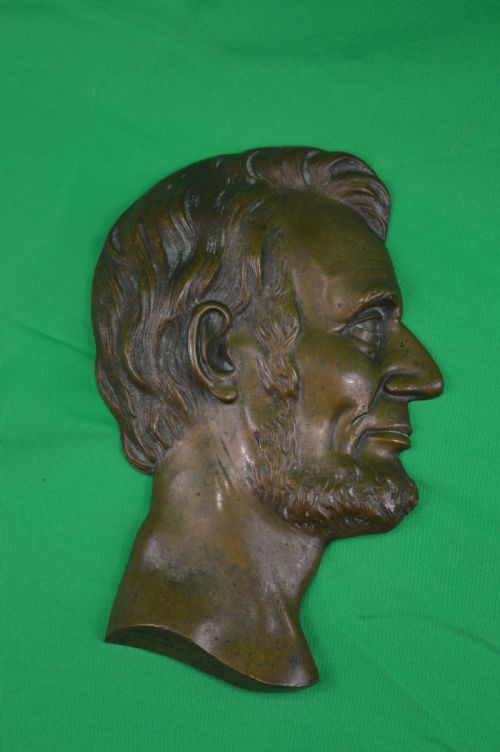


Patinated Metal Bust
A patinated metal bust brings character and presence to a room, offering sculptural form through treated bronze, spelter, and bronzed metal.
Patinated Metal Bust
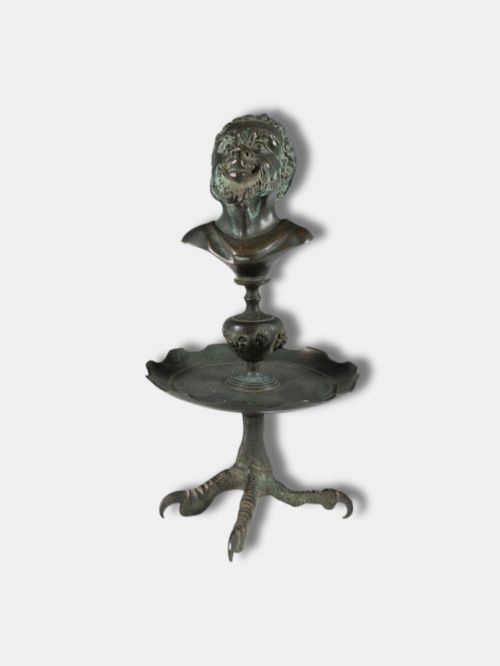
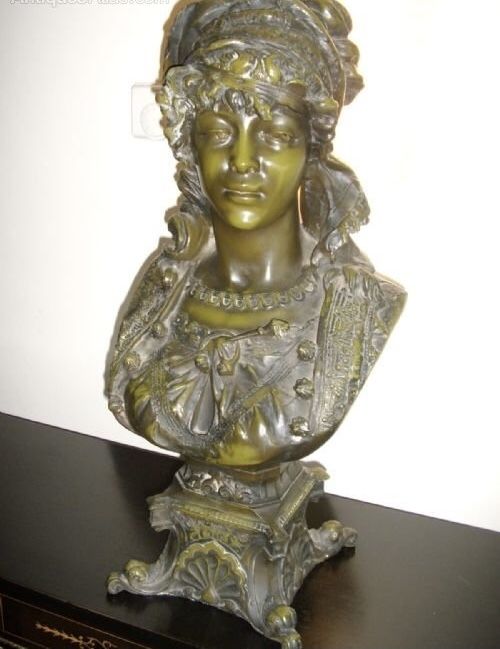
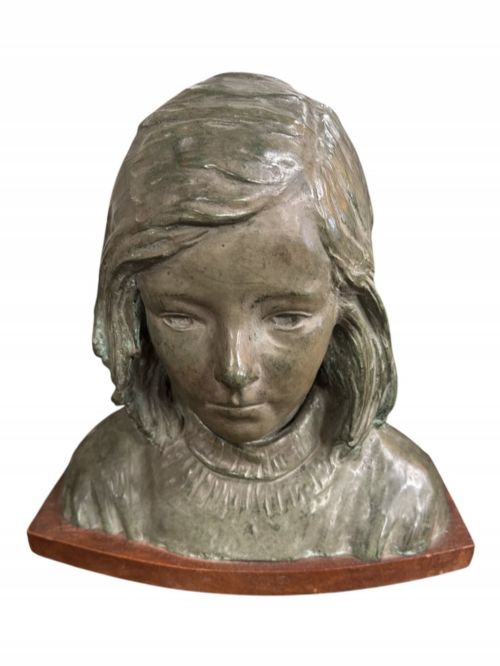
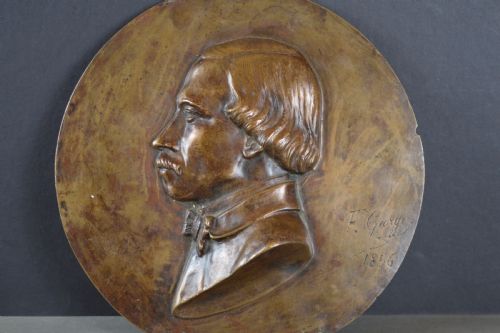
A patinated metal bust represents human figures, historical subjects, and cultural icons rendered in bronze, spelter, and mixed metals. When you search for a patinated metal bust, you encounter sculptural works originating from the nineteenth century onward, including French portraiture, Grand Tour pieces, and African tribal art. These sculptures take the form of tabletop portrait busts, relief plaques, and integrated elements on decorative objects such as oil lamps.
How they were made
Foundry workers utilised traditional casting methods to shape molten bronze and spelter into intricate sculptural portraits. The raw metal cast then received a chemical or painted surface treatment to achieve the characteristic dark or coloured patination seen on these busts.
Many nineteenth and early twentieth-century examples incorporate mixed media elements, mounting the metal sculpture onto fitted bases of wood, onyx, or alabaster. Artisans often finished the surfaces by hand, applying signature stamps, foundry marks, or painted highlights to define hair, clothing, and facial expressions.
The selection includes French portraiture, African Benin bronze sculptures, and Grand Tour relief plaques.
What varies in quality
Quality also rests in the depth and integrity of the original patination and the quality of the base materials. Sculptures bearing legible artist signatures or recognised foundry stamps carry greater artistic weight than unsigned, anonymous commercial editions.
Henry Wissen Senior·J Camus·Adolphe Jean Lavergne·Georges Van Der Straeten·F George·J C De Blezer
The Patinated Metal Bust Glossary
- Patination
- The surface coloration and ageing applied to metal through chemical treatment, oxidation, or paint. This finish alters the raw metal hue to create depth and protect the underlying material.
- Spelter
- A zinc alloy commonly utilised as a cheaper alternative to bronze for nineteenth-century decorative sculptures. It is softer than bronze and typically carries a applied bronze-like coating.
- Grand Tour
- A cultural journey undertaken by nineteenth-century Europeans seeking art and antiquities. Busts from this tradition often replicate classical or historical subjects for travellers.
- Relief Plaque
- A wall-mounted sculptural panel where the figures project from a flat background. These plaques record historical portraits and commemorative scenes in metal.
Patinated Metal Bust: Frequently Asked Questions
Are these busts made of solid bronze?
The inventory includes both solid bronze casts and pieces made from spelter, which is a softer zinc alloy with a bronzed finish. Material descriptions on individual listings clarify the specific metal composition used for each sculpture.
Heavier pieces frequently indicate solid bronze construction, while lighter decorative examples often utilise spelter mounted on stone or wooden bases.
How do I identify the period of a bust?
Dating relies on stylistic markers such as Victorian realism, Art Nouveau flowing lines, or nineteenth-century casting techniques. Maker signatures and foundry stamps also provide direct evidence of a piece's era.
Apparel, hairstyles, and subject matter - ranging from US Civil War figures to classical motifs - offer further contextual clues for determining age.
Where should I display a metal bust?
These sculptures suit tabletops, mantels, and dedicated display shelves where adequate lighting highlights the patinated surface. Pairing them with wooden furniture or stone surfaces complements the industrial and mineral textures of the metal.
Larger floor-standing or heavy desk sculptures require sturdy support due to their substantial weight, particularly those mounted on onyx or alabaster bases.
What causes differences in metal patination?
Patination results from intentional chemical treatments applied by the foundry or artist to simulate aged metal surfaces. Over time, handling and environmental exposure can also alter the original finish, creating unique tonal variations.
Some pieces feature painted surfaces or deliberate dark patination designed to accentuate the sculptural contours of the face and hair.