


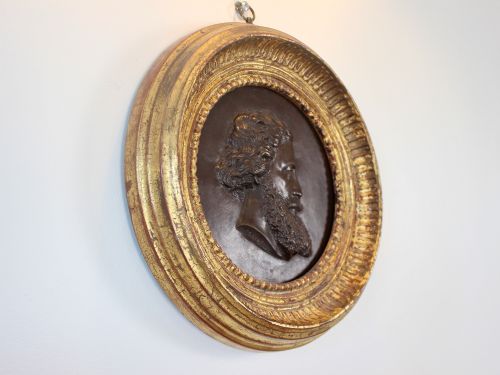




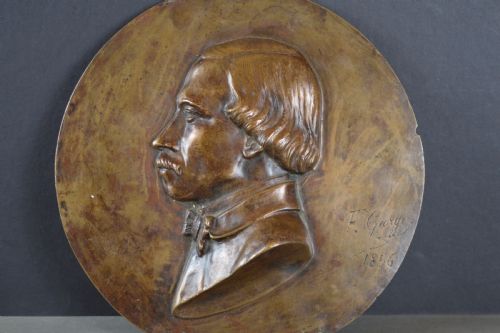

Bronzed Metal Bust
A bronzed metal bust brings sculpted presence to a room, offering finely rendered portraiture in enduring materials from the nineteenth and early twentieth centuries.
Bronzed Metal Bust
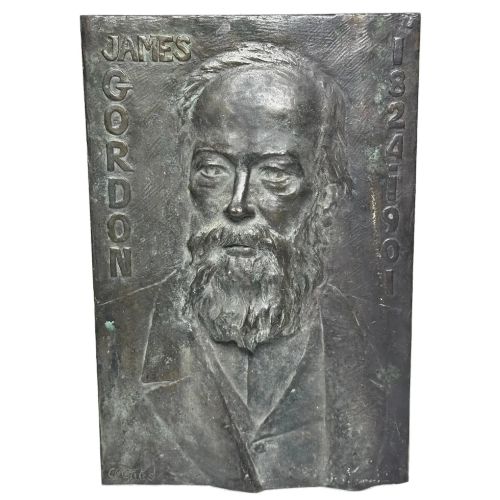
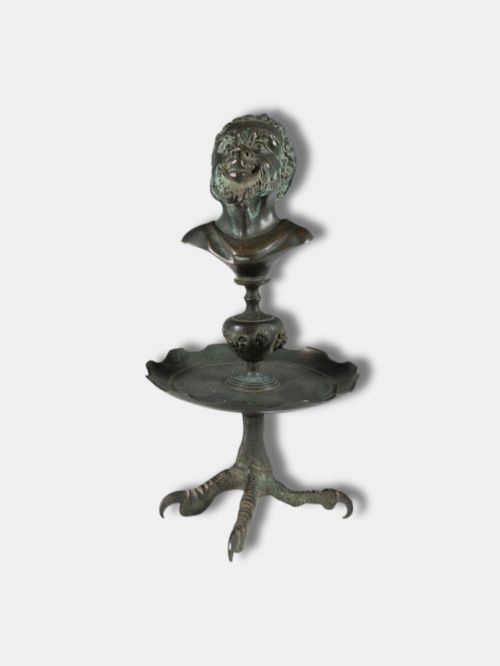
A bronzed metal bust captures historical figures, literary icons, mythological subjects, and anonymous sitters in durable alloys. When you search for a bronzed metal bust, you encounter works ranging from diminutive desk ornaments to substantial cabinet pieces.
The selection on this page draws heavily from nineteenth-century European foundries and ateliers, alongside early twentieth-century interpretations. French works dominate the offerings, frequently incorporating classical subjects or expressive female models.
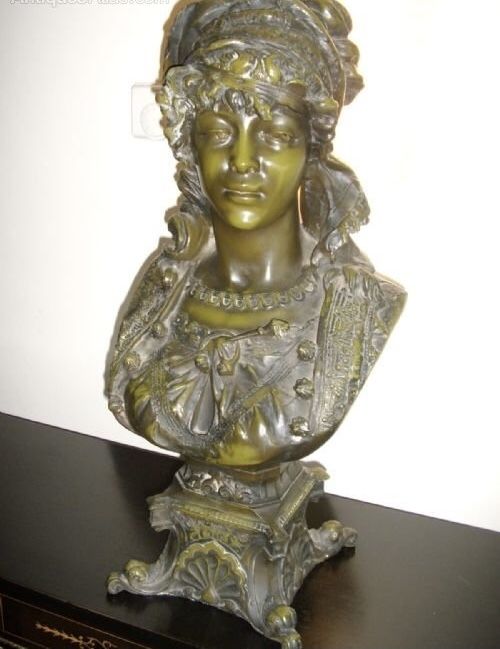
Materials extend beyond standard metal alloys to include patinated bronze, gilt bronze, and related mediums such as spelter. Many examples are mounted upon integral bases of marble, onyx, or wood to provide stability and visual contrast.
Materials and methods of the founders
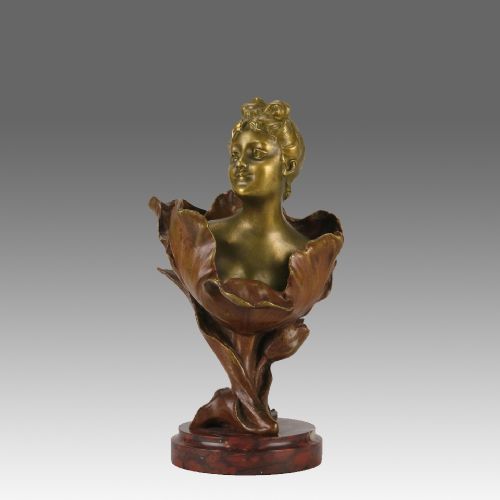
Surface treatments define the visual character of these sculptures, relying on applied patination, gilding, or metallic finishes to simulate aged bronze. Artisans also combined metal portrait elements with contrasting plinths of black marble or Verdi green marble.
William Shakespeare makes multiple appearances here, keeping watch from both black marble plinths and metal bookends.
Distinctions in execution and finish
Quality rests in the crispness of the casting and the sensitivity of the chasing work performed after the metal cooled. Finer pieces retain sharp definition in facial expressions and ornamentation without obscuring details beneath heavy coatings.
The selection of base materials and the depth of the patination contribute significantly to a piece's visual impact. Superior examples demonstrate thoughtful integration between the metallic bust and its marble or wooden support.
Alice Gates·Henri Godet·Henry Wissen Senior·Mainfroy·J Camus·Adolphe Jean Lavergne·Georges Van Der Straeten·Leonhard Posch·J C De Blezer
The Bronzed Metal Bust Glossary
- Patina
- The surface coloration and sheen developed naturally over time or applied chemically by the foundry. This finish protects the underlying metal and adds visual depth.
- Spelter
- A zinc-based alloy frequently utilised as a cost-effective alternative to bronze in nineteenth-century decorative figures. It accepts metallic finishes well to resemble heavier metals.
- Gilt bronze
- Metal cast and coated with a thin layer of gold or gold-coloured alloy. This technique produces a bright, reflective surface often seen on decorative French pieces.
- Plinth
- The solid block or base supporting a bust or sculpture. They are frequently fashioned from contrasting materials like marble, onyx, or polished wood.
Bronzed Metal Bust: Frequently Asked Questions
How do I clean a metal bust?
Dust gently with a soft, dry cloth to remove surface particles without disturbing the underlying finish.
Avoid chemical polishes and water, which can damage historic patination or accelerate corrosion on vulnerable alloys.
What is the difference between bronze and spelter?
Bronze is a heavy copper alloy valued for its strength, durability, and ability to hold fine casting details.
Spelter is a softer, lighter zinc-based alternative that was widely utilised for decorative sculptures during the nineteenth century.
Where were most of these busts made?
France produced a large share of the figurative metalwork and portrait busts found in this category during the nineteenth and early twentieth centuries.
Foundries in Paris and regional workshops exported these decorative pieces across Europe and beyond.