

Oak Top Side Table
When you search for an oak top side table, you encounter compact, utilitarian surfaces designed for everyday household service across multiple centuries.
Oak Top Side Table
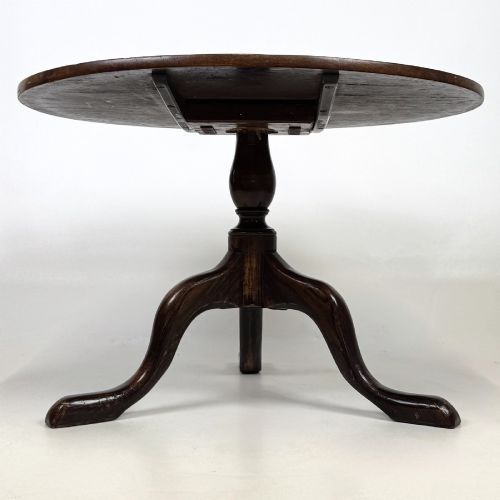
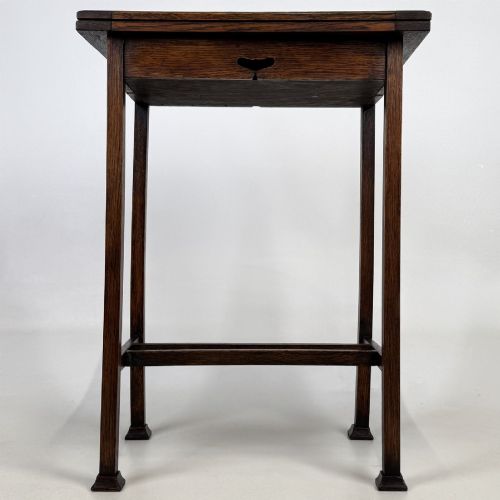
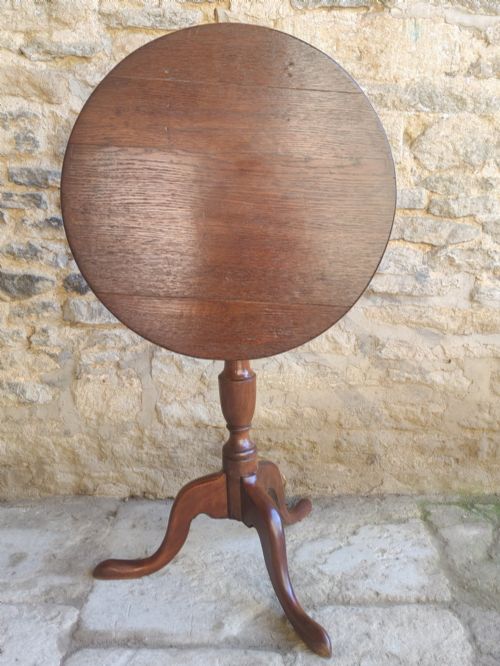
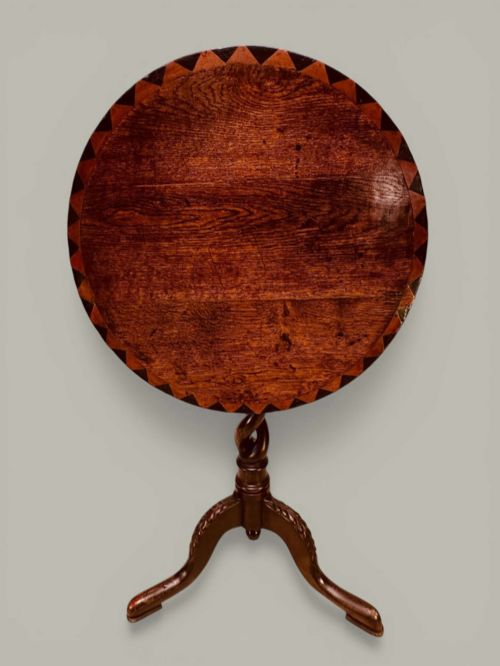
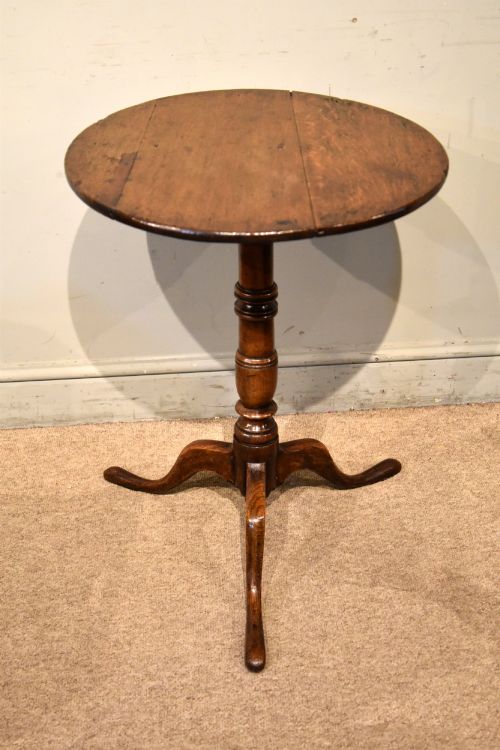
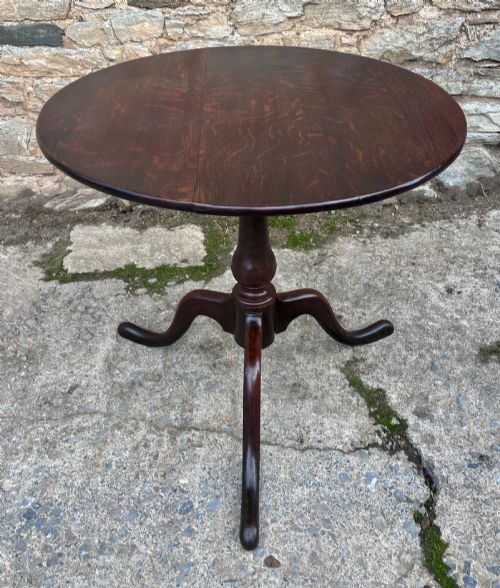
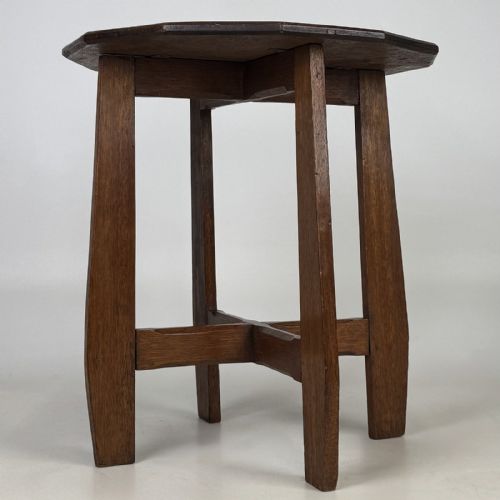
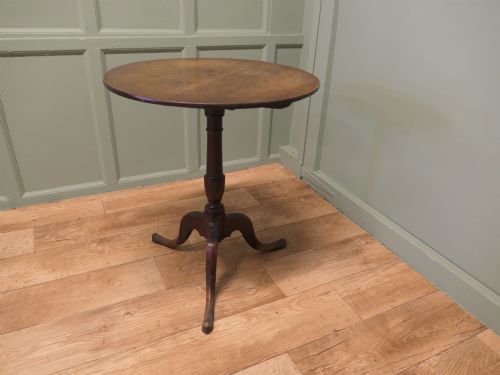
An oak top side table spans centuries of domestic utility, appearing in forms ranging from tripod wine tables to plank-top occasional furniture and tiled Arts and Crafts designs.
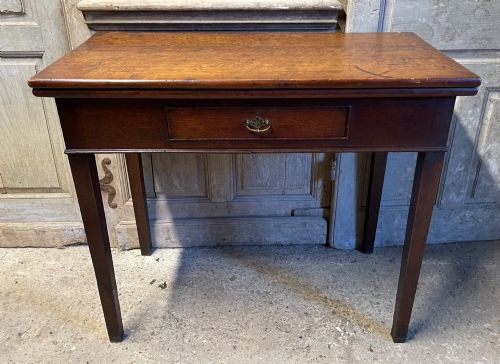
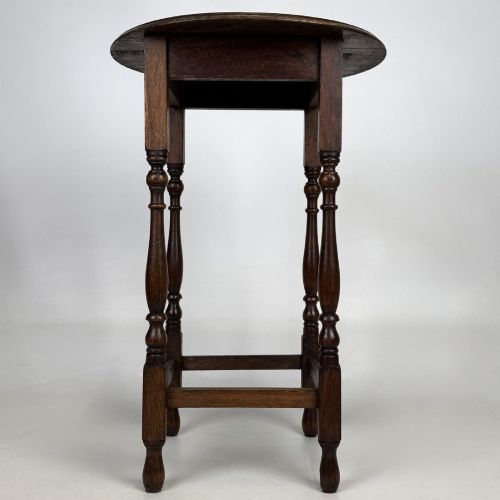
The pieces listed here include compact 18th-century country examples alongside Victorian and Edwardian iterations, reflecting diverse regional construction and domestic needs.
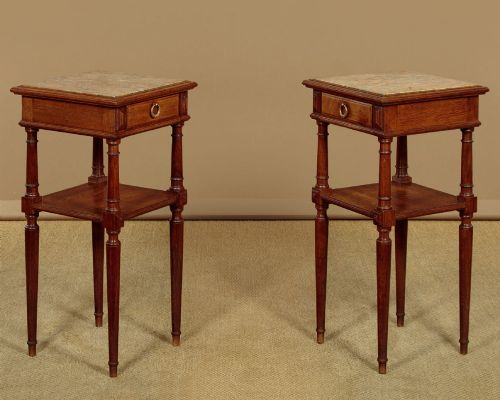
Buyers seeking this phrase most frequently encounter round tilt-top tripod tables, rectangular occasional stands, and occasional tables paired with marble or ceramic tile surfaces.
How they were made
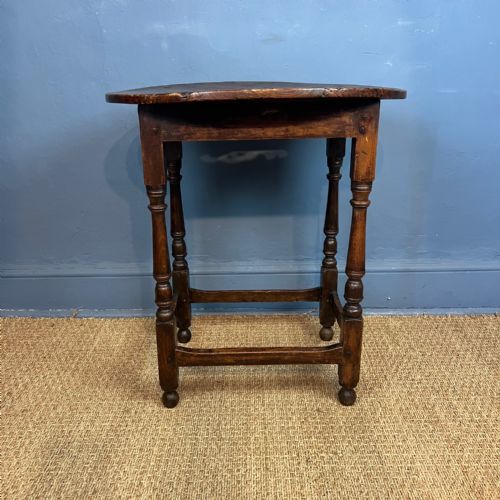
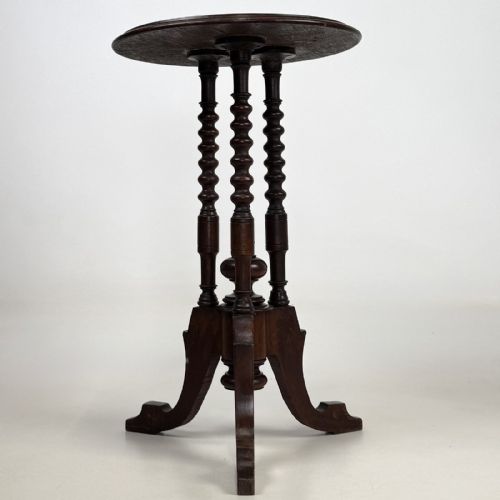
Makers utilised solid timber boards for the main surfaces, often joining planks together with butterfly keys or mounting them onto turned pedestals and tripod legs made of oak, beech, or fruitwood.
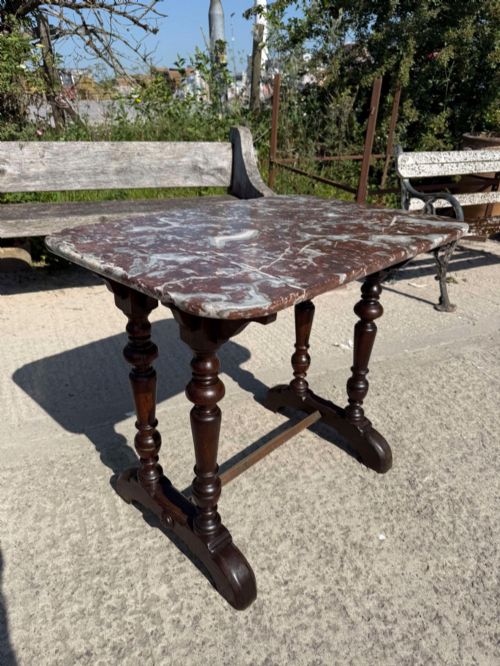
Decorative variations incorporate inset ceramic tiles, marble slabs, or brass fittings, while structural stability relies on traditional pegged joints, dovetails, and tilting mechanisms.
Oak Top Side Table Retail Price Guide 2026
Typical asking prices for oak top side table among the pieces listed under this phrase on Sellingantiques today, from the lower quarter to the upper quarter. They describe what is for sale here now, not the wider market.
Listings demonstrate materials including brass, marble, leather, cast iron, and ceramic tile integrated alongside solid oak.
What varies in quality
Construction methods and timber selection divide standard utilitarian workshop pieces from finer examples, with figured burr oak or pollard oak denoting more deliberate material choice.
Proportion, turning crispness on pedestals, and the original integrity of tilt-top mechanisms or inset tile surfaces determine the relative refinement of individual tables.
Shapland and Petter·Baillie Scott·Liberty and Co
The Oak Top Side Table Glossary
- Tilt-top
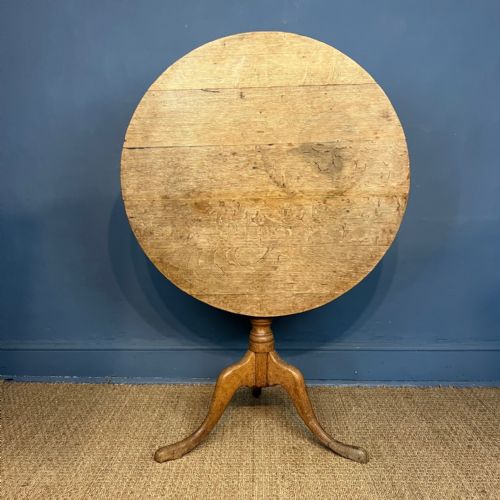
- A table mechanism allowing the surface to swivel vertically for storage against a wall when not in service. This form was especially popular for Georgian and Regency tripod wine tables.
- Cricket table
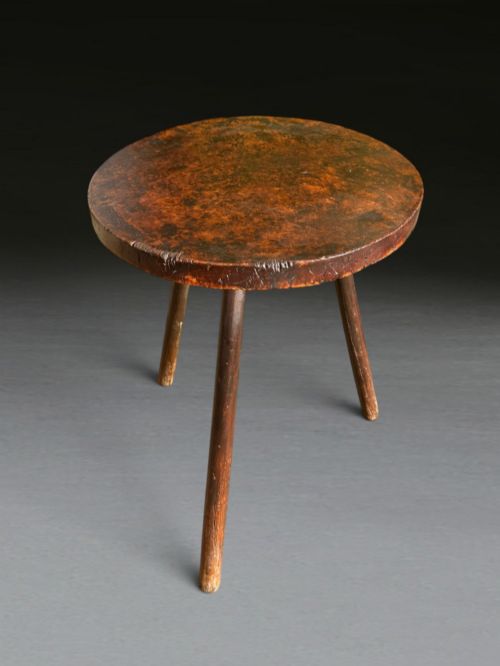
- A small, three-legged occasional table typically featuring a plank top and pegged construction. The design originated to stand steadily on uneven floors.
- Burr oak
- A timber growth formation yielding highly figured, swirling grain patterns. It was selected by makers for prominent display surfaces on tables and cabinets.
- Tripod base
- A three-legged support structure commonly utilised on pedestal tables. This configuration prevents rocking on irregular domestic flooring.
Oak Top Side Table: Frequently Asked Questions
How do I use an oak top side table?
These compact surfaces suit domestic placement beside seating for lamps, drinks, or small display objects. Their modest footprint allows them to function in hallways, bedrooms, and sitting rooms.
Many examples feature tilt mechanisms originally intended for stabling boards upright against walls when floor space was required for other activities.
How do I date an oak table?
Dating relies upon construction characteristics, timber preparation marks, and stylistic indicators such as leg turning and edge profiles. Earlier pieces often show hand-sawn board markings and pegged joinery.
Later Victorian and Edwardian examples introduce machine-cut elements, cast iron supports, or inset ceramic tiles alongside traditional framing.
What is a cricket table?
A cricket table is a traditional three-legged round table with a wooden plank top, designed for stability on uneven historic floors. The three-legged format ensures the base remains firm without wobbling.
These pieces frequently date from the 18th century and represent vernacular country furniture making.