



Industrial Console Table
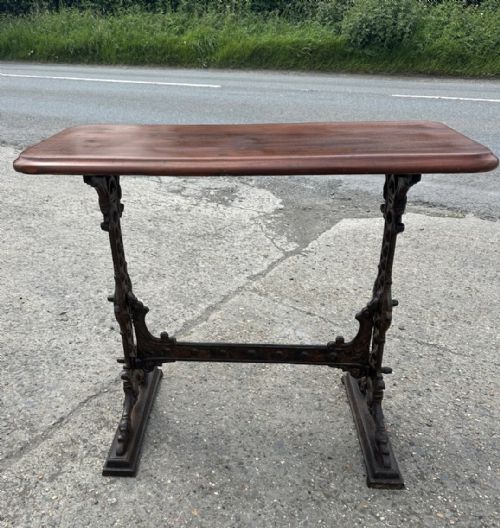
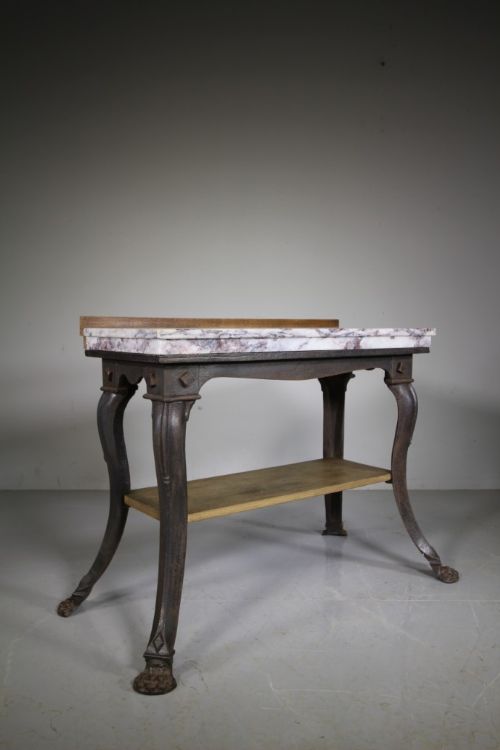
An industrial console table brings rugged utility and heavy metal bases together with timber tops for a hardworking focal point.
Industrial Console Table
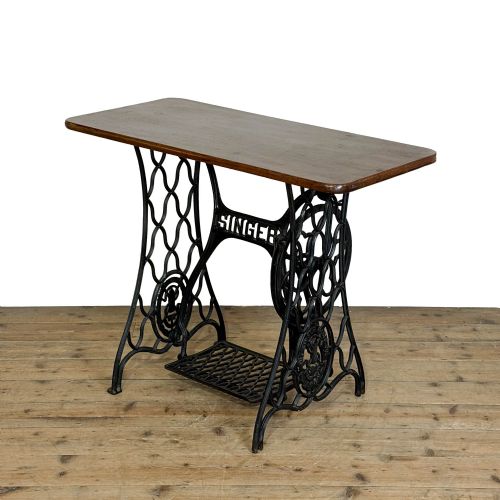
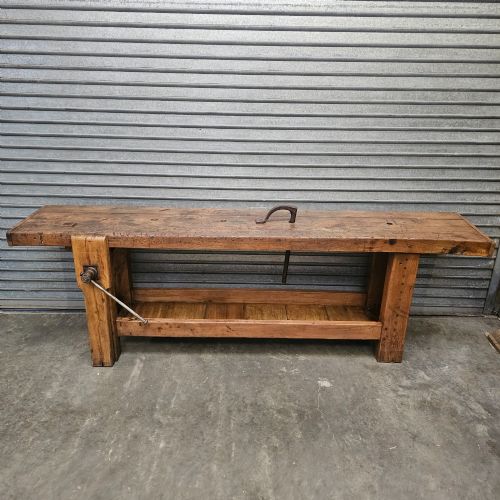
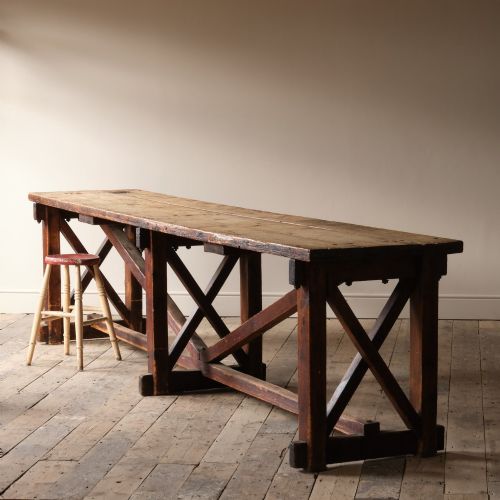
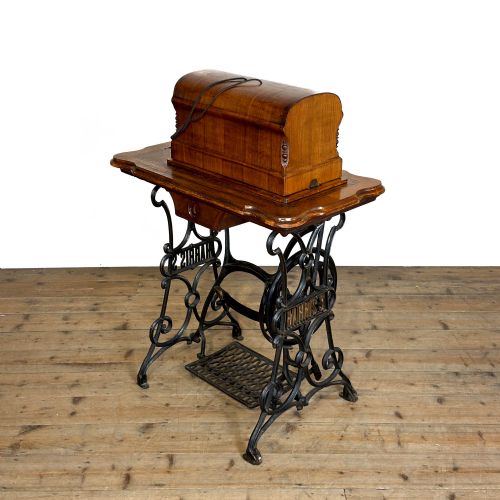
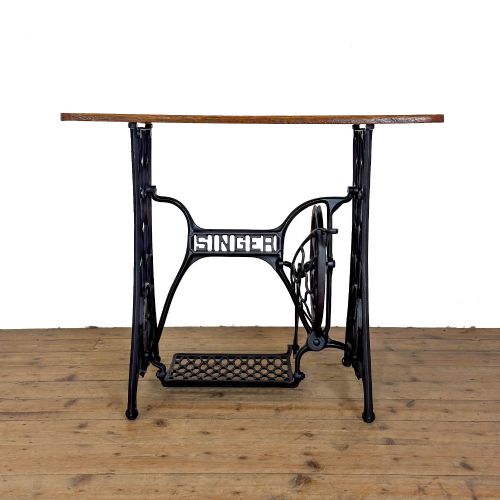
An industrial console table bridges the gap between utilitarian workshop furniture and domestic display surfaces, taking many forms from repurposed sewing machine bases to salvaged workbenches. These pieces often appear as narrow console tables, side tables, or long pub tables designed to fit tight hallways or living spaces.
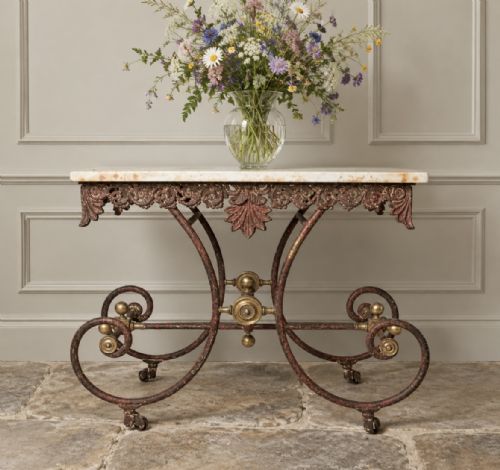
The materials span heavy metal foundations paired with contrasting wooden surfaces, reflecting a heritage of hard work. You encounter cast iron, wrought iron, and steel supports carrying tops fashioned from oak, pine, marble, and beech.
Origins stretch across the nineteenth century, the Edwardian era, and into the 1920s and 1930s, encompassing English foundry pieces and French artisanal work. The selection frequently includes adapted machine bases and robust sorting tables repurposed for modern homes.
Materials and Construction
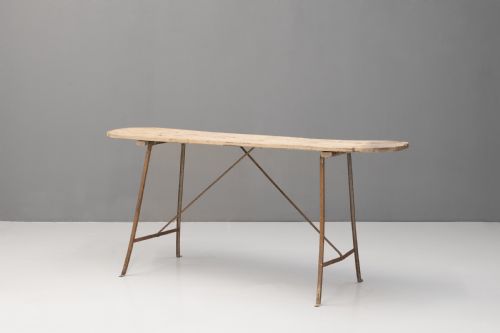
Foundations rely heavily on cast iron, wrought iron, and steel, often cast in foundational moulds for maximum strength. These metal bases include sewing machine frames, heavy-duty machinery supports, and folding metalwork structures.
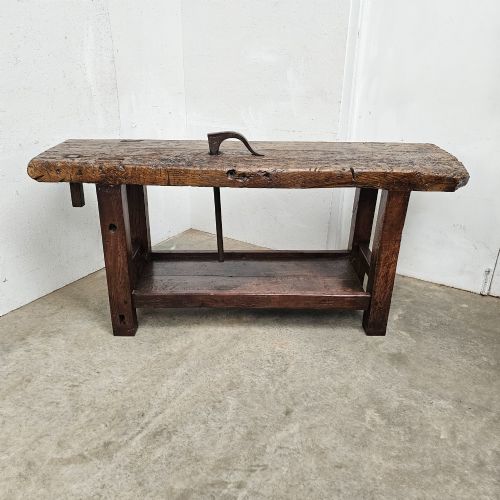
Tops combine dense hardwoods and cool stone, utilising oak, pine, beech, and mahogany alongside heavy marble slabs. Many timber surfaces bear the marks of daily trade, from clamping bars and vices to deep grain patination earned through decades of use.
Industrial Console Table Retail Price Guide 2026
Typical asking prices for industrial console table among the pieces listed under this phrase on Sellingantiques today, from the lower quarter to the upper quarter. They describe what is for sale here now, not the wider market.
Listings feature items from the 1850s through the 1930s, encompassing Victorian, Edwardian, and 1920s periods.
Assessing Quality and Build
Quality rests in the integrity of the original construction and the harmony between the base and the top. Pieces retaining their original manufacturer markings or untouched surface patination hold distinct character compared to heavily altered examples.
Weight and structural stability dictate durability, with substantial cast iron frames and thick timber or marble slabs offering longevity. The finesse of the metal casting and the honest integration of working elements like vices or sorting compartments elevate certain pieces above standard utility items.
Singer
The Industrial Console Table Glossary
- Cast Iron
- A hard, brittle alloy poured into moulds to create intricate and heavy structural bases. It forms the backbone of many nineteenth-century industrial tables.
- Console Table
- A long, narrow table designed to stand against a wall in a hallway or living space. These pieces provide surface area without consuming excessive floor space.
- Workbench
- A sturdy wooden table fitted with vices or clamping bars used by artisans and craftsmen. They bring authentic workspace heritage into domestic settings.
- Marble
- A dense metamorphic rock prized for smooth, cool tabletops. It provides a durable and water-resistant surface on French baker and side tables.
- Up-Cycled
- The process of adapting an obsolete industrial base, such as a sewing machine frame, to support a newly fitted or reclaimed timber top.
Industrial Console Table: Frequently Asked Questions
How do I style an industrial console table?
Pair the heavy metal and timber textures with softer furnishings like woven baskets or ceramic lamps to balance the look.
Keep surrounding decor simple so the structural lines of the cast iron base remain the visual focus.
Can I use an industrial console table outside?
Many cast iron and metal-topped pieces originated as garden or foundry tables and naturally withstand sheltered outdoor environments.
Wooden tops require proper treatment to protect against moisture if placed outdoors for extended periods.
How do I care for marble and wood tops?
Wipe marble surfaces promptly with a damp cloth to prevent stains from acidic liquids or oils.
Feed wooden surfaces occasionally with natural wax to preserve the grain and protect against everyday wear.
Are these tables heavy to move?
The combination of cast iron bases and dense timber or marble makes these tables exceptionally heavy.
Enlist assistance when repositioning them to protect both your floors and the integrity of the piece.