
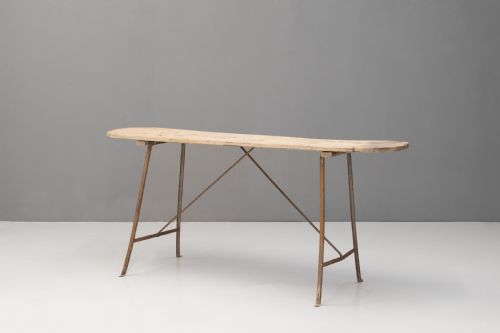
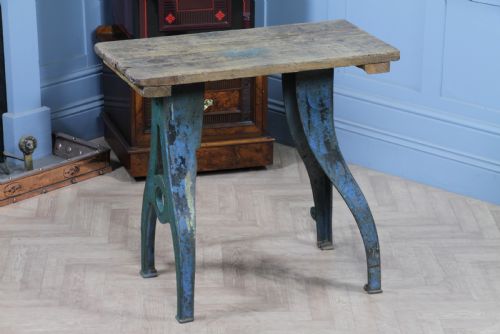


Iron Base Console Table
An iron base console table brings industrial character and heavy structure into a hallway, pairing metalwork with timber tops.
Iron Base Console Table
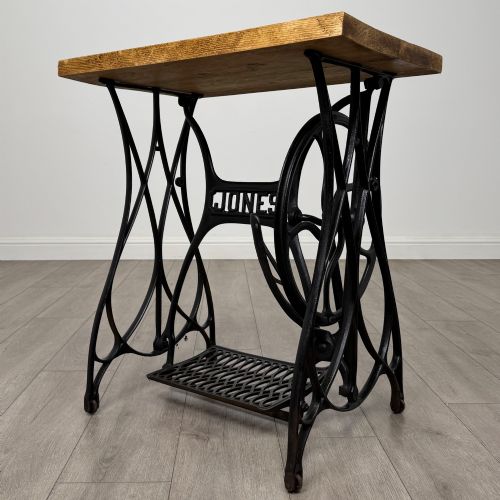
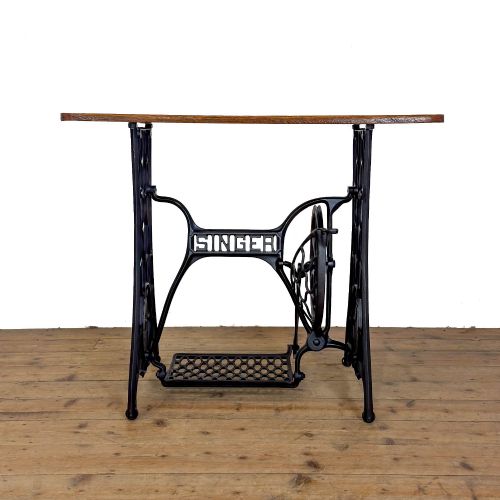
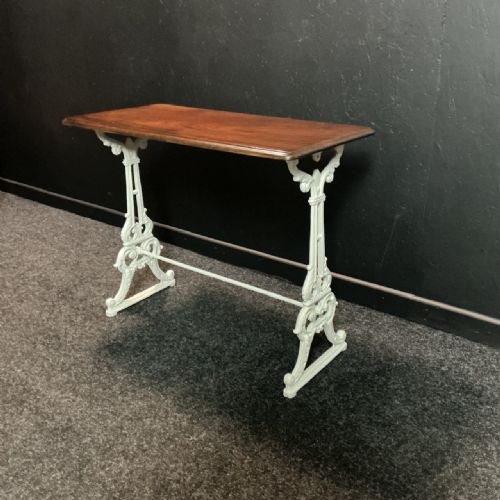
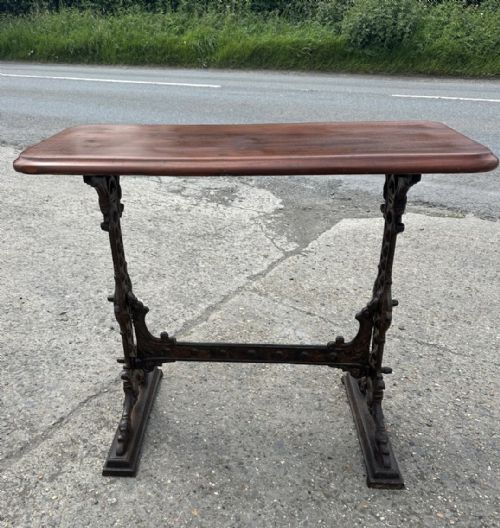
An iron base console table is built around a robust metal foundation, often adapted from industrial machinery, pub furnishings, or garden fittings. These pieces combine utilitarian strength with domestic utility, serving narrow spaces as hallways, side surfaces, or display units.
The versions most commonly found here date from the Victorian period up to the early twentieth century, spanning cast iron and wrought iron variants. Many examples utilise reclaimed pine or mahogany tops placed onto older industrial or garden frames.
Makers and manufacturers of the past repurposed functional items such as sewing machine bases and pub tables for domestic interiors. This hybrid construction defines the character of an iron base console table, blending engineering history with practical furniture.
Materials and construction methods
The structural support relies on cast iron or wrought iron, shaped through foundry casting and metalwork techniques typical of the nineteenth and early twentieth centuries. These heavy bases provide exceptional stability and feature intricate moulded patterns or utilitarian brackets.
Wooden tops utilise traditional timbers such as mahogany, oak, and pine, sometimes gathered as reclaimed pine or retained from original pub and garden tables. Carpenters fitted these surfaces to the metal frames using mechanical fastenings suited to heavy daily use.
Listings feature pieces from the Victorian and Edwardian eras, utilising cast iron, wrought iron, mahogany, oak, and pine.
Assessing quality in construction
The distinction between standard examples and finer pieces lies in the integrity of the original metal casting and the harmony of the timber top. Superior items retain their authentic factory or garden patination without excessive modern alteration.
Proportion and timber selection drive the value of the piece, with dense hardwoods like oak and mahogany holding more presence than softer pine boards. The quality of the joinery where the wooden top meets the iron base dictates the overall rigidity and finish.
The Iron Base Console Table Glossary
- Cast iron
- A strong, hard iron-carbon alloy produced by pouring molten metal into a mould. It forms the heavy, decorative, and structural bases seen on Victorian and industrial tables.
- Console table
- A long, narrow table designed to stand against a wall in a hallway or principal room. These pieces maximise surface space in confined areas.
- Reclaimed pine
- Timber salvaged from older buildings or structures and repurposed for new furniture tops. It brings weathered grain and historic character to industrial bases.
- Wrought iron
- Iron that has been heated and hammered into shape by hand rather than cast in a mould. This material appears in structural braces and garden frames.
Iron Base Console Table: Frequently Asked Questions
What is an iron base console table?
An iron base console table is a narrow furnishing that combines a heavy metal support with a wooden top. These pieces often adapt industrial, pub, or garden frames for domestic hallway use.
They offer a blend of utilitarian strength and period character, suiting interiors that mix rustic wood with dark metalwork.
How do I date an iron base table?
Dating relies on examining the casting techniques of the metal base and the species of the timber top. Victorian and Edwardian examples show distinct foundry marks and construction methods.
Comparing the wear on the iron to the age of the wood helps establish whether the base and top originated together or were united later.
Where should I place a console table?
These narrow tables suit hallways, entryways, and passages where floor space is limited. Their heavy iron bases provide stability without requiring a bulky wooden frame.
They also function effectively against living room walls as display surfaces for lamps, books, and decorative objects.
What woods are used for the tops?
Table tops typically feature pine, oak, or mahogany, depending on the original function of the base. Pub and garden tables often used durable hardwoods, while utility tables used pine.
Reclaimed pine boards frequently appear on up-cycled industrial frames, adding historic grain and varied patination to the surface.