
Vintage Ironing Table Console
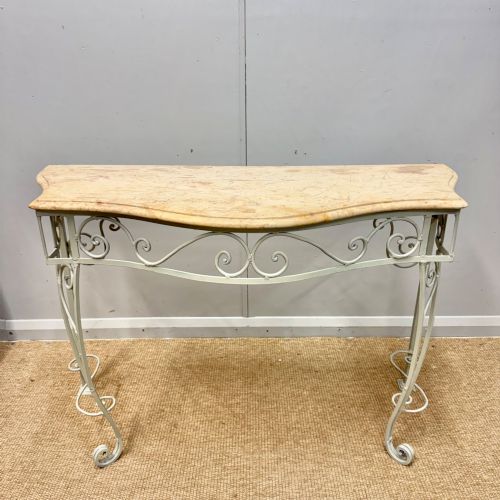
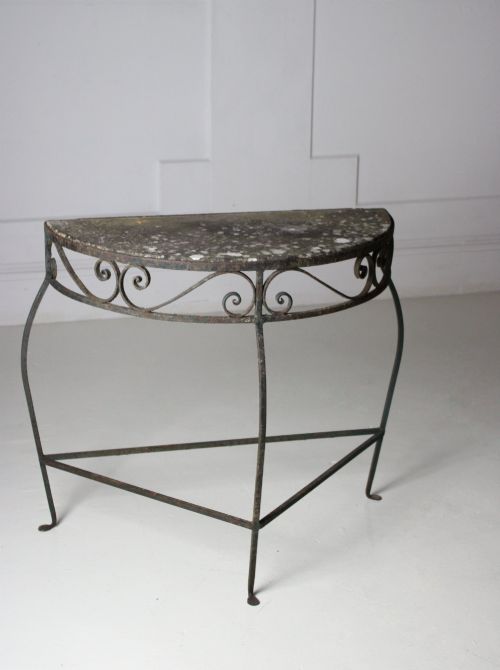
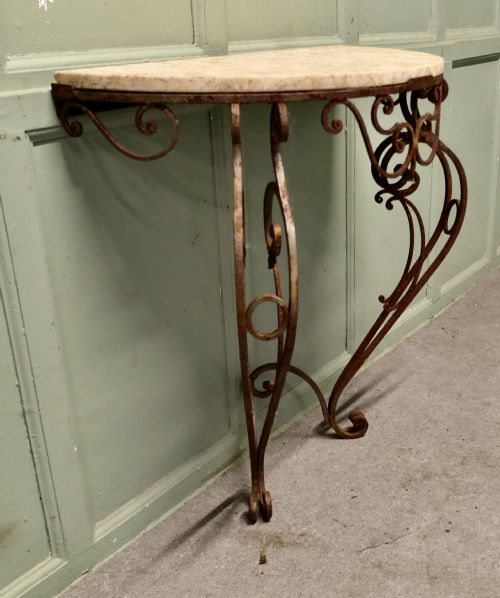
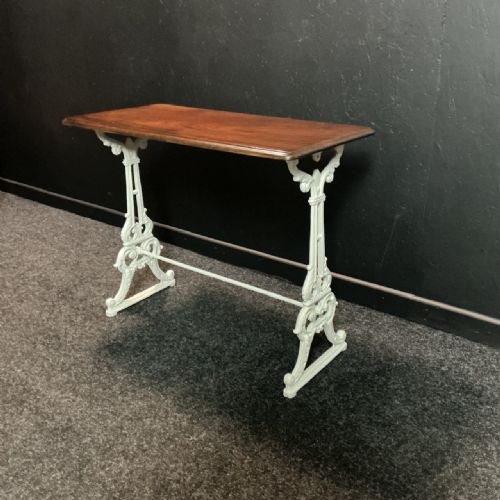
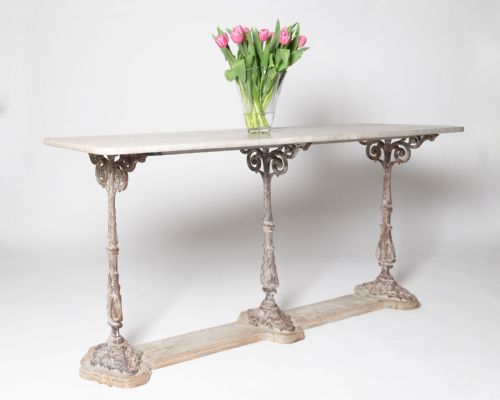
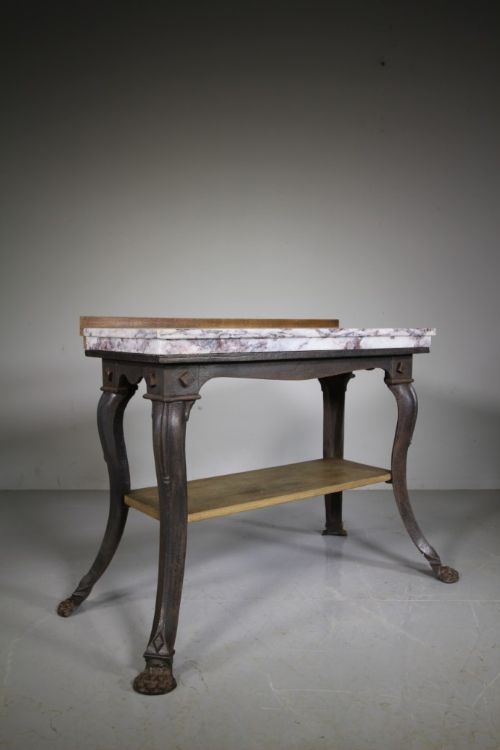
These vintage ironing table console pieces combine sturdy metal frames with stone and wooden tops to create versatile hallway surfaces.
Vintage Ironing Table Console
A vintage ironing table console brings robust utility into domestic spaces, adapting industrial bases and work surfaces into narrow display tables. You will encounter pieces spanning the nineteenth century through the nineteen-thirties, reflecting practical origins in workshops, laundries, and gardens.
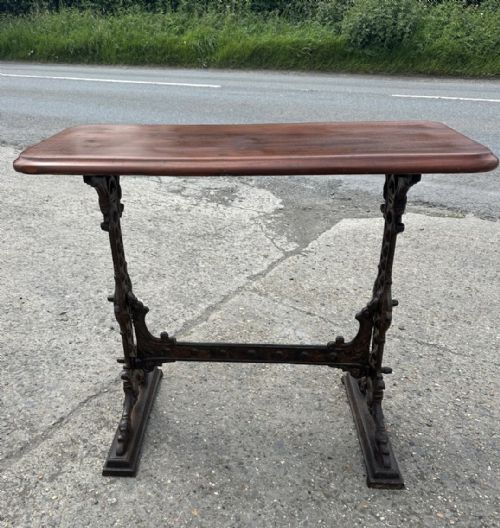
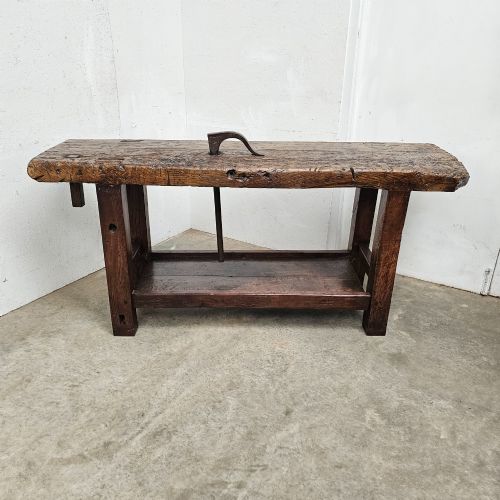
The selection on this page leans heavily towards French and English origins, showcasing console tables, side tables, and workbenches adapted for modern hallways. Makers combined heavy cast or wrought iron with marble, pine, oak, and mahogany tops to create durable furniture.
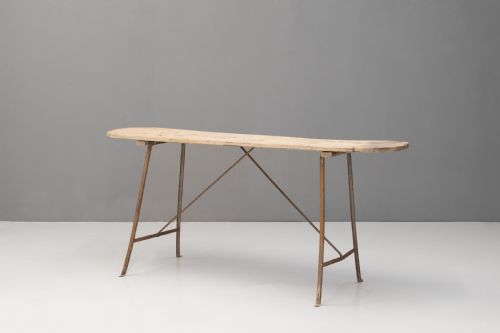
Styles range from rustic farmhouse and French country to industrial Victorian, showing how utilitarian ironwork transitions smoothly into decorative settings. These tables often feature folding mechanisms, two tiers, or stone surfaces originally designed for functional labour.
Materials and Construction Methods
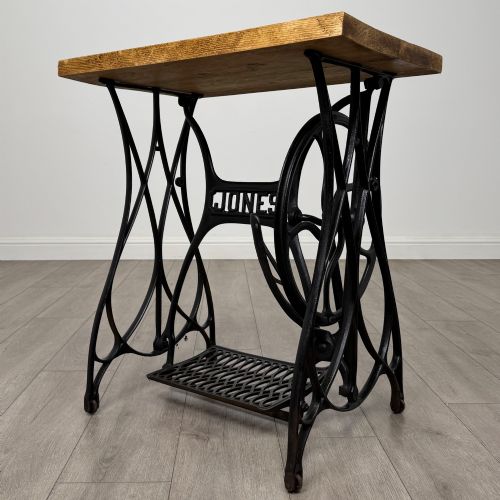
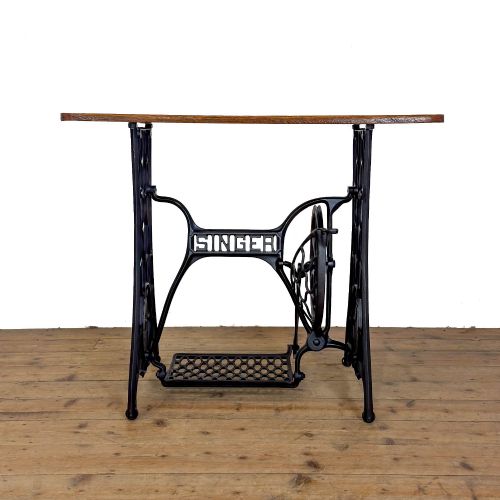
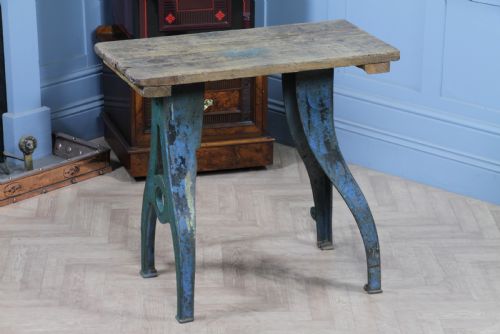
Constructors relied on heavy cast iron and wrought iron for the structural bases, frequently utilising sewing machine frames, mangle mechanisms, or industrial supports. These metal foundations provide exceptional stability and weight, often finished with paint or left with patinated surfaces.
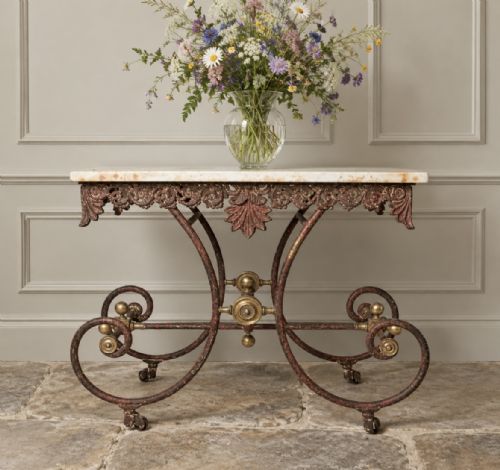
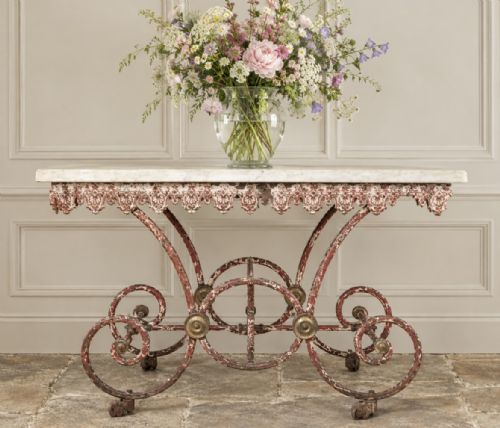
Tops utilise contrasting materials such as cool marble, reclaimed pine, golden oak, and solid mahogany, secured directly to the metal frames. Artisans joined woods with traditional methods and integrated functional elements like vices, clamping bars, and brass accents.
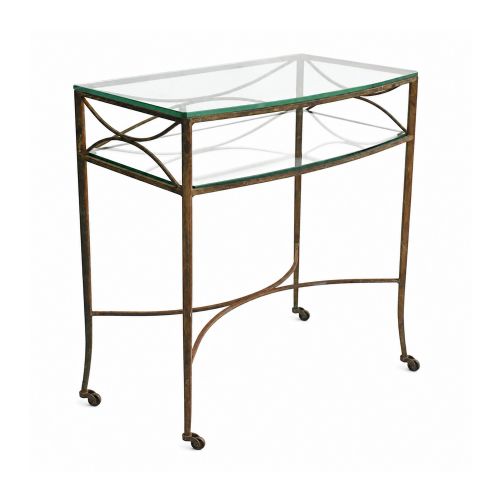
The combination of steel, brass, and glass elements appears alongside stone slabs, demonstrating a pragmatic approach to material selection in nineteenth-century and early twentieth-century workshops.
Some tables retain their original sewing machine treadles, inviting you to absentmindedly tap your feet while checking your post.
Assessing Build Quality and Authenticity
Quality rests in the integrity of the original pairing between the heavy metal base and the surface top, distinguishing period adaptions from recent assemblies. Superior examples retain their original marble slabs, uncompromised timber tops, and authentic foundry marks on the ironwork.
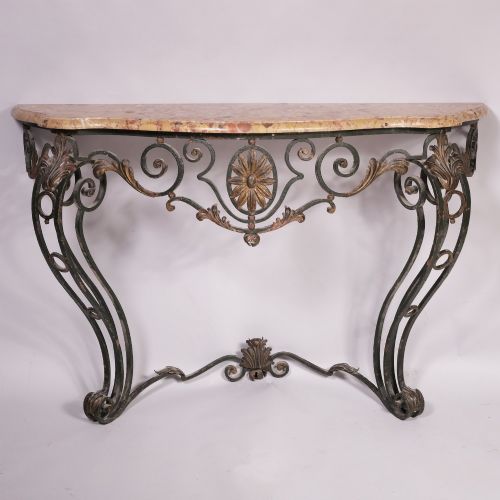
The refinement of the iron scrolling, the weight and thickness of the stone, and the depth of the timber patina separate everyday utility items from finer decorative consoles. Consideration is given to how cleanly folding mechanisms operate and whether original paintwork remains intact.
The Vintage Ironing Table Console Glossary
- Console table
- A table designed to stand against a wall, typically supported by decorative brackets or legs. These narrow pieces suit hallways and reception spaces.
- Wrought iron
- Iron that has been heated and shaped with tools by a blacksmith rather than cast in a mould. This material allows for slender, curved supports.
- Cast-iron
- Iron poured into a mould to create rigid structural frames. It provides the heavy foundation seen on many industrial tables.
- Serpentine
- A gently undulating curved shape seen on the edges of marble or wooden tabletops. This outline adds fluid movement to otherwise rigid furniture.
- Patina
- The surface sheen and colour acquired by wood, metal, and stone through age and regular handling. It serves as an indicator of genuine age.
Vintage Ironing Table Console: Frequently Asked Questions
Where do these console tables work best?
Their narrow depth makes them ideal for hallways, corridors, and narrow reception rooms where floor space is limited. They provide a stable surface for lamps and decorative objects without obstructing passage.
They also function effectively as serving tables in dining rooms or plant stands in conservatories, drawing on their garden and workshop origins.
How do I care for marble tops?
Marble requires gentle cleaning with warm water and mild soap, avoiding acidic substances that can etch the polished stone surface. Using coasters and mats helps protect the historical material from stains.
Applying a specialist stone wax periodically preserves the finish and maintains the natural lustre of the marble.
Are these tables heavy to move?
The combination of cast iron bases and stone or hardwood tops makes these pieces exceptionally heavy and robust. Two people are typically required to lift and position them safely.
This weight ensures they remain stable freestanding against walls without needing additional wall fixings.
How can I tell the period?
Dating relies on examining the casting techniques of the ironwork, the tool marks on the timber, and the style of any machinery bases utilised. Victorian and Edwardian pieces often display manufacturer stamps or patent marks.
Comparing the fixings, screws, and overall wear patterns helps distinguish nineteenth-century production from later twentieth-century interpretations.