

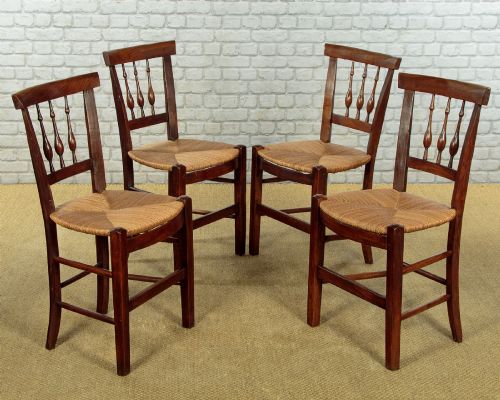
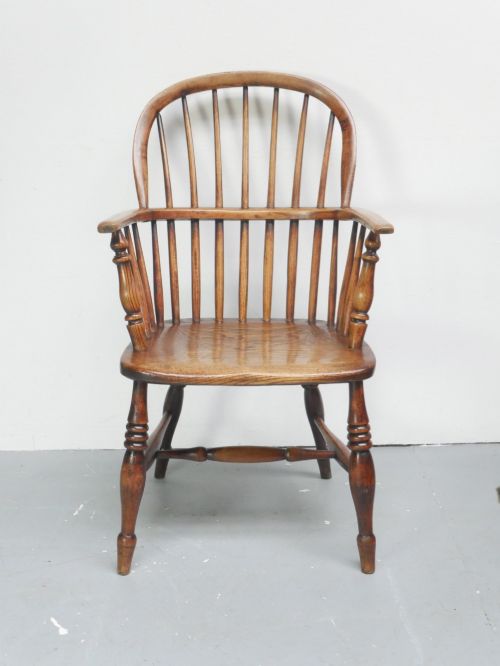
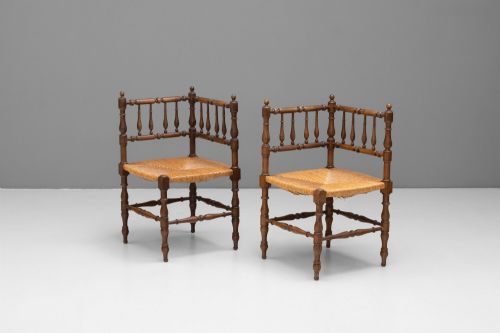
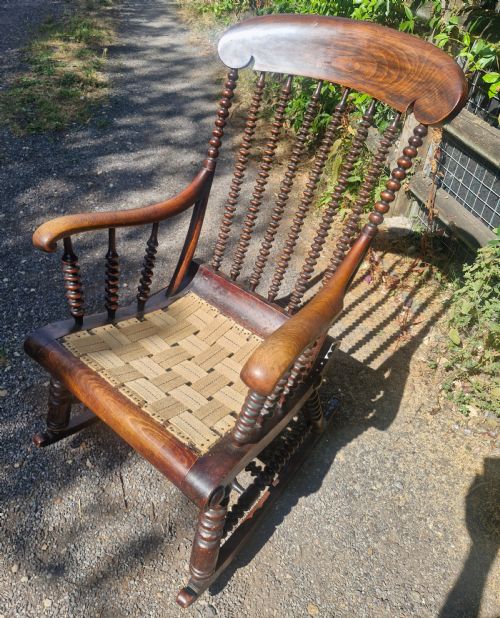
Oak Spindle Back Chairs
These oak spindle back chairs offer sturdy vernacular charm for everyday seating.
Oak Spindle Back Chairs
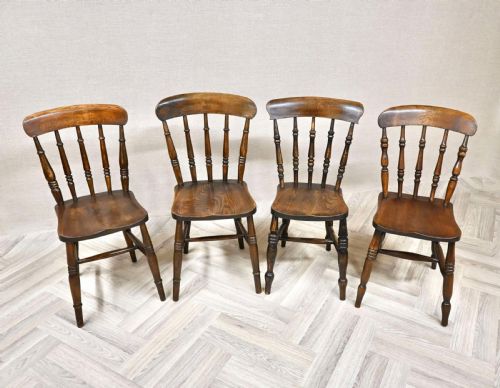
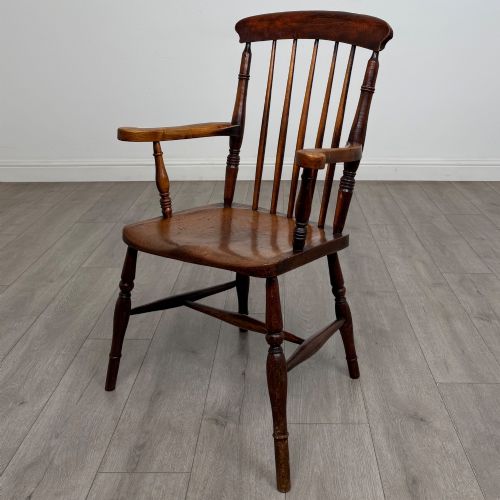
When you search for oak spindle back chairs, you encounter sturdy vernacular seating shaped by regional English traditions from the eighteenth to the early twentieth century. These pieces include single dining chairs, carvers, and occasional chairs designed for hard domestic use.
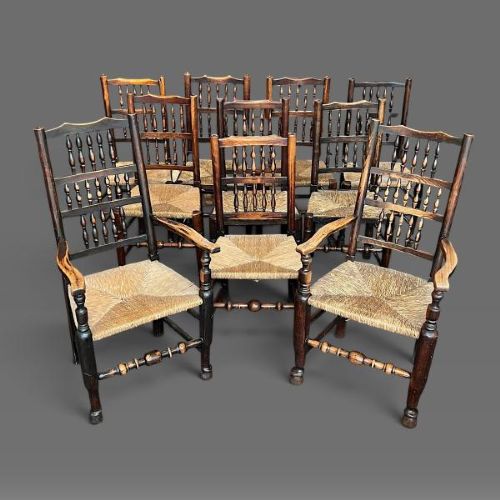
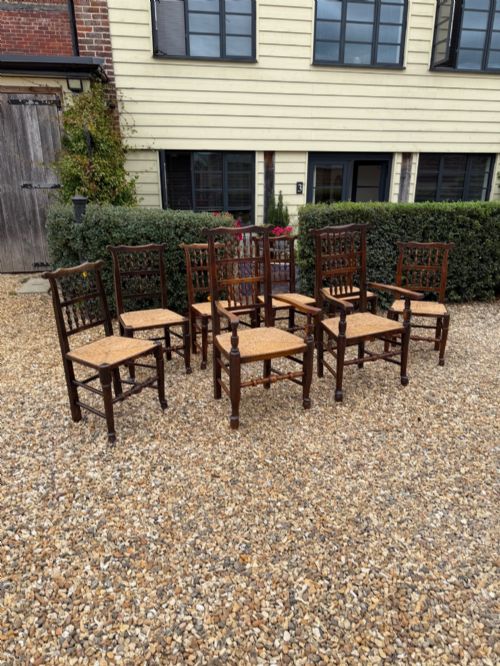
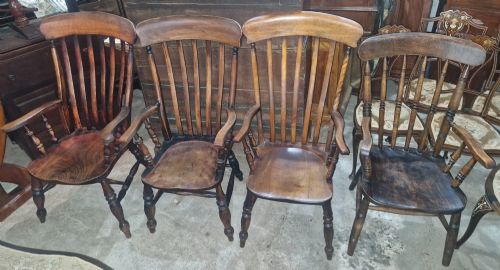
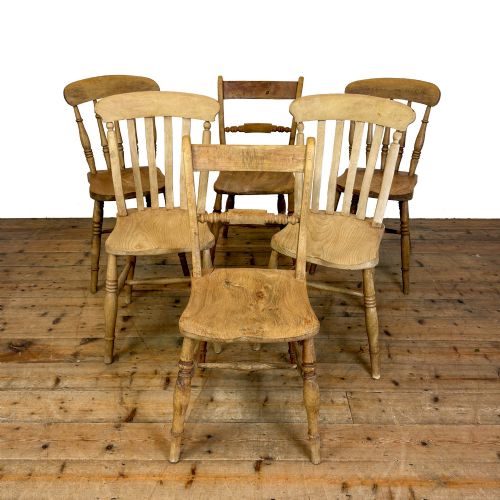
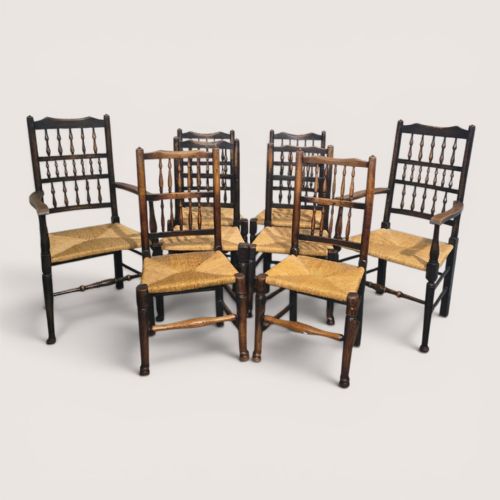
The versions most common on this page span the Victorian and Edwardian periods, alongside nineteenth-century farmhouse examples. They turn up individually, in pairs, or in larger matched and harlequin sets suited for dining rooms and kitchens.
How they were made
Maker-joiners built these chairs using solid timbers, pairing an oak frame with supporting woods such as ash, elm, and beech for turned spindles and legs. Rush, wood, leather, or fabric provided the seating surface depending on regional workshop practice.
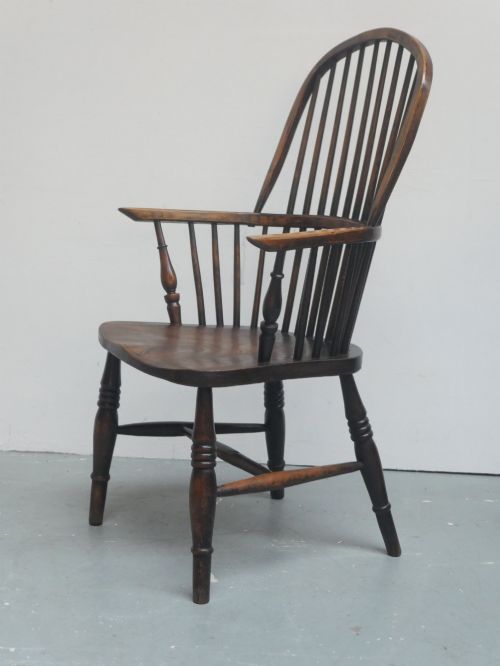
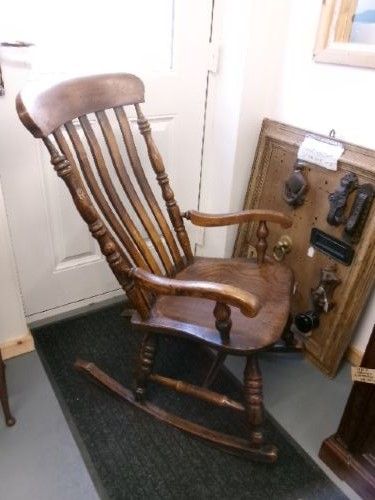
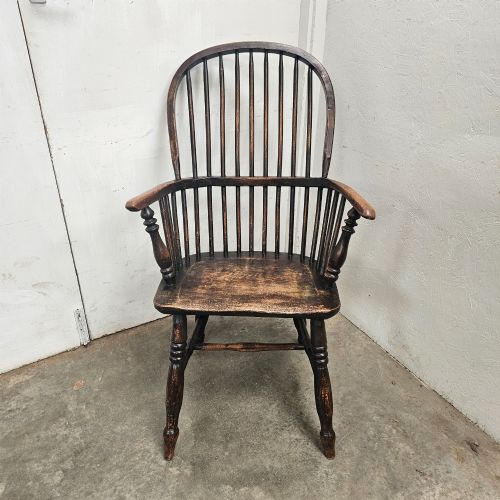
Turned components were shaped on lathes before assembly into stick-back, hoop-back, or Windsor frameworks. Constructive joints relied on traditional pegged mortise and tenon construction to ensure lasting rigidity.
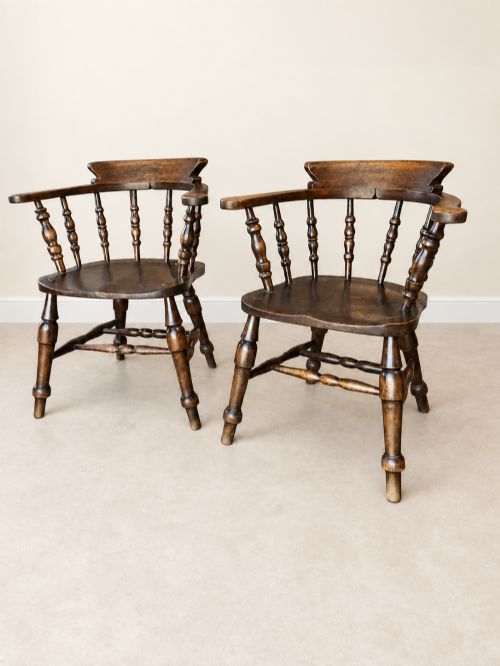
Some nineteenth-century examples include fitted smokers bow armchairs designed specifically for comfortable fireside contemplation.
What varies in quality
Quality rests in the crispness of the wood turnings and the structural integrity of the frame. Strong grain matching across a set and original, unblemished timber surfaces elevate certain examples above standard utility furniture.
Regional distinctiveness also plays a part, where robust northern Lancashire or Yorkshire workshop variants show deeper local character than later mass-produced alternatives.
Liberty and Co·Duncan McKellar
The Oak Spindle Back Chairs Glossary
- Spindle back
- A chair back constructed from vertical turned wooden rods. These slender uprights support the sitter while keeping the overall frame light.
- Windsor
- A chair built with a solid wooden seat into which the legs, back sticks, and bow are all separately inserted. This method creates a resilient, unified structure.
- Rush seat
- A seating surface woven from dried marsh rushes. Traditional makers twisted these natural fibres tightly to form durable, textured pads.
- Harlequin set
- A collection of chairs that share a similar style or period without being identical from origin. These groupings match in general height and proportion rather than exact design.
Oak Spindle Back Chairs: Frequently Asked Questions
How do I clean a rush seat?
Dust rush surfaces gently with a soft brush or dry cloth to remove debris between the woven strands. Avoid using excess water, which can cause the natural fibres to weaken or snap.
Keep these chairs away from direct heat sources and damp areas to preserve the flexibility of the dried marsh material over time.
Are these chairs suitable for daily dining?
Most of these vernacular pieces were originally built for heavy kitchen and dining use, making them naturally robust for everyday sitting. Their solid timber construction handles regular movement without losing stability.
Matching a set to your table requires checking seat heights, as older country chairs often feature lower profiles than modern equivalents.
What is a harlequin set?
A harlequin set brings together individual chairs sharing a common era, material, or regional style rather than coming from a single original workshop batch. They share compatible proportions and visual weight around a table.
Collectors often assemble these groups over time to achieve a traditional, collected interior look.
How do I tell regional styles apart?
Regional differences appear in the turning patterns of the spindles and the shaping of the solid wood seats. Lancashire and Yorkshire pieces often display distinct undercarriage stretchers and bolder crest rails compared to Thames Valley designs.
Examining the secondary woods used in the underframe also points towards specific local maker traditions.