
Traditional Spindle Back Seats
Traditional spindle back seats offer honest vernacular seating crafted from sturdy timbers like elm and ash across centuries of country making.
Traditional Spindle Back Seats
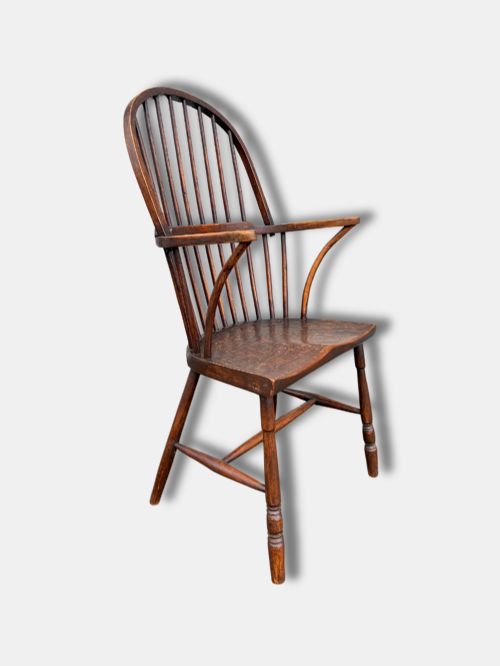
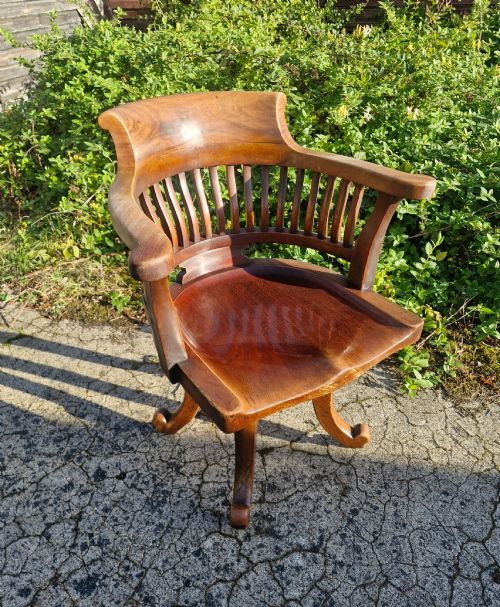
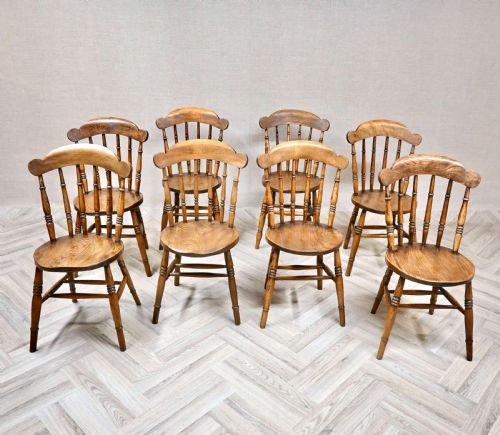
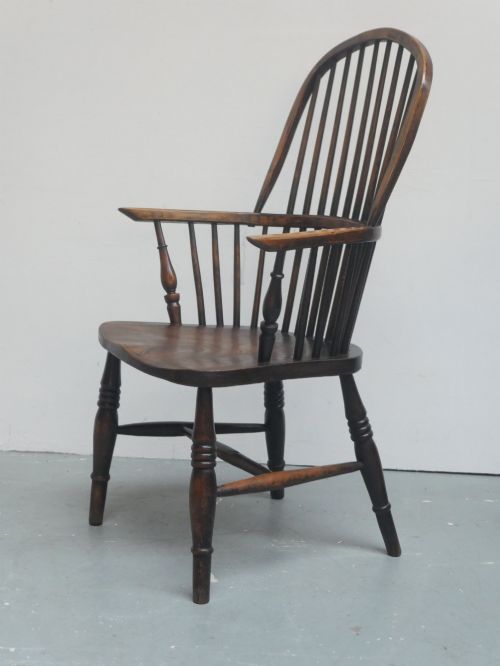
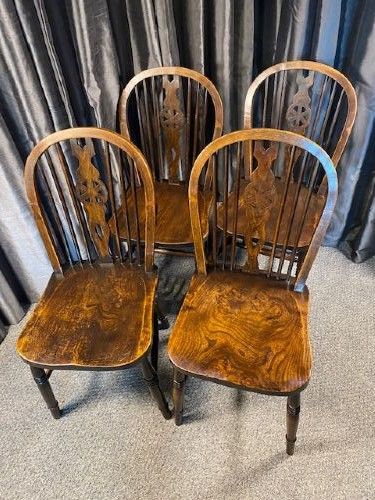
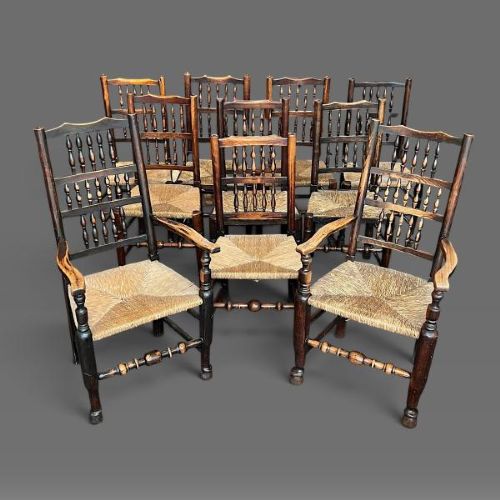
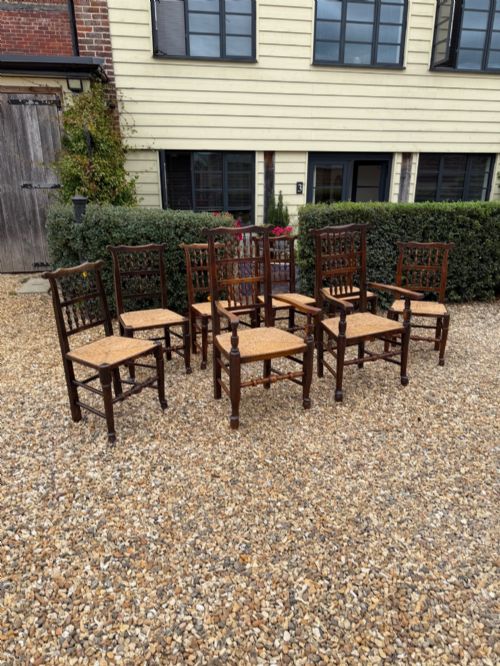
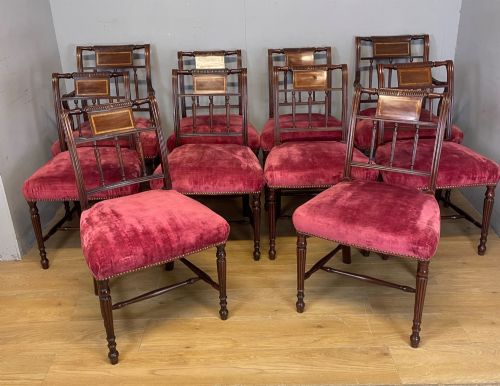
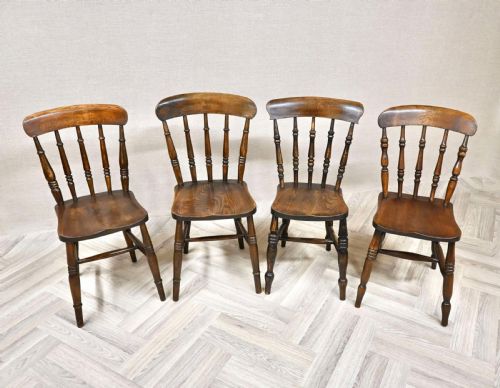
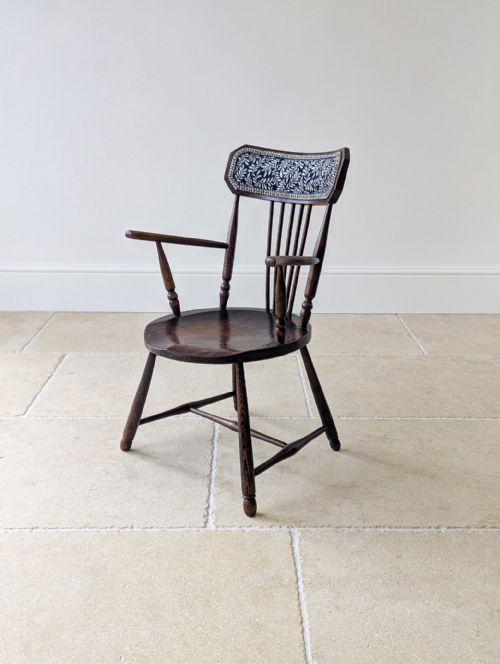
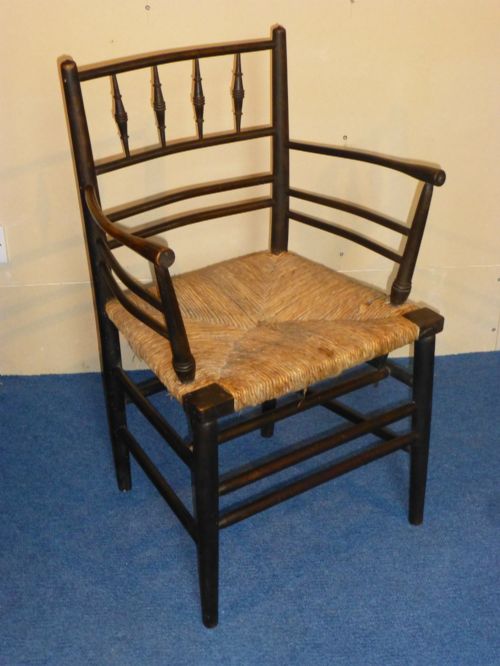
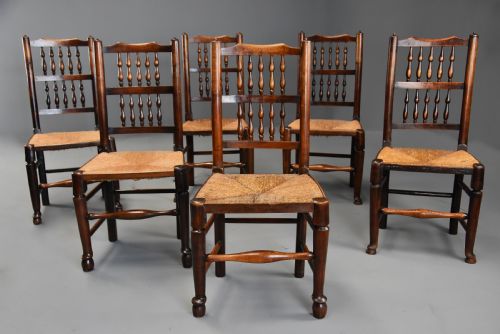
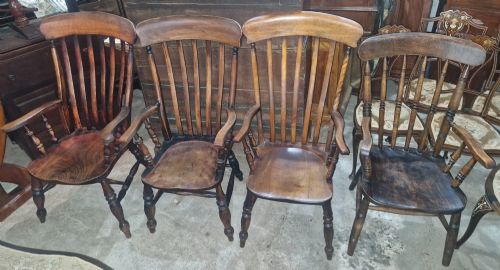
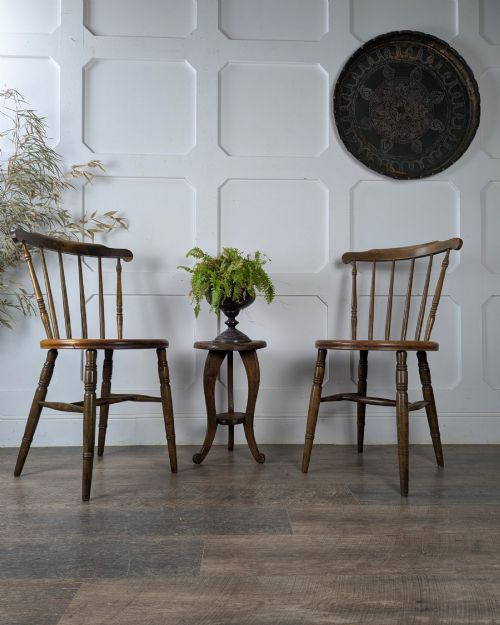
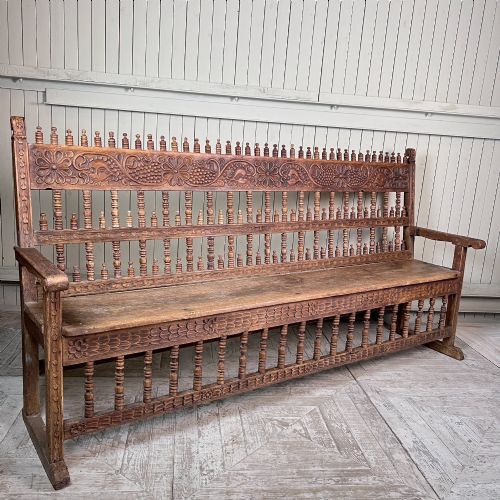
Traditional spindle back seats encompass a wide range of vernacular seating forms, from individual kitchen dining chairs and carvers to rocking chairs, corner chairs, and multi-seater benches. When exploring this selection, buyers most frequently encounter English country Windsor chairs, rush-seated Sussex models, and farmhouse kitchen chairs originating from the eighteenth, nineteenth, and early twentieth centuries.
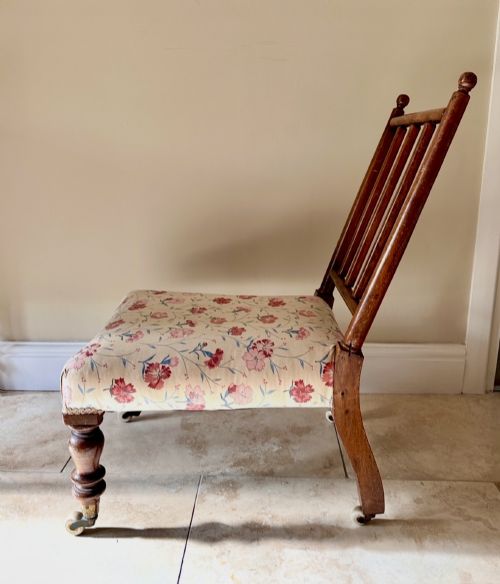
The regional variety spans diverse aesthetic traditions, including English country vernacular, Arts and Crafts movements, and continental European examples such as Hungarian pine settles and Spanish colonial benches. Forms range from simple side chairs and wheelback designs to substantial rocking chairs and low-backed fireside armchairs designed for daily domestic utility.
How they were made
Maker traditions rely on combining contrasting native timbers to maximise structural strength, frequently pairing solid elm seats with flexible ash or beech spindles and legs. Turnery and steam-bending techniques shape the components, while rush seating and pegged joints secure the rigid wooden frameworks together without modern adhesives.
Surface finishes include natural wax, historic painted blue schemes, ebonised treatments, and aged patinas that reflect decades or centuries of domestic handling. Construction methods prioritize practical resilience, utilising turned uprights and sturdy stretchers to support upright dining or relaxed rocking functions.
Materials recorded across the inventory include elm, beech, ash, rush, oak, pine, and painted hardwood surfaces.
What varies in quality
Quality differences emerge in the purity of the timber selection and the integrity of the original construction, particularly where elm seats show deep figuring and rich surface patination. Examples exhibiting crisp, well-turned spindles and balanced proportions demonstrate superior craftsmanship compared to heavily altered or mismatched sets.
The preservation of original surface finishes, from early waxed pine to period ebonising and historic rush seats, dictates the desirability of a piece. Pieces retaining their structural stability and honest, untampered joins stand out in any gathering of vernacular seating.
Morris and Co·Philip Webb·E W Godwin
The Traditional Spindle Back Seats Glossary
- Windsor chair
- A wooden chair constructed with a solid sculpted seat into which the legs and back spindles are separately socketed. This form developed deep roots in English country furniture making.
- Rush seat
- A woven seating surface made from dried marsh rushes twisted into cords. It provides a durable and slightly yielding base for vernacular chairs and benches.
- Spindle back
- A chair back composed of multiple slender turned wooden uprights fitted between a top rail and the seat. These uprights provide light yet rigid support.
- Settle
- A high-backed wooden bench with solid arms and often a storage box beneath the seat. They were placed near hearths to block draughts in older houses.
- Harlequin set
- A collection of chairs that are closely related in style and period but were not originally made as a matching group. They share general characteristics while showing subtle individual variations.
Traditional Spindle Back Seats: Frequently Asked Questions
What is a traditional spindle back seat?
A traditional spindle back seat is a historic wooden chair, bench, or rocking seat featuring turned vertical spindles forming the backrest. These pieces originate primarily from vernacular country workshops using native hardwoods.
They encompass various regional forms, including Windsor chairs, Sussex armchairs, and farmhouse kitchen seating designed for everyday utility.
How do I care for antique wooden seats?
Maintain antique wooden seats by keeping them away from direct heat sources and sudden humidity changes that cause timber to split. Apply a microcrystalline wax occasionally to nourish dry surfaces.
Avoid aggressive liquid cleaners and protect rush or hide seating elements from excessive moisture during routine cleaning.
How can I date an old spindle back chair?
Dating relies on examining tool marks, timber selection, construction methods, and the wear patterns on the seat. Eighteenth-century examples often feature deeper plank sculpting and vernacular jointing.
Later nineteenth and twentieth-century versions reflect industrial machine-turnery and revival styles such as Arts and Crafts movements.
Were these seats used exclusively in kitchens?
While many spindle back forms served in farmhouses and kitchens, they also occupied parlours, bedrooms, and studies. Rocking chairs and fireside armchairs provided comfortable seating in living spaces.
Benches and settles were positioned in hallways or near hearths to accommodate multiple household members.