


Oak Shop Display Cabinet
An oak shop display cabinet brings commercial heritage into a room, offering glazed protection for small collections and retail items.
Oak Shop Display Cabinet
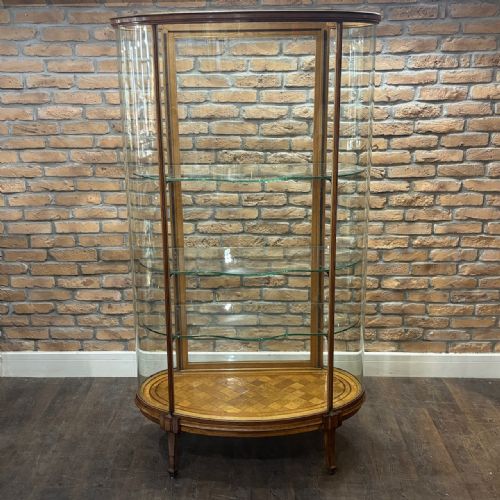
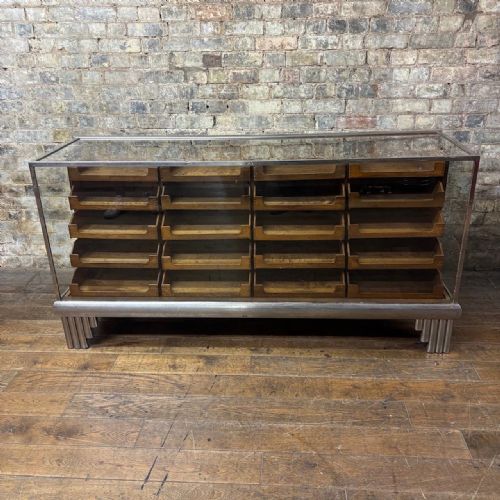
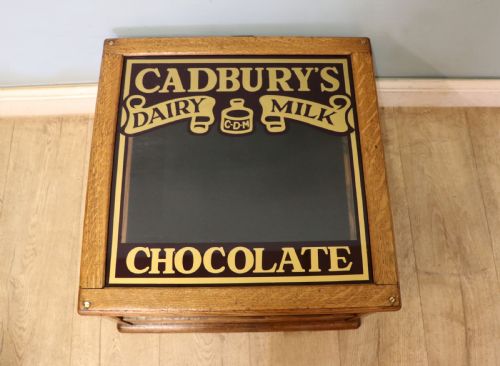
An oak shop display cabinet encompasses practical retail furniture produced across the Victorian, Edwardian, and interwar periods. Buyers frequently encounter countertop models, haberdashery counters, and tall vitrines designed for commercial merchandise.
The materials span solid timber frames paired with clear glass panels, sometimes incorporating brass hardware, velvet linings, or chrome details. Surviving pieces originate from diverse commercial settings including drapery shops, jewellers, and watchmakers.
Makers and retailers such as F. Sage & Co and Dudley & Co supplied functional fixtures that transitioned from high street counters into domestic interiors. These items range from compact desktop cases to large shopfitting units with multiple drawers.
Materials and construction methods
Makers utilised durable timber frames built to withstand heavy daily retail use, integrating glazed doors and viewing panels to showcase contents. Brass hinges, handles, and occasional bronze elements secure the glass doors and internal drawers.
Interiors often feature fitted shelving, pull-out display tables, or velvet-lined surfaces designed for textiles, jewellery, and small curiosities. Structural glazing relies on rebated timber frames to hold large glass panes securely in place.
Listings feature oak, brass, glass, chrome, and velvet across Victorian, Edwardian, and 1930s commercial forms.
Distinctions in construction and provenance
Quality rests upon the robustness of the timber framing, the clarity of the original glazing, and the retention of working ironmongery or brass fittings. Pieces retaining manufacturer marks or documented commercial provenance carry distinct historical value.
Fitted interiors, such as sliding display tables, original velvet linings, and operational drawers, separate standard commercial cases from superior workshop examples. The complexity of the joinery and the condition of the timber finish define the upper tier of surviving stock.
F. Sage & Co·Dudley & Co·Manoah Rhodes & Sons Ltd·Aitchison·Lawn & Burton Norwich
The Oak Shop Display Cabinet Glossary
- Haberdashery cabinet
- A multi-drawer retail chest with glass fronts or trays used for storing and displaying small sewing goods and accessories. These pieces typically feature banks of shallow drawers.
- Vitrine
- A glass-fronted display cabinet used for showcasing precious objects and fine wares. The term frequently applies to taller freestanding or hanging display cases.
- Countertop display cabinet
- A compact glazed showcase designed to sit atop a shop counter for customer viewing. Such units often include rear sliding doors for easy access by the shopkeeper.
- Shopfitting
- Custom furniture and fixtures produced for commercial retail premises. This category includes large counters, wall units, and specialised display enclosures.
- Inlay decoration
- Ornamental patterns embedded into the wood surface using contrasting materials. Edwardian examples occasionally display this decorative woodworking technique.
Oak Shop Display Cabinet: Frequently Asked Questions
What is an oak shop display cabinet?
An oak shop display cabinet is a piece of commercial retail furniture built to showcase goods behind glass.
These items were originally used in high street shops before finding a place in homes as display furniture.
How were these cabinets used?
Merchants utilised them on counters or floors to protect small merchandise while allowing customers a clear view.
Jewellery, textiles, and timepieces were commonly stored inside for organised retail presentation.
How do I live with one?
These cabinets suit modern interiors as bookcases, collector showcases, or distinctive storage units.
Placed in living spaces or kitchens, their glass panels and timber frames display personal collections effectively.
How do I tell periods apart?
Victorian and Edwardian examples often feature heavier timber mouldings and traditional brass hardware.
Later pieces from the interwar period incorporate streamlined lines, limed oak finishes, or chrome elements.