
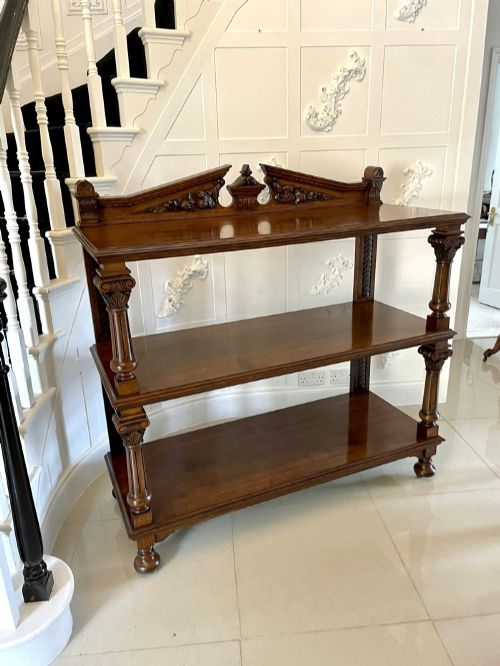
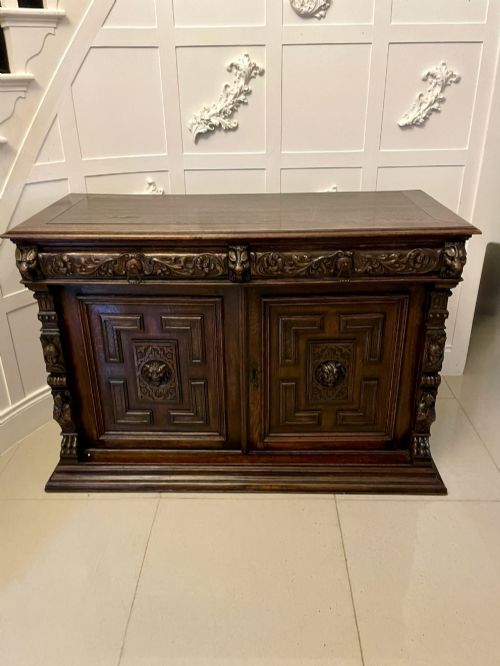
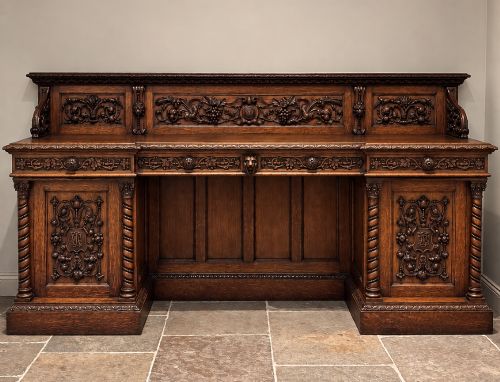
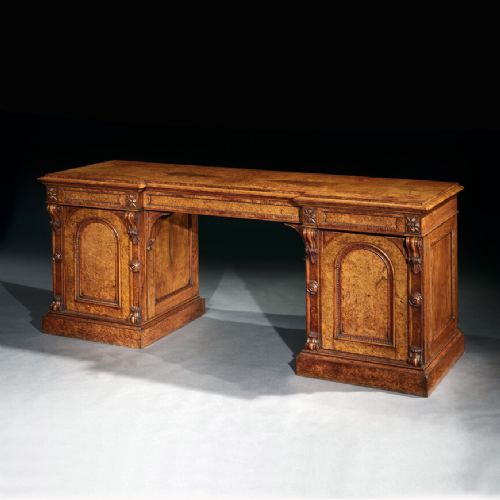
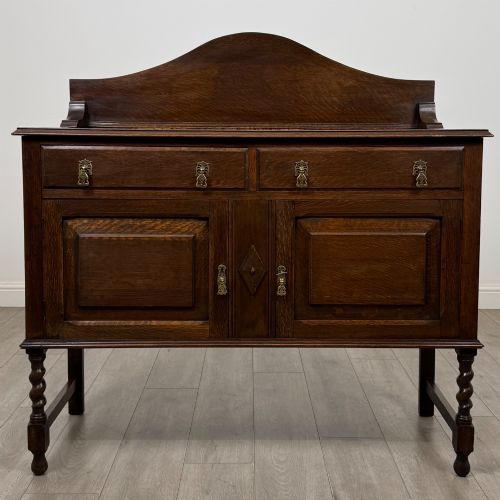
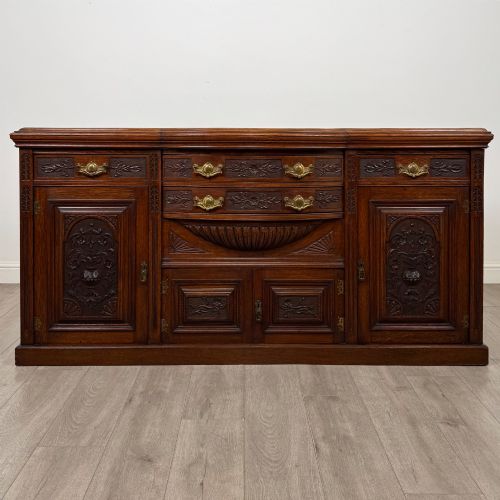
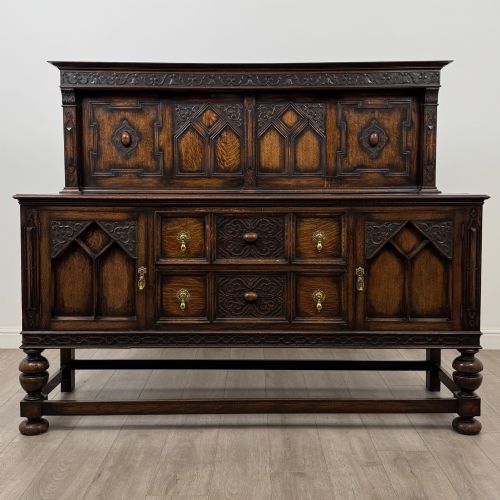
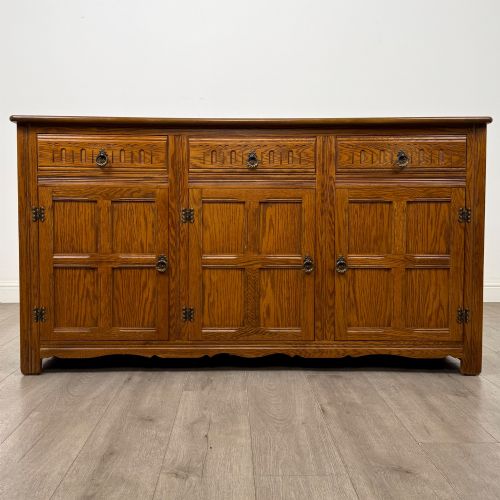
Oak Dining Sideboard
An oak dining sideboard anchors the room with sturdy timber and practical storage, serving meals and displaying silver.
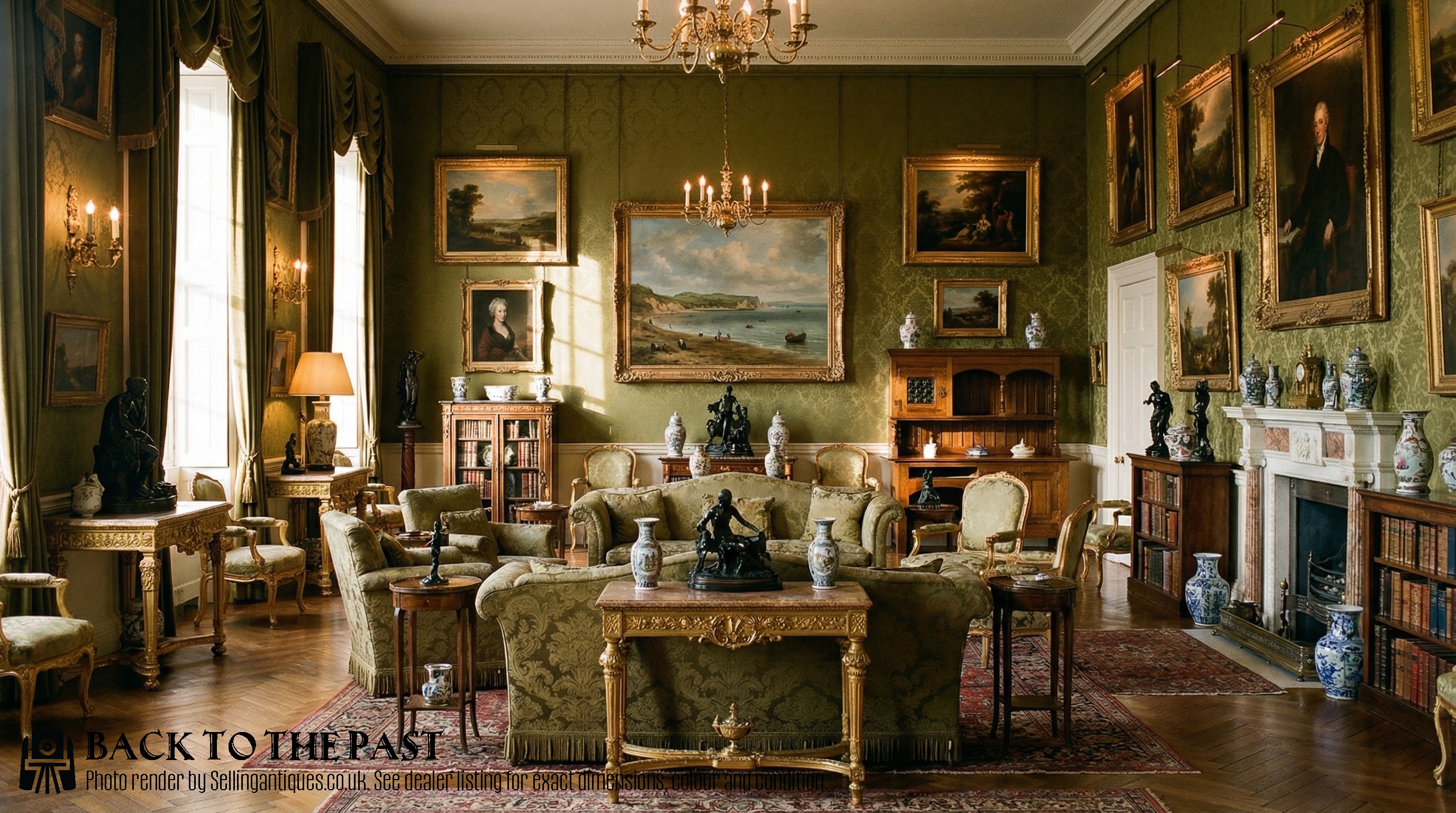
Oak Dining Sideboard
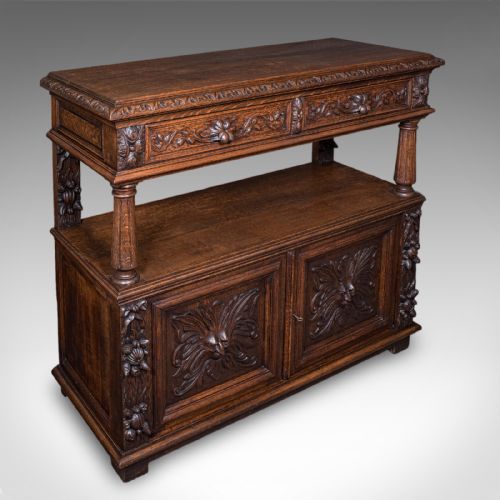
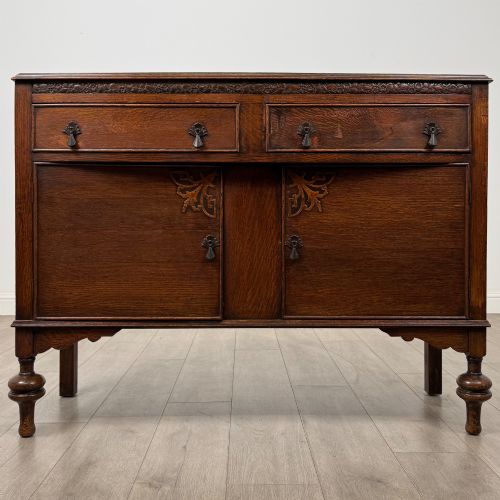
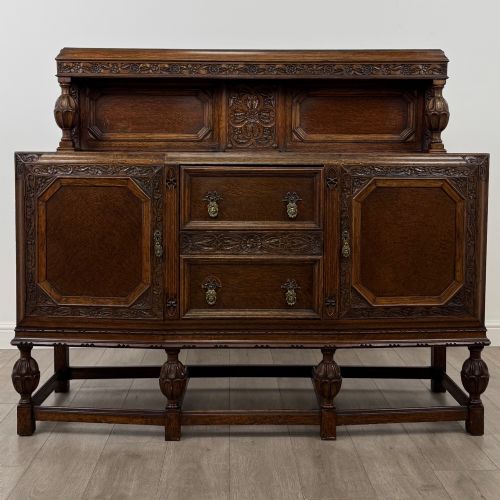
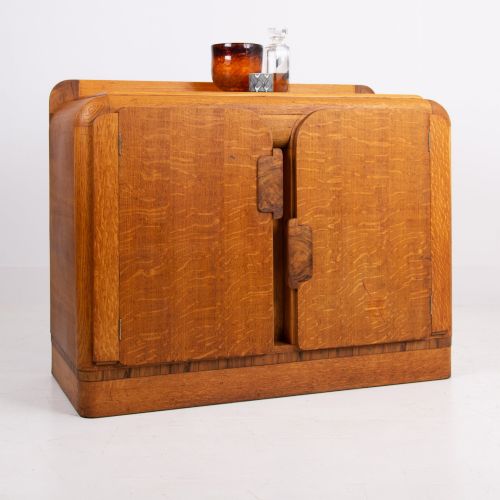
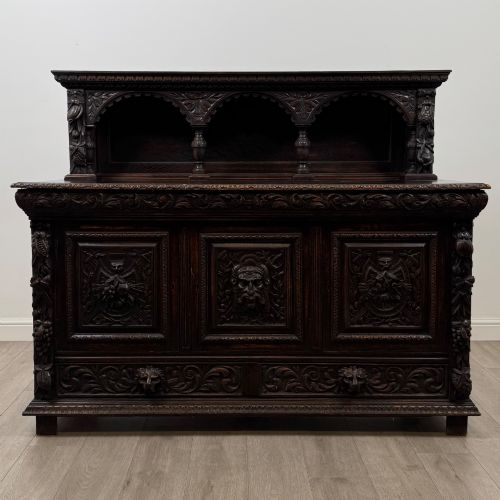
An oak dining sideboard provides substantial storage and a sturdy serving surface for dining rooms, drawing on centuries of cabinet-making tradition. When searching for an oak dining sideboard, buyers encounter a range of forms from substantial Victorian buffets to streamlined 1930s cabinets.
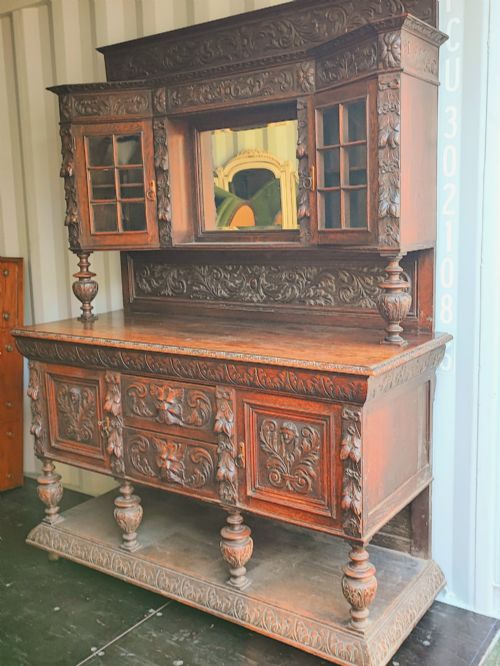
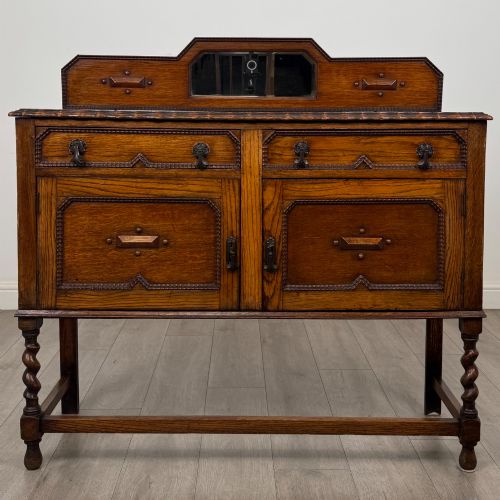
The pieces appearing here span the eighteenth, nineteenth, and twentieth centuries, incorporating revivalist movements like Jacobean, Gothic, and Arts and Crafts styles. Most examples lean towards nineteenth-century Victorian heavily carved designs or early twentieth-century golden oak pieces fitted with barley-twist supports.
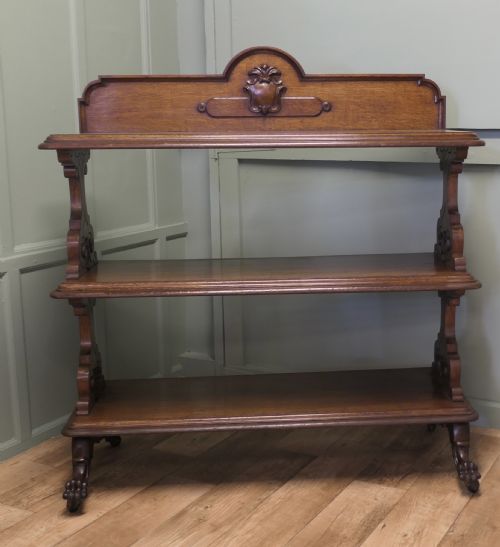
Beyond standard sideboards, related dining furniture such as dresser bases, buffets, servers, and dumbwaiters frequently emerge under this heading. These variations share a primary timber of oak, sometimes accented with pollard oak, walnut, or brass hardware.
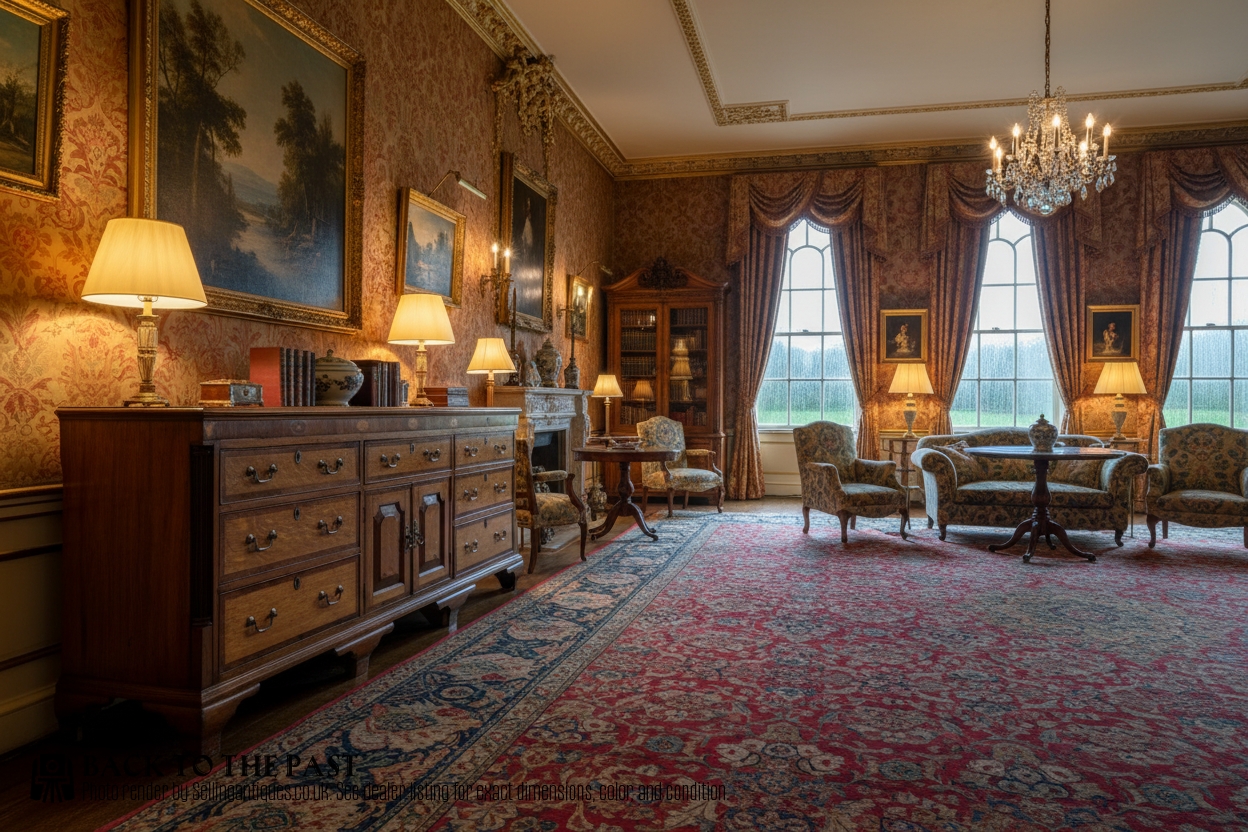
How they were made
Makers utilised solid oak and burr veneers, often pairing the primary timber with secondary woods for internal drawer construction and backing boards. Construction methods rely on traditional joinery, including dovetail drawers and mortise and tenon frames.
Decorative techniques range from deep relief carving and applied mouldings to parquetry top surfaces and turned barley-twist uprights. Hardware consists of brass handles, escutcheons, and iron hinges that complement the weight of the timber.
Oak Dining Sideboard Retail Price Guide 2026
Typical asking prices for oak dining sideboard among the pieces listed under this phrase on Sellingantiques today, from the lower quarter to the upper quarter. They describe what is for sale here now, not the wider market.
Materials paired with oak in these sideboards include brass, glass, pollard oak, metal, iron, walnut, and mahogany.
What varies in quality
The crispness of the hand-carved ornamentation distinguishes standard production from exceptional examples, as deep relief work requires skilled carving. Timber selection also dictates grade, with figured pollard oak or matched grain patterns elevating the status of a cabinet.
Structural integrity depends upon the tightness of joints and the retention of original hardware, locks, and keys. Proportion and balanced design, whether in a large mirror-back buffet or a compact modernist cabinet, separate utilitarian pieces from masterworks.
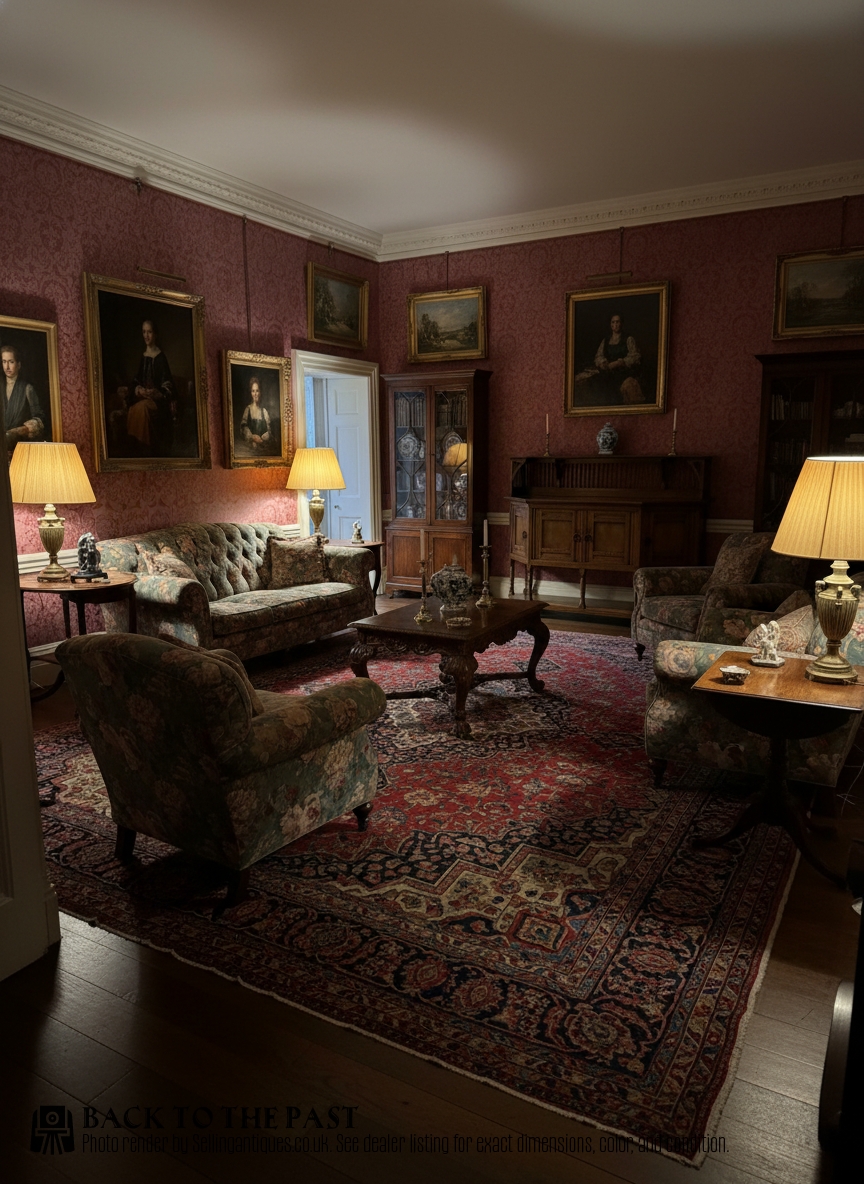
Gomme·Heals of London
The Oak Dining Sideboard Glossary
- Pollard oak
- Timber taken from trees that have been pollarded, producing a heavily knotted, highly decorative grain pattern. This figure is frequently utilised on drawer fronts and door panels of mid-nineteenth-century sideboards.
- Barley-twist
- A spiral turning carved into furniture legs, columns, or supports. This decorative detail gains prominence in seventeenth-century revival furniture and returns in Edwardian and 1930s pieces.
- Dresser base
- A low cabinet fitted with drawers and cupboards beneath a serving top, originating as a functional kitchen working surface. These pieces often serve as sideboards in modern dining rooms.
- Dumbwaiter
- A tiered serving table or stand used to hold dishes and utensils near the dining table. Nineteenth-century examples often incorporate revolving or fixed tiers of carved oak.
- Breakfront
- A piece of furniture where the central section projects forward from the flanking cupboards or drawers. This arrangement creates visual depth and breaks the linear boundary of the facade.
Oak Dining Sideboard: Frequently Asked Questions
How do I date an oak sideboard?
Dating relies upon observing construction methods, hardware, and stylistic revival cues. Hand-cut dovetails and pegged joints usually point to earlier periods, while machine-cut elements and specific revival styles align with Victorian or twentieth-century production.
Examining secondary woods and the style of applied decoration helps narrow the decade of manufacture. Comparing the piece against documented examples from makers like Gomme or Heal's provides further chronological context.
What is the difference between a buffet and a sideboard?
Traditionally, a buffet places greater emphasis on serving food, often including a top shelf or stepped back for displaying dishes. A sideboard focuses more on enclosed storage with cupboards and drawers beneath a flat surface.
In practice, historical cataloguing often uses the terms interchangeably. Both formats appear frequently in dining rooms to manage tableware and food service.
Will an antique oak sideboard fit a modern dining room?
Oak sideboards range from compact Edwardian golden oak cabinets to substantial Victorian mirror-back buffets. Measuring the available wall space and clearance for opening doors and drawers ensures a comfortable fit.
Lighter finishes, such as limed oak or bleached surfaces from the early twentieth century, blend easily into contemporary interiors. Darker, heavily carved Victorian pieces make a strong focal point in larger rooms.
How do I care for a pollard oak surface?
Pollard oak requires gentle cleaning with a soft, dry cloth to remove dust without harming the figured grain. Avoiding direct sunlight and maintaining stable room humidity prevents the timber from drying or splitting.
Applying a traditional beeswax polish periodically nourishes the wood and preserves the lustre of the finish. Avoid silicone-based sprays, which can build up and degrade the historic surface over time.