
Oak Casing Clock
These oak casing clock examples combine traditional cabinet-making with reliable timekeeping, offering a practical centrepiece for any room.
Oak Casing Clock
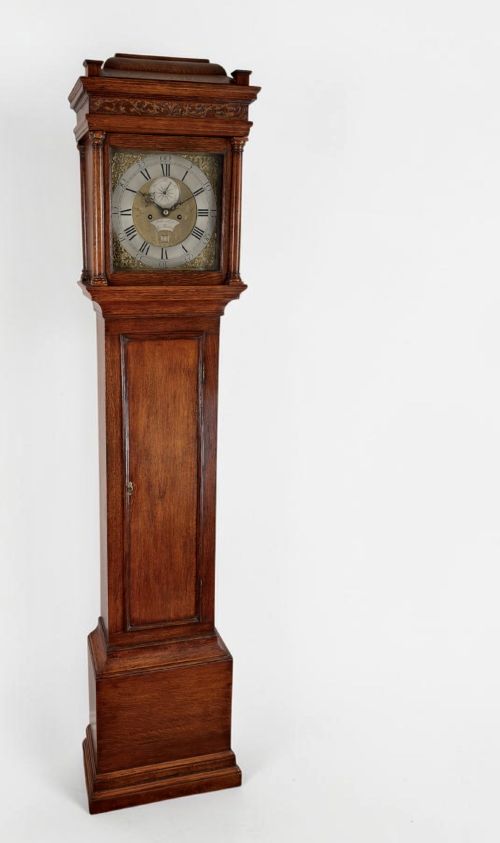
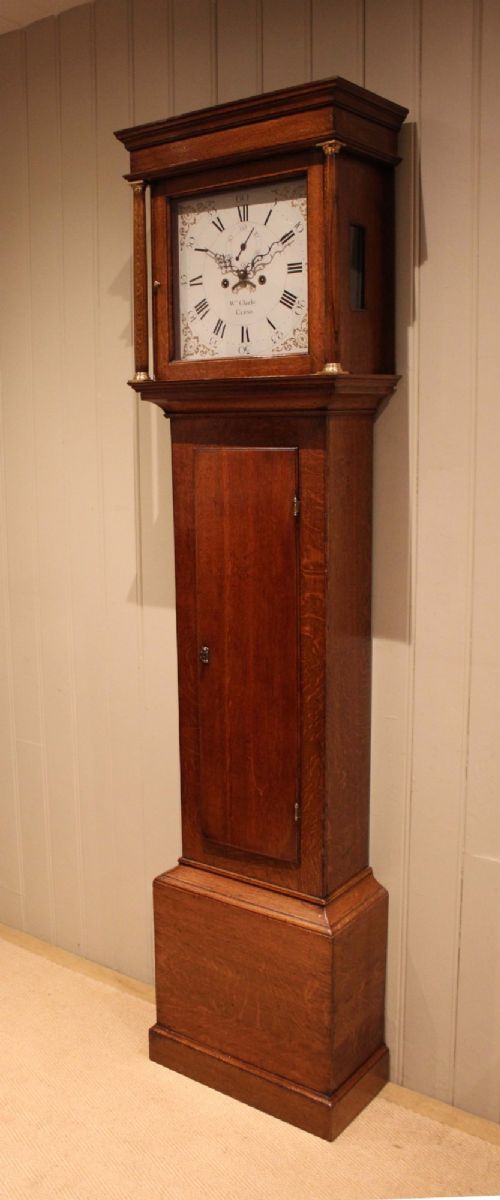
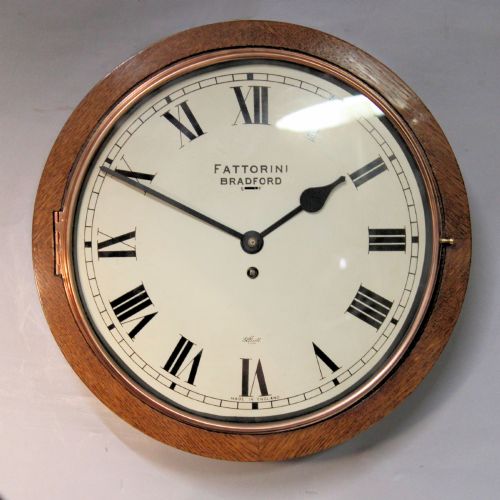
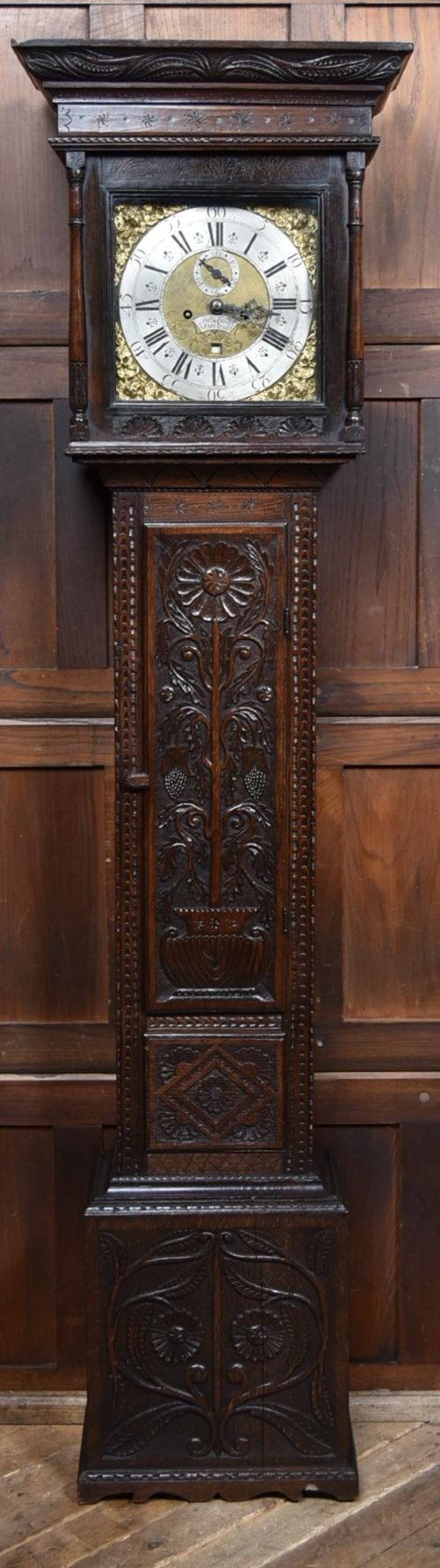
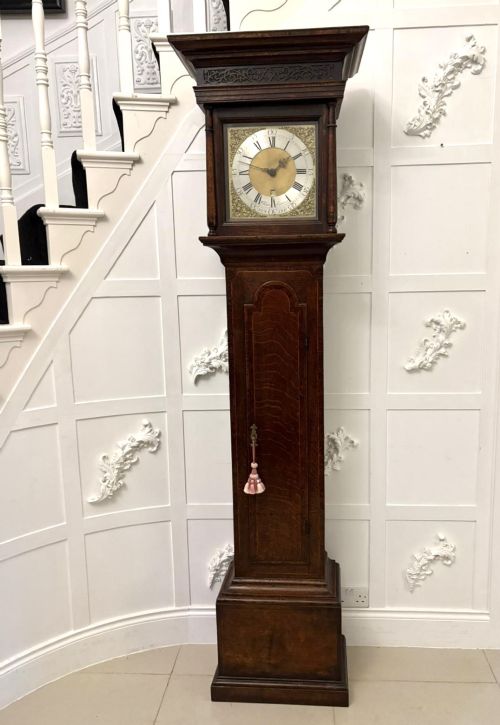
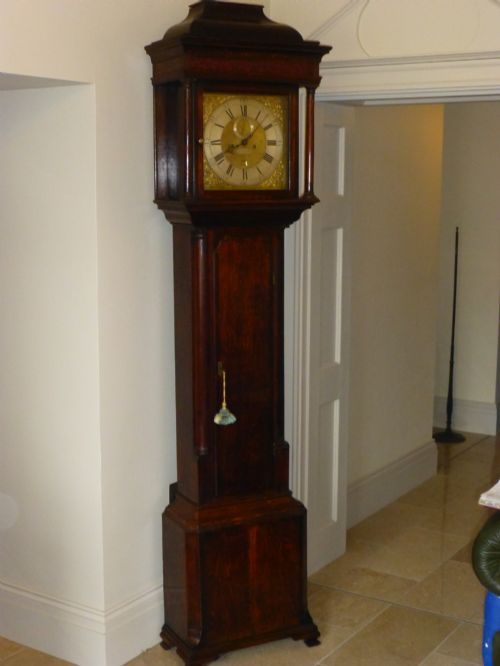
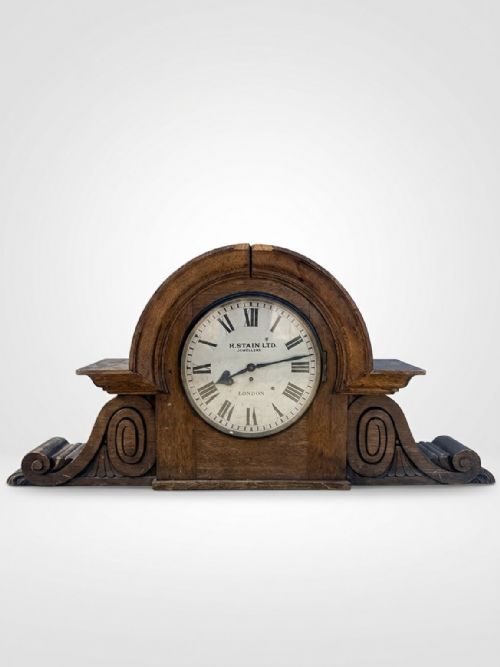
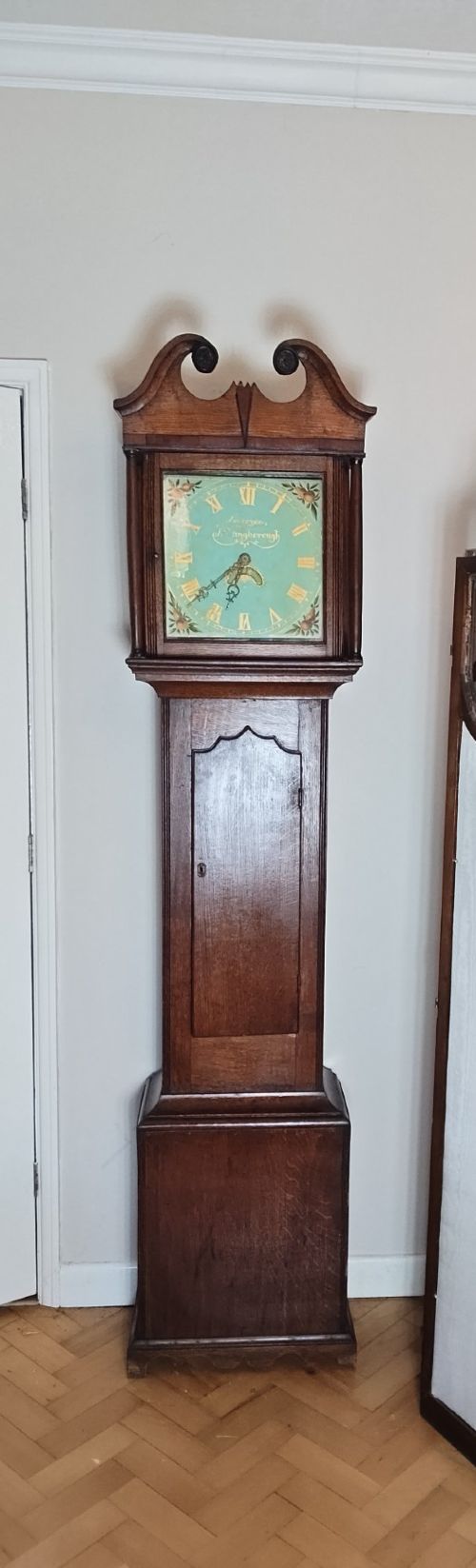
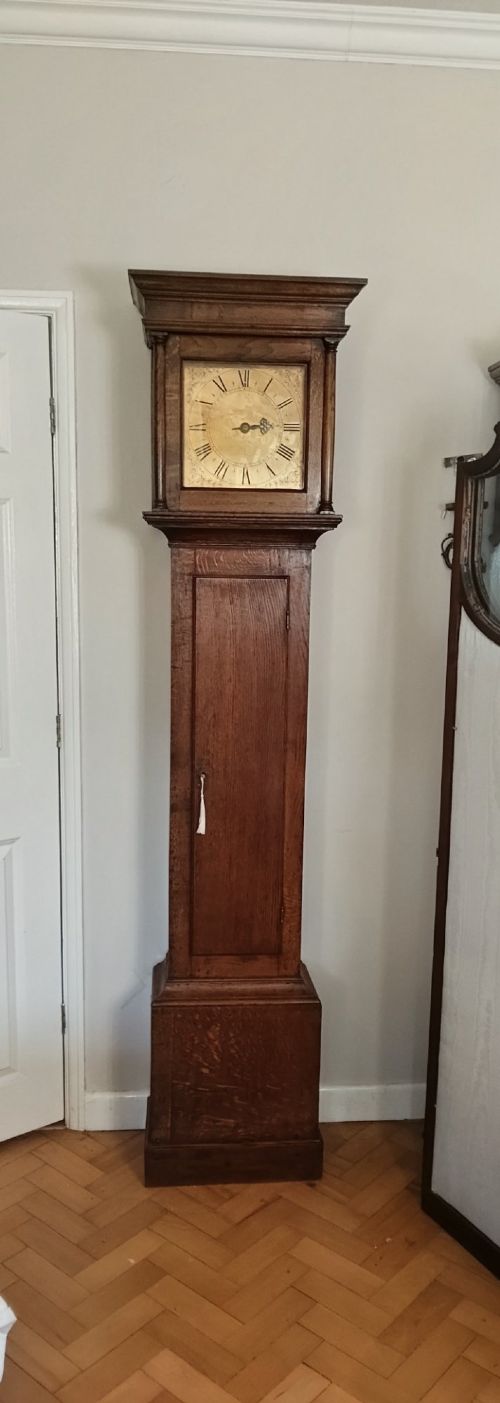
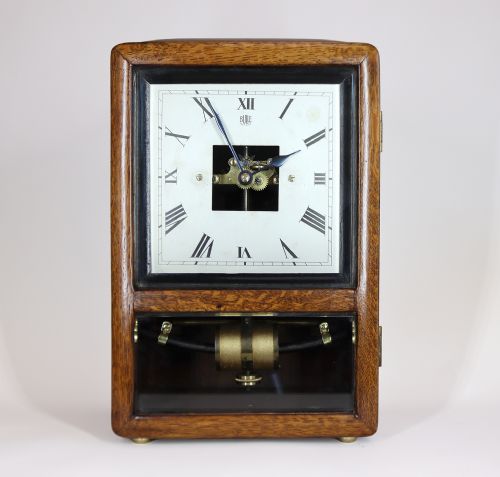
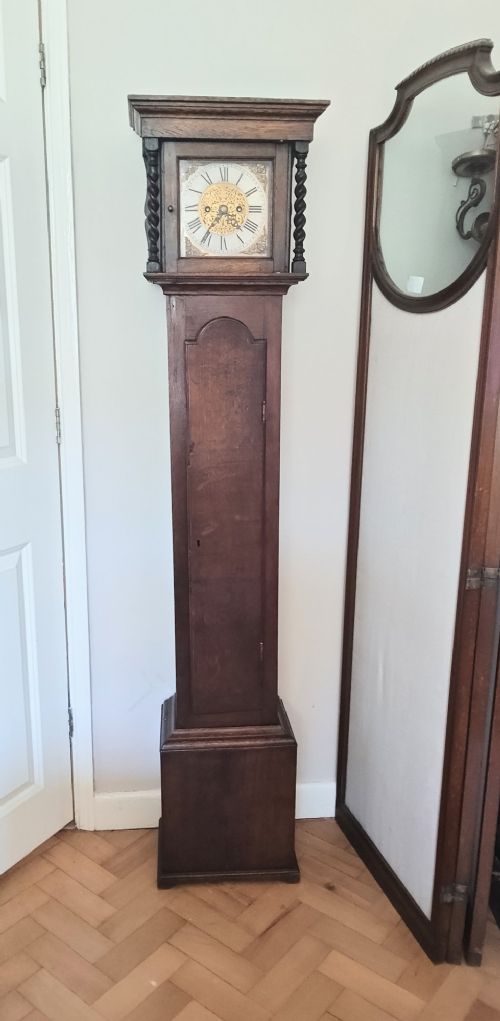
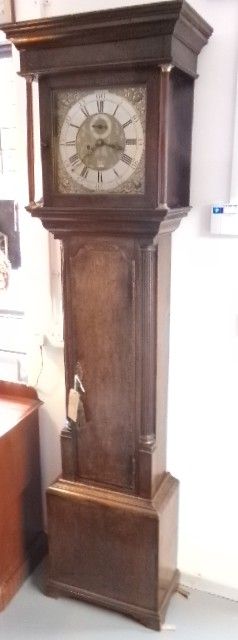
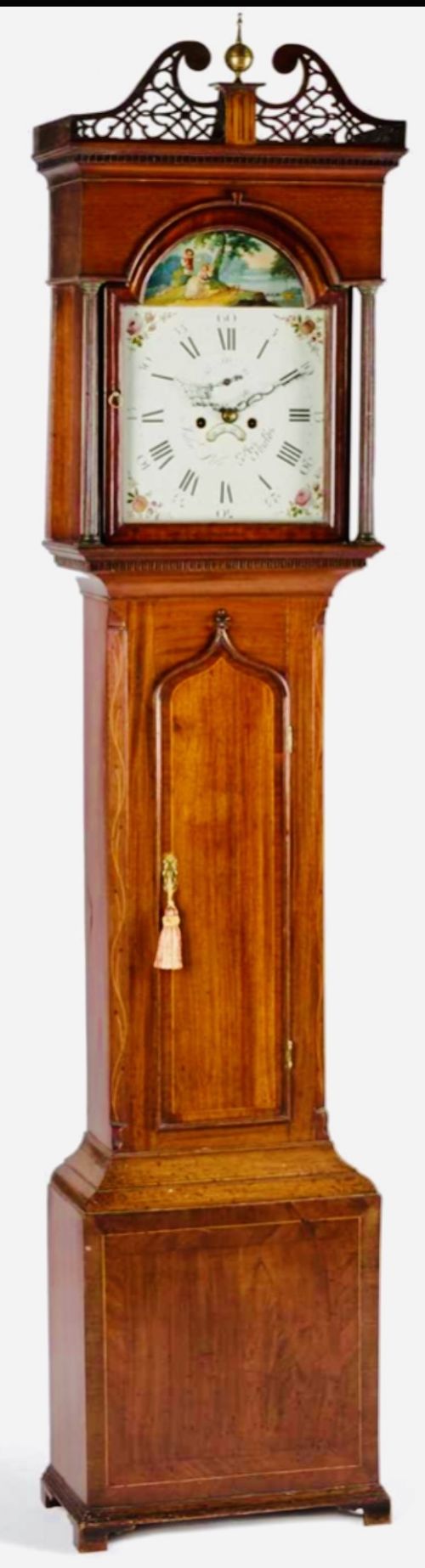
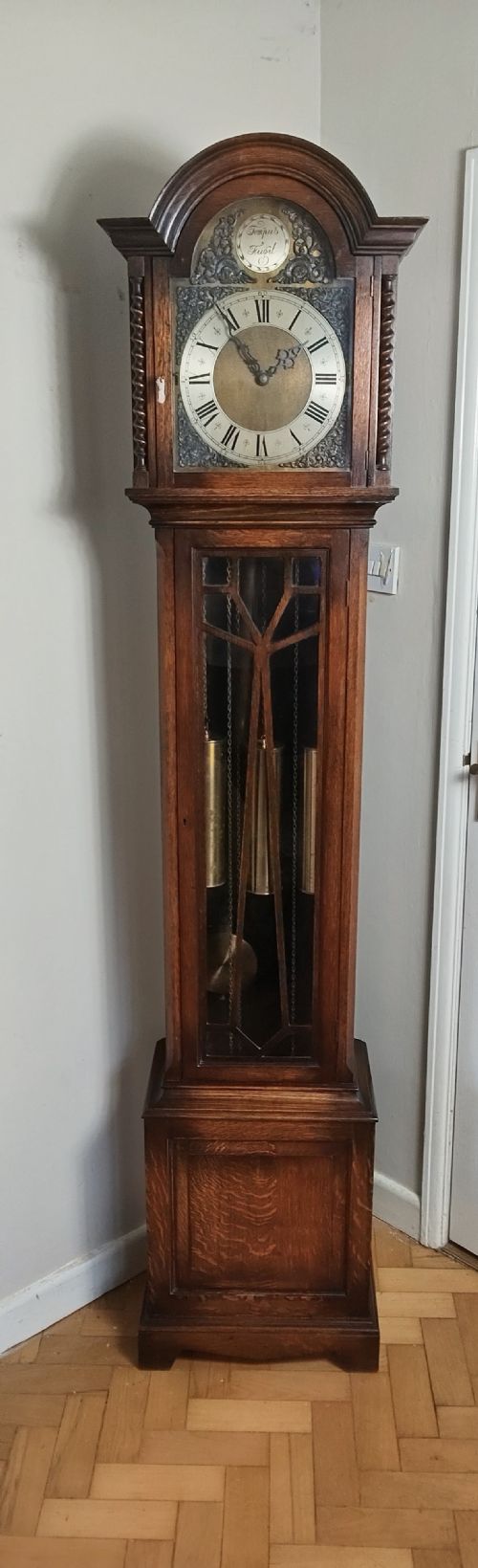
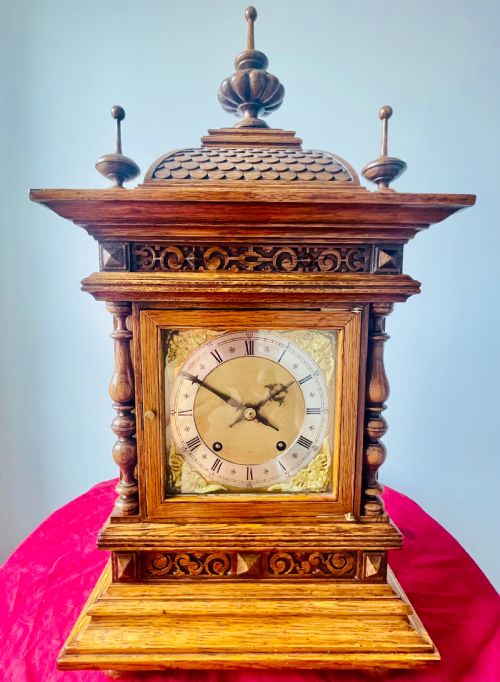
An oak casing clock comprises a functional horological movement housed within a timber cabinet, spanning tall floor-standing models to compact wall versions. When searching for an oak casing clock, buyers encounter predominantly Georgian longcase examples alongside Edwardian and Art Deco wall or mantel variations.
What varies in quality
The standard of craftsmanship depends upon the crispness of the timber carving, the complexity of the movement, and the legibility of the dial. Simpler provincial clocks contrast with sophisticated examples housing moonphase displays or musical chiming trains.
Proportion and material selection dictate overall refinement, with well-figured timber grain and balanced case dimensions distinguishing superior commissions from standard utility pieces.
Some provincial clockmakers included silent levers so the household could sleep undisturbed when midnight struck.
Lee of Great Marlow·Jn° Smith·Richard Corless·George Hallifax·Thomas Webbe·Edward White·David Craig
The Oak Casing Clock Glossary
- Longcase clock
- A tall pendulum clock enclosed in a wooden case designed to stand upon the floor. These tall enclosures protect the weights and pendulum while providing a vertical canvas for timber joinery.
- Bracket clock
- A portable timekeeper originally designed to sit on a bracket attached to a wall. Later examples function as large mantel clocks housed in wooden enclosures.
- Moonphase
- A mechanism on a clock dial that tracks the phases of the lunar cycle. This complication appears on advanced dial faces alongside standard timekeeping hands.
- Fusee
- A conical pulley used in spring-driven clocks to equalise the torque of the mainspring as it unwinds. This device maintains consistent power delivery to the movement.
Oak Casing Clock: Frequently Asked Questions
How do I wind an eight day oak clock?
Eight day movements require winding via the dial holes using a matching key every week to maintain tension on the driving weights or springs.
Care must be taken not to over-wind the mechanism, stopping as soon as resistance is felt against the key.
What is the difference between a grandfather and a grandmother clock?
Grandfather clocks refer to traditional full-sized longcase timepieces standing over six feet tall in their protective oak enclosures.
Grandmother clocks are scaled-down versions produced in the twentieth century, measuring significantly shorter while retaining similar movement styles.
How can I date an oak longcase clock?
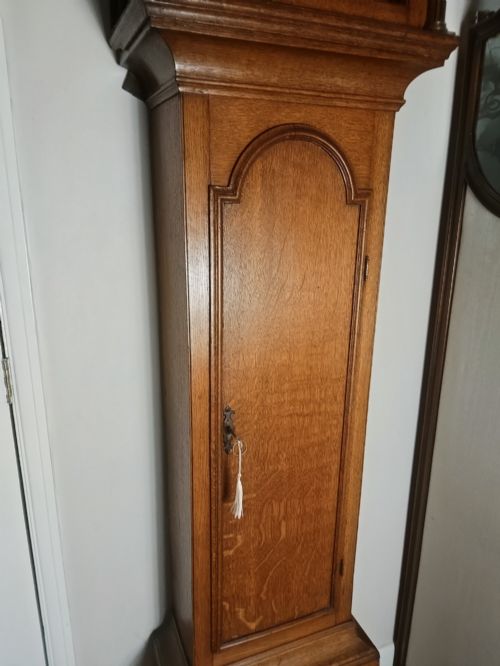
Dating relies on stylistic details such as dial materials, arched door shapes, and timber treatments like mahogany crossbanding. Painted metal dials typically indicate later periods, while brass square dials point towards earlier centuries.
Maker signatures inscribed on the face often provide direct historical records through trade directory archives.
Where should I place a longcase clock in my home?
Longcase clocks require stable, level flooring away from direct sunlight, central heating vents, and damp exterior walls. Proper placement protects the delicate internal wood structure and prevents the pendulum from binding against the case sides.
Securing tall cases to the wall using hidden brackets prevents accidental tipping in busy household environments.