
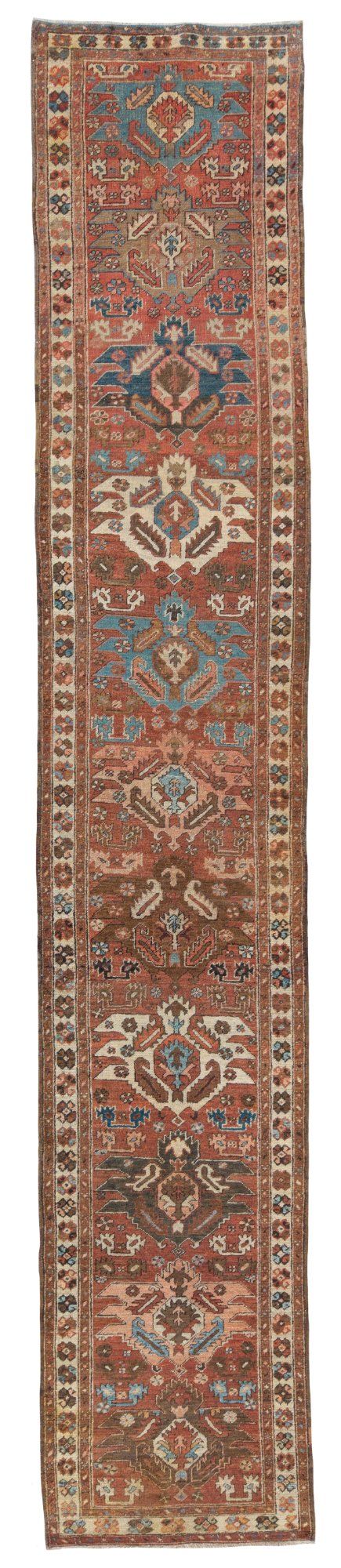
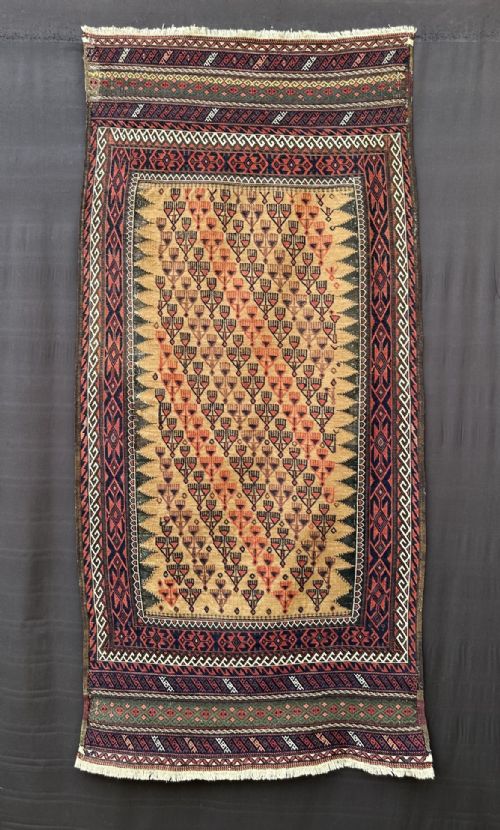
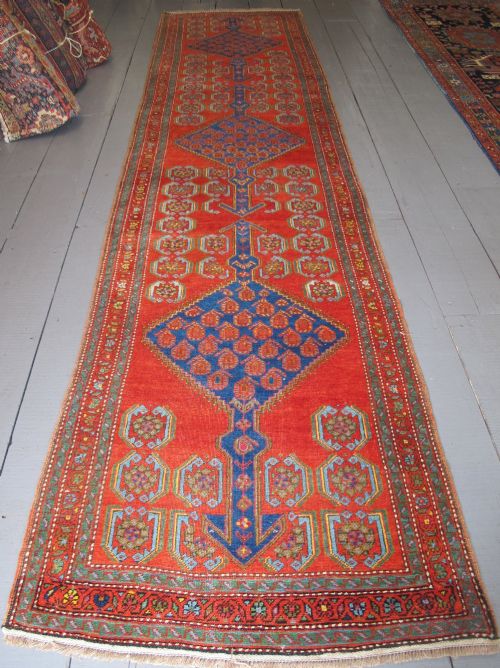


Northwest Persian Wool Runner
A northwest persian wool runner brings substantial village craftsmanship and durable wool into long corridors and narrow rooms.
Northwest Persian Wool Runner
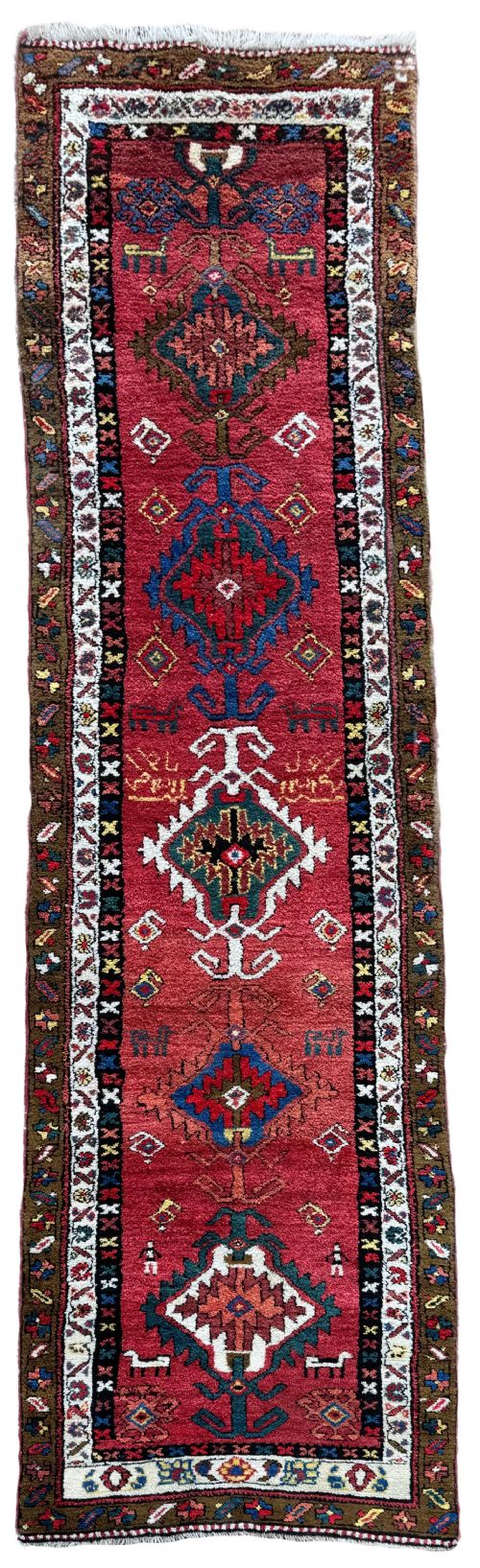
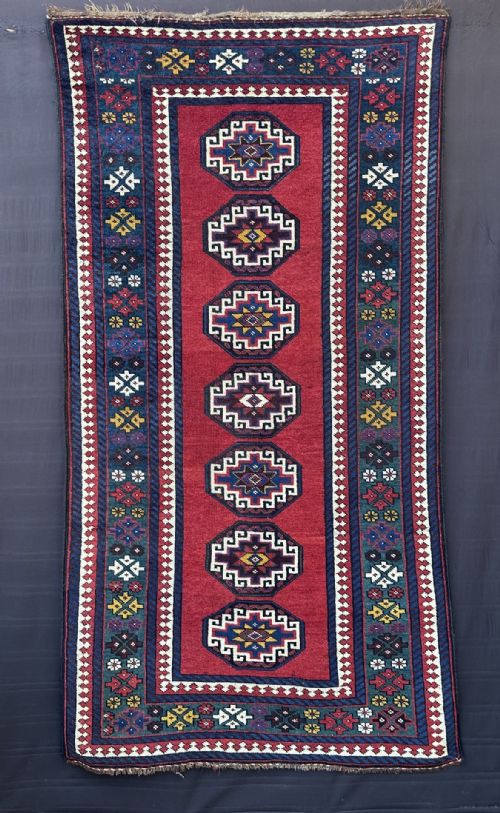
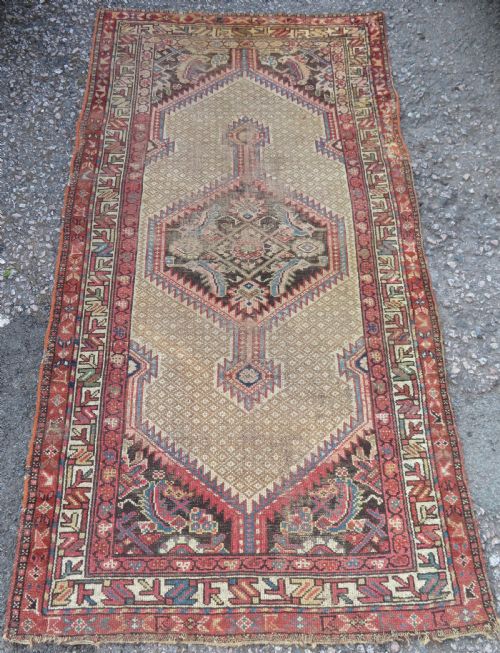
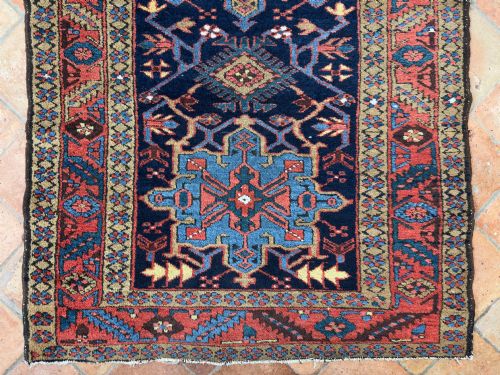
When you search for a northwest persian wool runner, you enter a field of long, narrow carpets woven across nineteenth and early twentieth-century village workshops and tribal regions. These floor coverings served practical roles in hallways and long rooms, resulting in formats built for heavy foot traffic. The examples found here span specific local traditions including Heriz, Karaja, Sarab, Bakshaish, and Feraghan.
You are most likely to meet Heriz and Karaja runners alongside Sarab and Feraghan productions, typically dating from the late nineteenth century up to the 1920s. These pieces reflect distinct regional aesthetics, ranging from geometric village medallions to repeating Hershang border patterns. Their narrow proportions make them particularly suited for corridors and gallery spaces where standard carpets fail to fit.
Materials and Construction
These runners rely on a foundation of sturdy cotton warps andwefts combined with hand-spun wool pile dyed in rich, saturated hues. Certain pieces incorporate camel hair within the mix, utilising the natural undyed fibre for durable field sections and outlines. This combination of materials provides both structural resilience and a dense pile that withstands decades of use.
Village weavers knotted the wool by hand onto the vertical looms, often employing local vegetal and mineral dyes that develop a rich patina over time. The structural integrity relies on tightly beaten cotton foundations that keep the long narrow format stable and straight along the edges.
Listings span production dates from the 1870s through the 1920s, utilising wool, cotton, and camel hair.
Distinctions in Quality
Quality in these long formats rests upon the crispness of the geometric drawing and the fineness of the knotting across the narrow field. Weavings with tightly packed wool pile and sharply rendered village motifs demonstrate superior handling of traditional designs compared to softer, looser structures.
The choice of dyes and the preservation of the original side cordings and end finishes dictate the standing of an individual runner. Pieces retaining their full length and uncompromised border geometry represent the higher echelon of these village textiles.
The Northwest Persian Wool Runner Glossary
- Runner
- A long, narrow carpet format specifically proportioned for corridors, hallways, and staircases. These pieces measure significantly longer than they are wide.
- Heriz
- A style originating from the northwest region known for bold geometric medallions and robust structural wool. It is named after the prominent weaving town and surrounding villages.
- Karaja
- A village production style characterised by repeating geometric figures and tribal medallions rendered in saturated blues and reds. These runners often display distinct latch-hook motifs.
- Sarab
- A village tradition renowned for camel hair fields and subtle, natural colour palettes. These runners frequently feature repeated Hershang or stylized botanical border patterns.
- Feraghan
- A regional classification denoting finely knotted village and workshop carpets with intricate overall designs. They are prized for their dense foundation and sophisticated floral geometry.
Northwest Persian Wool Runner: Frequently Asked Questions
Where should I place a long runner?
These narrow formats belong in hallways, corridors, and gallery spaces where their elongated dimensions direct movement along architectural lines.
They also function effectively beside beds or within narrow kitchen spaces, providing warmth and texture underfoot.
How do I care for antique wool?
Regular gentle vacuuming without a rotating brush roll keeps dust from settling deep into the wool pile.
Professional specialist cleaning is recommended to preserve the natural lanolin and historic dyes.
What does camel hair add?
Undeyed camel hair provides a durable, naturally varied brown or golden tone that resists wear differently than dyed wool.
Its inclusion often signals traditional village work from cooler highland regions.
How do I distinguish Heriz from Karaja?
Heriz runners typically present large, prominent central geometric medallions with bold angular corners.
Karaja pieces tend toward repeating smaller motifs and distinct village medallion configurations across the field.