




Long Oriental Corridor Rug
A long oriental corridor rug brings genuine history and practical length to a hallway, anchoring the floor with tribal patterns and muted natural dyes.
Long Oriental Corridor Rug
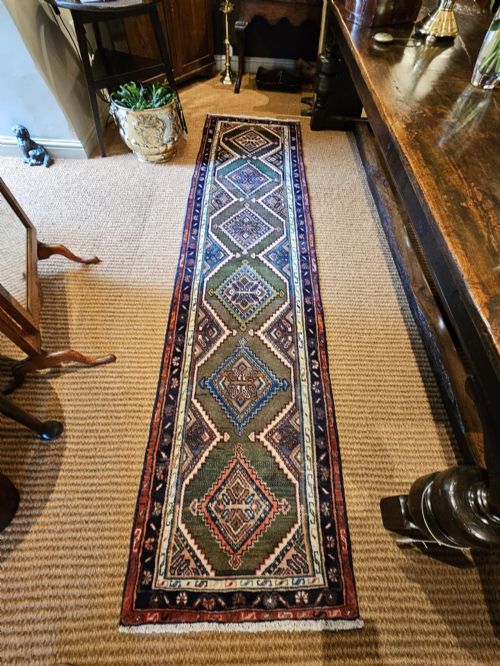
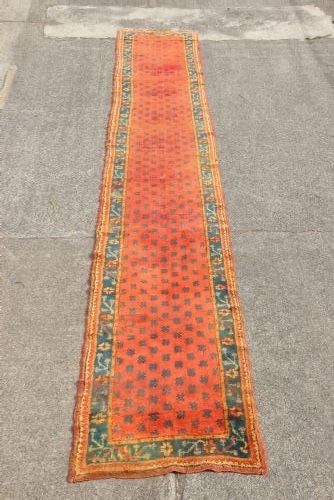
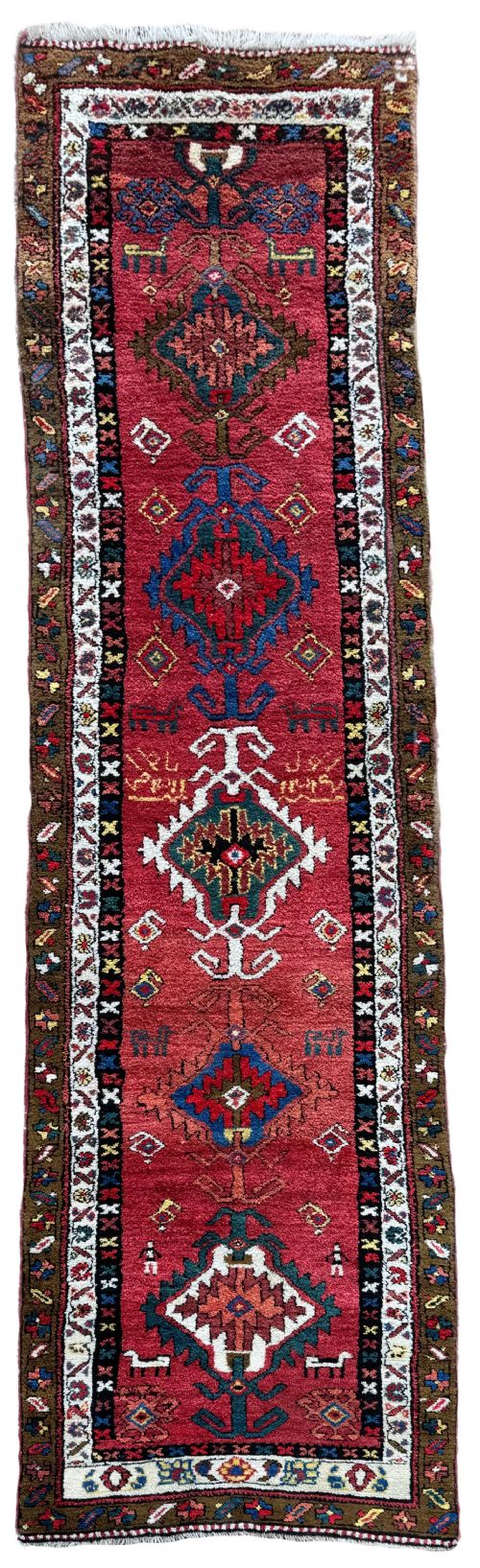
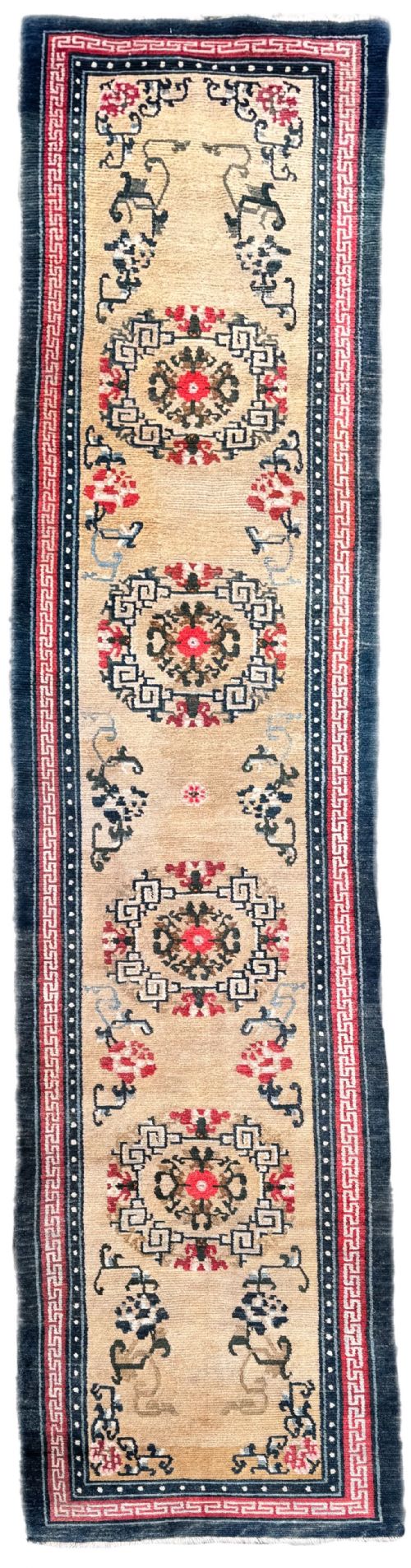
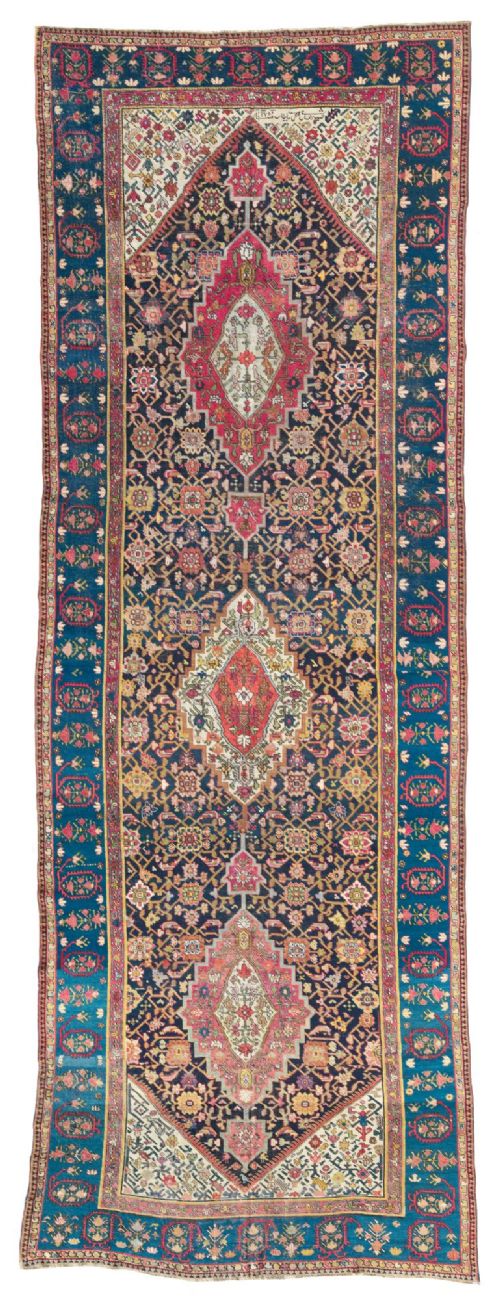
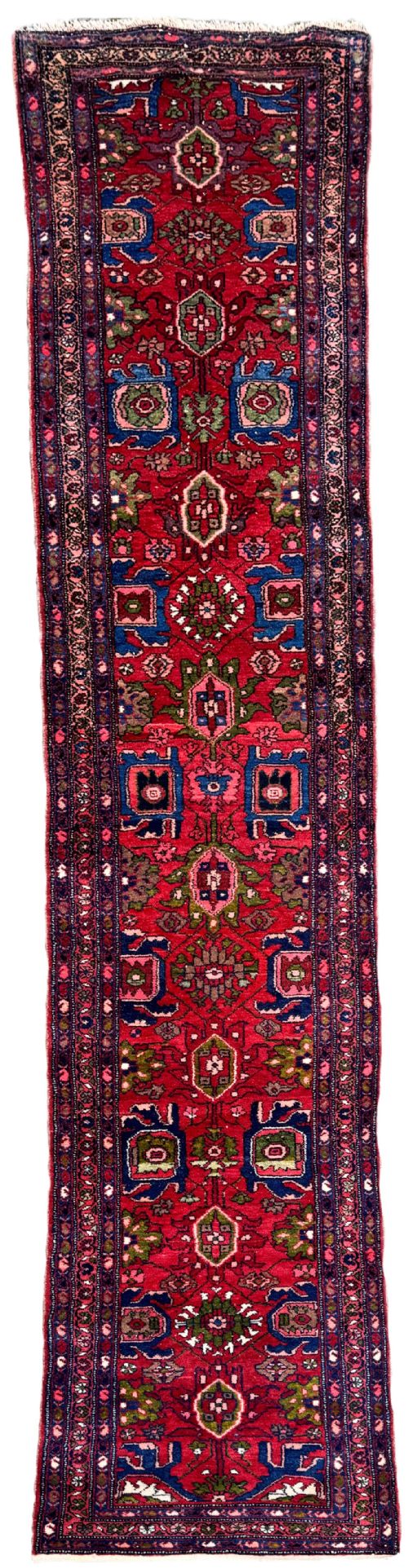
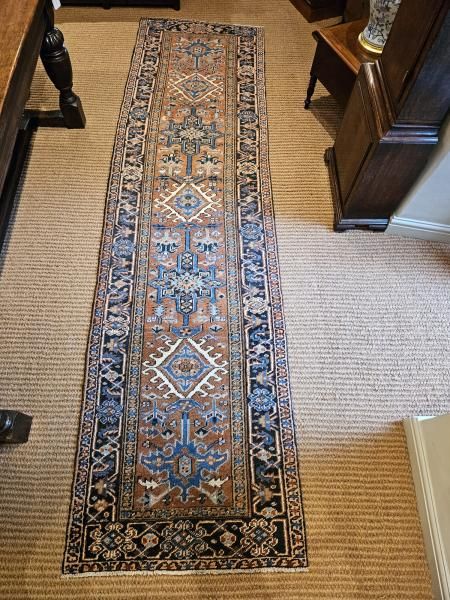
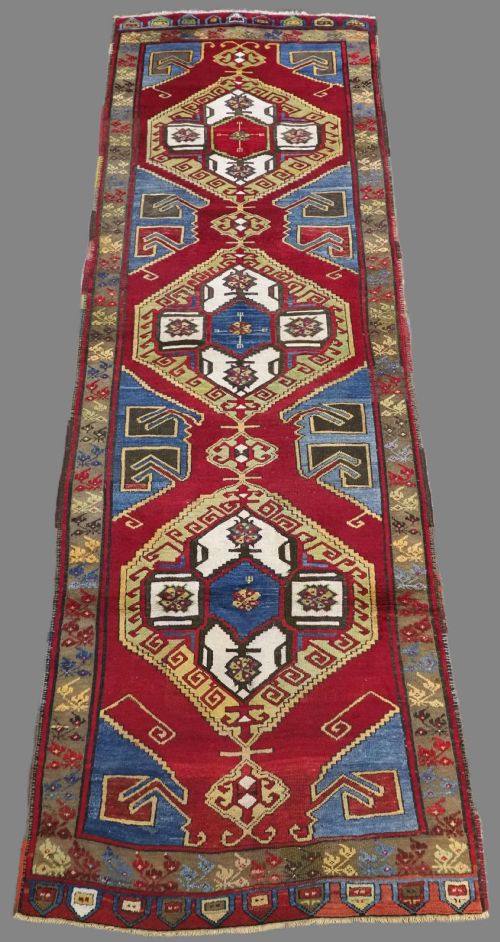
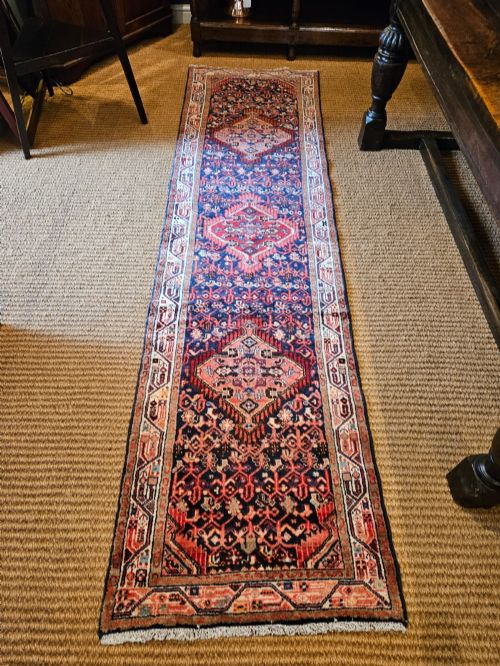
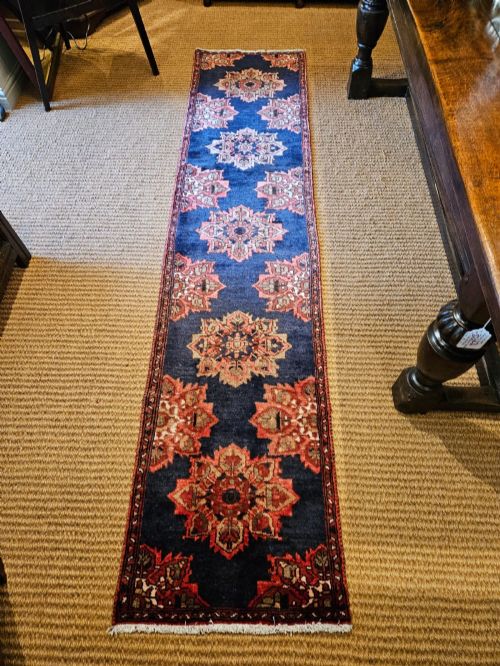
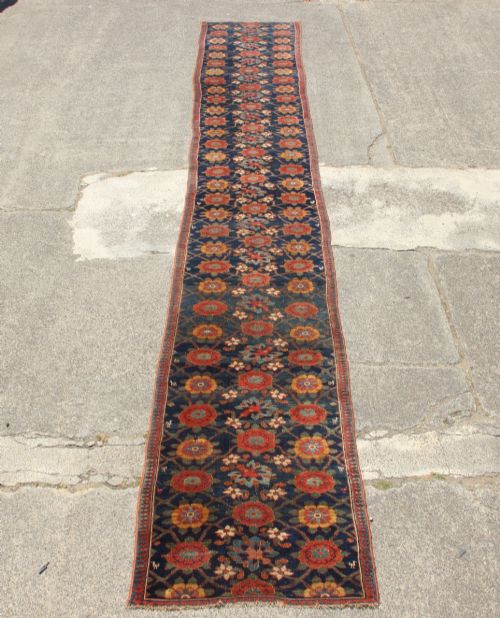
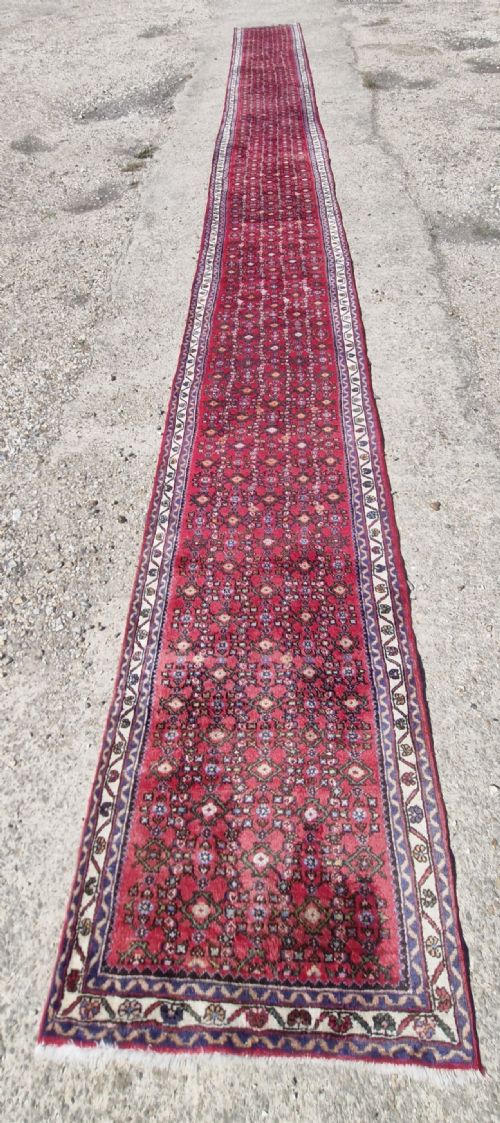
When you search for a long oriental corridor rug, you encounter narrow floor coverings designed specifically for hallways, landings and passageways. These pieces originate from various weaving traditions across Persia, Turkey, the Caucasus and Tibet, spanning the nineteenth and early twentieth centuries. They appear as runner rugs, kellehs, and long narrow carpets built to withstand heavy foot traffic.
The selections available here represent specific regional types, including Heriz, Kurdish, Hamadan, Caucasian and Anatolian specimens. Each region utilises distinct geometric or floral layouts, ranging from bold medallion designs to repeating boteh and mina khani motifs. Their dimensions stretch considerably in length while maintaining the narrow proportions required for corridors.
How they were made
Weavers constructed these textiles primarily using wool and hand-spun wool knotted onto sturdy cotton foundations. The natural wool pile provides resilience and a soft underfoot feel that deepens in character as it ages.
Dyers employed traditional natural substances to colour the wool, yielding rich navy blues, olive greens, and deep madder reds. These dyes interact with the hand-spun fibres to create subtle tonal variations known as abrash across the length of the rug.
Regional styles represented on this page span Persian Heriz, Kurdish, Hamadan, Caucasian Shirvan, and Turkish Oushak traditions.
What varies in quality
The distinction between standard examples and finer specimens rests in the tightness of the knotting and the precision of the tribal design. Tighter knots allow intricate geometric details to remain crisp and legible along the entire length of the corridor.
Material selection also dictates the grade of the piece, with hand-spun wool offering superior lustre and durability compared to standard commercial yarn. Furthermore, pieces retaining deep, saturated natural colour palettes command greater appreciation among collectors.
The Long Oriental Corridor Rug Glossary
- Kelleh
- A large format rug that is longer than a standard carpet but wider than a corridor runner. These formats serve expansive halls and reception spaces.
- Abrash
- Variation in colour depth across the wool of a rug caused by changes in dye batches or hand-spun yarn lots. It signals traditional dyeing methods.
- Mina khani
- A repeating pattern featuring interconnected floral motifs and rosettes arranged in a symmetrical grid. This classical Persian layout frequently appears on Kurdish and Persian runners.
- Boteh
- A stylised almond or paisley motif representing a floral spray or cypress tree. It stands as one of the most enduring symbols in oriental weaving.
- Knot density
- The count of individual knots per square inch, which determines the fineness of the weave and the sharpness of the pattern details.
Long Oriental Corridor Rug: Frequently Asked Questions
Where should I place a long corridor rug?
These narrow floor coverings fit naturally in long hallways, entrance corridors, and stair landings where linear shapes define the architecture. Their dimensions protect high-traffic floorboards while adding warmth and texture to transitional spaces.
Ensure you measure the corridor width and length carefully, leaving a uniform border of exposed flooring around the edges. This frames the textile properly and prevents doors from catching on the pile.
How do I clean an antique runner?
Regular gentle vacuuming without a rotating brush roll removes grit and dust from the wool pile. Professional rug cleaners experienced with natural dyes and hand-spun wool should handle deep washing.
Avoid chemical spot treatments and excessive water, which can damage the foundation yarns or cause fugitive dyes to bleed. Address spills immediately by blotting gently with a clean white cloth.
Do these runners require a rug underlay?
A quality non-slip underlay keeps the runner securely in place on hardwood or stone floors. This prevents bunching and sliding under foot traffic.
An underlay also provides an extra layer of cushioning that reduces wear on the cotton foundation threads. Choose a breathable mesh pad designed specifically for antique textiles.
How do I distinguish regional rug styles?
Heriz runners typically display bold geometric medallions with large angular corners, whereas Kurdish pieces often feature repeating overall patterns or tribal motifs. Examining the knotting structure, palette, and wool texture helps identify the specific weaving origin.
Caucasian rugs lean towards striking primary colours and sharp geometric polygons. Anatolian and Turkish examples frequently incorporate prayer niches or village floral sprays.