
Nomadic Woven Textile
When seeking a nomadic woven textile, one encounters portable tribal art shaped by movement across Persia, Anatolia, and Central Asia.
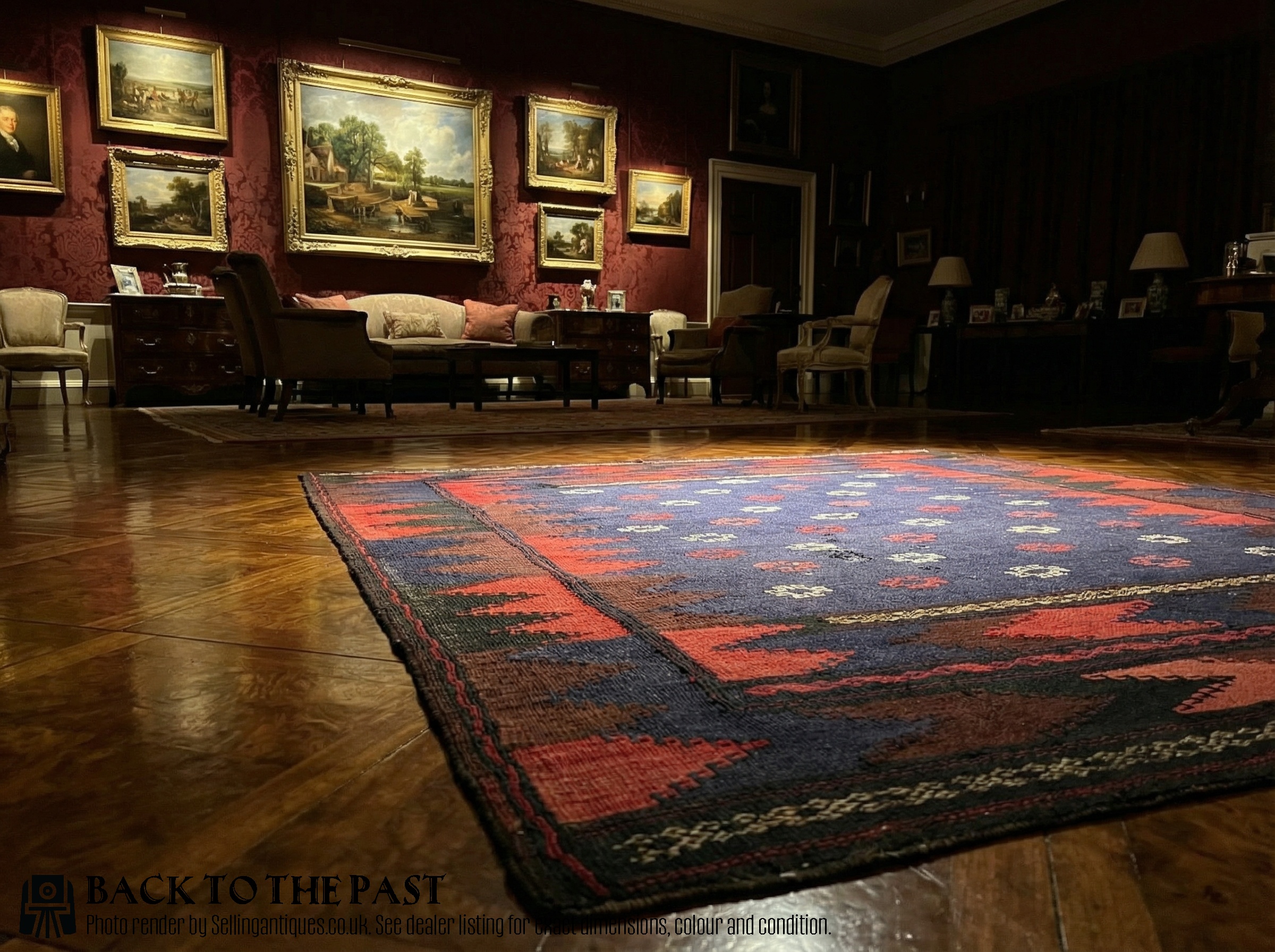
Nomadic Woven Textile
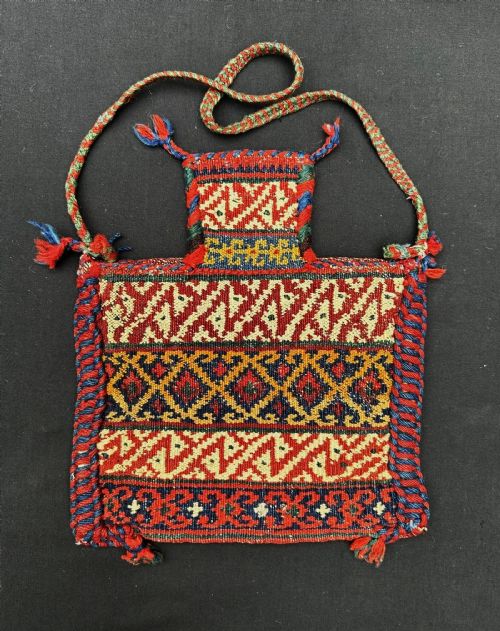
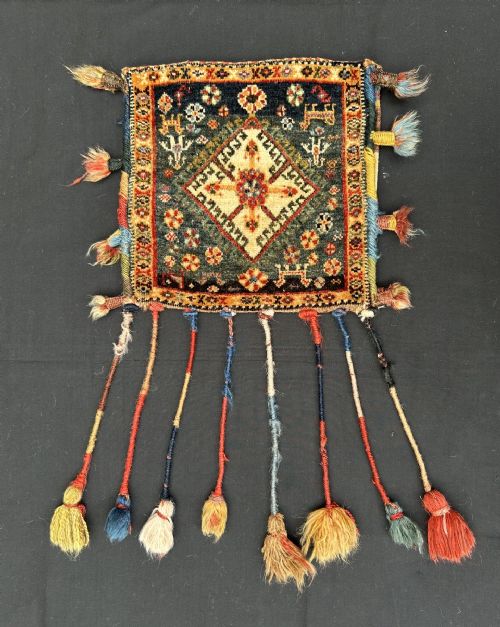
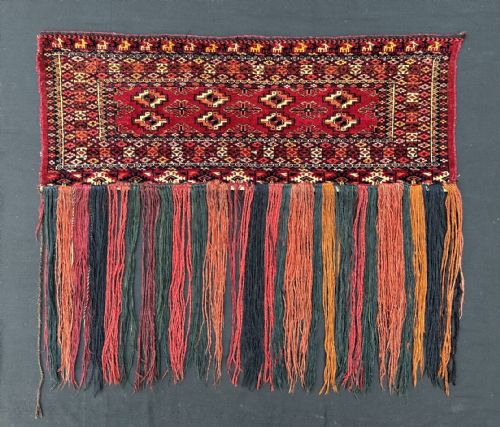
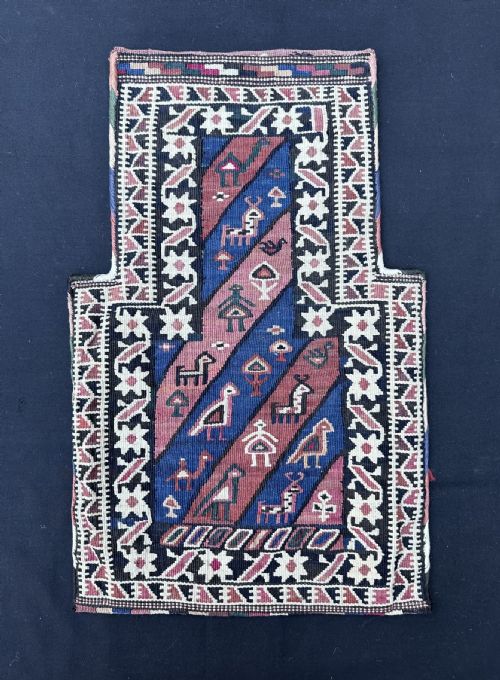
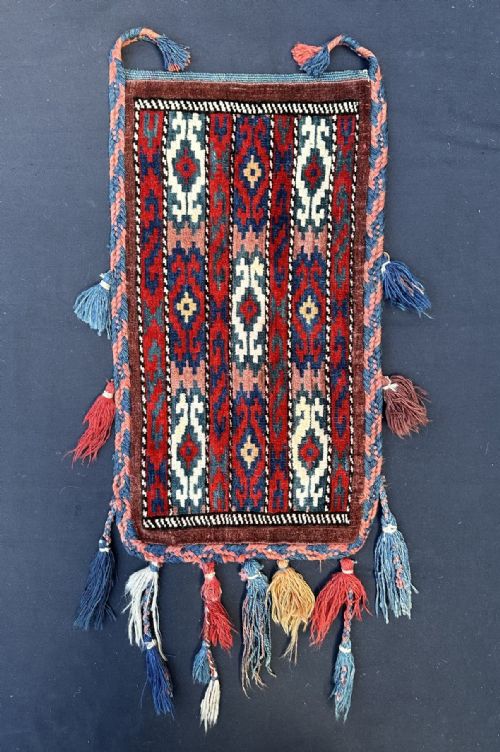
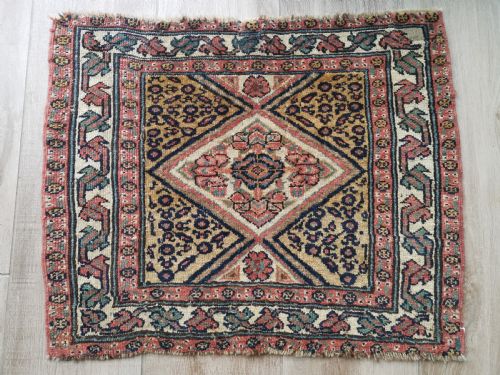
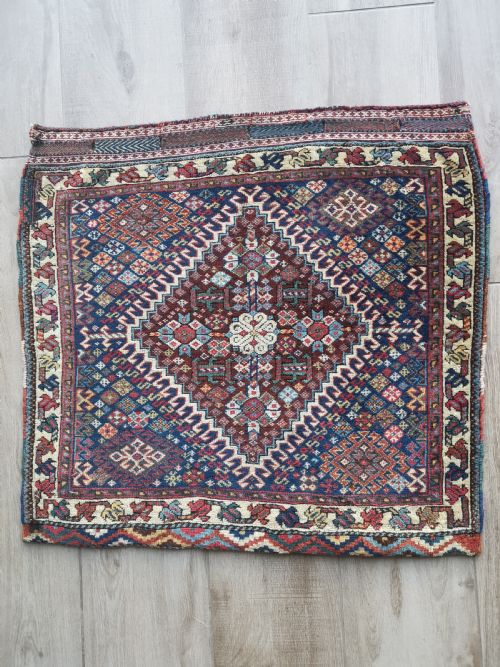
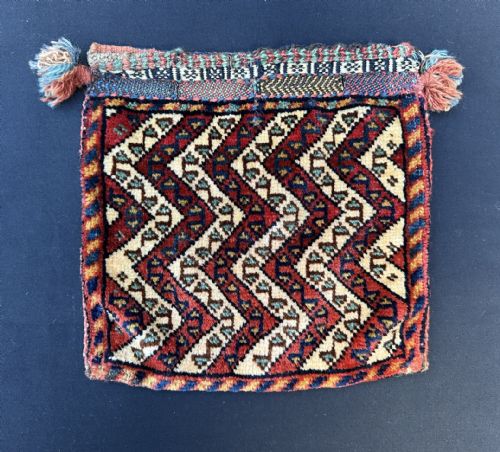
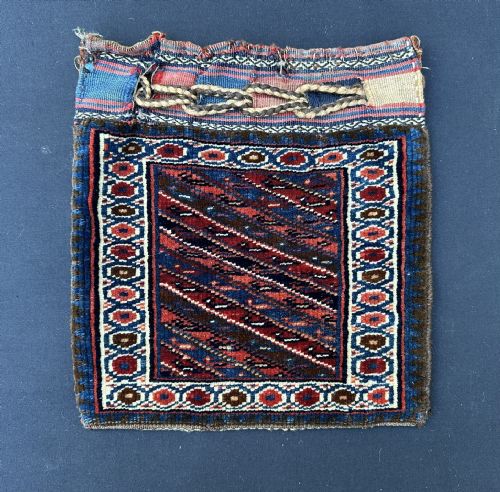
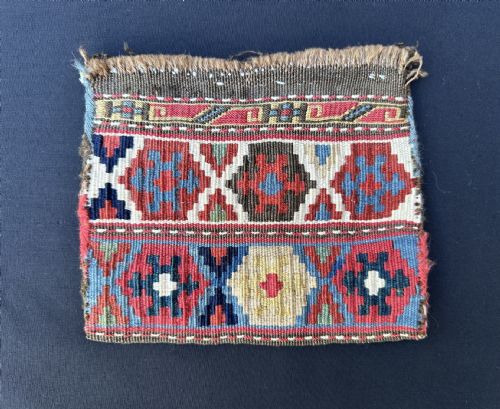
A nomadic woven textile represents functional tribal items produced by pastoral groups such as the Qashqai, Afshar, Baluch, and various Turkmen tribes during the nineteenth and early twentieth centuries. These communities made woven utilitarian objects designed for transport on animals or for use within portable dwellings like tents and yurts.
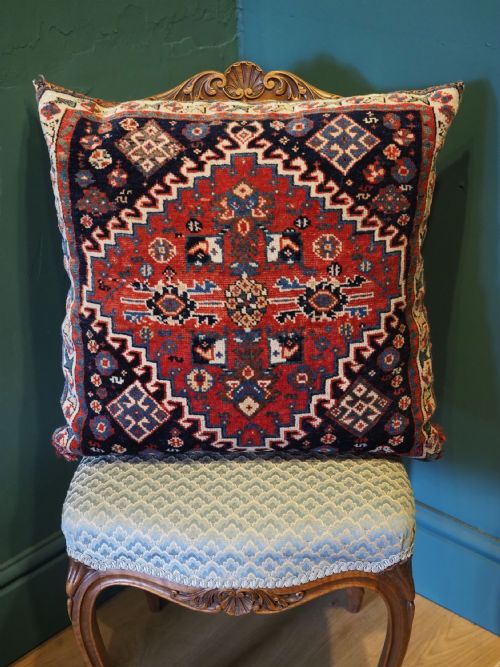
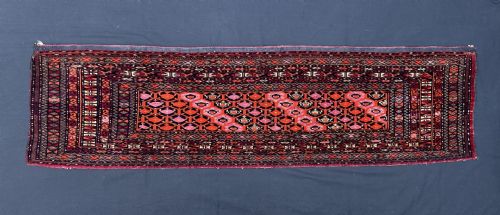
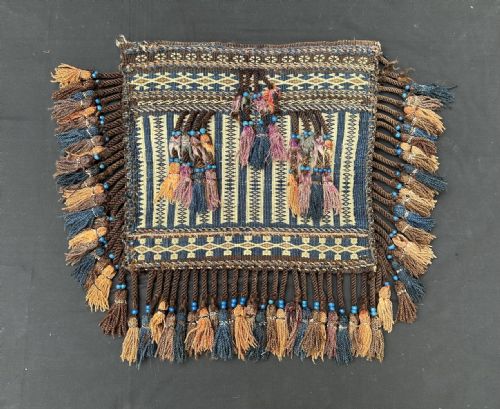
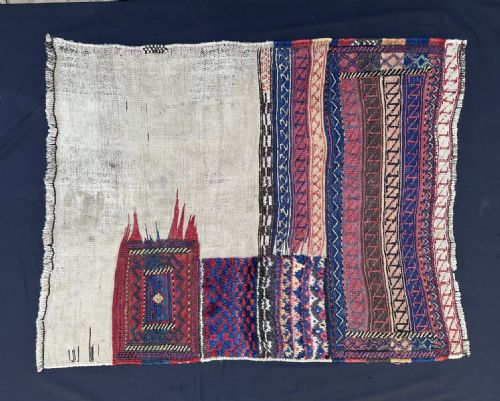
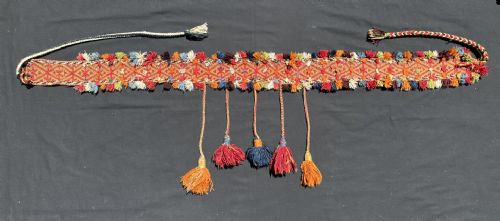
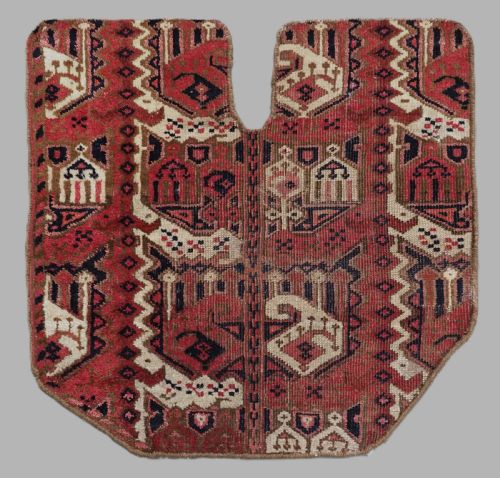
The most common formats found in this category include utilitarian bags, storage sacks, animal trappings, saddle covers, and cushion faces rather than large floor carpets. Examples such as salt-bags, vanity-bags, and tent bands served specific domestic or pastoral functions within tribal daily life.
Geographic origins span specific regions including the Fars province of Persia, the Trans-Caspian steppes, and the Amu Darya basin. Each tribal confederation maintained distinct visual vocabularies, structural methods, and weaving patterns passed down through generations.
Materials and construction methods
The foundation and pile of these pieces rely primarily on hand-spun wool, chosen for its durability and natural lanolin content. Cotton occasionally appears in foundation structures, whilst supplementary materials such as leather, cowrie shells, and glass beads accent specific utilitarian items.
Weavers utilised natural dyes derived from plants, roots, and insects to achieve deep reds, indigos, and earth tones. Pile weaving methods, flatweave techniques like soumak or kilim, and supplementary weft-wrapping combined to create dense, resilient surfaces meant to withstand rigorous daily handling.
Nomadic Woven Textile Retail Price Guide 2026
Typical asking prices for nomadic woven textile among the pieces listed under this phrase on Sellingantiques today, from the lower quarter to the upper quarter. They describe what is for sale here now, not the wider market.
Certain tiny salt-bags preserve the exact width of a camel's flank.
Assessing structural and aesthetic standard
Quality rests upon the tightness of the weave, the resilience of the hand-spun wool, and the clarity of the natural dye palette. Superior examples demonstrate precise knotting density and balanced proportions within geometric or tribal motifs.
The integrity of original edges, finishes, and tassels significantly influences the standing of a textile. Pieces retaining complete backs, original closures, and uncompromised structural foundations represent higher degrees of preservation.
The Nomadic Woven Textile Glossary
- Kap
- A storage bag or sack produced by Turkmen tribes, traditionally used within a yurt for bedding or household goods.
- Sofreh
- A flatwoven spread or cloth used for sharing meals or preparing bread within nomadic households.
- Jollar
- A small Turkmen bag or trapping, often positioned inside the tent or used on animal transport.
- Asmalyk
- A large, pentagonal ornamental trapping hung on the flanks of a camel during wedding processions.
- Soumak
- A flatweaving technique where pattern-wefts are wrapped over warp threads to create a textured, durable surface.
Nomadic Woven Textile: Frequently Asked Questions
What were nomadic bags used for?
Nomadic groups utilised woven bags to transport and store salt, tobacco, pipes, bedding, and personal items during seasonal migrations across harsh terrain.
These durable containers hung inside tents or fastened directly to pack animals, serving practical domestic roles rather than functioning as decorative art.
How do you identify tribal origins?
Distinctive wool quality, colour palettes, and specific geometric or animal motifs reveal the tribal group and region of origin.
Weaving structures and structural proportions further distinguish pieces made by confederations such as the Qashqai from those produced by Tekke or Yomut Turkmen weavers.
Are these pieces made with natural dyes?
Traditional items from the nineteenth and early twentieth centuries rely on natural dyes derived from local plants and minerals.
These colorants produce rich, nuanced tones that age with a characteristic patina over decades of handling and exposure to light.
How should I care for a textile?
Protect woven pieces from direct sunlight and damp conditions to preserve the integrity of the wool and natural dye compounds.
Gentle vacuuming without a rotating brush removes surface dust, whilst professional textile conservation ensures long-term preservation.