




Nomadic Woven Pillow Cover
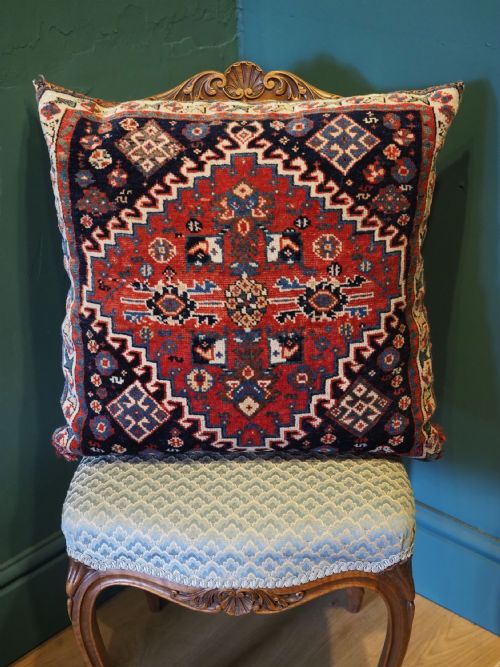
These nomadic woven pillow cover pieces bring tactile tribal artistry into modern interiors, offering authentic textile history fashioned from genuine village and tent floor coverings.

Nomadic Woven Pillow Cover
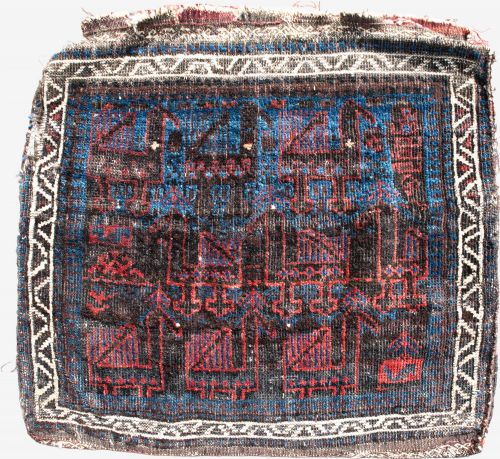
When you search for a nomadic woven pillow cover, you encounter repurposed tribal bag faces, saddlebags, and storage sacks originating from nineteenth and early twentieth-century nomadic groups. These textiles were originally woven by weavers in Persia, Anatolia, and Central Asia for practical use in camp life.
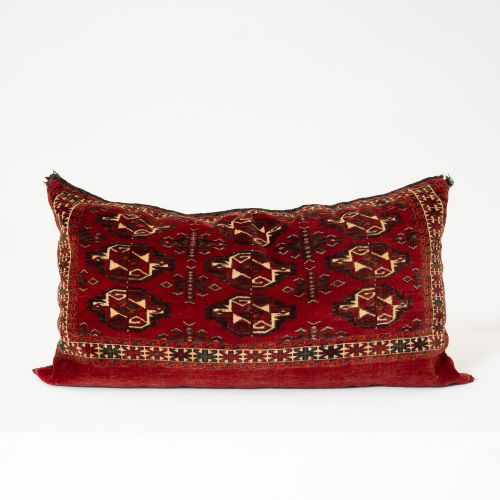
The most common formats on this page are cushions fashioned from antique bag faces and complete saddlebags, including Yomut, Ersari, and Tekke Turkmen pieces, alongside Qashqa'i and Shahsevan examples. They preserve traditional tribal weaving traditions adapted into soft furnishings.
Materials and construction
These textiles rely on hand-spun wool combined with cotton, coloured using natural dyes derived from local plants and minerals. Weavers utilised flatweave and pile techniques to create durable utility items designed for daily transit and camp storage.
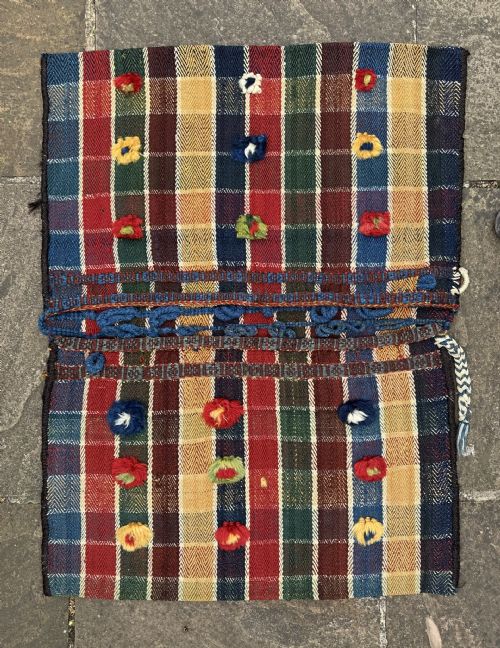
Many examples incorporate complete backs or utilise sturdy flatweave designs such as kilim and banded structures. The structural integrity stems from tight village knotting and robust warp and weft arrangements.
Many cushions preserve the original container backs and closures once used by nomads to secure household gear across rugged terrain.
Assessing quality
Quality rests upon the fineness of the wool spin, the complexity of tribal motifs such as the kepse gul or ikat designs, and the depth of natural dye palettes. Pieces retaining their original backs and structural completeness sit at the higher end of the range.
The precision of the tribal weave, the crispness of the geometric motifs, and the overall preservation of the textile surface determine the standing of each cushion within its specific regional group.
The Nomadic Woven Pillow Cover Glossary
- Chuval
- A large Turkmen tent storage bag used for bedding and household goods. These often feature characteristic guls and make substantial cushions when repurposed.
- Torba
- A smaller Turkmen storage bag traditionally hung inside the nomad tent. They display intricate geometric patterns and tribal markers.
- Gul
- A repeating medallion or octagonal motif used across Central Asian tribal weaving. Each design often identifies the specific tribe or clan that produced the textile.
- Flatweave
- A textile constructed without pile by interweaving warp and weft threads directly. Examples include kilim and sumakh structures found on various bag faces.
- Mafrash
- A rectangular storage chest side or saddlebag panel produced by nomadic weavers. They showcase dense geometric designs suited for cushion conversion.
Nomadic Woven Pillow Cover: Frequently Asked Questions
What is a nomadic woven pillow cover?
These items are decorative cushions created by repurposing antique tribal bags, saddlebags, and storage sacks made by nomadic weavers.
They transform historic utility pieces from regions such as Persia and Central Asia into functional soft furnishings for modern homes.
How do I identify different tribal designs?
Tribal attribution relies on characteristic motifs, colour palettes, and structural formats unique to specific groups like the Yomut, Ersari, or Qashqa'i.
Examining the specific geometry, such as guls or striped flatweave bands, reveals the regional origin of the textile.
How do I care for a wool cushion?
Maintain wool textiles by gentle vacuuming with a low suction attachment and avoiding direct, prolonged sunlight to protect natural dyes.
Professional specialist cleaning is recommended for antique wool surfaces to preserve the integrity of the hand-spun fibres.