

Nomadic Tribal Weaving
These pieces of nomadic tribal weaving bring the tangible history of pastoral groups directly into modern interiors through authentic hand-knotted textiles.
Nomadic Tribal Weaving
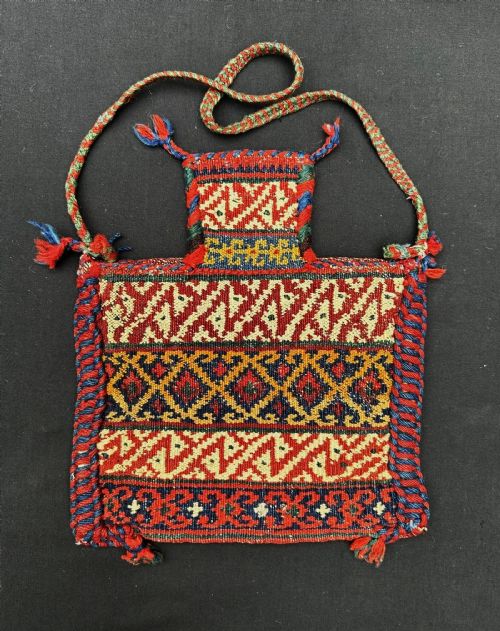
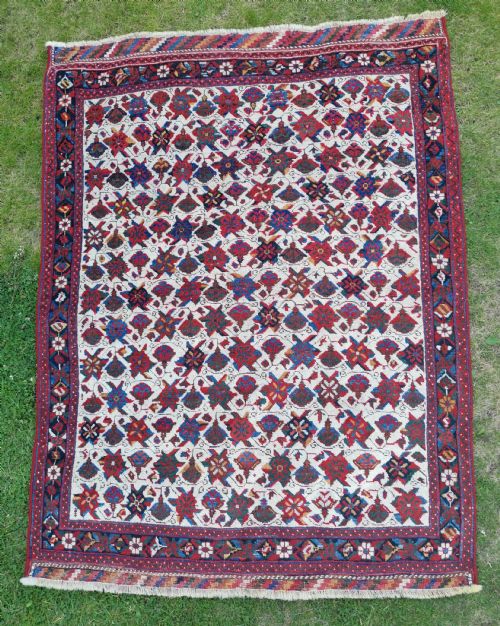
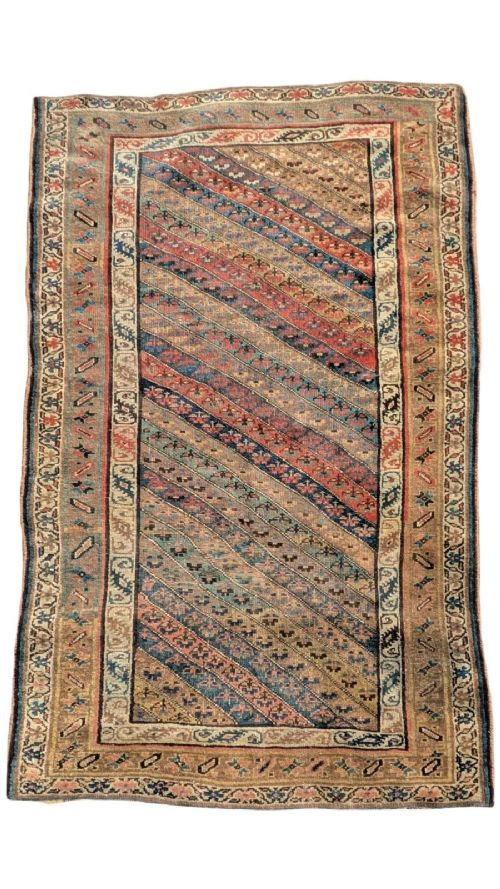
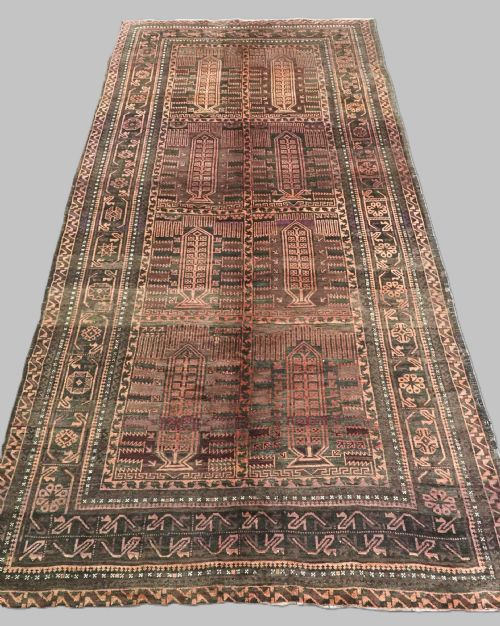
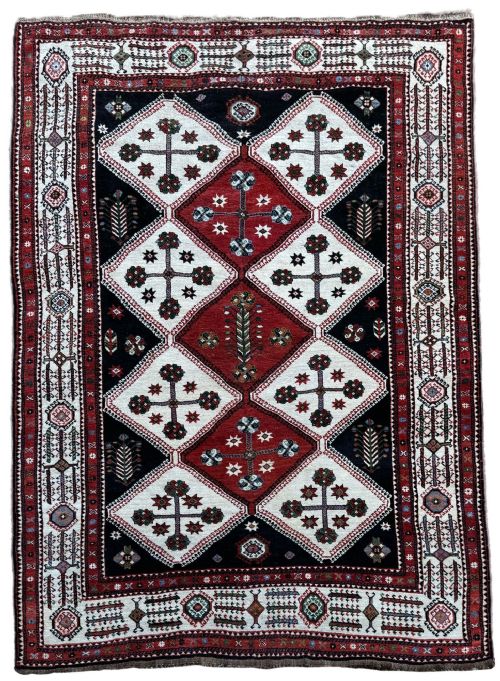
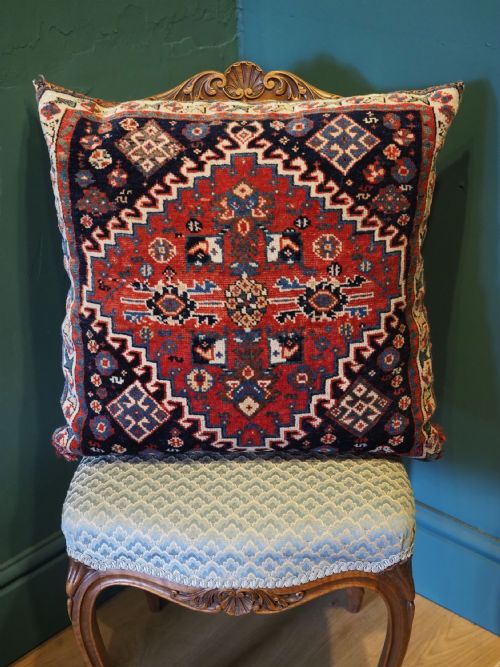
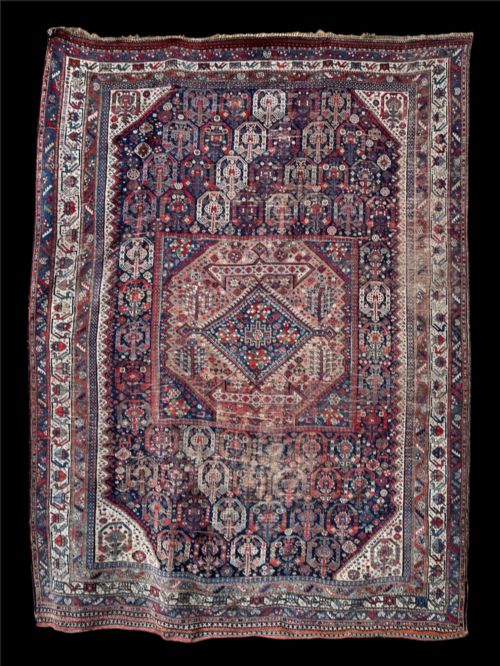
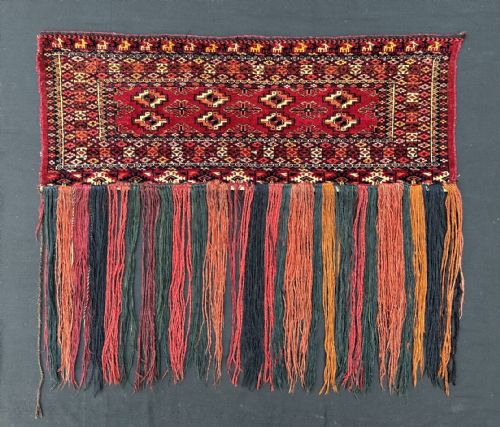
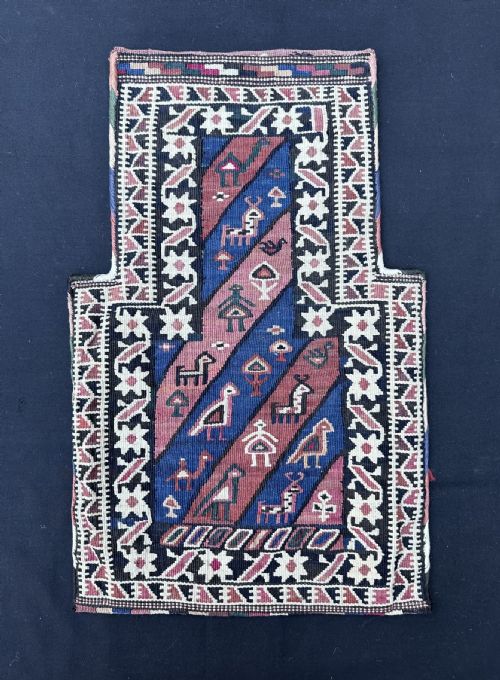
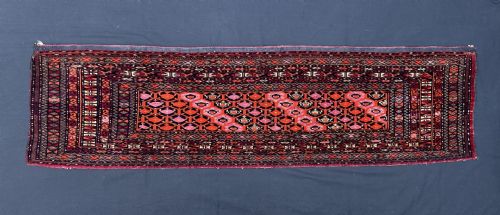
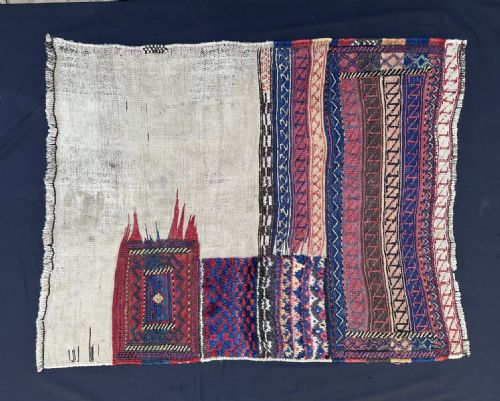
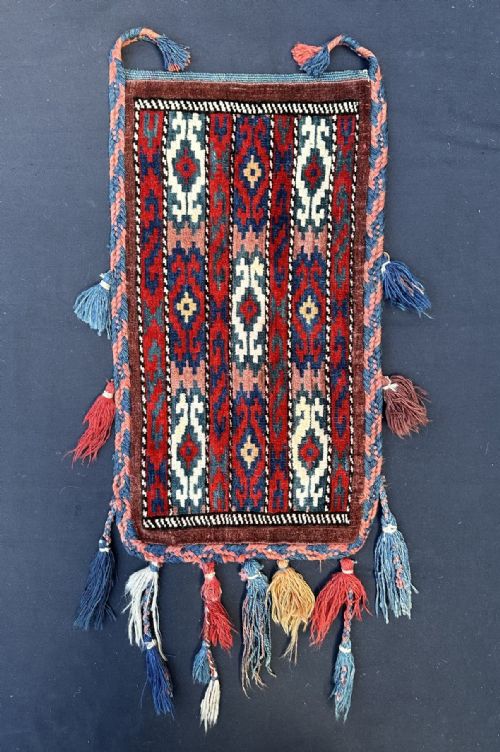
When you search for nomadic tribal weaving, you encounter utilitarian items made by pastoral groups across Persia, Central Asia, the Caucasus and Afghanistan. These include main carpets, saddle rugs, wedding pieces and various types of functional bags.
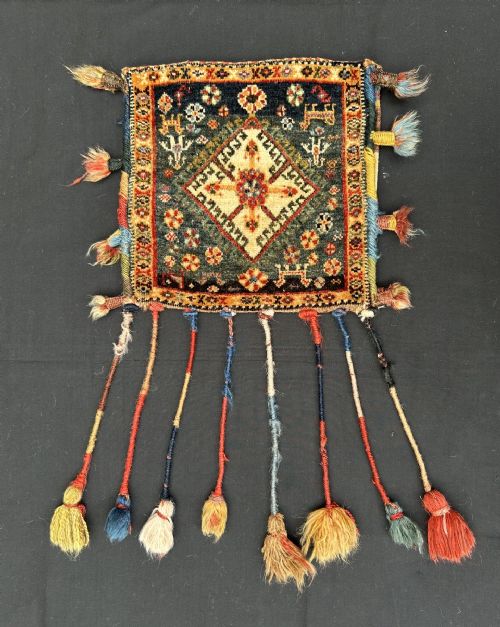
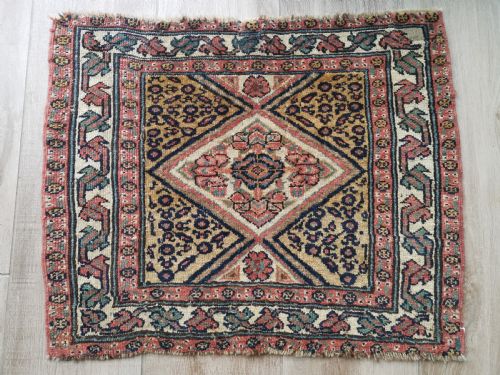
The objects most frequently met on this page range from nineteenth-century storage bags and vanity bags to larger area rugs created by confederacies such as the Qashqai, Khamseh and Afshar.
Makers utilised traditional regional motifs to denote tribal identity, creating pieces that served practical daily functions within encampments before entering the antique market.
Materials and construction methods
The pieces rely on hand-spun wool for the pile and foundation yarns, providing the structural durability necessary for nomadic life.
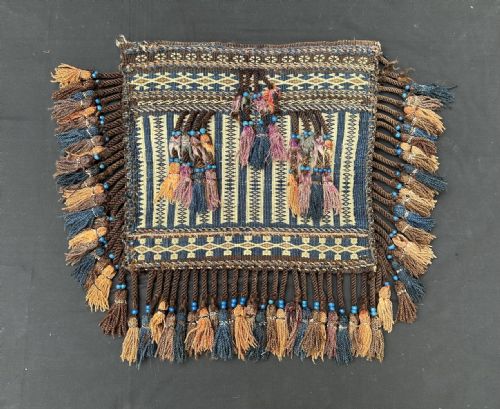
Natural dyes impart the rich colour palette seen across these textiles, working in harmony with supplementary materials like cotton, glass beads and cowrie shells on specific bags and trappings.
Nomads occasionally stitched cowrie shells and glass beads directly onto small bags to ward off the evil eye during travels.
Factors determining quality
Quality separates through the density of the knotting, the fineness of the hand-spun wool and the precision of the tribal designs executed across the field.
Purity of natural dye usage and the crispness of secondary details such as borders and geometric motifs elevate certain examples above standard utilitarian items.
The Nomadic Tribal Weaving Glossary
- Khorjin
- A traditional double-saddlebag used by nomads for transport and storage. These items feature intricate flat-woven backs and knotted-pile faces.
- Kap
- A storage bag or tent hanging produced by Turkmen tribes. They served functional roles inside the yurt.
- Asmalyk
- A pentagonal camel trapping used in Turkmen wedding processions. These decorative textiles were hung on the flanks of the bride's camel.
- Jollar
- A Turkmen tent bag or long storage hanging. They display characteristic guls and geometric repeat patterns.
- Gapylyk
- A doorway tent hanging placed over the entrance of a Turkmen yurt. These architectural textiles display specialised formats.
Nomadic Tribal Weaving: Frequently Asked Questions
What are nomadic tribal weavings used for?
These textiles served practical functions within pastoral communities, including grain storage, saddle transport, tent decoration and ceremonial dowry displays during migrations.
Today, collectors use smaller bags and trappings as wall hangings or table mats, while larger carpets function as durable floor coverings in residential spaces.
How do I identify different tribal groups?
Attribution relies on characteristic colour palettes, structural materials and specific geometric or animal motifs unique to particular regions like Fars, Turkmenistan or the Caucasus.
Examining the weave structure and secondary borders often reveals the specific confederacy or sub-tribe responsible for the piece.
How should I care for antique wool rugs?
Maintenance requires gentle vacuuming without a beater bar and prompt professional cleaning when necessary to protect the delicate hand-spun wool pile and natural dyes.
Keeping the textiles out of direct, prolonged sunlight prevents the natural colours from fading over time.
What is the difference between a main carpet and a bagface?
Main carpets are large floor-covering formats designed for domestic use within a permanent or seasonal dwelling.
Bagfaces are the decorative front panels cut or preserved from utilitarian storage sacks used during nomadic transport.