



Nomadic Persian Textile
These nomadic persian textile examples bring authentic tribal craftsmanship into modern interiors through hand-woven bags, saddlebags, and utilitarian household cloths.
Nomadic Persian Textile
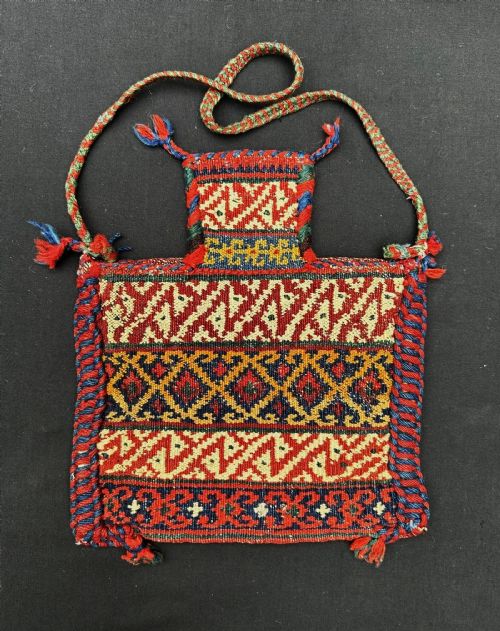
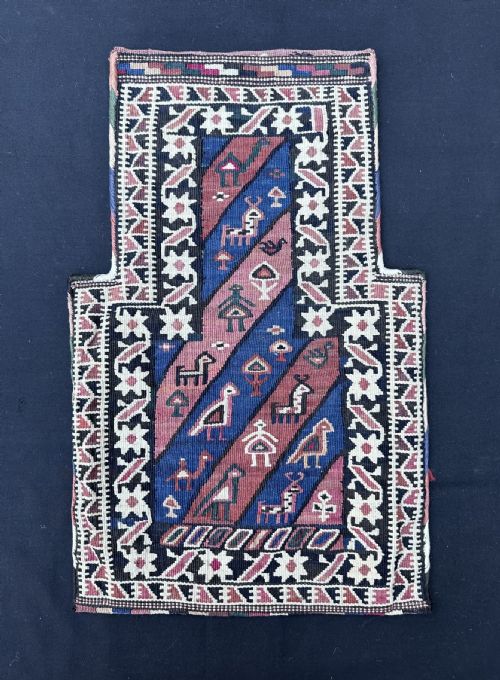
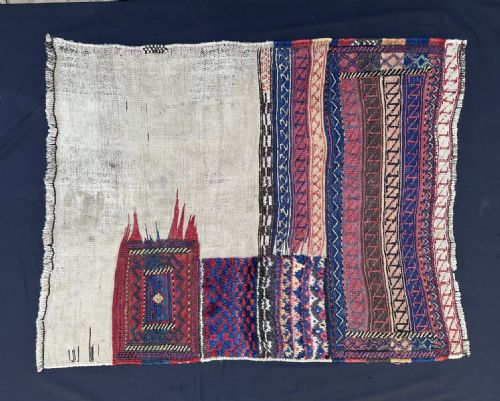
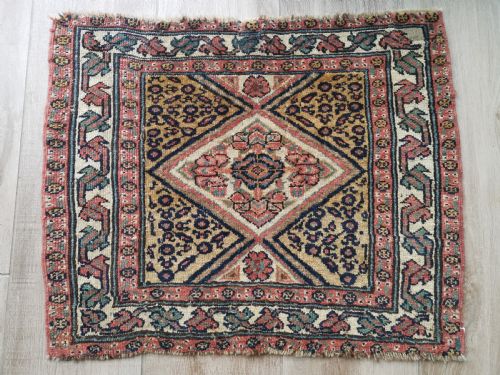
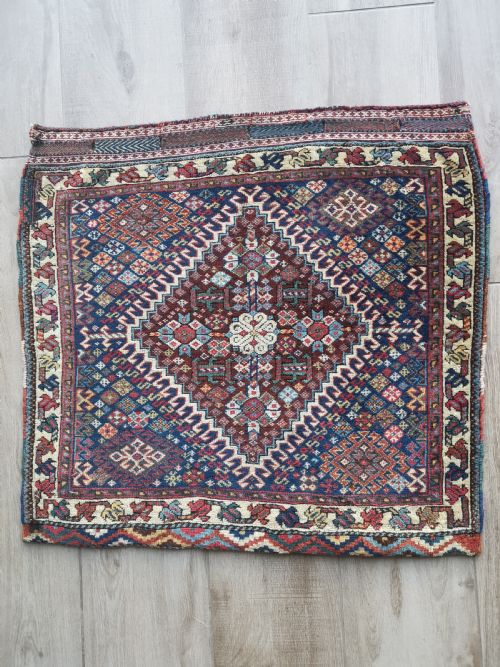
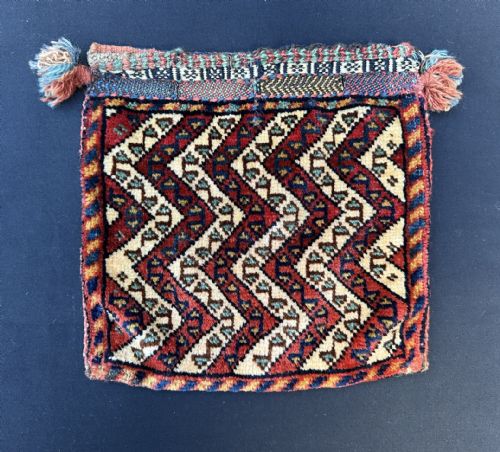
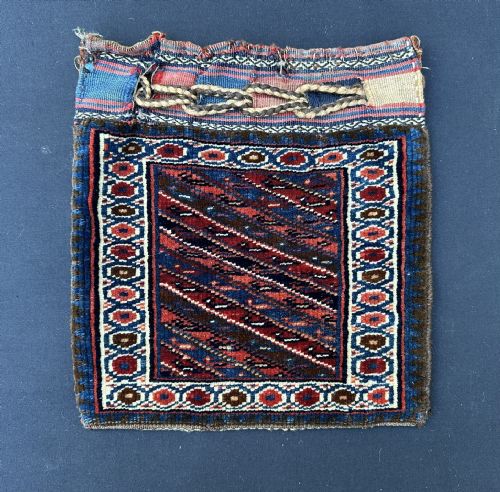
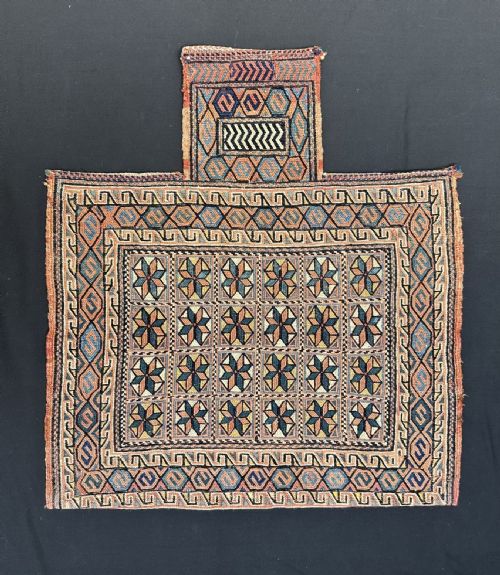
When you search for a nomadic persian textile, you encounter functional items woven by tribal groups across the regions of Persia, including the Fars, Kerman, and Khorassan provinces. These pieces comprise saddlebags, vanity bags, salt bags, bread sofreh, and animal trappings made for daily pastoral life rather than city display.
The objects most frequently met on this page date from the nineteenth century into the early twentieth century, spanning periods such as eighteen eighty to nineteen twenty. They reflect the specific visual dialects of tribal confederacies like the Qashqai, Afshar, Shahsavan, and Baluch.
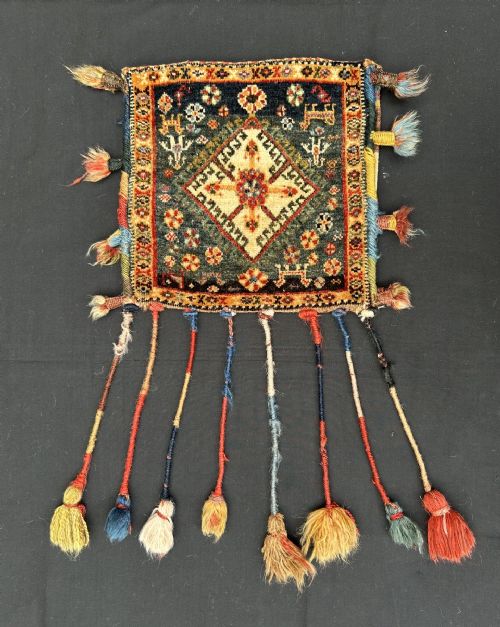
Forms range from small chanteh and pillow bag-faces to larger flatweaves and pile-woven storage containers. Each item carries the geometric patterns and symbolic motifs handed down through generations of weavers within particular regional sub-tribes.
How they were made
Weavers utilised hand-spun wool and cotton, often combining goat hair for structural durability along side natural dyes derived from local plants and minerals. The materials were sheared, carded, and spun by hand before being dyed in saturated tones.
Techniques varied between pile knotting and flatweaving methods such as sumac work and tapestry weave, producing robust textiles intended to withstand rigorous transport and daily use in nomadic camps.
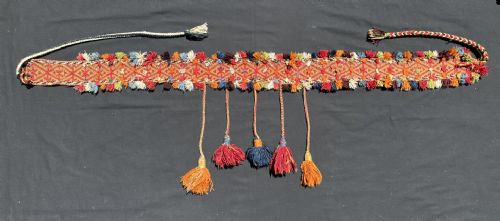
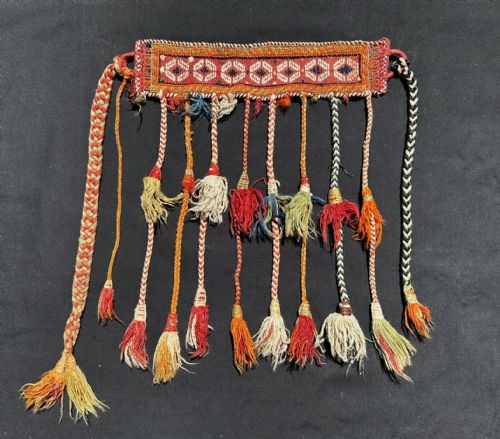
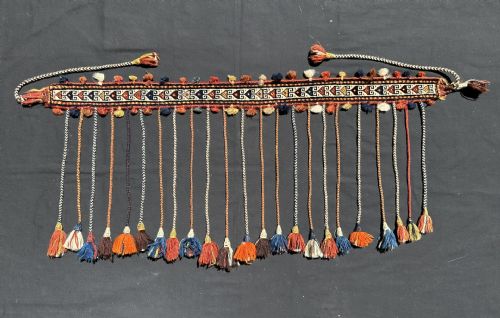
Structural elements frequently incorporated supplementary materials like cowrie shells and wooden toggles to fasten bags or adorn animal trappings.
Pieces originate from nineteen-century nomadic cultures across Fars, Kerman, Khorassan, and Azerbaijan provinces.
What varies in quality
Quality rests in the fineness of the spin, the precision of the tribal weave, and the depth of the natural dyes used across the surface. A finer knotting density or tighter flatweave structure denotes greater skill by the maker.
The complexity and clarity of regional motifs, along with the preservation of original start and end finishes, separate standard utilitarian pieces from exceptional examples of tribal artistry.
The Nomadic Persian Textile Glossary
- Sofreh
- A flatwoven cloth used for dining, wrapping bread, or preparing dough within the nomadic household.
- Chanteh
- A small vanity bag or personal container woven by tribal women, often carried or used inside the tent.
- Khorjin
- A double-sided saddlebag designed for loading pack animals during seasonal migrations.
- Sumac
- A supplementary weft-wrapping technique that creates a durable, ribbed surface texture without a cut pile.
- Balisht
- A pillow or bolster bag face created for domestic comfort inside tribal dwellings.
Nomadic Persian Textile: Frequently Asked Questions
What is a nomadic persian textile?
A nomadic persian textile is a functional hand-woven item created by tribal groups for pastoral life, including storage bags, animal trappings, and flatwoven cloths.
These pieces were produced by confederacies such as the Qashqai, Afshar, and Baluch using local wool and natural dyes.
How were tribal bags used?
Tribal bags served practical purposes in nomadic camps, from carrying salt and personal items to storing household provisions during seasonal migrations.
Many functioned as saddlebags or animal decorations loaded onto horses and camels while moving across the provinces.
How do I live with these textiles?
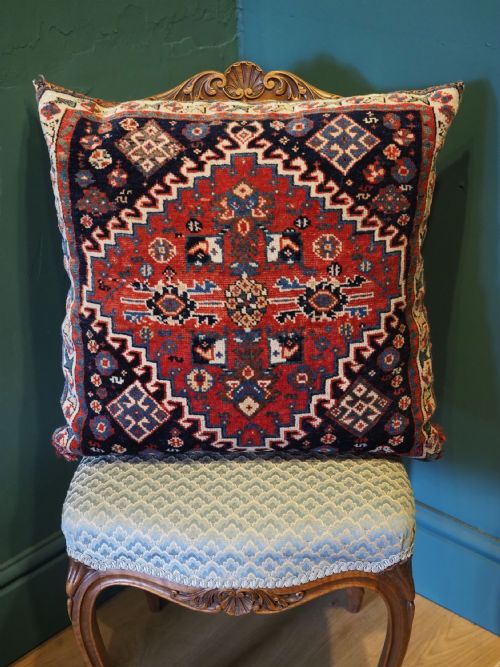
These textiles integrate well into modern spaces as wall hangings, small floor accents, or cushion covers, adding texture and history to a room.
Smaller bagfaces and fragments can be mounted or framed, while larger sofreh cloths suit placement on tables or open surfaces.
How can I tell tribal groups apart?
Tribal groups are distinguished by their specific colour palettes, structural techniques, and recurring geometric or animal motifs unique to their region.
Weaving structures associated with Shahsavan, Qashqai, or Afshar makers display characteristic patterns passed down through specific sub-tribes.