

Nomadic Handwoven Rug
A nomadic handwoven rug brings the patterned energy of tribal life into a room, offering dense wool structures and rich regional dyes.
Nomadic Handwoven Rug
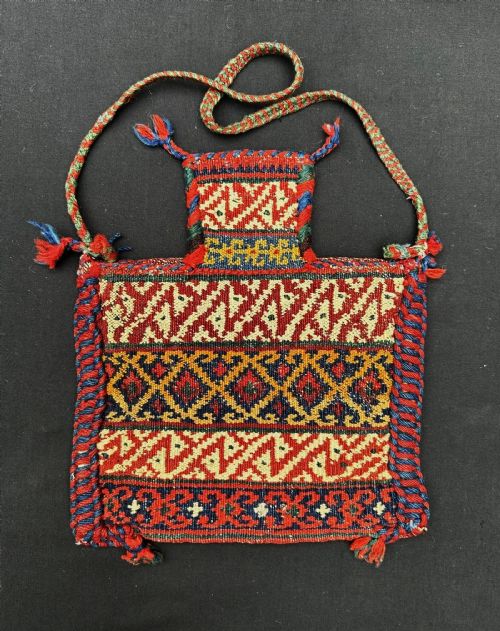
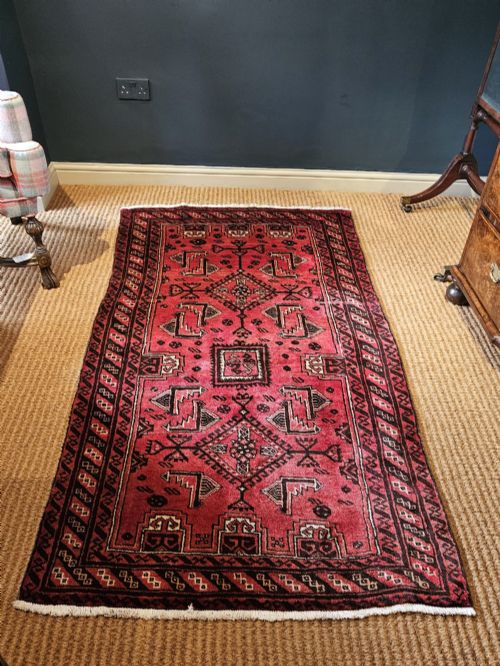
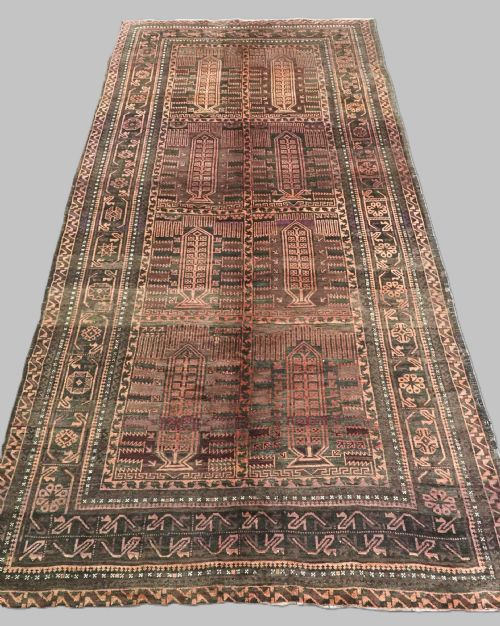
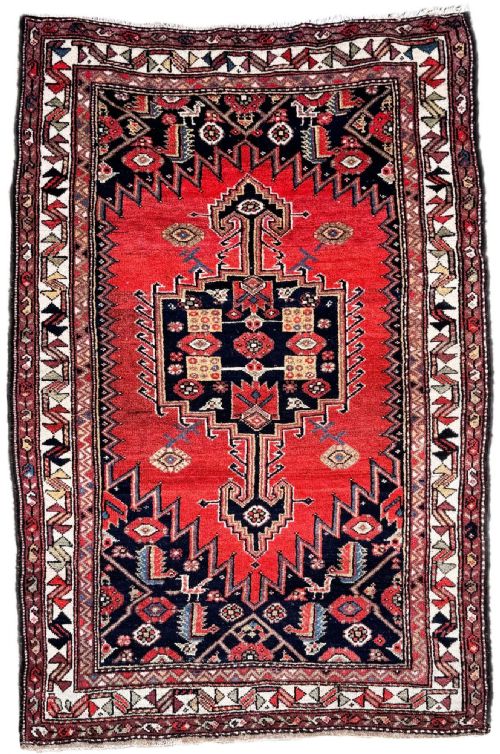
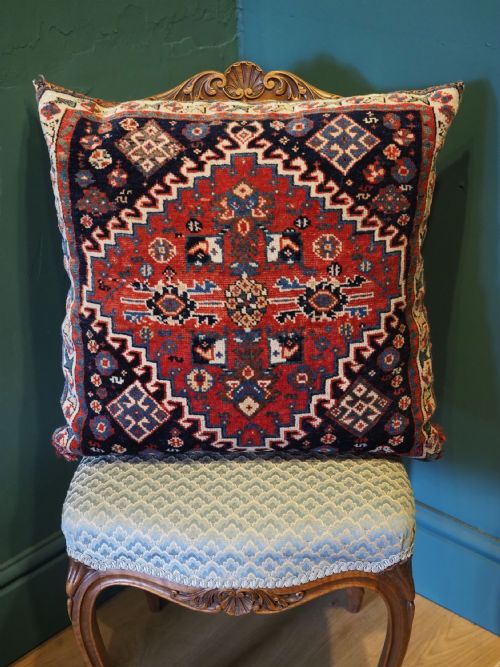
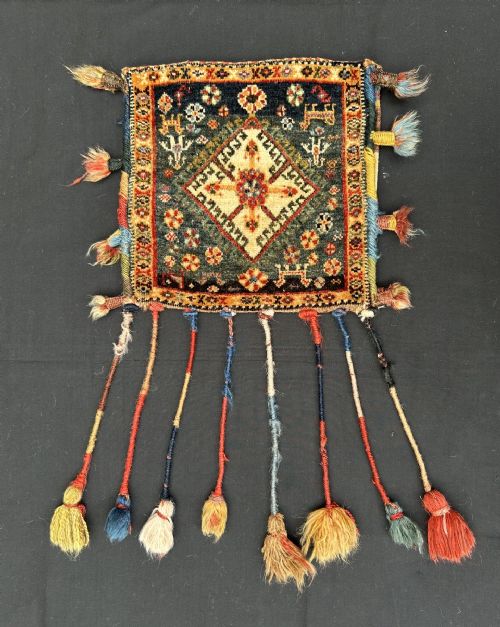
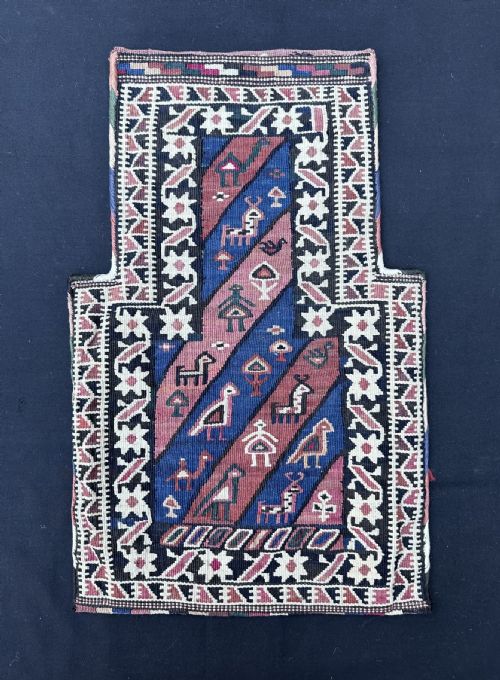
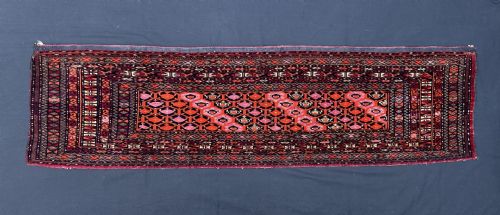
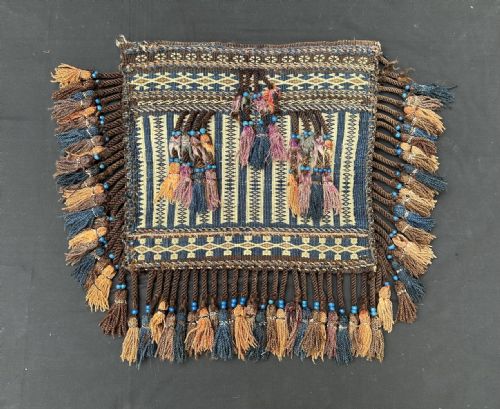
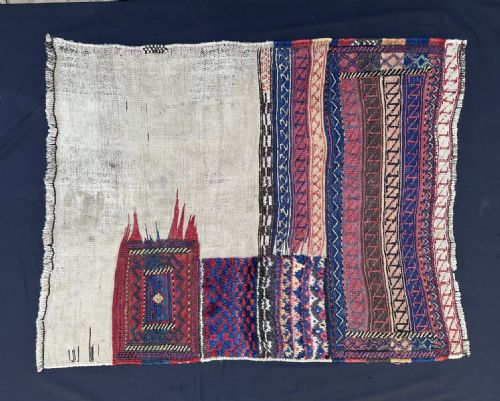
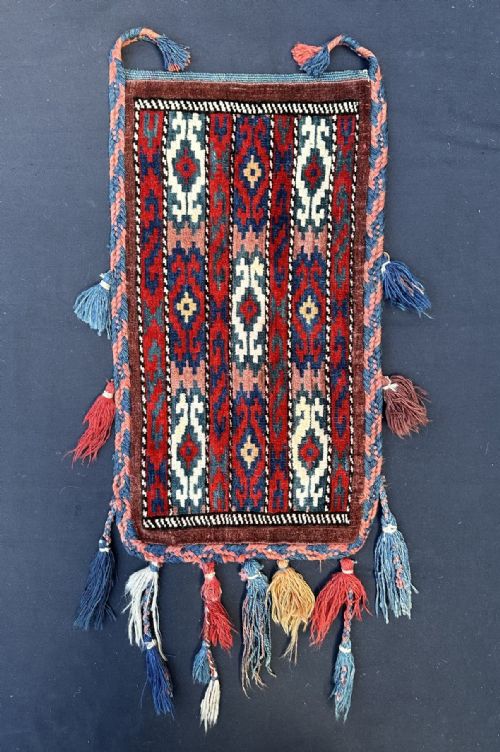
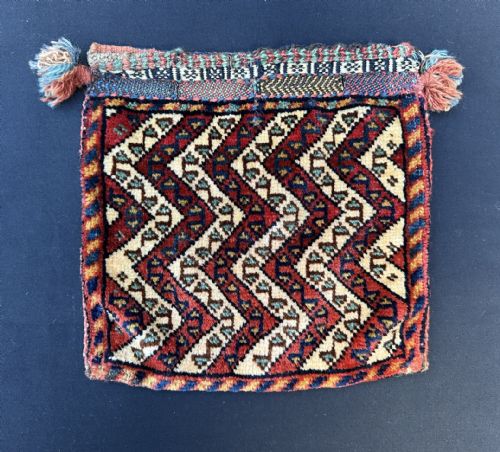
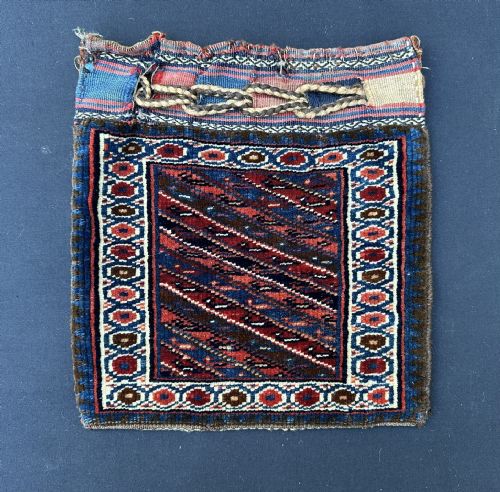
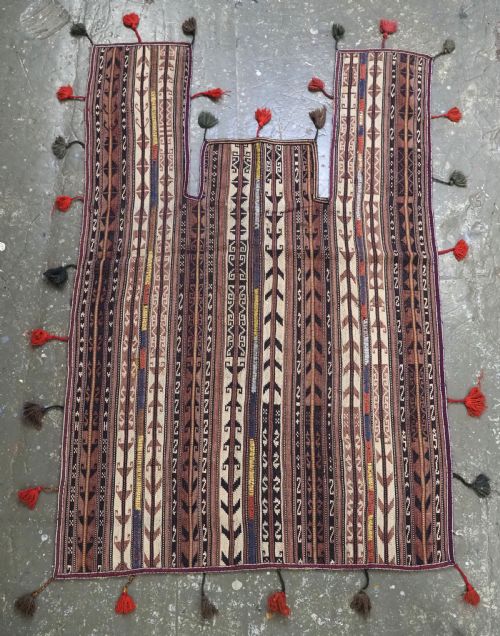
Smaller formats dominate the current selection, reflecting the portable nature of weaving traditions rooted in tent culture. Pieces often originate from specific regional confederacies, including the Fars province or the Trans-Caspian steppes. These smaller textiles serve various domestic functions, from horse covers and floor spreads to storage containers.
Materials and Construction
Makers constructed these textiles predominantly using hand-spun wool for the pile and structure, often paired with cotton foundations in later pieces. Natural dyes impart the rich colour palette found across the regional weaves, while occasional embellishments include glass beads and cowrie shells. The interplay of hand-prepared fibres and traditional dyeing methods creates the characteristic surface texture and varied handle of each piece.
Weavers utilised pile knots and flatweave techniques to produce durable domestic items designed for rigorous daily use by tribal groups. The structural integrity relies on tight packing of the wool foundation threads, which ensures longevity despite constant movement and handling.
The listings span tribal production periods from 1850 to 1940, utilising pure wool, cotton foundations, and natural dyes.
Assessing the Weave
Quality rests heavily on the fineness of the knotting and the tightness of the weave across the structural foundation. Tighter construction generally allows for sharper graphic definition within tribal motifs and geometric patterns.
The depth and brilliance of the natural dyes significantly influence the overall visual success of a piece. Skilled use of traditional dyestuffs yields harmonious tonal variations that mature gracefully over decades.
The Nomadic Handwoven Rug Glossary
- Torba
- A small Turkmen wall-hanging bag used for storage inside a tent. These pieces frequently display precise gul motifs and detailed border work.
- Sofreh
- A flatwoven spread or cloth used during meals or for processing flour. They display minimalist or bold geometric field designs.
- Gul
- A repeating medallion or octagonal motif central to Turkmen and Baluch tribal design. Each pattern traditionally identifies a specific clan or sub-tribe.
- Jollar
- A Turkmen tent bag or trapping, often placed on the interior flanks of a dwelling. They showcase distinctive tribal iconography and durable flatweave backs.
- Gabbeh
- A thicker, more coarsely knotted rug traditionally woven for household use rather than trade. These pieces often feature sparse, abstracted field patterns.
Nomadic Handwoven Rug: Frequently Asked Questions
Where were these rugs made?
These textiles originate from tribal groups and confederacies inhabiting regions of Persia, Afghanistan, and Central Asia. Makers lived a nomadic or semi-nomadic existence, moving herds across traditional territories.
Production centres include the Fars province, Khorassan, and the Trans-Caspian steppes. Each region developed distinct structural habits and design vocabularies tied to specific tribal lineages.
How were utility bags used?
Tribal groups utilised small bags for storage, transport, and domestic decoration inside tents. Items like salt bags, vanity bags, and spindle bags held personal possessions and household goods.
These functional objects accompanied families during seasonal migrations. Their construction combined practical durability with symbolic tribal designs.
How do I identify tribal designs?
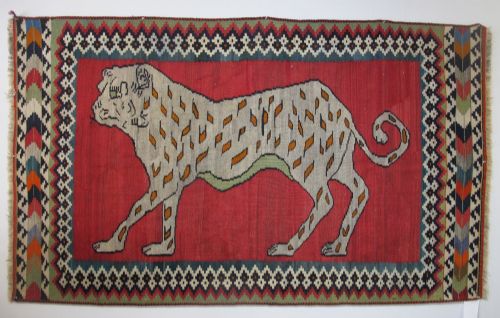
Design identification relies on recognising recurring motifs such as guls, hooked polygons, and stylized animal forms. Different confederacies like the Qashqai or Afshar employed characteristic palettes and border arrangements.
Structural details, including edge finishes and end-finish weaves, provide further clues to tribal attribution. Comparing the knotting style helps narrow down the probable geographic origin.
How do I care for antique wool rugs?
Maintenance requires gentle vacuuming without rotary brushes to protect the hand-spun wool pile. Keeping the textile out of direct sunlight prevents natural dyes from fading prematurely.
Professional cleaning tailored to antique tribal wool ensures structural preservation. Allowing air circulation underneath prevents moisture retention in dense pile areas.